DbcultAccessing Vault...
6.1/10
Senior Film Conservator
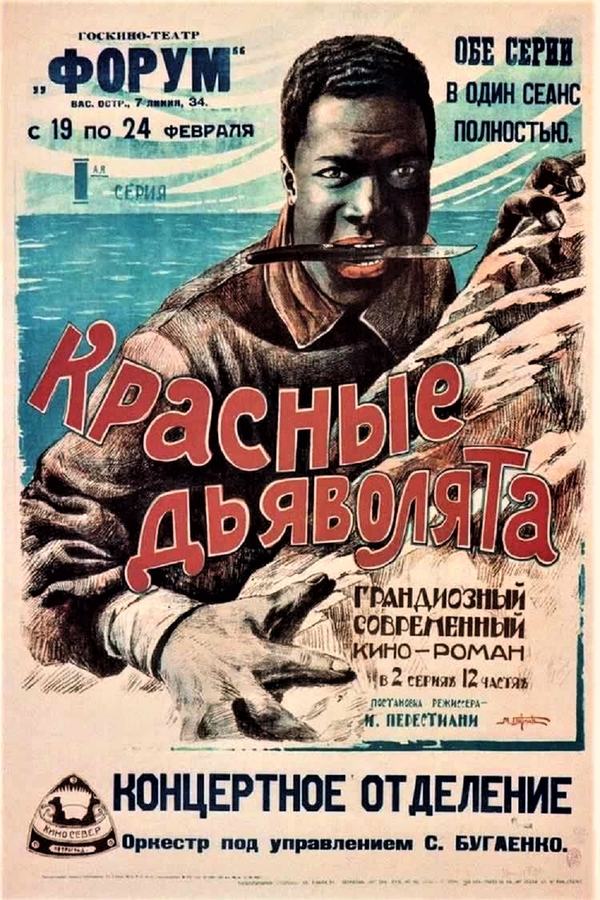
A definitive 6.1/10 rating for a film that redefined the boundaries of cult cinema. Krasnye dyavolyata remains a cornerstone of transgressive art.
In the nascent years of Soviet cinema, before the towering intellectualism of Eisenstein’s montage theories fully calcified the medium’s identity, there existed a vibrant, almost feral period of experimentation. Ivan Perestiani’s 1923 opus, Krasnye dyavolyata (Red Devils), stands as the quintessential artifact of this era. It is a film that breathes the dust of the Ukrainian steppe and the salt of the Black Sea, transmuting the grim realities of the Russian Civil War into a high-octane adventure that feels remarkably contemporary in its pacing. While many silent films from this period struggle with a certain theatrical stasis, Perestiani’s work is possessed by a restless, caffeinated energy.
What strikes the modern viewer immediately is how Krasnye dyavolyata anticipates the 'Red Western' or Ostern. It borrows the visual vocabulary of the American frontier—the galloping horses, the wide-angle horizons, the rugged individualism—and retools them for the Bolshevik cause. Unlike the more somber The Dawn Maker, which explores the heavy burden of leadership and sacrifice on a different kind of frontier, Perestiani’s film is an explosion of youthful exuberance. The protagonists are not grizzled veterans but children of the revolution, embodying a purity of purpose that is both naive and terrifyingly effective.

The inclusion of Tom Jackson, portrayed by Kador Ben-Salim, is a masterstroke of early Soviet internationalism. In an era where Western cinema often relegated non-white actors to the periphery or used them as caricatures, Tom Jackson is an equal member of the heroic triumvirate. His acrobatic prowess is not just a gimmick; it is integrated into the tactical logic of their missions. This egalitarianism provides a sharp contrast to the era's American counterparts, such as Hearts in Exile, which, while focusing on Russian themes, often lacked the raw, unmediated diversity found in Perestiani’s casting choices.
The portrayal of Nestor Makhno is a fascinating exercise in ideological villainy. He is depicted not as a mere political rival, but as a force of entropic chaos. The film frames the conflict as one between the disciplined, forward-thinking 'Red' future and the decadent, drunken anarchy of the 'Greens.' This thematic tension is far more visceral than the moral quandaries found in Beyond the Crossroads. Here, the crossroads are literal and blood-soaked. The stakes are existential; the survival of the revolution depends on the ability of three teenagers to outmaneuver a seasoned guerrilla leader.
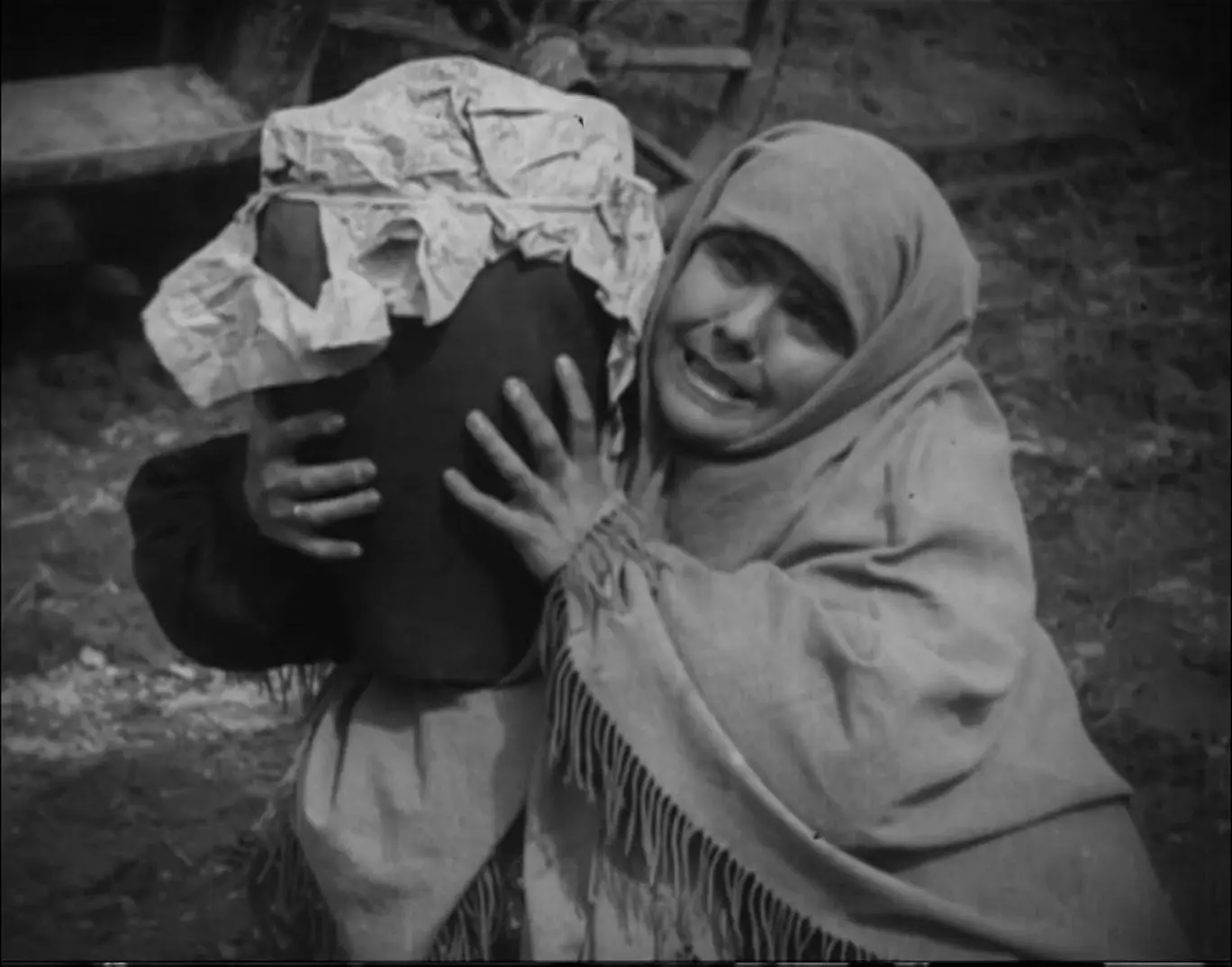
Technically, the film is a marvel for 1923. Perestiani’s use of location shooting gives the film a grit and authenticity that studio-bound productions of the time, such as The Woman Who Dared, simply could not replicate. The stunts are performed with a reckless disregard for safety that would make modern insurance adjusters faint. Whether it is leaping from moving trains or navigating treacherous cliffside paths, the physical presence of the actors is palpable. This tactile quality grounds the film’s more fantastical elements, making the 'Red Devils' feel like flesh-and-blood entities rather than mere ideological symbols.
The editing, while not as theoretically dense as what we would see later in the decade, is exceptionally fluid. There is a primitive form of parallel action that keeps the tension simmering. We see echoes of the chase sequences that would later define the genre. If one compares the kineticism here to the more measured pace of The Corsican, it becomes clear that the Soviet school was already beginning to prioritize a specific kind of rhythmic intensity that would change cinema forever.
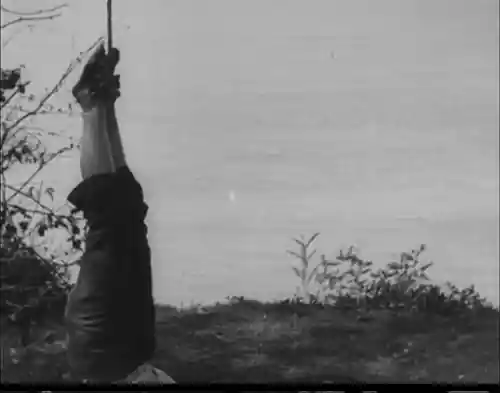
While Krasnye dyavolyata was undeniably produced as a tool for political mobilization, its artistic merit transcends its original purpose. It captures a moment of genuine cinematic discovery. Unlike Beauty and the Rogue, which operates within the established tropes of romantic comedy and light drama, Perestiani’s work is trying to invent a new language for a new world. It is raw, often unpolished, but undeniably alive.
The film’s influence can be felt in the subsequent decades of Soviet adventure cinema, most notably in the 1960s remake, *The Elusive Avengers*. Yet, the original 1923 version possesses a silent-era charm and a documentary-like proximity to the events it depicts that the remakes lack. It is a window into the psyche of a revolutionary generation—one that saw itself as heroic, agile, and invincible. The film avoids the melodrama of The Lonely Woman, opting instead for a collective heroism that is both inspiring and slightly terrifying in its totalizing nature.
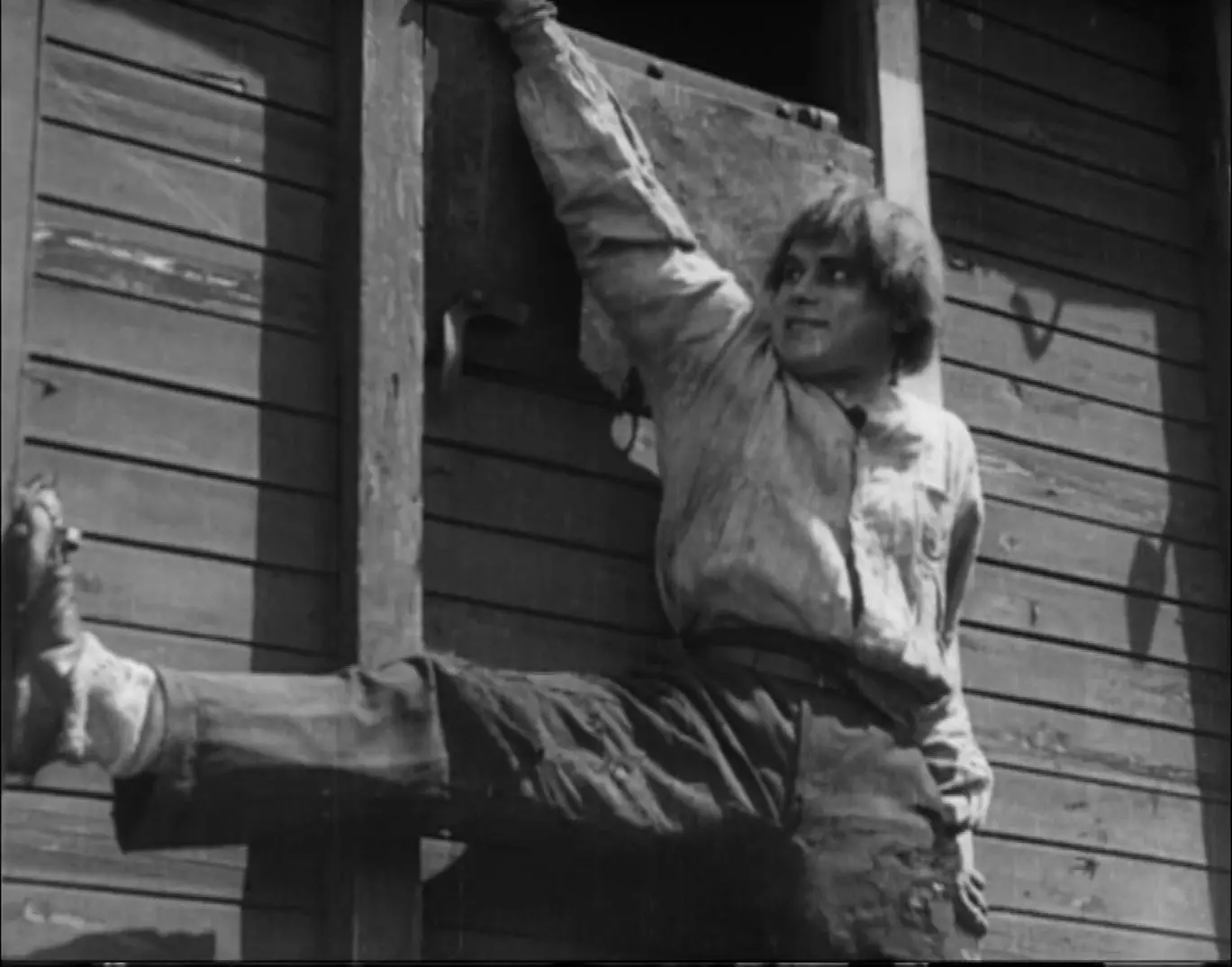
In the broader context of 1920s cinema, Krasnye dyavolyata challenges the notion that early Soviet film was exclusively preoccupied with grim realism or avant-garde abstraction. It proves that the Bolsheviks understood the power of the 'popcorn movie' as well as any Hollywood mogul. The film is a masterclass in audience engagement, utilizing humor, suspense, and spectacle to deliver its message. It possesses the charm of Chivalrous Charley but imbues its protagonist with a much more lethal sense of duty.
Consider the scene where the trio captures Makhno. It is played with a mixture of tension and almost slapstick irony. This tonal dexterity is rare for the period. While Danish cinema was exploring psychological depths in Skæbnesvangre vildfarelser, Perestiani was more interested in the physical world—the way a body moves through space, the way a horse gallops, the way a flag ripples in the wind. It is a cinema of the exterior, reflecting a society that was desperately trying to reshape its external reality.

To watch Krasnye dyavolyata today is to witness the birth of a myth. It is a film that transformed the messy, fratricidal conflict of the Civil War into a clean, heroic narrative of good versus evil. While we must remain cognizant of its status as propaganda, we cannot deny its craftsmanship. It lacks the cynicism of Dead Men Tell No Tales, replacing it with a fervent, almost religious belief in the future. In the pantheon of silent cinema, it remains a vital, pulsing artery, reminding us that even in the darkest times, the human desire for adventure and justice remains unquenchable.
Ultimately, Perestiani’s work is a testament to the power of the moving image to not just record history, but to rewrite it. It is a film that demands to be seen not just as a historical curiosity, but as a foundational text of action cinema. It has more in common with the spirited athleticism of The Touchdown than with the static dramas of its time, proving that the language of movement is truly universal. Whether you are interested in Soviet history, the evolution of the Western, or simply the thrill of a well-executed chase, Krasnye dyavolyata is an essential viewing experience that continues to resonate with a strange, haunting vitality.
IMDb —
1918
Community
Log in to comment.