DbcultAccessing Vault...
7.1/10
Senior Film Conservator
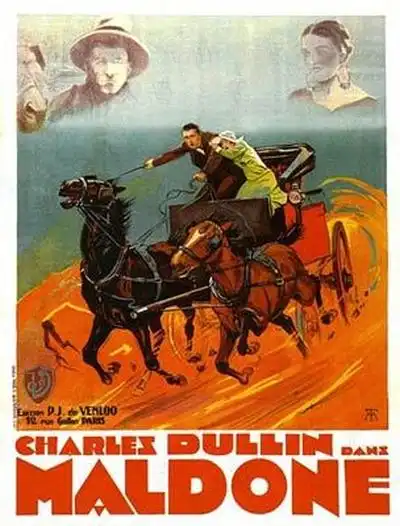
A definitive 7.1/10 rating for a film that redefined the boundaries of cult cinema. Misdeal remains a cornerstone of transgressive art.
For cinephiles interested in the psychological dramas of early French cinema, particularly those exploring class divides and the burden of societal expectation, Misdeal offers a challenging but rewarding experience. It’s a film that demands patience, rewarding viewers with a stark, often uncomfortable portrayal of a man trapped by his own choices and the expectations of his birthright. Fans of grand, sweeping romances might find its deliberate pacing and subdued emotional register difficult, and those looking for clear-cut heroes and villains will likely be disappointed. Instead, it’s best approached as a character study, an examination of how circumstance can warp a soul.
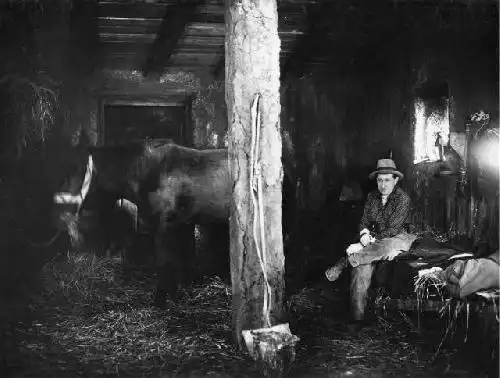
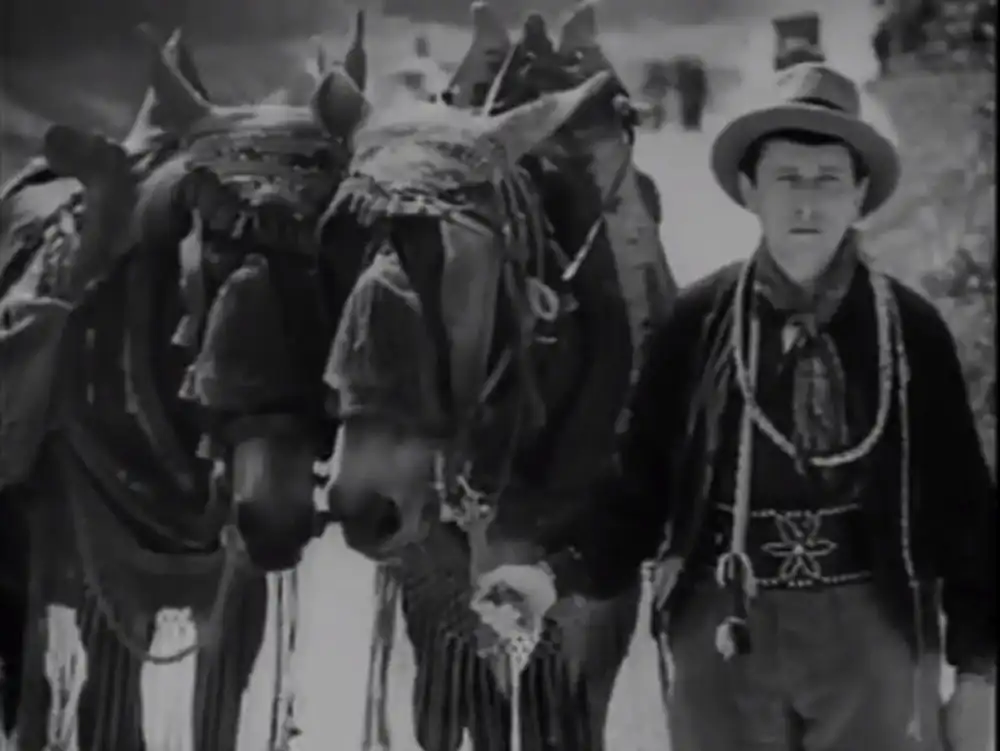
The film hinges entirely on Lucien Arnaud's portrayal of Maldone, and it's a performance that, while not overtly theatrical, carries a significant weight. In the opening reels, as a canal worker, Arnaud embodies a certain rugged freedom. His movements are fluid, his gaze direct, and there’s a genuine warmth in his interactions, especially during the joyous fete where he first encounters Zita. The scene where he teaches Zita to throw a stone into the canal, a simple gesture, speaks volumes about their unburdened connection.
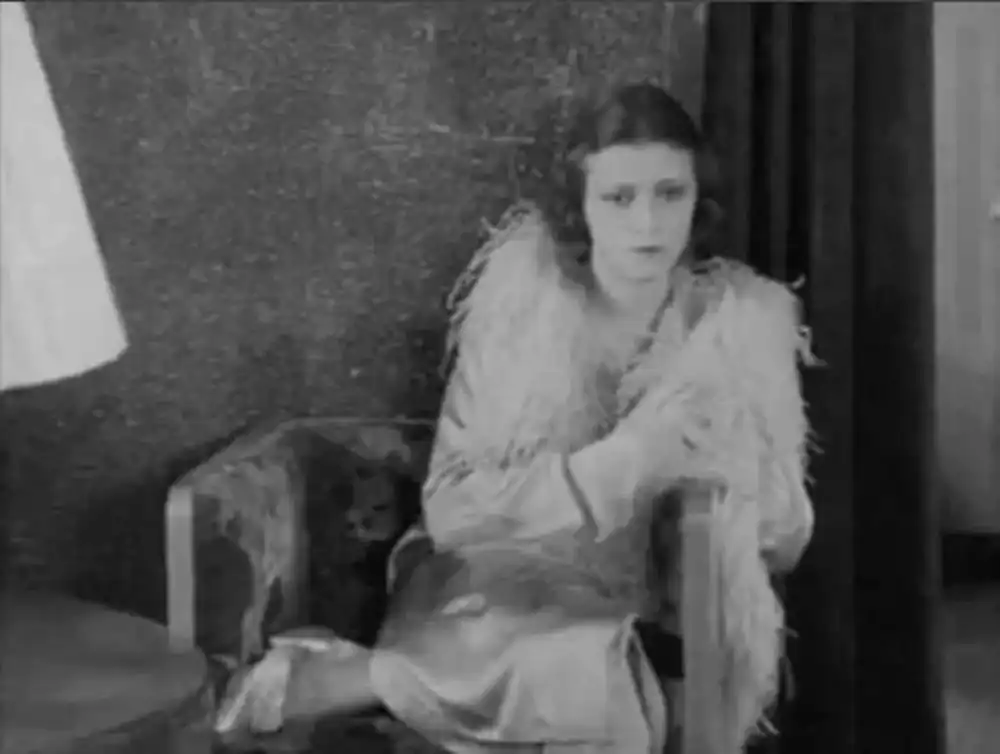
However, once Maldone is summoned back to the estate, a visible transformation occurs. Arnaud’s posture stiffens, his eyes take on a distant, almost haunted quality. He moves through the grand halls of his family home less like an owner and more like a prisoner. The subtle shift in his costume – from simple, practical work clothes to the more restrictive suits of a landowner – mirrors the internal constriction. This isn't a man embracing his destiny; it's a man suffocating under it. His interactions with his new wife, played by Mathilde Alberti, are particularly telling. There's a palpable lack of tenderness, a perfunctory nature to their shared scenes that underscores the transactional reality of their union.
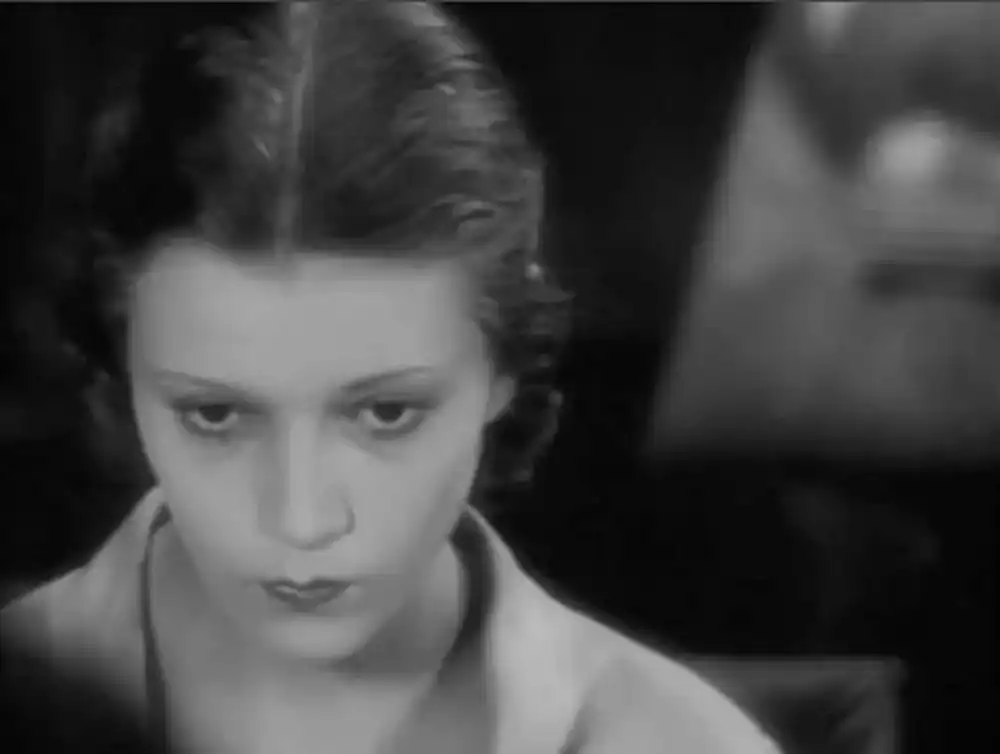
Annabella, as Zita, brings a necessary vibrancy to the film's first act. Her portrayal of the gypsy girl is full of life and an almost wild independence. Her eyes sparkle with defiance and curiosity, making her an immediate foil to Maldone's later, subdued existence. It’s a shame her presence is largely absent for the film's middle section, as her return feels less like a reunion and more like a ghost from a forgotten life, which, to be fair, is precisely the point for Maldone.
Misdeal is not a fast-paced film, and its deliberate rhythm is a conscious choice, often working to its advantage, though occasionally testing patience. The early scenes of Maldone's life by the canal, while idyllic, linger perhaps a beat too long, establishing a sense of peace that makes the subsequent upheaval more jarring. The fete sequence, however, bursts with energy; the quick cuts between musicians, dancers, and the faces in the crowd capture a fleeting moment of pure joy, a stark contrast to the film's later somber mood.
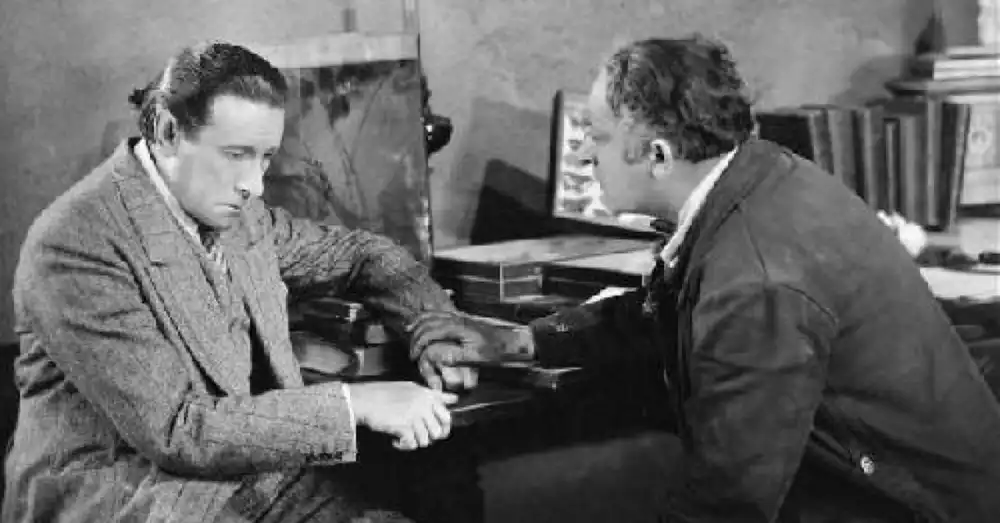
The middle section, detailing Maldone's reluctant assimilation into estate life, is where the pacing can feel most deliberate. There are long stretches of quiet, often showing Maldone alone, gazing out windows or walking the grounds. While these moments effectively convey his growing restlessness and isolation, a few feel redundant, reinforcing a point that has already been made. The film excels, however, in its tonal shifts. The transition from the rustic warmth of the canal to the cold, formal grandeur of the estate is abrupt and effective, visually and emotionally. The film doesn't shy away from the awkwardness of Maldone's new life, particularly in the stilted conversations and formal dinners that replace the easy camaraderie of his past.
The visual style of Misdeal is key to its narrative power. Director Marc Allégret uses the camera to emphasize Maldone's changing circumstances. The early scenes by the canal are often shot with an expansive feel, open skies, and natural light, reflecting Maldone's freedom. The canal itself, a ribbon of flowing water, symbolizes movement and a life unmoored.
Upon his return to the estate, the cinematography shifts dramatically. Interiors are often dimly lit, with heavy shadows clinging to corners and grand, imposing furniture dominating the frame. There's a particular shot of Maldone sitting at a massive, empty dining table, dwarfed by the space and the oppressive silence, that perfectly encapsulates his isolation. The camera frequently uses low angles to make the estate's architecture feel monumental and confining, effectively turning the opulent home into a cage. Even the exterior shots of the estate, while beautiful, often feature bare trees and stark landscapes, mirroring the barrenness of Maldone's soul. The way Zita is often framed, initially against open fields and later, in memory, against the stark backdrop of Maldone's troubled mind, highlights the chasm between their worlds.
The film's greatest strength lies in its unflinching portrayal of regret and the corrosive power of unfulfilled desire. It doesn't romanticize Maldone's obsession but shows it as a destructive force, driving him further into isolation. The subtle hints of Maldone's deteriorating mental state, particularly in his increasingly furtive and desperate attempts to reconnect with Zita, are well-handled. There's a moment, late in the film, where Maldone is seen pacing a lavish but empty room, his shadow stretching long and distorted behind him, a visual metaphor for his own fractured psyche that is far more impactful than any dialogue could be.
Where the film falters slightly is in the emotional depth of some supporting characters. While Arnaud and Annabella deliver strong performances, the characters around Maldone often feel more like plot devices than fully realized individuals, particularly his wife and the various estate staff. Their reactions are predictable, serving mainly to highlight Maldone's detachment rather than offering alternative perspectives. The ending, while tragic and inevitable, feels a touch abrupt, leaving some emotional threads feeling slightly untied, though perhaps that ambiguity is part of its bleak charm.
Misdeal is a film that resonates long after the credits roll, not with explosive drama, but with a quiet, persistent melancholy. It’s a somber meditation on the choices we make, the paths we abandon, and the ghosts that follow us. While its deliberate pace and often bleak outlook won't appeal to everyone, those willing to engage with its psychological depth will find a compelling, if tragic, character study. It’s a testament to the power of early French cinema to explore complex human emotions without relying on overt sentimentality. Watch it if you appreciate nuanced acting and atmospheric storytelling that prioritizes internal struggle over external action; skip it if you prefer your romances grand and your narratives unambiguous.
IMDb 6
1936
Community
Log in to comment.