DbcultAccessing Vault...
Cult Review
Senior Film Conservator
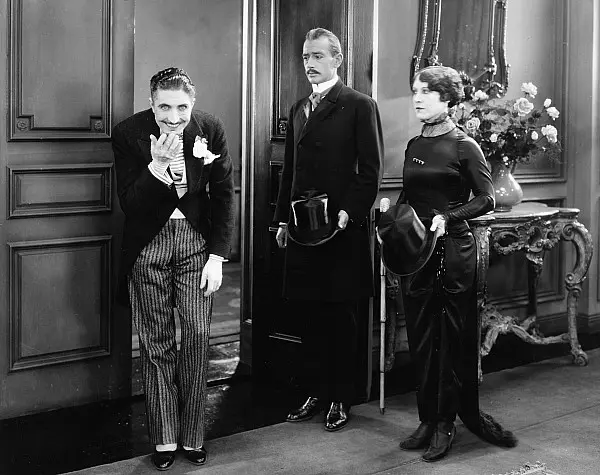
Is Monte Carlo (1926) still a winning ticket for modern cinephiles? Short answer: Yes, but only if you have a genuine appreciation for the frantic, logic-defying slapstick and the visual vocabulary of the mid-twenties silent farce.
This film is specifically for fans of vintage MGM production values and the expressive, often eccentric performances of the silent era; it is not for those who demand modern narrative realism or a grounded, sensible plot. It is a product of its time—loud without sound, and chaotic by design.
1) This film works because it balances the low-stakes charm of a 'fish-out-of-water' story with the high-stakes tension of a political assassination plot.
2) This film fails because the middle act becomes a repetitive cycle of hotel corridor chases that lose momentum.
3) You should watch it if you want to see how 1920s cinema viewed the intersection of American consumerism and European aristocracy.
Monte Carlo (1926) is a fascinating artifact of a time when the American public was obsessed with the idea of 'making it' in the old world. The premise—three girls winning a trip via a newspaper contest—was a common fantasy of the era. It reflects a burgeoning culture of celebrity and the 'common person' achieving the impossible. The newspaper setting allows for a meta-commentary on the media itself, with Bancroft the reporter serving as the cynical eyes of the audience. He isn't just a chaperone; he is a director within the film, orchestrating moments for maximum headline impact.
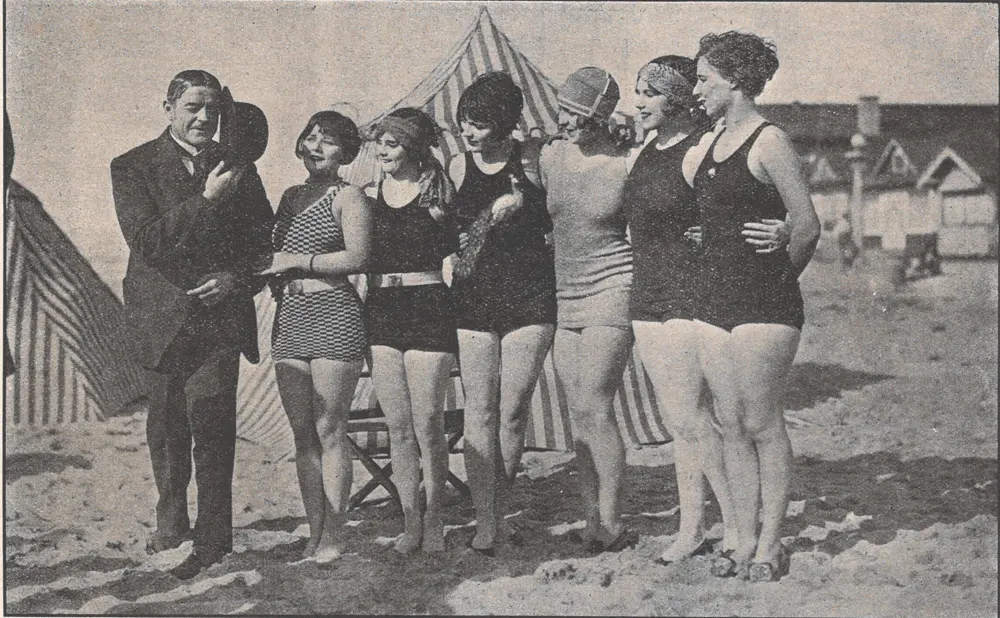
The transition from the small-town opening to the opulence of Monte Carlo is handled with the typical MGM flair. The sets are grand, the costumes are shimmering, and the lighting is high-key and inviting. It’s a world that looks like a dream, which makes Tony Townsend’s intrusion into it feel all the more disruptive. Tony, played with a slick, desperate energy by Lew Cody, is the quintessential 1920s grifter. He isn't a villain, but he is a man of zero integrity, which makes him the perfect engine for a comedy of errors.
Lew Cody’s performance as Tony Townsend is the backbone of the film. While many silent actors relied on broad gesticulation, Cody employs a more nuanced approach to his deception. There is a specific scene where he first 'borrows' the Prince’s uniform; his transition from a panicked debtor to a confident royal is a masterclass in physical transformation. He doesn't just put on the clothes; he puts on a new spine. It works. But it’s flawed. The flaw lies in the script's insistence that everyone would immediately believe his charade, but within the logic of 1926, we accept it.
Then there is Zasu Pitts. To watch Pitts is to watch a unique form of cinematic poetry. Her movements are fluttery, her expressions are perpetually worried, and she provides a necessary grounding to the more absurd elements of the plot. Compared to the leading ladies in films like Kid Boots, Pitts brings a distinct, almost avant-garde energy to her comedy. She doesn't just play the 'girl next door'; she plays the girl who is perpetually overwhelmed by the world, which makes her the perfect foil for the high-society pretension of Monte Carlo.
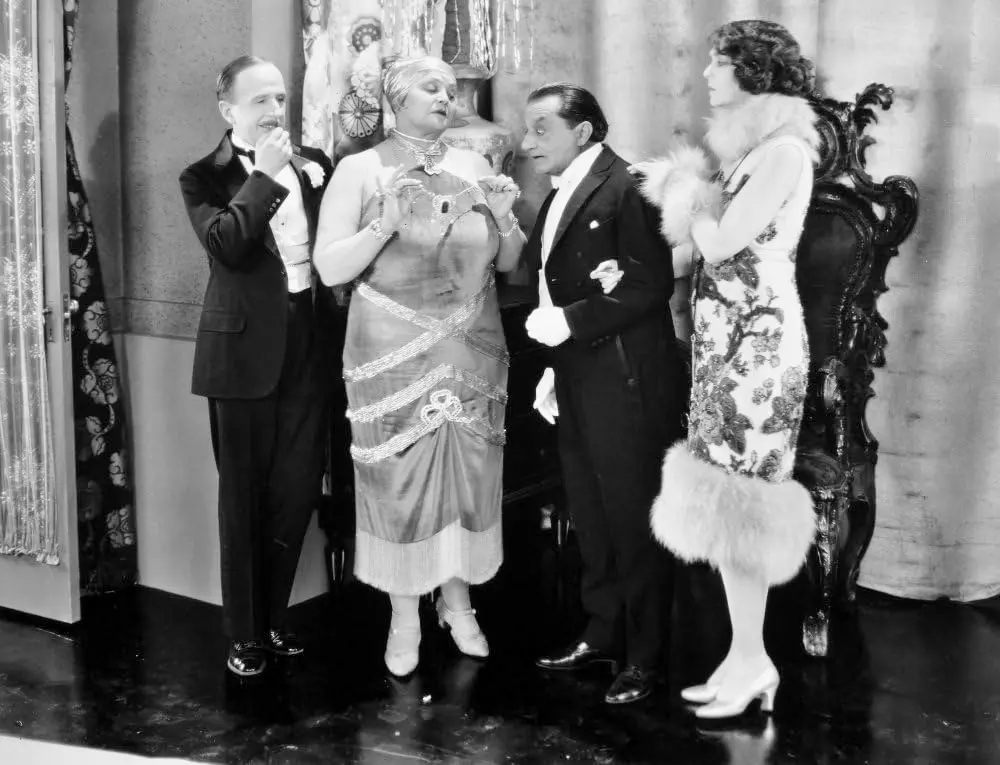
The direction in Monte Carlo is efficient, if not revolutionary. The pacing is designed to keep the audience from thinking too hard about the gaps in logic. The film moves with the rhythm of a clockwork toy—tight, repetitive, and ultimately satisfying when all the pieces click into place. The cinematography captures the scale of the hotel and the casino with a sense of wonder that was likely intended to dazzle 1926 audiences who had never seen the Mediterranean.
One of the most striking visual sequences involves the anarchist subplot. Unlike the bright, airy scenes of the girls exploring the town, the scenes involving the conspirators are shot with deeper shadows and more restrictive framing. This tonal shift is jarring, but it serves to raise the stakes. It reminds me of the atmospheric tension found in The Mysterious Mr. Tiller, where the threat feels tangible despite the comedic surroundings. The director uses these darker moments to prevent the film from becoming a sugary travelogue.
Yes, Monte Carlo (1926) is worth watching for anyone interested in the evolution of the American farce. It represents a peak moment in silent film production where the technical craft was perfected just before the arrival of sound changed everything. The film offers a blend of physical comedy and social satire that remains largely entertaining. It is a vibrant, energetic piece of escapism.
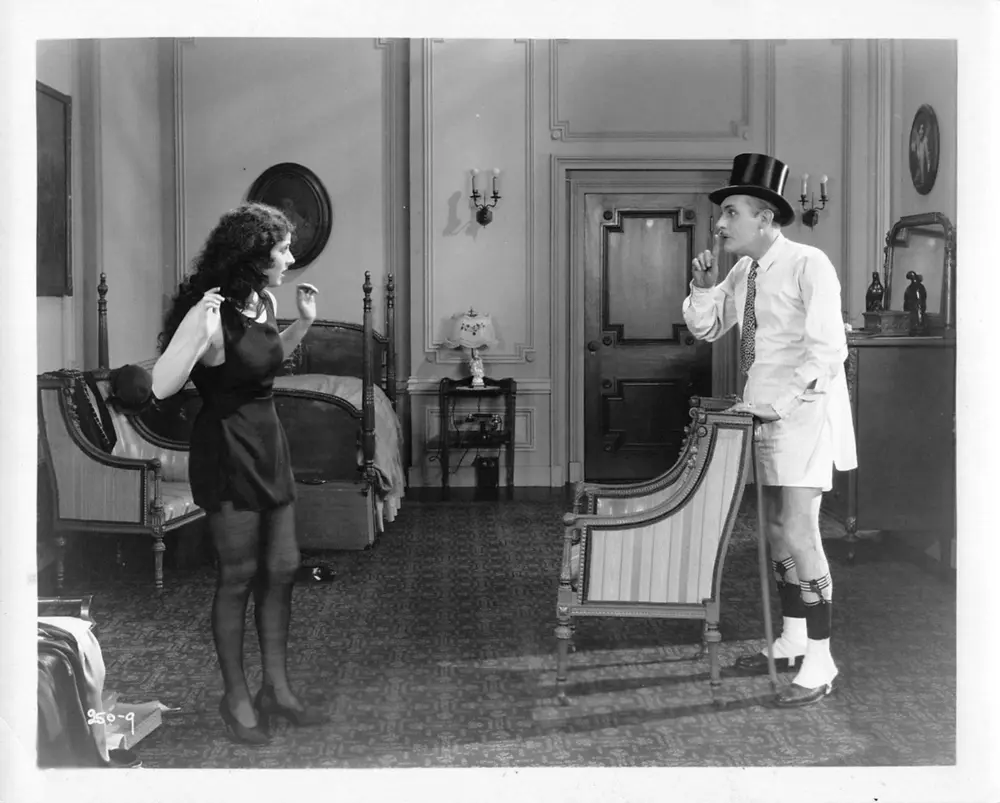
This film is a must-see for silent film enthusiasts and students of 1920s social history. If you enjoy films that use mistaken identity as a primary plot device, you will find much to love here. However, if you find the 'frantic' style of silent comedy exhausting, this may not be the film for you.
Pros:
Cons:
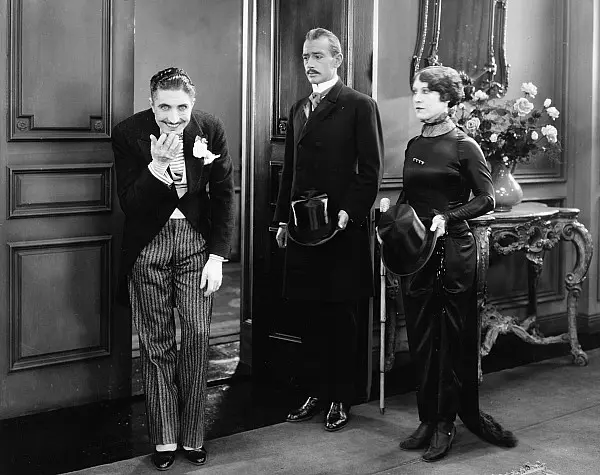
To understand Monte Carlo, one must look at it alongside other 1926 releases. This was the year of Bardelys the Magnificent, a film that also dealt with identity and social standing, but with a much higher budget and a more romantic tone. Monte Carlo is the scrappier, more cynical cousin to those grand epics. It doesn't want to make you cry; it wants to make you laugh at the absurdity of class distinctions.
The film also shares DNA with Carmen in its portrayal of 'exotic' European locales, though Monte Carlo is far more interested in the luxury of the present than the legends of the past. It is a film about the 'Now' of 1926. It captures the frantic energy of a decade that didn't know it was heading toward a crash. There is a desperate gaiety to the whole affair that is, in hindsight, quite moving.
Monte Carlo (1926) is a charming, if occasionally exhausting, romp through the playgrounds of the elite. It succeeds because it doesn't take itself too seriously, and it fails only when it tries to inject too much plot into what should be a simple character study. Lew Cody and Zasu Pitts are a formidable comedic duo, and the film’s visual splendor makes it a joy to watch even when the story falters. It is a definitive 'B+' of the silent era—not a revolutionary work of art, but a professional, highly entertaining piece of commercial cinema. If you have ninety minutes to spare and a love for the flicker of the silent screen, this is a gamble worth taking.

IMDb —
1917
Community
Log in to comment.