DbcultAccessing Vault...
5.7/10
Senior Film Conservator
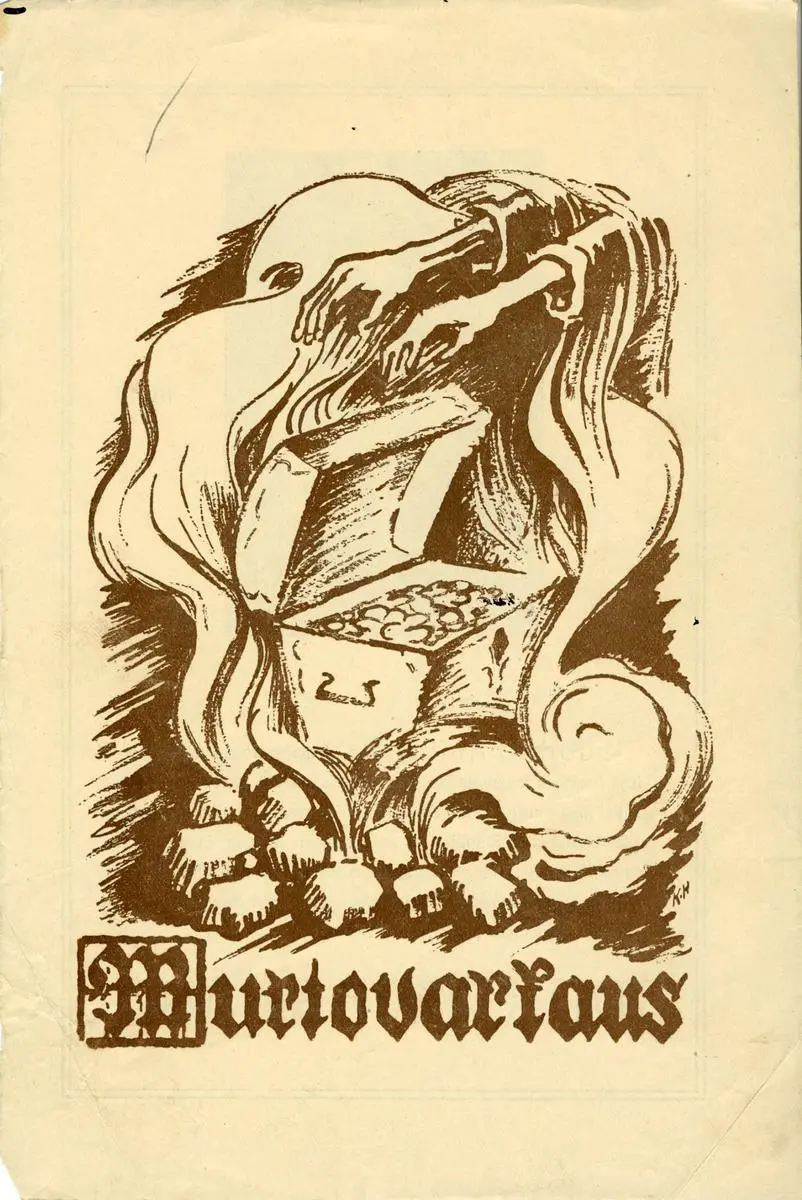
A definitive 5.7/10 rating for a film that redefined the boundaries of cult cinema. Murtovarkaus remains a cornerstone of transgressive art.
Is Murtovarkaus a relic of a forgotten era or a biting social critique that still holds weight? Short answer: It is a vital, albeit demanding, piece of Scandinavian cinema that rewards those who appreciate the slow-burn tension of silent drama.
This film is for the patient viewer who wants to see the roots of social realism in film. It is absolutely not for anyone looking for high-speed thrills or lighthearted escapism.
1) This film works because it treats the Finnish landscape as a silent character that enforces the isolation and desperation of its human subjects.
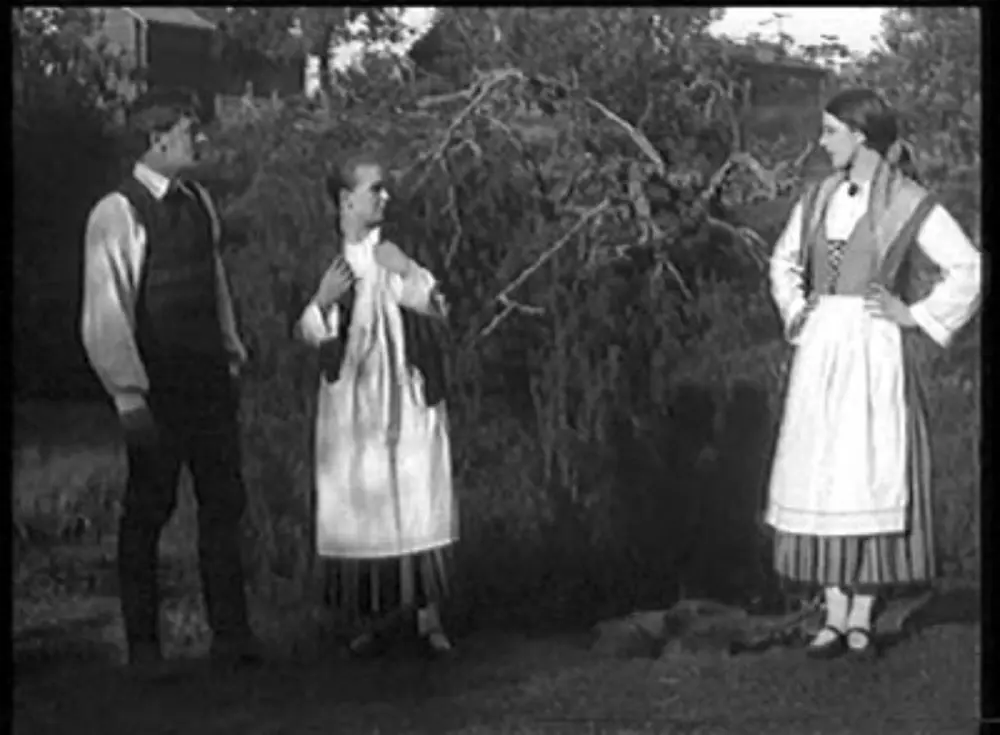
2) This film fails because the second act leans too heavily on theatrical blocking that betrays its stage-play origins.
3) You should watch it if you want to see how early cinema explored the toxicity of patriarchal inheritance and the female rage it produces.
Murtovarkaus is a film that feels heavy. From the opening shots of the rural estates, director Harry Roeck Hansen establishes a world where the dirt under the fingernails is just as important as the blood in the veins. Unlike the more adventurous spirit found in The Border Legion, this film is claustrophobic.
The plot, based on the work of Minna Canth, is a scalpel. It cuts into the idea of the 'happy peasant' and reveals a system of transactional marriage. Niilo, played with a simmering frustration by Yrjö Somersalmi, is a man who is being traded like livestock. His father’s command that he marry Loviisa isn't about love; it's about consolidating the Ukonniemi estate.
There is a specific scene where Niilo stands between his father and Loviisa. The camera lingers on his face, capturing a flicker of defeat that dialogue would only ruin. It is raw. It is uncomfortable. It works. But it’s flawed by the sheer static nature of the surrounding cast.
The acting in Murtovarkaus avoids the wild gesticulation common in some silent films of the era, such as Tennessee's Pardner. Instead, there is a groundedness here. Yrjö Somersalmi carries the weight of the film on his shoulders, portraying Niilo not as a hero, but as a victim of his own lineage.
However, the real standout is the portrayal of Loviisa. In many films of this period, the 'other woman' is a caricature of evil. Here, Loviisa is a tragic figure. She is a spinster in a society that has no place for unmarried women of a certain age. Her desire to break up Niilo and Heleena isn't just jealousy; it's a desperate attempt to avoid social erasure.
The supporting cast, including the likes of Joel Rinne and Agnes Lindh, provide a solid backdrop, though some of the minor characters feel indistinguishable. The film occasionally suffers from having too many bodies on screen during the estate scenes, making the focus drift. Still, the central trio maintains a high-stakes energy that keeps the narrative from stalling.
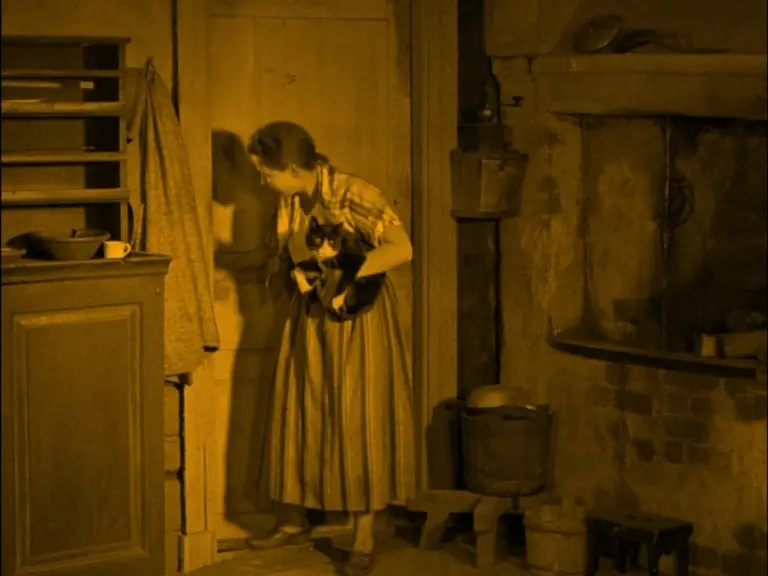
The visual language of Murtovarkaus is one of contrast. The interior scenes are often dark and shadowy, reflecting the moral ambiguity of the characters' choices. This isn't the glossy production of something like Lily of the Dust. This is gritty and purposeful.
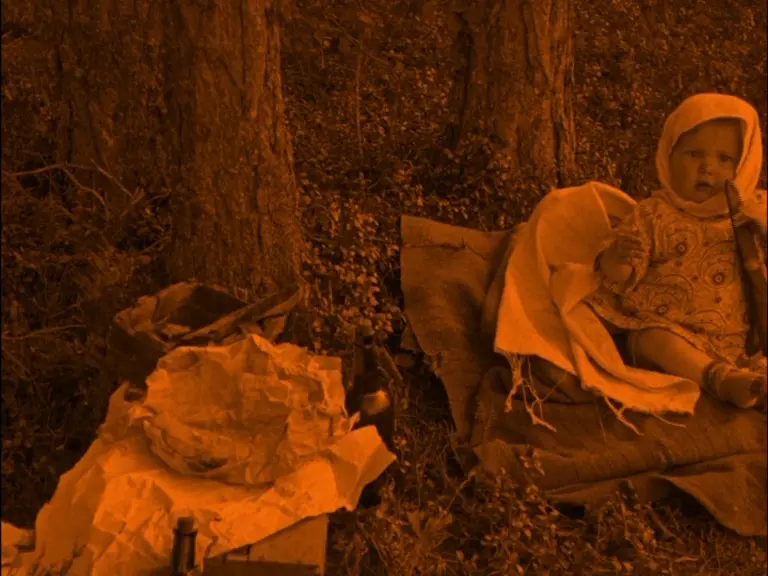
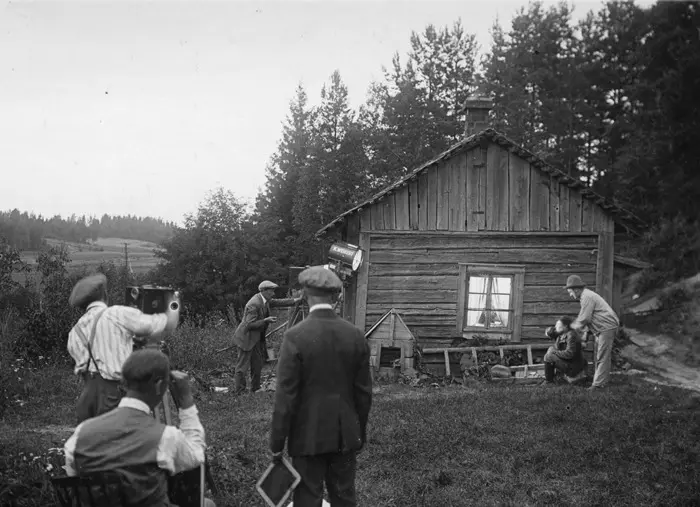
The outdoor sequences utilize the natural light of the Finnish countryside to create a sense of vastness that ironically makes the characters feel smaller. There is a moment where Heleena is seen against the horizon, looking for Niilo. The framing is exquisite, suggesting that while the land is beautiful, it is also a barrier that keeps her from her happiness.
The pacing is where the film struggles. Silent films often have a rhythmic issue, and Murtovarkaus is no exception. There are sequences where the intertitles explain things that the actors have already clearly emoted. This redundancy can be grating for a modern audience used to more efficient storytelling.
If you are looking for a foundational piece of Finnish cinema that tackles difficult social themes, then yes, Murtovarkaus is absolutely worth your time. It offers a window into a culture grappling with the transition from feudal-style rural life to a more modern understanding of individual rights.
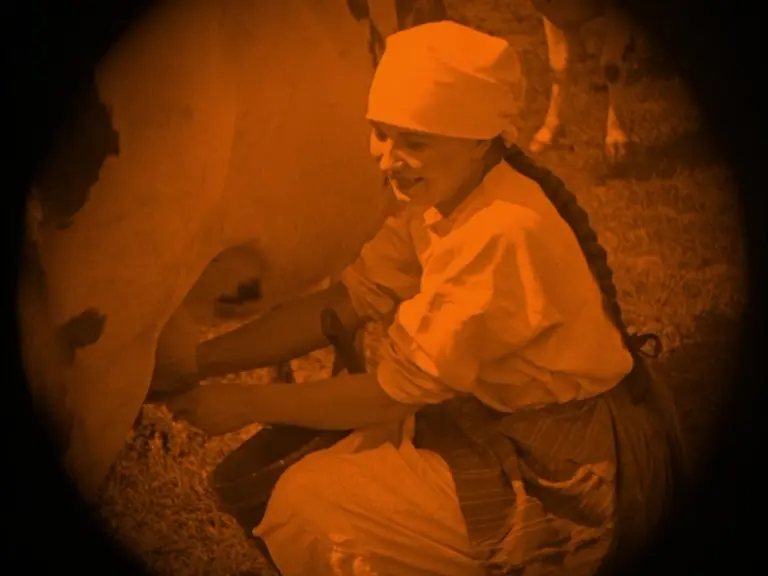
For those who find silent cinema tedious, this won't be the film to change your mind. It lacks the kinetic energy of Black Friday. However, for the student of film history, the nuance in the performances and the adaptation of Canth’s biting social commentary make it essential viewing.
One cannot discuss this film without acknowledging Minna Canth. As a writer, she was a pioneer of Finnish realism. This film captures her cynicism toward the patriarchy perfectly. The way the men in the film discuss the women as assets to be moved across a chessboard is chilling.
The adaptation by Harry Roeck Hansen and Erkki Kivijärvi respects the source material but understands that the camera can say things the stage cannot. They use close-ups to highlight the hypocrisy of the village elders. It is a cynical film, and that is its greatest strength. It doesn't offer easy answers or a saccharine ending.
In many ways, it shares a DNA with Gengældelsens ret in its exploration of justice and the consequences of past actions. The 'theft' in the story is the theft of a young man's future, and the film doesn't let the audience off the hook easily.
Pros:
Cons:
Murtovarkaus is a stark, unforgiving look at the price of tradition. It isn't always easy to watch, and it certainly isn't 'fun' in the traditional sense, but it is deeply rewarding. It captures a specific moment in Finnish history with a clarity that few other films of the era managed. The performances are subtle, the themes are universal, and the direction is confident. It’s a film that demands your full attention. It works. But it’s flawed by its own theatricality. If you can look past the occasionally slow pacing, you will find a story that is as relevant today as it was in 1926. The struggle for autonomy in the face of family pressure is a timeless one, and Murtovarkaus tells it with a brutal, beautiful honesty.
IMDb —
1917
Community
Log in to comment.