DbcultAccessing Vault...
Cult Review
Senior Film Conservator
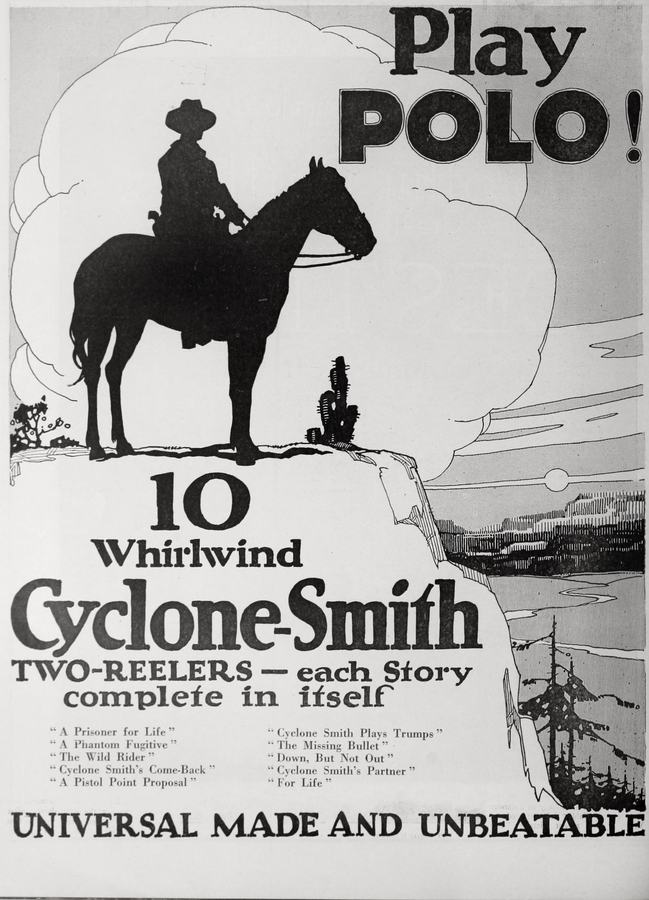
Stepping back into the annals of silent cinema often feels like unearthing a forgotten treasure map, each frame a cryptic clue to a past era's narrative sensibilities. ‘The Missing Bullet’, a compelling entry from the early 20th century, stands as a testament to the enduring power of a well-crafted mystery, even without the benefit of spoken dialogue. This film, featuring the magnetic presence of Peggy O'Day, the rugged charm of Eddie Polo, and the nuanced gravitas of Evelyn Selbie, transcends its historical context to deliver a tale of intrigue, justice, and the elusive nature of truth. It's a film that asks us to look beyond the obvious, to scrutinize the shadows, and to understand that sometimes, the most profound evidence is found in its very absence.
The narrative plunges us into a world where a seemingly straightforward murder quickly escalates into a complex web of deceit. The initial shock of the rancher's demise is palpable, but it's the peculiar detail—the vanished bullet—that elevates the plot from a simple crime story to a meticulously planned conspiracy. Sheriff Buck Garrett, portrayed with a stoic intensity by Eddie Polo, finds himself at the epicenter of a case that defies conventional investigation. Polo, a powerhouse of silent-era action and drama, brings a grounded realism to Garrett, a man burdened by duty yet fueled by an unwavering moral compass. His physical presence, often utilized in more overtly action-oriented roles, here serves to anchor the film's more cerebral elements, lending a believable weight to his character's internal struggle.
Enter Alice Vance, a character brought to vibrant life by Peggy O'Day. O'Day, known for her spirited performances, injects Alice with an irresistible blend of intelligence, courage, and an almost journalistic tenacity. She's not merely a damsel in distress or a romantic interest; she's an active participant in the pursuit of justice, her investigative instincts sharp and her determination unyielding. In an era where female roles often leaned towards the archetypal, O'Day's Alice is a refreshing anomaly, embodying an early form of female empowerment. Her interactions with Sheriff Garrett are not just about mutual respect, but a burgeoning partnership built on shared goals and a complementary skill set. One might draw a parallel to the independent spirit seen in characters from films like My Best Girl, though O'Day's portrayal here is less about romantic whimsy and more about gritty determination.
The antagonist, or at least the most enigmatic figure, comes in the form of Elara Thorne, masterfully played by Evelyn Selbie. Selbie, a veteran character actress of the silent screen, imbues Elara with an unsettling blend of aristocratic charm and veiled menace. Her performance is a masterclass in subtlety, her expressions conveying more than any intertitle could. Elara is not a mustache-twirling villain; she's a manipulator, a puppet master operating from the shadows, her motives shrouded in a fog of self-preservation and perhaps, a twisted sense of order. The contrast between her outwardly benevolent demeanor and the undercurrent of control she exerts over the town's affairs creates a delicious tension, forcing the audience to constantly question her true intentions. This kind of complex antagonist is a hallmark of good storytelling, challenging easy categorization and providing a rich foil for our heroes.
The screenplay, penned by George Hively and Alan James, is a marvel of concise storytelling, a necessity in the silent era where every intertitle had to count. They construct a narrative that is both intricate and accessible, allowing the audience to piece together the clues alongside the protagonists. The pacing is deliberate, building suspense with each revelation, each misdirection. The 'missing bullet' itself becomes more than just a plot device; it's a thematic anchor, symbolizing the fragility of truth and the ease with which evidence can be tampered with or simply made to disappear. It forces the characters, and by extension the audience, to look for truth not in what is present, but in what has been conspicuously removed.
From a technical perspective, the film, while perhaps not reaching the epic scale of a contemporary blockbuster like Avatar, certainly demonstrates a strong understanding of visual storytelling. The cinematography, though basic by modern standards, effectively uses light and shadow to enhance the mood of mystery and suspicion. Close-ups are employed judiciously, highlighting the emotional turmoil and intellectual processes of the characters. The editing maintains a fluid rhythm, ensuring that the audience remains engaged without being overwhelmed by a barrage of information. The use of location shots, portraying a seemingly idyllic frontier town, cleverly contrasts with the dark undercurrents of crime and corruption that plague its inhabitants.
One of the film's most striking aspects is its exploration of justice – or rather, the various interpretations and manipulations of it. Sheriff Garrett represents the steadfast, by-the-book approach, while Alice Vance embodies the investigative spirit, willing to challenge authority and conventional wisdom. Elara Thorne, on the other hand, embodies a more Machiavellian form of 'justice,' one where personal power and influence dictate outcomes. This nuanced portrayal of morality elevates the film beyond a simple good-versus-evil narrative, urging viewers to consider the complexities of human nature and societal structures. It's a theme that resonates even today, reminding us that the fight for truth is often an uphill battle against entrenched interests. Similar struggles against oppressive power can be seen in films like The Lash of Power, though 'The Missing Bullet' grounds its conflict in a more intimate, localized setting.
The supporting cast, while not as prominently featured, contributes significantly to the film's rich tapestry. Each character, no matter how small, feels integral to the unfolding drama, adding layers of suspicion or camaraderie. The townsfolk are not mere background figures; their reactions, their whispers, their fear, all contribute to the oppressive atmosphere of uncertainty that permeates the narrative. This attention to detail in character development, even for minor roles, is a hallmark of quality storytelling, ensuring that the fictional world feels fully realized and believable.
For those accustomed to the rapid-fire dialogue and explicit exposition of modern cinema, 'The Missing Bullet' offers a refreshing exercise in visual interpretation. The absence of spoken words forces a greater reliance on performance, on the subtle gestures and expressions that convey emotion and intent. Peggy O'Day's wide-eyed determination, Eddie Polo's furrowed brow, Evelyn Selbie's knowing glance—these are the tools through which the story is truly told. It’s a reminder of the raw power of acting, stripped of vocal inflections, relying solely on the physicality and expressiveness of the human form. This emphasis on visual storytelling connects it to the broader tradition of early cinema, where films like The Haunted House relied heavily on atmosphere and physical comedy to engage audiences.
The film's resolution, without giving too much away, is satisfyingly complex, avoiding simplistic answers in favor of a more nuanced conclusion. It speaks to the idea that even when justice is served, the scars of deception can linger, and the fight for truth is never truly over. The missing bullet, once a symbol of absence, ultimately becomes a catalyst for revelation, forcing characters to confront uncomfortable truths about themselves and their community. It’s a testament to the writers' skill that they manage to tie up the narrative threads while still leaving the audience with food for thought, pondering the lasting implications of the events depicted.
In an era that often saw films as transient entertainment, 'The Missing Bullet' stands out for its ambition and its execution. It's a film that demands attention, rewarding the patient viewer with a deeply engrossing mystery and performances that are both memorable and impactful. It provides a fascinating glimpse into the narrative sophistication possible in silent cinema, proving that a compelling story, strong characters, and intelligent plotting can transcend technological limitations. It's a work that, while perhaps not as widely known as some of its contemporaries, certainly deserves a place in the conversation about influential early mystery films. Its exploration of crime, power, and the search for truth offers a timeless resonance, proving that the human desire for justice is a narrative thread that binds all eras of filmmaking.
The film also serves as a valuable historical document, offering insights into the social mores and anxieties of its time. The portrayal of a small town grappling with corruption, the role of a tenacious female journalist, and the struggle of law enforcement against entrenched interests all reflect broader societal concerns of the early 20th century. It’s a window into how these themes were explored and consumed by audiences before the advent of sound transformed the cinematic landscape. While not a direct political commentary like Peanuts and Politics, it subtly touches upon the fragility of democratic ideals in the face of local power structures. The impact of such films on public perception and cultural discourse, even in their nascent form, cannot be overstated.
Ultimately, 'The Missing Bullet' is a powerful reminder that sometimes the most profound narratives are those that challenge our perceptions and force us to look beyond the surface. It's a film that leverages the unique strengths of silent cinema—its reliance on visual cues, emotive performances, and a carefully constructed narrative—to deliver a truly gripping experience. It celebrates the ingenuity of its creators and the timeless appeal of a good mystery, leaving an indelible mark on anyone fortunate enough to discover its quiet brilliance. It's a film that encourages us to appreciate the artistry of a bygone era, proving that compelling storytelling is, indeed, timeless.
Final Verdict: A masterful silent mystery that uses its central enigma to explore deeper themes of justice, corruption, and the relentless pursuit of truth. Essential viewing for aficionados of early cinema and anyone seeking a story that truly tests the limits of detection.
IMDb 4.8
1933
Community
Log in to comment.