DbcultAccessing Vault...
6.1/10
Senior Film Conservator

A definitive 6.1/10 rating for a film that redefined the boundaries of cult cinema. Nattens barn remains a cornerstone of transgressive art.
Stepping back into the hallowed halls of silent cinema, one encounters a profound tapestry of human emotion, often conveyed with a starkness and purity that modern filmmaking, for all its technological prowess, sometimes struggles to replicate. Nattens barn, or 'Night's Child,' emerges from this era as a compelling, albeit somber, testament to the enduring power of visual storytelling. Directed by Georg af Klercker, a name synonymous with early Swedish cinematic innovation, this film plunges us into a narrative that, despite its vintage, resonates with an unsettling familiarity, exploring themes of injustice, class disparity, and the desperate human need for redemption.
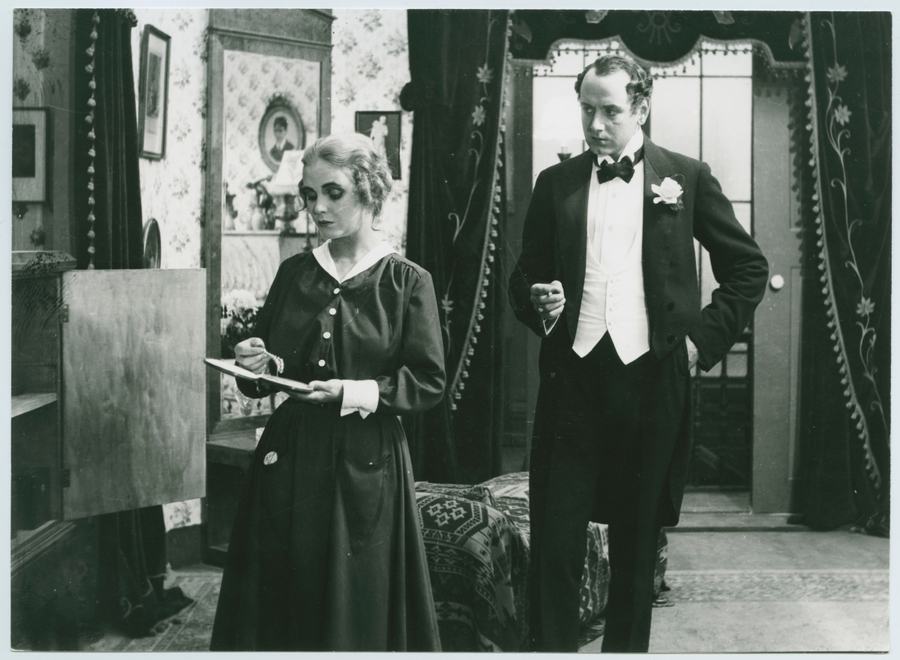
The film's protagonist, Violet, portrayed with an understated intensity by Mary Johnson, is initially presented as an archetypal figure of innocence and diligence. Employed as a maid within the grand, imposing residence of Count Berkow, her life is one of quiet service and unassuming routine. Af Klercker’s initial scenes deftly establish the rigid social hierarchy of the period, hinting at the precariousness of Violet’s position. The grandeur of the Count's estate, likely depicted with sweeping camera movements and meticulous set design, serves not just as a backdrop but as a silent antagonist, its opulence a stark contrast to Violet’s meager existence. The director masterfully uses these visual cues to foreshadow the impending tragedy, creating an atmosphere thick with an almost palpable sense of foreboding. It’s a subtle yet potent form of world-building, where the environment itself dictates the fate of its inhabitants, much like the claustrophobic societal confines explored in films such as The Hypocrites, where moral judgment looms large over individual lives.
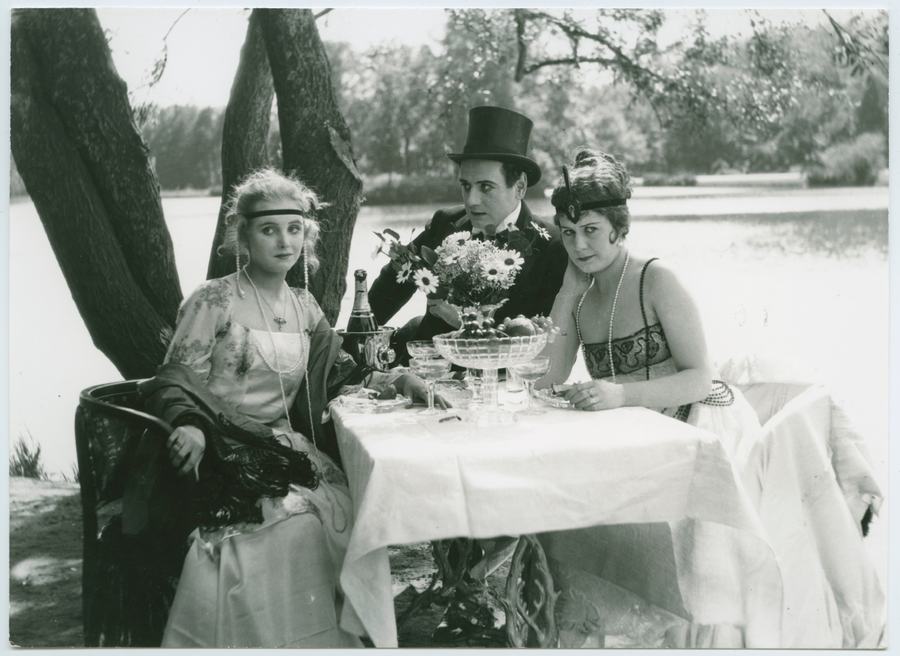
The pivotal moment, the turning point that shatters Violet’s world, arrives with the false accusation of burglary. This isn't merely a plot device; it's a brutal indictment of a justice system often swayed by status and appearance rather than truth. The film, through its visual narrative, likely portrays the swiftness and mercilessness with which Violet is apprehended and condemned. We are left to imagine the frantic gestures, the tearful pleas, the silent screams of a woman whose life is irrevocably altered by a lie. The injustice is visceral, a gut punch delivered without a single spoken word, relying instead on the expressive power of the actors and the stark framing of the scenes. This particular brand of societal condemnation and the subsequent struggle for vindication echo the narrative thrust of The Long Arm of the Law, where the very institutions meant to protect can become instruments of oppression.
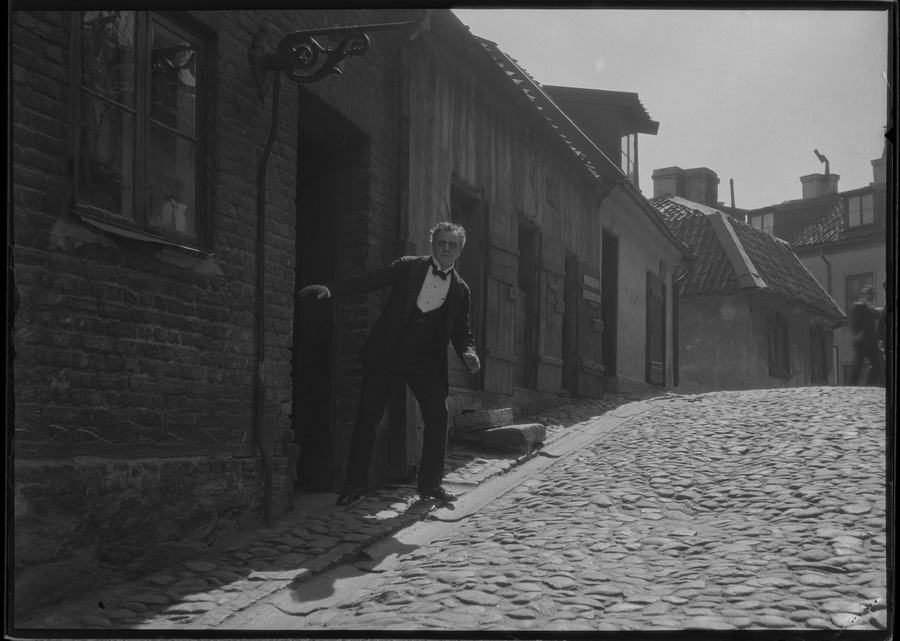
Violet’s subsequent prison sentence is not merely a consequence; it is a crucible. The film, in its unsparing depiction, would undoubtedly have focused on the dehumanizing aspects of incarceration. Imagine the cold, stark cells, the monotonous routines, the crushing weight of isolation, all conveyed through the subtle nuances of Johnson’s performance. Her transformation from a hopeful, perhaps naive, young woman into someone hardened by suffering, yet not entirely broken, would have been central to the film's emotional core. This period of her life, stripped of dignity and hope, serves as a powerful commentary on the punitive nature of justice and its long-lasting psychological scars. It is a narrative thread that resonates deeply with the despair and eventual resilience found in tales of profound personal struggle, much like the emotional turbulence explored in The Leap of Despair, albeit in a more literal sense of societal plummeting.
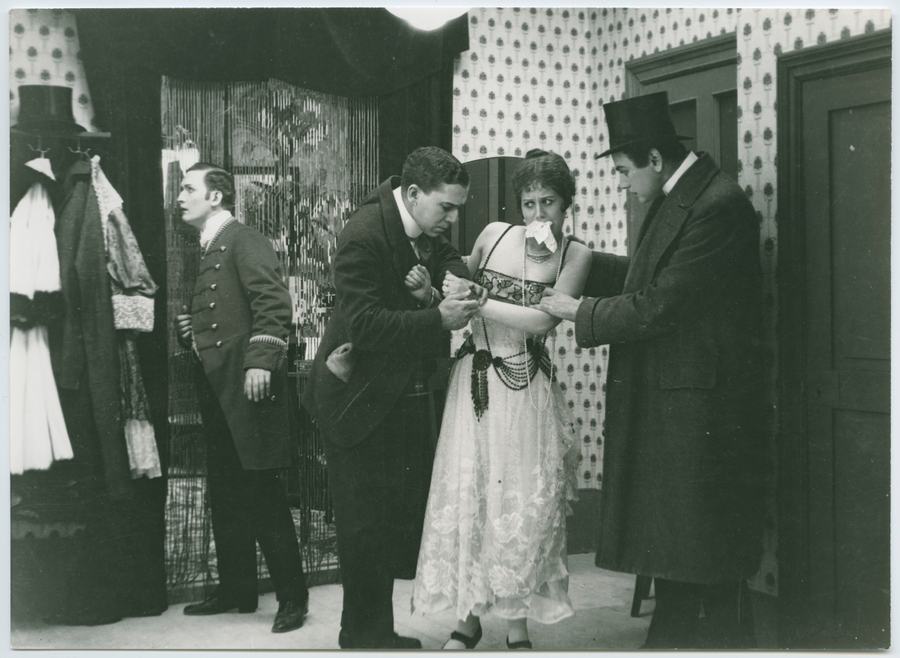
The decision to travel to America, post-imprisonment, is a profound act of defiance and a desperate reach for a new beginning. America, in the early 20th century, symbolized not just a geographical location but a philosophical concept: a land of opportunity, a blank slate where one could shed the burdens of the past. For Violet, it represents an escape from the indelible stain of her unjust conviction, a flight from a society that has judged and discarded her. The journey itself, likely depicted with the vastness of the ocean and the solitude of the voyage, underscores her isolation and her unwavering resolve. This transatlantic migration is not merely a change of scenery; it is a spiritual rebirth, a quest for self-reinvention in the face of insurmountable odds. This theme of seeking a fresh start after societal rejection finds a compelling parallel in the narrative of A Daughter of the City, where characters often navigate new urban landscapes to escape past traumas.
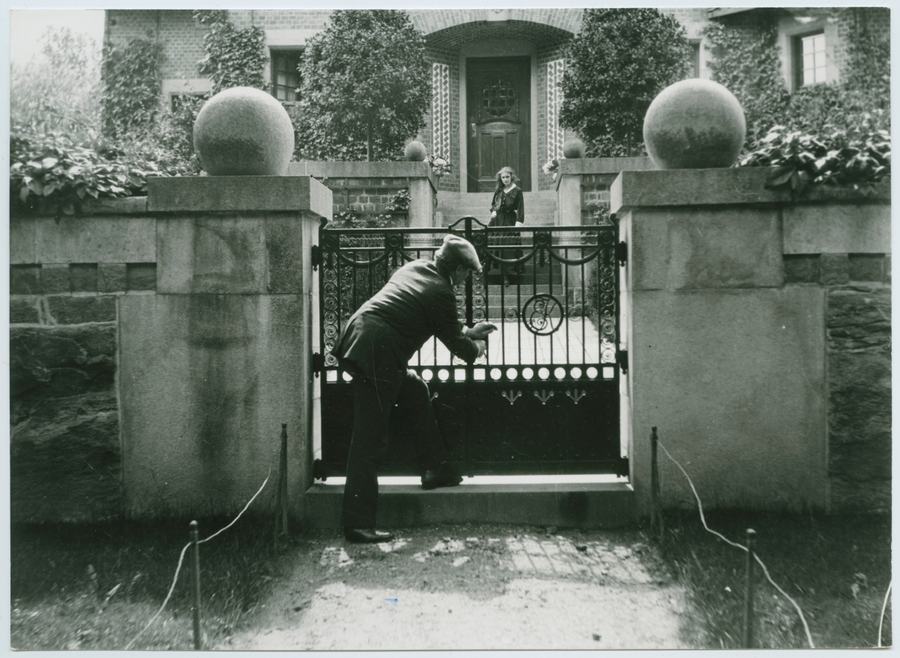
Georg af Klercker’s directorial prowess shines through in his ability to craft such a compelling narrative with the limited tools of silent cinema. His approach to visual storytelling would have relied heavily on dramatic chiaroscuro lighting, expressive close-ups, and carefully choreographed blocking to convey the complex emotional landscape of his characters. The film's aesthetic, characteristic of early Swedish cinema, often favored a naturalistic yet poetic style, allowing the stark beauty of the landscapes or the grim reality of the urban environment to amplify the internal struggles of the protagonists. The interplay of light and shadow, the subtle shifts in facial expressions, and the deliberate pace would have drawn the audience deep into Violet’s plight, fostering a profound empathy without the need for spoken exposition. This mastery of visual nuance for emotional impact can be compared to the evocative cinematography seen in films like The Raven, where atmosphere and visual cues carry significant narrative weight.
Mary Johnson's performance as Violet is undoubtedly the linchpin of the film. In the silent era, actors were titans of physical and emotional expression, their entire being a conduit for the narrative. Johnson, a celebrated actress of her time, would have imbued Violet with a quiet dignity, a simmering resentment, and an unyielding spirit. Her eyes, often magnified in close-ups, would have conveyed volumes of unspoken pain and resolve. The subtle tremor of a hand, the slump of shoulders, or the determined set of her jaw would have communicated the profound weight of her ordeal and her unwavering determination to survive. It is through such nuanced portrayals that silent films transcend their lack of dialogue, becoming universal stories understood through the language of the human body and soul. The emotional depth required for such a role is immense, paralleling the demanding character studies found in films like The Blindness of Love, where inner turmoil drives the external narrative.
The supporting cast, including Carl Barcklind as Count Berkow and Victor Arfvidson, would have played crucial roles in fleshing out the world around Violet. Barcklind's portrayal of the Count, whether he is the true villain or merely a complacent figurehead, would have been key to establishing the source of Violet's misfortune. The film's strength lies not just in its central performance but in how the ensemble contributes to the overall atmosphere of societal indifference or outright malice. Each character, however minor, would have served to either perpetuate Violet’s suffering or, perhaps, offer fleeting moments of kindness, further highlighting the harsh realities she faces. This collective contribution to the narrative's emotional landscape is vital, reminiscent of the intricate character dynamics found in dramas like Lady Windermere's Fan, where every player contributes to the unfolding social commentary.
Beyond its immediate plot, Nattens barn functions as a potent piece of social commentary. It critiques the fragility of reputation, the ease with which a person can be discarded by society, and the insidious nature of class prejudice. In an era marked by significant social upheaval and growing awareness of workers' rights, a film that dares to portray the unjust suffering of a working-class individual at the hands of the elite would have resonated deeply with audiences. It’s a timeless narrative, one that continues to provoke thought about systemic inequalities and the often-unseen struggles of the marginalized. The film’s exploration of justice, or the lack thereof, is particularly poignant, serving as a mirror to societal failings that, regrettably, persist in various forms even today. This critical lens on societal structures and individual struggles is a hallmark of thought-provoking cinema, akin to the detailed societal critiques found in The Battle Cry of Peace, which, while different in scope, also aimed to stir public consciousness.
The enduring legacy of Nattens barn lies in its ability to transcend its historical context and speak to universal human experiences. The themes of false accusation, unjust punishment, and the arduous journey toward a new life are as relevant now as they were over a century ago. It reminds us of the power of cinema to not only entertain but to provoke, to challenge, and to foster empathy for those who have been wronged. Af Klercker’s film, therefore, is not merely a relic of a bygone era; it is a vibrant, living piece of art that continues to resonate with its poignant portrayal of human resilience in the face of overwhelming adversity. Its place in the pantheon of silent film is well-deserved, a testament to the talent and vision of its creators.
In its quiet determination, its melancholic beauty, and its stark portrayal of an individual fighting against the currents of fate, Nattens barn offers a compelling cinematic experience. It is a film that demands reflection, urging viewers to consider the nature of justice, the strength of the human spirit, and the perpetual hope for a brighter future, even after the darkest of nights. It serves as a powerful reminder of how profound stories can be told without a single uttered word, relying instead on the universal language of emotion and visual poetry.

IMDb 6.3
1931
Community
Log in to comment.