DbcultAccessing Vault...
5.3/10
Senior Film Conservator
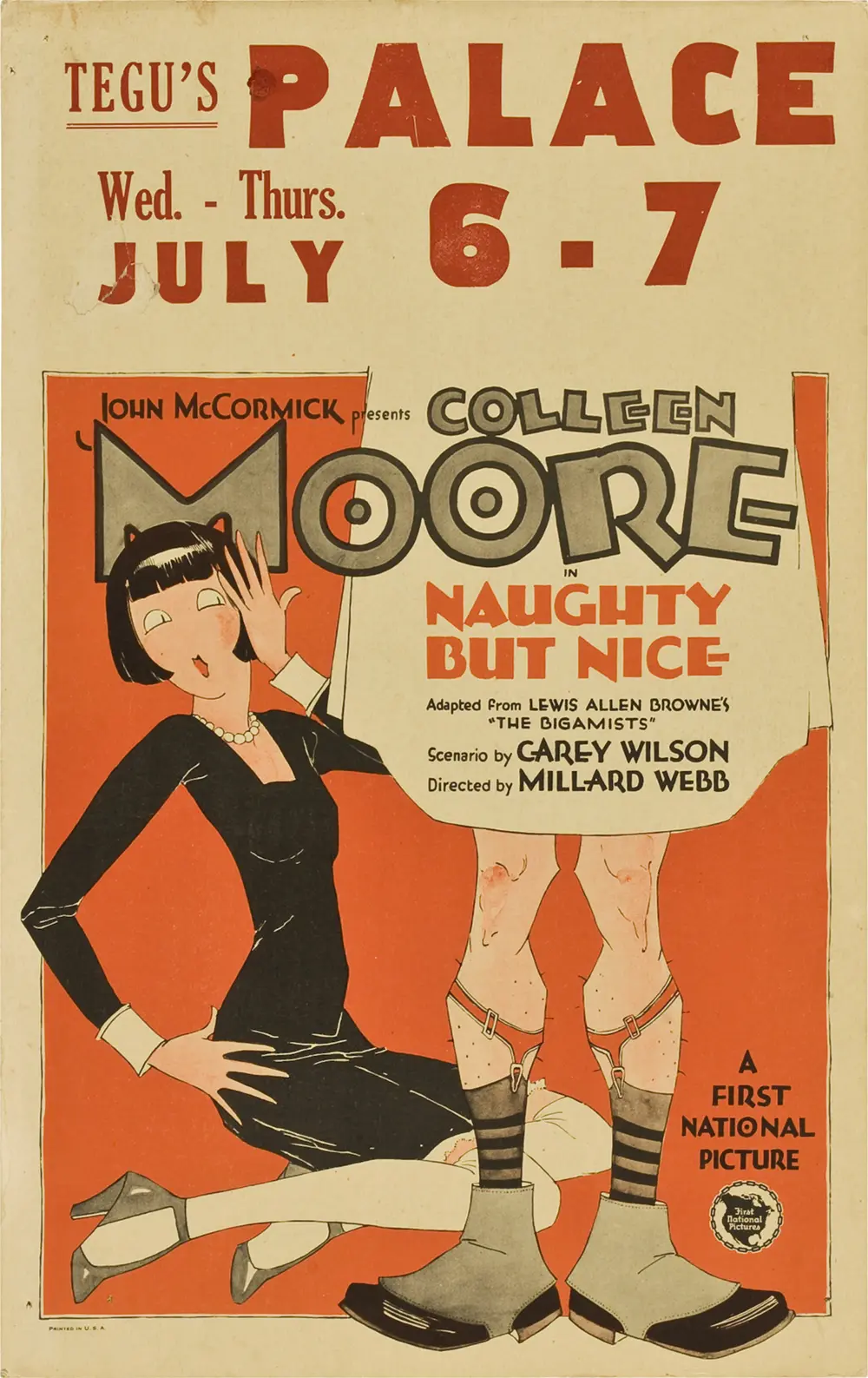
A definitive 5.3/10 rating for a film that redefined the boundaries of cult cinema. Naughty But Nice remains a cornerstone of transgressive art.
Is 'Naughty But Nice' worth seeking out in the modern age? Short answer: yes, absolutely, especially for those fascinated by the vibrant, often audacious spirit of silent-era comedies and the magnetic charisma of its leading lady, Colleen Moore.
This film is a delightful, if occasionally uneven, dive into the social mores and comedic stylings of the late 1920s. It’s a treat for silent film enthusiasts, fans of early screwball sensibilities, and anyone interested in the foundational elements of character-driven comedy. However, it may not resonate with viewers who demand modern pacing, complex, nuanced narratives, or who are entirely unfamiliar with the conventions of the silent era without historical context.
Before we delve deeper, let's establish some ground rules for 'Naughty But Nice':
This film works because: Colleen Moore delivers a star-making, nuanced performance that captures both the awkwardness and burgeoning confidence of her character. The comedic timing, particularly in its physical aspects, is often sharp and genuinely funny, and the film touches upon surprisingly progressive themes of class and female agency for its era.
This film fails because: Its pacing, typical of the silent era, can feel languid in parts to a contemporary audience, and some comedic tropes have inevitably dated. The supporting characters, while functional, often lack the depth needed to truly elevate the narrative beyond Moore’s central performance.
You should watch it if: You appreciate the unique artistry of silent cinema, enjoy character-driven comedies with a strong lead, or are keen to witness a true Hollywood star at the peak of her early career, defining an entire cultural archetype.
At its core, 'Naughty But Nice' is a classic fish-out-of-water tale, elevated by the vivacity of its star. We are introduced to Berenice Summers, a young woman whose country upbringing has left her wonderfully unsophisticated but woefully unprepared for the cutthroat world of the urban elite. Her narrative arc is triggered by an almost fairy-tale event: the discovery of oil on her Uncle Seth’s land. This sudden, immense wealth acts as a golden key, unlocking doors to a society Berenice never knew existed, and perhaps, never truly wanted to.
Her forced enrollment in a prestigious boarding school serves as the primary arena for her initial struggles. Here, Berenice grapples not just with etiquette and academic rigor, but with the insidious cruelty of her well-heeled classmates. The film deftly portrays the subtle, and not-so-subtle, snobbery that defines this new environment. It’s a world where social standing is paramount, and Berenice, with her awkward charm and country manners, is an easy target for ridicule.
The turning point, as the plot unfolds, is a public humiliation orchestrated by Paul Carroll, a local wise-guy whose arrogance perfectly embodies the disdain Berenice faces. This isn't merely a plot device; it's a character-defining moment. It’s the spark that ignites Berenice’s transformation, promising a shift from passive victim to an assertive, perhaps even 'naughty,' participant in her own destiny. The film, even in its early stages, hints at a deeper exploration of resilience and self-discovery beneath the comedic surface.
Colleen Moore's performance as Berenice Summers is, without hyperbole, the beating heart of 'Naughty But Nice.' She doesn't just play a character; she embodies an era. Moore, famous for popularizing the flapper haircut and persona, brings an incredible range to Berenice, navigating the character's journey from wide-eyed naiveté to budding sophistication with remarkable grace and comedic timing.
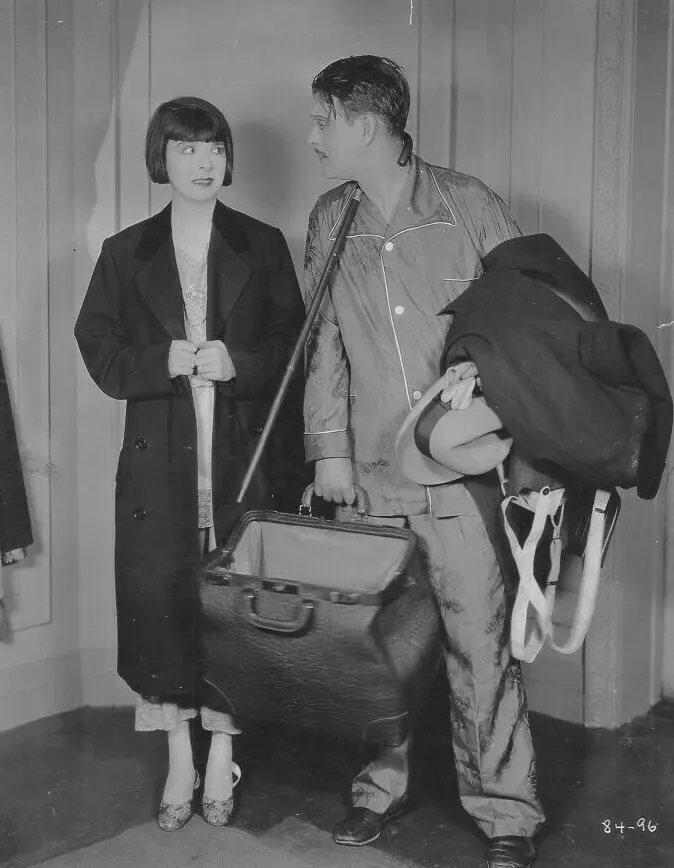
Her initial portrayal of Berenice is a masterclass in physical comedy. We see her clumsiness, her ill-fitting clothes, her wide, expressive eyes conveying a mixture of wonder and bewilderment. There’s a particular scene where she attempts to mimic the sophisticated gestures of her classmates, resulting in a charmingly awkward sequence that elicits genuine laughter, not just pity. Moore understands that true comedy often stems from vulnerability.
What truly elevates Moore’s performance, however, is her ability to convey internal shifts without a single spoken word. The transition from Berenice’s initial humiliation to a quiet, simmering resolve is palpable. Her eyes, once so open and innocent, begin to hold a newfound determination. This isn't a sudden, unearned transformation; it’s a gradual awakening, expertly telegraphed through subtle changes in posture, gaze, and the way she carries herself. It’s a testament to her acting prowess that even in a silent film, the audience feels a deep connection to her emotional journey.
Moore’s Berenice is not just a character; she’s an archetype, arguably more influential than Clara Bow’s 'It' Girl in shaping the public perception of the flapper – less about raw sex appeal and more about independent spirit and playful rebellion. Her work here, much like in The Red-Haired Cupid, solidified her status as a vibrant, relatable star, capable of both broad comedy and understated pathos. She makes Berenice someone you actively root for, a rare feat for a character who starts as a perpetual underdog.
The filmmaking in 'Naughty But Nice' provides a fascinating window into the visual storytelling techniques of the late silent era. While often overshadowed by its star, the direction, presumably by Malcolm St. Clair, alongside the cinematography, effectively captures the effervescent spirit of the Roaring Twenties and the stark contrast between rural simplicity and urban opulence.
The visual language of the film is straightforward but effective. Shots of Berenice in her country attire, often framed against natural, unadorned backdrops, starkly contrast with the elaborate sets of the boarding school and high society events. The costume design, in particular, plays a crucial role, meticulously showcasing the evolving fashion of the era. Berenice’s initial dowdy dresses are a visual shorthand for her social standing, making her later transformation into a stylish flapper all the more impactful.
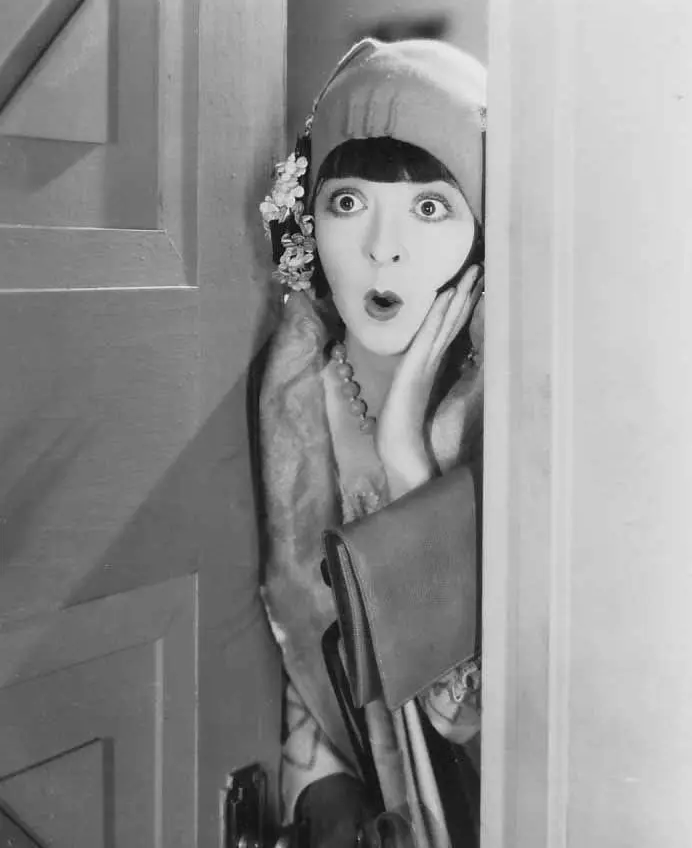
The camera work, while not groundbreaking by today's standards, is competent and serves the narrative well. There are moments of effective close-ups, particularly on Moore's expressive face, which allow the audience to intimately connect with her emotional state. The editing maintains a generally brisk pace for a silent film, particularly during the more comedic sequences, ensuring that gags land with appropriate timing. The writers, Carey Wilson and Lewis Allen Browne, craft a narrative that, while simple, provides ample opportunity for visual humor and character development, which the production team capitalizes on.
One could argue that the film's visual style, while period-appropriate, doesn't push the boundaries of cinematic artistry in the way some contemporaries like Autour de la roue or even The Mysteries of Souls might have. However, its strength lies in its clarity and its ability to clearly communicate the story and its emotional beats, allowing Moore's performance to truly shine without distraction.
Discussing the pacing of a silent film invariably brings us to the inevitable comparison with modern cinema. 'Naughty But Nice,' like many of its contemporaries, operates on a rhythm that can feel deliberate, even slow, to viewers accustomed to the rapid-fire editing and constant narrative propulsion of today's movies. There are sequences that linger, allowing the audience to absorb the visual information, the character's reactions, and the comedic beats without haste.
This isn't necessarily a flaw, but rather a characteristic of the era. The build-up to Berenice’s social awakening, for instance, is not rushed. We spend ample time witnessing her discomfort and the slights she endures. This extended period allows the audience to truly empathize with her plight, making her eventual defiance all the more satisfying. A modern film might truncate these moments, but 'Naughty But Nice' allows them to breathe, building a stronger foundation for the character's arc.
The tone of the film is predominantly light-hearted and comedic, but it's not without its moments of genuine pathos. The humiliation scene, in particular, carries a weight that transcends simple slapstick. It’s a moment that could easily veer into melodrama, but the film pulls back, using it as a catalyst for growth rather than an indulgence in suffering. This balance of humor and emotional sincerity is one of the film’s quiet strengths. It works. But it’s flawed.
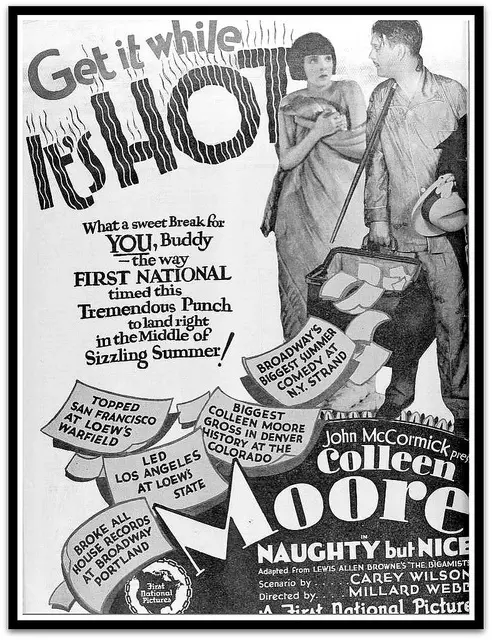
While 'Naughty But Nice' is undeniably a vehicle for Colleen Moore, the supporting cast plays their part in populating Berenice’s world, even if their characters rarely transcend their archetypal functions. Burr McIntosh, as Uncle Seth, serves as the benevolent, if somewhat bewildered, catalyst for Berenice’s social ascent. He’s the classic ‘country bumpkin makes good’ figure, providing a grounding force for Berenice’s rural origins.
Donald Reed, as Paul Carroll, embodies the antagonist with a sneering arrogance that makes him an effective foil. He’s the embodiment of the privileged elite, and his character exists primarily to provide the impetus for Berenice’s defiance. While not a deeply complex villain, he serves his purpose in driving the plot forward and giving Berenice a clear target for her burgeoning wit.
It's worth noting the early appearance of Loretta Young in a minor role. While her screen time is limited, it’s a fascinating glimpse into the nascent career of a future star. Her presence, even in a small capacity, adds a touch of historical intrigue for film buffs. The rest of the boarding school students and society figures are largely interchangeable, serving as a collective backdrop against which Berenice’s individuality can shine. They are caricatures, designed to highlight Berenice's authenticity in a world of artifice.
Yes, 'Naughty But Nice' is absolutely worth watching today.
It offers a unique historical perspective on early Hollywood comedy.
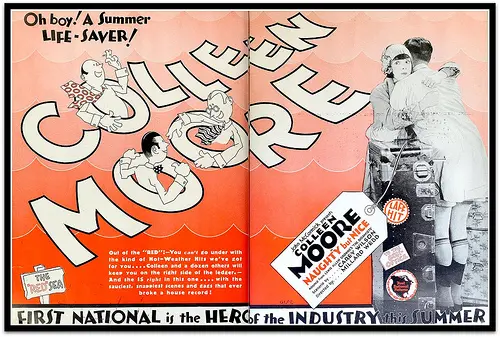
Colleen Moore's performance is captivating and timeless.
The film provides insights into 1920s social dynamics.
It's an enjoyable and often humorous experience.
Silent film enthusiasts will particularly appreciate its charm and historical value.
'Naughty But Nice' is far more than a dusty relic from a bygone era; it’s a vibrant, often hilarious testament to the enduring power of silent cinema and the star wattage of Colleen Moore. While its pacing and some dated elements require a degree of historical understanding from the viewer, the film rewards that patience with genuine charm, a relatable underdog story, and a central performance that is nothing short of captivating. It’s not a masterpiece of cinematic innovation, but it doesn’t aim to be. Instead, it offers a delightful, unpretentious slice of 1920s entertainment, proving that wit and character can transcend the limitations of time.
For those willing to embrace its silent language, Berenice Summers’ journey from gawky country girl to spirited flapper remains a thoroughly enjoyable and surprisingly relevant exploration of class, identity, and the thrill of finding one’s voice. It’s a film that reminds us why Colleen Moore was such a phenomenon, and why silent comedies, when done right, still possess an irresistible sparkle. Seek it out; you won't be disappointed.
IMDb —
1931
Community
Log in to comment.