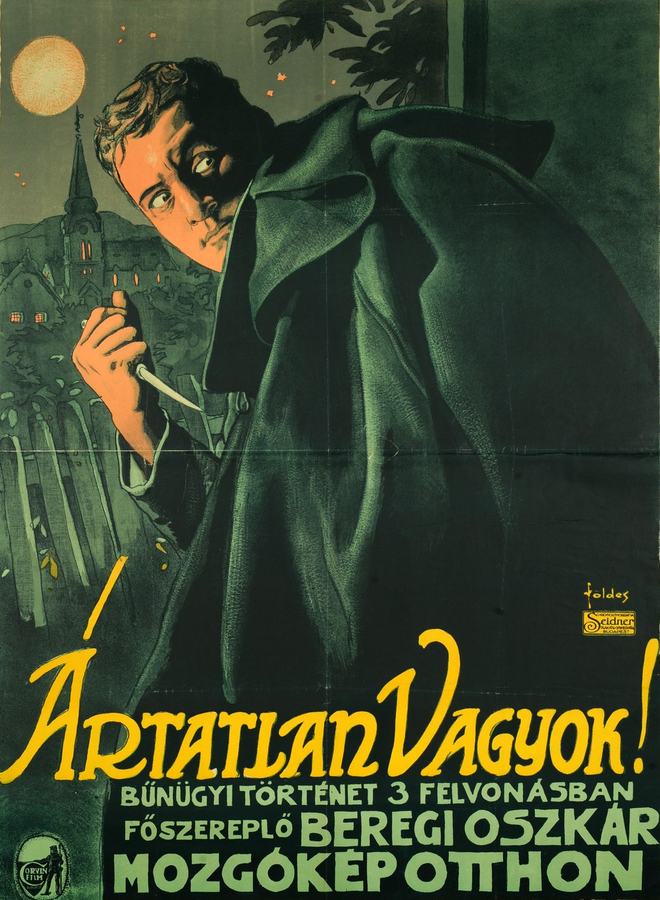
@media(max-width:600px){div>p,div>blockquote{font-size:0.95rem!important;}} The first time you witness Klára’s silhouette slicing across the candle-lit corridor of the Kolonics manor, you realise Ártatlan vagyok isn’t pleading innocence—it’s indicting the very notion. Director Adolf Mérey, adapting Balzac’s novella wi...
Comparing the cinematic DNA and archive impact of two defining moments in cult history.
Jenö Janovics
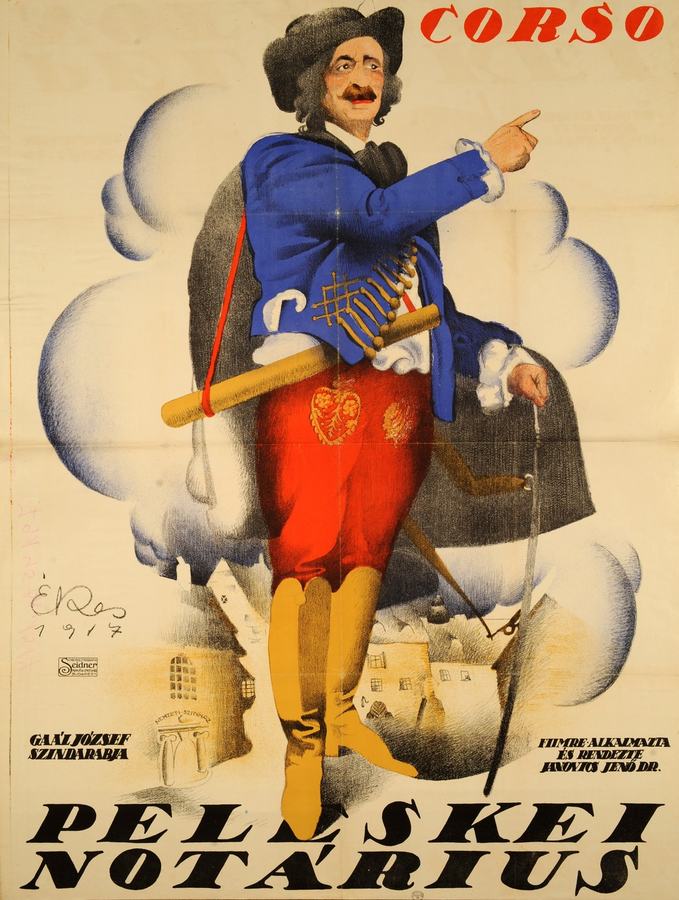
Jenö Janovics
Community
Log in to comment.
" @media(max-width:600px){div>p,div>blockquote{font-size:0.95rem!important;}} The first time you witness Klára’s silhouette slicing across the candle-lit corridor of the Kolonics manor, you realise Ártatlan vagyok isn’t pleading innocence—it’s indicting the very notion. Director Adolf Mérey, adapting Balzac’s novella with surgical ferocity, strips Hungarian gentry to its calcified marrow: land-rich, honour-poor, and addicted to mirrors that lie. Shot in the winter of 1916 while Europe cannibalis..."
Deep dive into the cult classic
Discover similar cinematic experiences
A Directorial Spotlight on Jenö Janovics