DbcultAccessing Vault...
6.3/10
Senior Film Conservator
A definitive 6.3/10 rating for a film that redefined the boundaries of cult cinema. Now You're Talking remains a cornerstone of transgressive art.
Is this 1927 instructional relic worth your modern attention span? Short answer: Yes, but strictly as a fascinating piece of industrial archaeology.
This film is for those who find beauty in the birth of tech etiquette and the early Fleischer aesthetic, but it is certainly not for anyone seeking a narrative thrill or a traditional cinematic arc.
1) This film works because: It captures the precise moment when human behavior had to be standardized to accommodate the limitations of new technology.
2) This film fails because: Its repetitive structure and patronizing tone reflect a 1920s corporate mindset that views the consumer as a potential breaker of toys.
3) You should watch it if: You are a student of animation history or a tech enthusiast who wants to see the 'iPhone manual' of the Jazz Age.
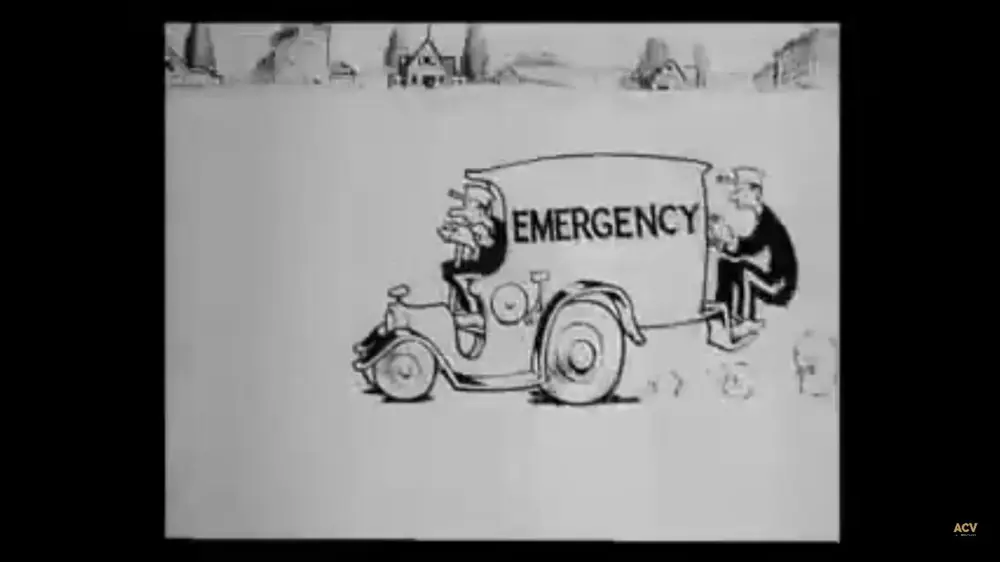
When we think of Max and Dave Fleischer, we usually think of Big Chief Koko or the surrealist landscapes of Betty Boop. However, 'Now You're Talking' shows a different side of their studio: the utilitarian side. It is a film that treats a desk phone with the same reverence a modern director might treat a high-end sports car.
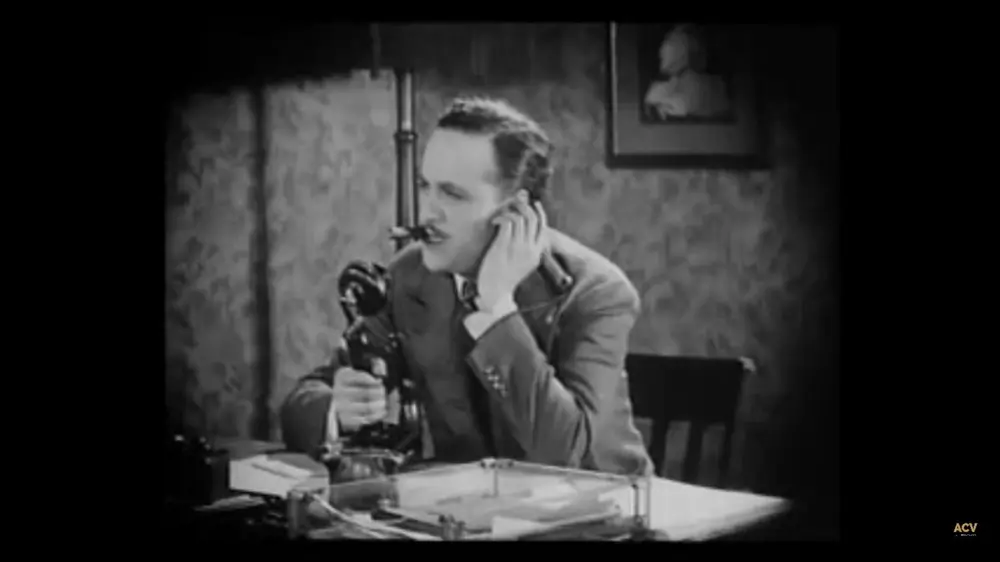
The film is surprisingly crisp. Dave Fleischer’s presence on screen isn't about acting in the traditional sense; it’s about demonstration. Every movement is deliberate. When he shows the 'wrong' way to handle the receiver, his movements are exaggerated, almost like a silent film villain trying to sabotage a bridge. It’s effective, even if it feels a bit silly today.
The cinematography is static, but the framing is tight. The focus is entirely on the object. In an era where films like The Right of Way were exploring complex human emotions, this film was teaching people how to not break their furniture. It is a stark reminder of how much 'learning' was required to live in the 20th century.
The upright 'candlestick' phone was a marvel of engineering, but it was also incredibly temperamental. The film spends a significant amount of time on the 'hook wiggle.' For the modern viewer, this seems like a minor grievance. But in 1927, wiggling that hook was the equivalent of spam-clicking a 'refresh' button on a frozen browser—it caused chaos at the central office.
There is a specific scene where the cord becomes a tangled mess. The way the camera lingers on the knots feels almost like a horror film. It suggests that a messy cord isn't just an eyesore; it’s a moral failing. This level of corporate discipline is fascinating to watch. It’s not just a guide; it’s a lecture on domestic order.
Compare this to the lightheartedness of His Jonah Day. While other films were trying to make you laugh, Bell Telephone was trying to make you a better cog in their machine. The contrast is jarring and brilliant. It makes you realize that even in the 1920s, technology was already starting to dictate how we moved our hands and spent our time.
Yes, if you view it as a time capsule. It provides a window into a world where the telephone was a guest in the house that required special care. It’s not 'entertainment' in the way Keep Smiling is, but it is deeply engaging as a social document.
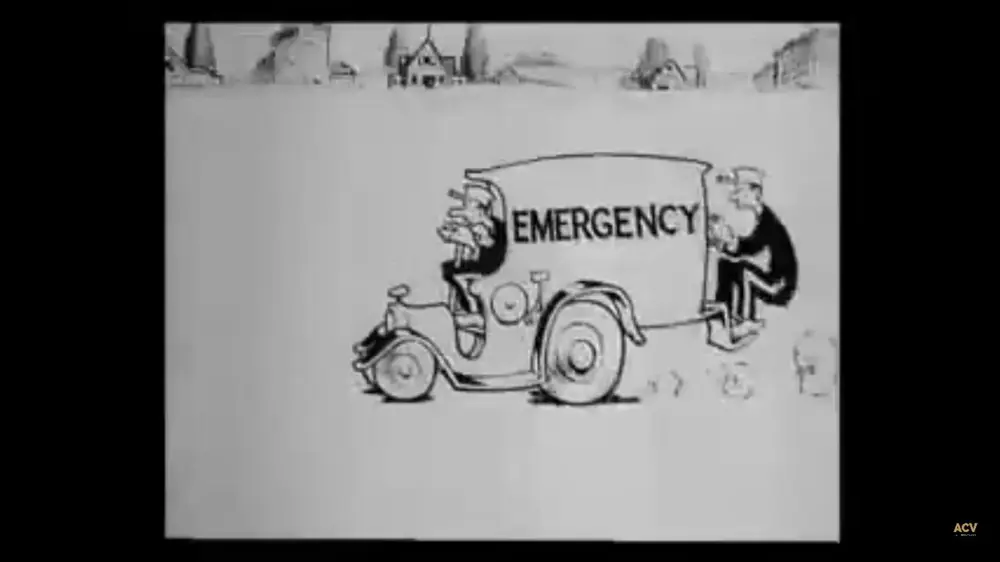
The film is short, punchy, and visually clear. It doesn't overstay its welcome. It does exactly what it sets out to do: it instructs. But through the lens of history, that instruction becomes a comedy of manners. Watching Dave Fleischer treat a phone like a fragile egg is high-tier physical comedy, even if it wasn't intended to be.
Pros: A rare look at early corporate filmmaking; excellent preservation of 1920s tech; Dave Fleischer's expressive physical performance.
Cons: Extremely narrow focus; lacks the artistic flair of other Fleischer works like Bowled Over; feels like a long commercial.
The most compelling part of the film is the 'Don't' sections. There is a specific shot of a hand splashing water near the phone. In 1927, this was likely a terrifying prospect for the Bell System. The way the film highlights the vulnerability of the device is almost touching. It treats the telephone as a living thing that can be hurt by human carelessness.
This is where the Fleischer influence is most visible. Even in a dry instructional film, there is a sense of rhythm to the editing. The cuts between the 'wrong' action and the 'right' action are timed with a precision that hints at their background in animation. They understood how to guide the eye, whether it was following a cartoon dog or a telephone cord.
It works. But it’s flawed. The flaw lies in the assumption that the audience is inherently clumsy. It’s a very 'top-down' style of communication that you don't see as much in modern tech ads, which prefer to tell you how 'intuitive' their devices are. In 1927, the message was clear: the device is perfect, and you are the problem.
'Now You're Talking' is a fascinating, if somewhat dry, artifact of the industrial age. It lacks the whimsical spirit of Big Chief Koko, but it makes up for it with a strange, hypnotic focus on the mundane. It is a film about the friction between humans and their machines.
If you have ten minutes and an interest in how we used to live, it’s a worthy watch. Just don't expect it to change your life—unless you still happen to use an upright desk telephone from the twenties. In that case, keep your water away from it.
IMDb —
1916
Community
Log in to comment.