DbcultAccessing Vault...
6.9/10
Senior Film Conservator
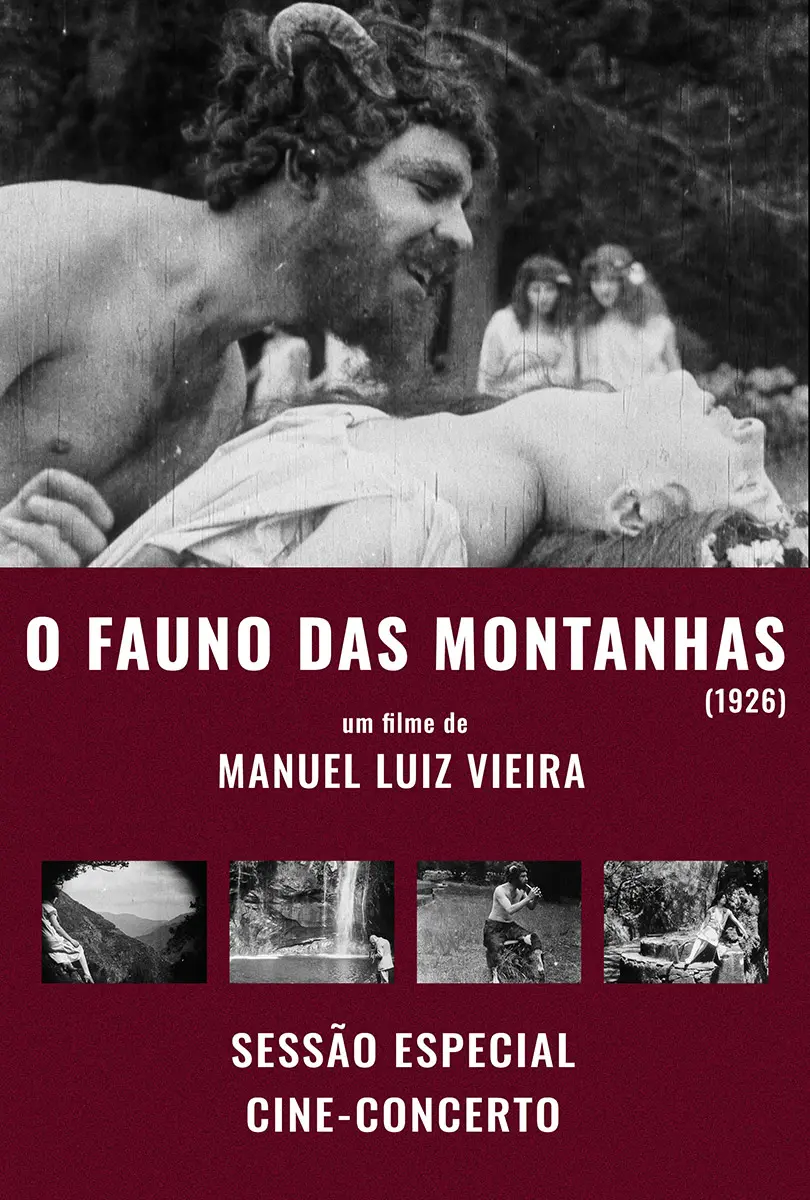
A definitive 6.9/10 rating for a film that redefined the boundaries of cult cinema. O Fauno das Montanhas remains a cornerstone of transgressive art.
Is O Fauno das Montanhas worth your time today? The short answer is a qualified yes, but only if you approach it with specific expectations. This is a film crafted for those who appreciate slow-burn psychological horror and atmospheric dread over jump scares and clear narratives, making it decidedly not for viewers seeking straightforward thrills or conventional plot resolution.
It’s a peculiar, almost hypnotic experience, one that lingers long after the credits roll, not because of its narrative clarity, but due to its unsettling mood and the questions it deliberately leaves unanswered. This film works because it commits wholeheartedly to its unsettling premise, creating an atmosphere so thick with dread you could almost taste the damp, wintery air of Madeira. It fails, however, in its often glacial pacing and a deliberate ambiguity that, for some, will cross the line from intriguing mystery to outright frustration. You should watch it if you are a cinephile with a penchant for early psychological thrillers, European art house cinema, or anyone fascinated by the intersection of folklore and mental distress.
O Fauno das Montanhas plunges us into a winter landscape that feels both breathtakingly beautiful and inherently menacing. The premise is deceptively simple: a young girl, Jenny, her botanist father, and a local guide traverse the rugged terrain of Madeira. Yet, from the outset, there’s an undercurrent of unease. The island itself, with its ancient forests and mist-shrouded peaks, becomes a character, a silent observer to Jenny’s escalating distress.
The film doesn't waste time on exposition, preferring to immerse us directly into Jenny's subjective experience. We see the world through her increasingly fractured perception. The journey isn't just physical; it's a descent into the labyrinth of her mind, where the lines between the tangible and the imagined begin to blur with terrifying fluidity. The father, focused on his scientific pursuits, seems oblivious, or perhaps willfully ignorant, of the psychological battle raging within his daughter.
This deliberate narrative choice places the burden of interpretation squarely on the audience. Is Jenny genuinely under attack from a supernatural entity, a faun embodying the wild, untamed spirit of the mountains? Or is her mind succumbing to the isolation, the unfamiliar environment, and perhaps a latent psychological vulnerability? The film never offers an easy answer, a decision that will undoubtedly divide viewers. For me, this ambiguity is a bold, albeit challenging, artistic statement.
The central enigma of O Fauno das Montanhas is, of course, the faun itself. The plot explicitly states Jenny imagines attacks by the native man, who appears as this mythical creature in her visions. This isn't just a simple monster-in-the-woods tale; it’s a profound exploration of how fear, cultural unfamiliarity, and perhaps even subconscious prejudice can distort reality. The faun isn't merely a beast; it's a symbol, a psychological construct. It represents the 'other,' the wild, the untamed aspects of both nature and the human psyche.
Manuel Luís Vieira, as writer, cleverly uses this mythological figure to tap into deeper anxieties. The faun, traditionally a creature of mischief and primal urges, here becomes a terrifying, predatory force. It’s a brilliant stroke to link this to the local guide, suggesting that Jenny’s visions are not just random hallucinations but perhaps a manifestation of her own anxieties about the unfamiliar, the indigenous, and the wildness of the landscape itself. This adds a layer of uncomfortable social commentary, hinting at the colonial gaze and the fear of the unknown that often accompanies foreign exploration.
The film doesn’t just show us the faun; it shows us Jenny’s *reaction* to it. Her wide, unnerved eyes in the dimly lit cottage, the sudden gasps, the frantic scanning of the tree line – these are the true horrors, as they reflect a mind losing its grip. The faun is less a physical threat and more a psychological terror, a harbinger of Jenny's unraveling sanity. It's a testament to the film's craft that this unseen or barely seen entity can feel so palpably menacing.
For a film so reliant on atmosphere and internal states, the performances are crucial. Maria da Nazaré Nunes da Silva Gouveia, as Jenny, carries the weight of the film on her young shoulders, and largely succeeds. Her portrayal of Jenny's escalating paranoia and terror is nuanced, avoiding histrionics in favor of a quiet, creeping dread. A particular moment that stands out is a scene where she sits by a window, staring out into the fog, her face a mask of subtle, evolving fear – a masterclass in conveying internal struggle without dialogue.
Arnaldo Coimbra, as the botanist father, embodies a certain detached intellectualism. His focus on scientific observation contrasts starkly with Jenny's subjective horror. He plays the role with a convincing air of paternal concern, yet also a frustrating blindness to the true nature of his daughter’s suffering. This dynamic creates a compelling tension, highlighting the chasm between rational thought and irrational fear.
George A. Gordon, as the local guide, is a study in stoicism. His presence is understated, yet powerful. He embodies the very 'native man' figure Jenny hallucinates into a faun, making his quiet demeanor all the more unsettling. The film wisely keeps his character somewhat enigmatic, allowing the audience to project their own interpretations onto him, much like Jenny does. Ermelinda Vieira, though perhaps in a smaller role, contributes to the ensemble, grounding the narrative in a sense of local reality that Jenny's visions distort.
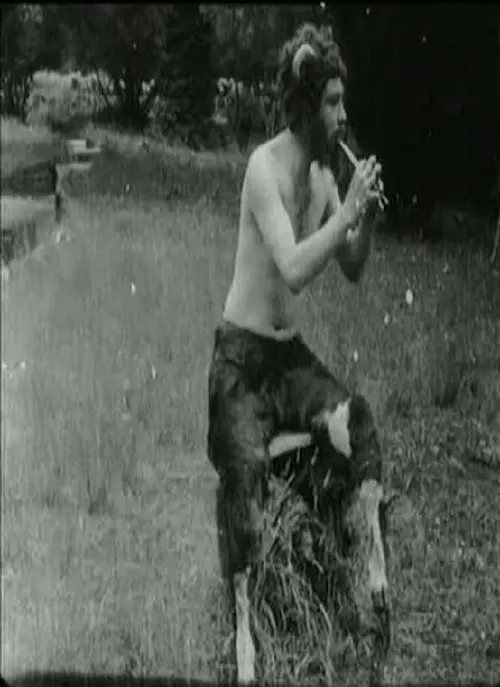
Manuel Luís Vieira's direction is a patient, deliberate affair. He understands that true horror often lies in what is unseen or implied. The camera often lingers on the desolate landscapes of Madeira, using wide shots to emphasize Jenny's isolation, then cutting to tight close-ups of her face, mirroring her internal claustrophobia. The visual storytelling is paramount, almost reminiscent of early German Expressionist films in its ability to convey mood through stark imagery, though with a distinct Portuguese sensibility.
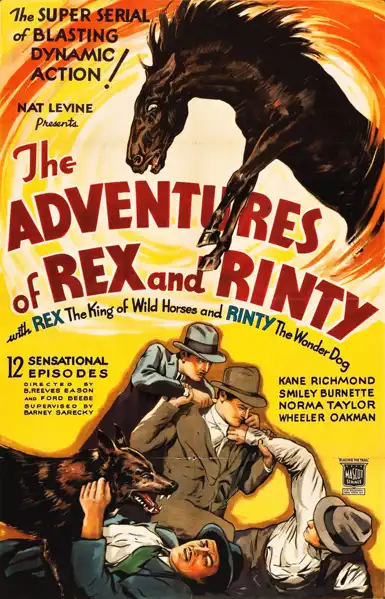
The cinematography is a standout element. The use of natural light, often muted and grey, perfectly captures the wintery, melancholic atmosphere. There's a particular sequence featuring mist rolling over the mountains, which, under Vieira's lens, transforms from a picturesque natural phenomenon into something deeply ominous. This film doesn't rely on flashy effects; instead, it uses the raw beauty and inherent eeriness of its setting to build its suspense. It’s a stark contrast to the more overtly dramatic visual flair of something like Pirates of the Sky, opting instead for a quiet, creeping dread.
The pacing, while slow, is a deliberate choice. Vieira allows scenes to breathe, letting the discomfort settle in. This can be challenging for modern audiences accustomed to faster cuts and immediate gratification, but it’s essential for the film’s psychological impact. It forces you to sit with Jenny's unease, to feel the isolation and the creeping madness alongside her. This artistic commitment to atmosphere over action is a hallmark of the film's unique identity.
The pacing of O Fauno das Montanhas is not for everyone. It is unequivocally a slow-burn. This isn't the kind of film that grabs you by the collar and drags you through a series of escalating events. Instead, it slowly, almost imperceptibly, tightens its grip. Scenes unfold with a measured deliberateness, allowing the audience to absorb the atmosphere and Jenny's internal state. This can be both its greatest strength and its most significant hurdle for viewers.
For those who appreciate this style, the gradual build-up of tension is immensely rewarding. It allows the psychological horror to truly sink in, making Jenny's visions feel more profound and disturbing. The film’s tone is consistently unsettling, melancholic, and deeply ambiguous. There are no moments of levity, no clear-cut explanations, just a pervasive sense of unease that permeates every frame. It demands patience. But it’s flawed.
This deliberate crawl, however, can also lead to moments where the narrative feels stagnant, where the audience might yearn for a clearer direction or a more tangible threat. Some might find themselves checking their watch, frustrated by the lack of conventional plot progression. It’s a film that asks you to surrender to its rhythm, to embrace the discomfort of uncertainty. If you struggle with films that prioritize mood over plot, this will be a trying experience. It’s a far cry from the more propulsive narrative of Brave and Bold, for instance, and aligns more with the contemplative, often challenging, European cinema of its era.
Yes, but with significant caveats. O Fauno das Montanhas offers a unique, unsettling experience for specific audiences. It is a historical piece, showcasing a particular style of psychological horror from its era.
Its strength lies in its atmospheric power and its bold commitment to ambiguity. It encourages deep thought about perception, fear, and folklore. However, its slow pace and lack of clear resolution can be frustrating for many. It's not a film for casual viewing.
If you are a student of cinema, a fan of experimental horror, or someone who relishes a film that challenges rather than comforts, then it absolutely warrants a watch. If you prefer modern, fast-paced horror with clear narratives and resolutions, you will likely find it tedious.
Pros:
- Unforgettable Atmosphere: The wintery Madeira setting is utilized brilliantly, creating a sense of isolation and dread that is palpable.
- Intriguing Psychological Depth: Explores themes of perception, madness, and the power of suggestion with a rare commitment.
- Strong Central Performance: Maria da Nazaré Nunes da Silva Gouveia delivers a compelling portrayal of Jenny's unraveling mind.
- Artful Direction and Cinematography: Manuel Luís Vieira crafts a visually striking film that uses its environment as a key storytelling tool.
- Thought-Provoking Ambiguity: Challenges the audience to interpret events, fostering discussion and deeper engagement.
Cons:
- Extremely Slow Pacing: The film's deliberate speed will test the patience of many viewers, potentially leading to disengagement.
- Excessive Ambiguity: While a strength for some, the lack of clear answers or resolution can be frustrating and unsatisfying for others.
- Limited Character Development: Beyond Jenny, characters serve more as archetypes or catalysts for her visions rather than fully fleshed-out individuals.
- Potential for Misinterpretation: The film’s themes, particularly around the 'native man' as the faun, could be seen as problematic if not carefully considered within the context of Jenny's subjective, troubled mind.
- Dated Elements: While part of its charm, certain stylistic choices or narrative conventions might feel somewhat antiquated to modern audiences, especially those accustomed to contemporary horror.
O Fauno das Montanhas is not a film that seeks to entertain in a conventional sense. It aims to disturb, to provoke, and to linger. It is a testament to the power of atmosphere and suggestion over explicit scares. While its deliberate pace and profound ambiguity will undoubtedly alienate a significant portion of its potential audience, for those with the patience and inclination for a more contemplative, unsettling experience, it offers a fascinating glimpse into early psychological horror.
It stands as a unique, if challenging, piece of cinema, using the stark beauty of Madeira to mirror an internal landscape of fear and delusion. It might not be a 'masterpiece' in the popular sense, but it is undeniably a significant, thought-provoking work that warrants rediscovery by serious film enthusiasts. Approach it not as a conventional horror film, but as a chilling, unsettling psychological portrait painted with the bleak palette of a Madeiran winter, and you might just find yourself haunted by its quiet, persistent dread.
IMDb 6.2
1935
Community
Log in to comment.