DbcultAccessing Vault...
6.8/10
Senior Film Conservator
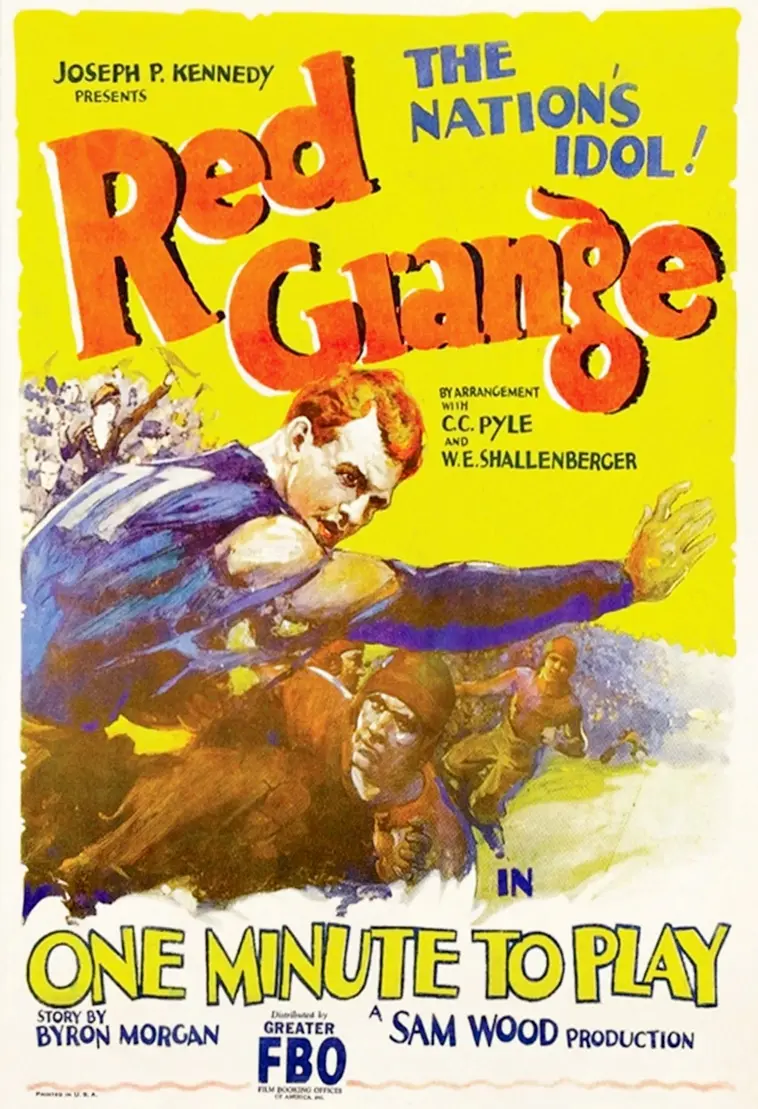
A definitive 6.8/10 rating for a film that redefined the boundaries of cult cinema. One Minute to Play remains a cornerstone of transgressive art.
Is 1926’s One Minute to Play worth watching today? Short answer: Yes, but primarily as a masterclass in the birth of the American sports hero archetype. This film is a mandatory watch for cinema historians and football fanatics who want to see the 'Galloping Ghost,' Harold 'Red' Grange, in his natural element, but it is certainly not for those who require narrative nuance or fast-paced modern editing.
Before we dive into the dusty archives of 1920s collegiate life, let’s establish the ground rules for this viewing experience. This is a film that relies heavily on the charisma of its lead, a man who was a household name before he ever stepped onto a film set.
To answer the question of modern relevance: yes, but with a massive asterisk. One Minute to Play isn't just a movie; it is a cultural artifact. In the same way that The Perfect Flapper defined the social mores of the decade, this film defined the cinematic language of sport.
If you are looking for a complex character study, you will be disappointed. If you are looking for a film that captures the sheer kinetic energy of a 1920s stadium, you are in the right place. The game footage is remarkably clear for its age, and Sam Wood’s direction ensures that the geography of the field remains understandable, a feat many modern directors still struggle with.
It works. But it’s flawed. The pacing in the second act drags as it tries to balance the romance with the father-son drama, yet the final ten minutes are as electric as anything you’ll find in silent cinema.
Harold 'Red' Grange was the Michael Jordan of his era. When he signed on for One Minute to Play, he wasn't expected to be a great actor; he was expected to be 'Red.' Surprisingly, Grange possesses a naturalism that many stage-trained actors of the 1920s lacked. While his co-stars often lean into the exaggerated pantomime typical of the era, Grange remains relatively grounded.
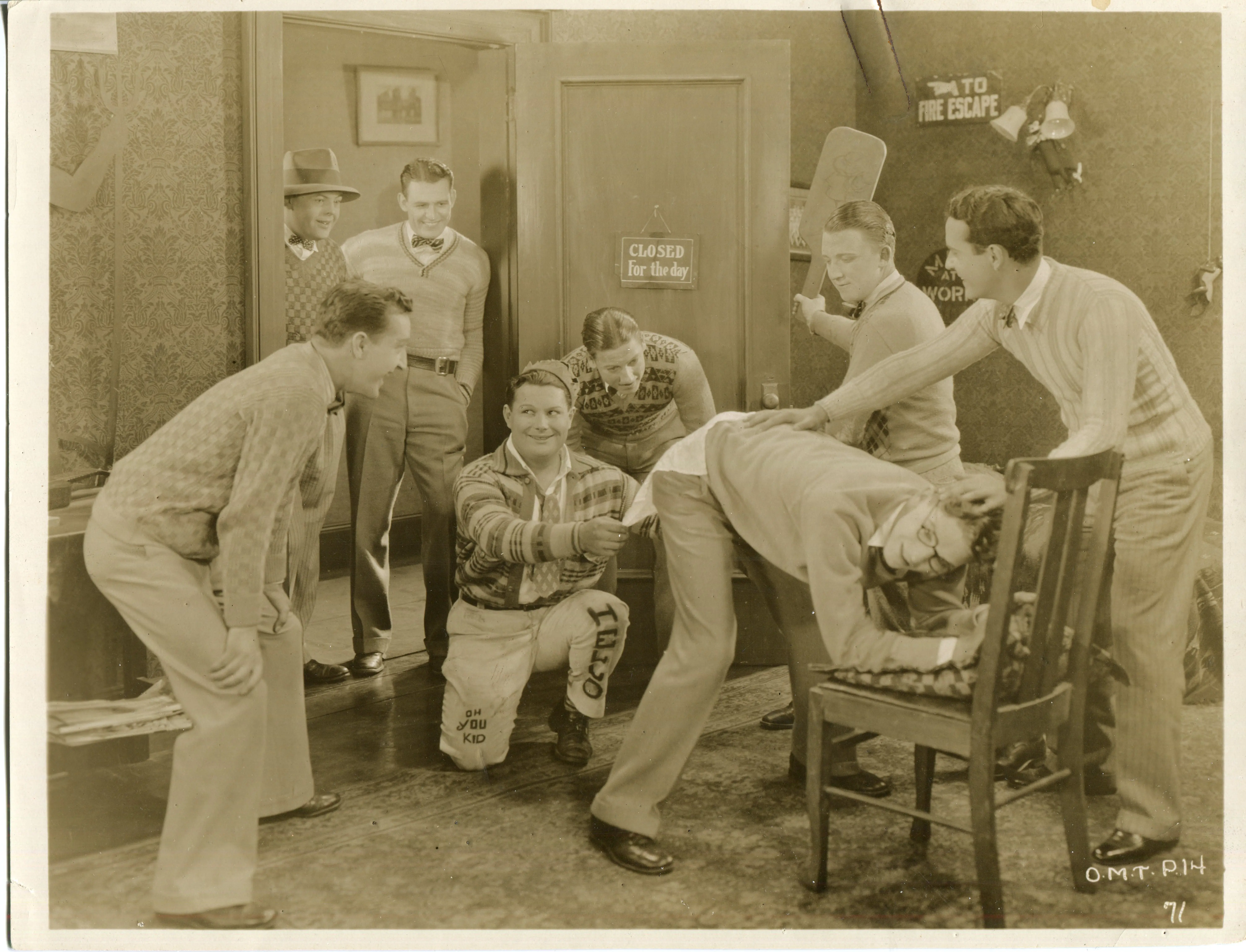
Take, for instance, the scene where he first arrives at Paramlee. His shy, almost awkward interactions with Mary McAllister feel genuine. He isn't playing a hero yet; he’s playing a kid who just wants to fit in. This vulnerability makes the eventual transformation into the gridiron savior much more satisfying. It’s a similar transition of persona seen in Battling Mason, though Grange has a more natural screen presence.
However, the film doesn't ask much of him emotionally. Most of his 'acting' involves looking conflicted while staring at a football or looking stoic while his father, played with a permanent scowl by Charles Ogle, rants about the evils of the sport. Ogle, a veteran of the screen who appeared in The Moonstone, brings a gravitas that almost saves the weak script.
The plot, penned by Byron Morgan, is a fascinating look at the intersection of money and amateur sports. The idea that a father would offer a $100,000 endowment—a staggering sum in 1926—just to keep his son off the field is absurdly high-stakes. This isn't just a family disagreement; it’s a financial hostage situation.
The tension comes from the fact that Paramlee is a 'pitiful' team. They need Red to win, but they need the money to survive. This creates a moral quandary that the film explores with surprising effectiveness. Should Red be selfish and play for glory, or should he be the 'good son' and secure the school’s future? The film eventually takes the easy way out, as most Hollywood productions do, but the build-up is genuinely engaging.
Compare this to the social tensions in Scandal or the romantic entanglements in Miss Nobody. One Minute to Play is far more concerned with the physical manifestation of its conflict than the psychological one. The 'rock and a hard place' mentioned in the plot summary is visualized through long shots of Red sitting on the bench, watching his teammates get pulverized.
Sam Wood, who would later go on to direct massive hits, shows his early promise here. The way he captures the 'Big Game' is revolutionary. He uses multiple camera angles to follow the ball, creating a sense of momentum that was rare for the time. In many silent films, action sequences were static and stagey. Here, the camera feels like it’s in the huddle.
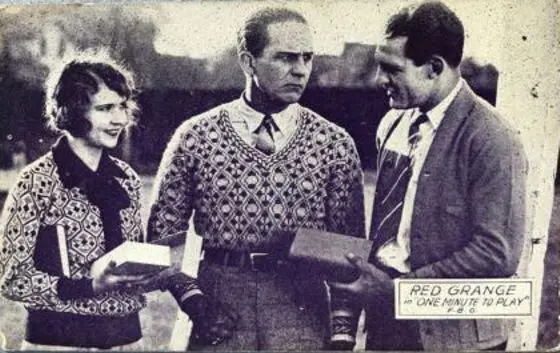
"The final sequence is a masterclass in tension, utilizing rhythmic cutting that mirrors the pounding heart of a spectator in the stands."
The cinematography by Victor Milner is crisp. The outdoor lighting during the game sequences provides a stark contrast to the moody, shadow-heavy interiors of the Wade household. This visual dichotomy reinforces the theme: the field is a place of light and freedom, while the home is a place of darkness and restriction.
One surprising element is the inclusion of King Tut the Dog. While it might seem like a cheap play for audience affection, the dog actually serves as a bridge between the characters, often providing the emotional cues that the script fails to deliver. It’s a trick used in many films of the era, including Jes' Call Me Jim, to add a layer of 'everyman' relatability.
Cons:
For the eagle-eyed viewer, One Minute to Play offers a 'Where’s Waldo' moment with a young, uncredited Clark Gable. It’s a bizarre thrill to see a future icon of the talkies blending into the background of a silent sports movie. It reminds us that the film industry in 1926 was a small, interconnected world where future legends were waiting in the wings of films like The High Horse or Lady Hamilton.
One Minute to Play is a solid, entertaining piece of silent cinema that succeeds despite its formulaic script. It doesn't have the artistic pretensions of European cinema from the same year, but it has something arguably more powerful: pure, unadulterated Americana. It’s a film about the transition from boyhood to manhood, played out on a field of grass and dirt.
While it lacks the emotional complexity of The Cricket on the Hearth, it makes up for it with sheer energy. Red Grange proved that he could carry a movie as easily as he could carry a football, and Sam Wood proved that sports could be cinematic. It’s a touchdown, even if the extra point is a bit wobbly.
IMDb 6.8
1916
Community
Log in to comment.