DbcultAccessing Vault...
Cult Review
Senior Film Conservator
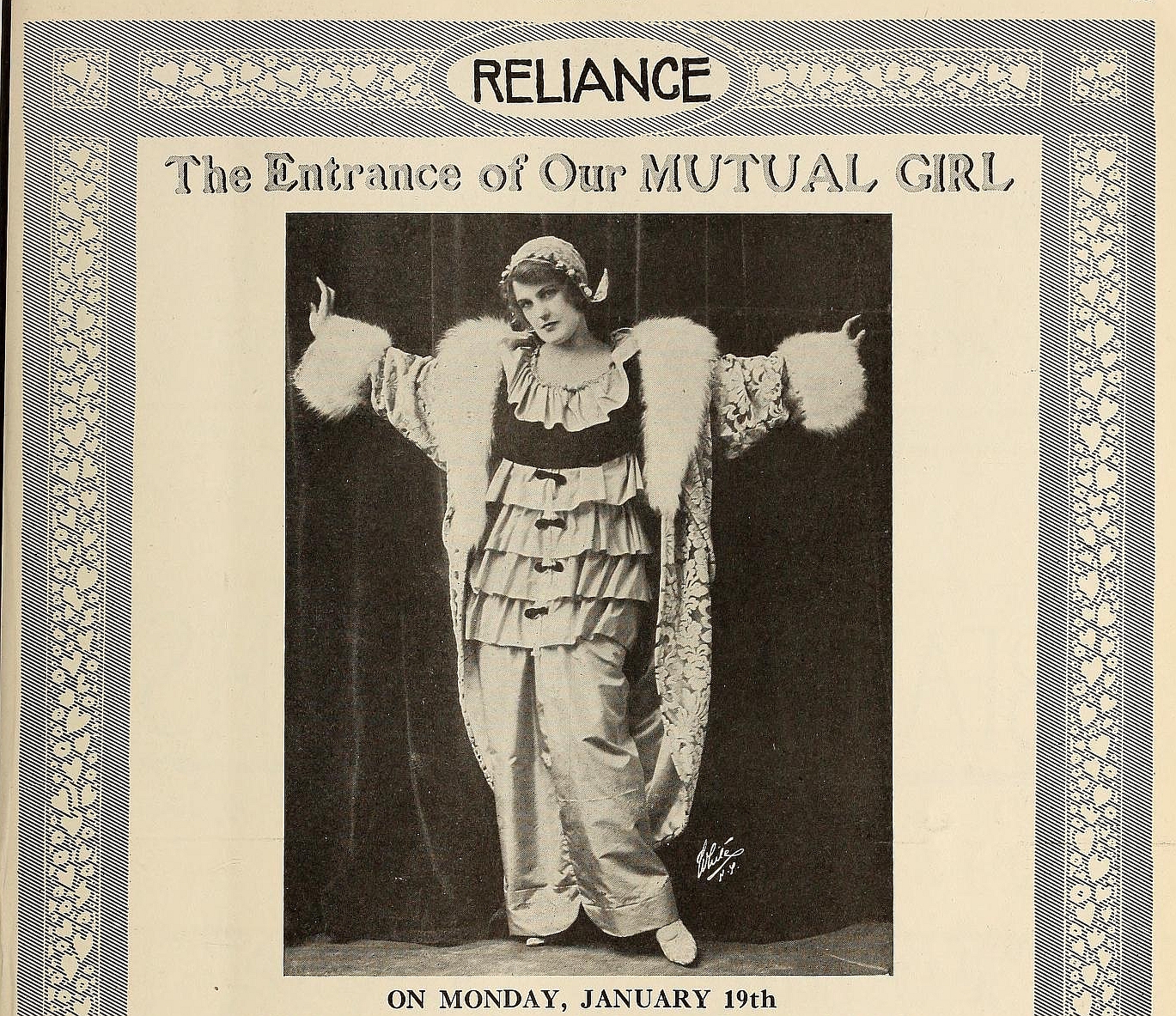
To gaze upon Our Mutual Girl today is to witness the primordial soup of modern media consumption. Produced by the Mutual Film Corporation and released in weekly one-reel increments from early 1914 through early 1915, this project was an audacious hybrid that the industry had never quite seen before. It occupied a liminal space between the cliffhanger serials of the day and the informative, albeit often staged, newsreels. While audiences of the time might have been flocking to the heavy-handed moralism of The Avenging Conscience, 'Our Mutual Girl' offered something far more subversive: a curated reflection of contemporary aspiration.
The sheer logistical ambition of producing fifty-two reels in a single year—one per week—cannot be overstated. This was a grueling production cycle that demanded a nimble approach to storytelling. Unlike the dense, literary adaptations such as Tess of the D'Urbervilles, which sought to condense epic narratives into single features, 'Our Mutual Girl' leaned into the ephemeral. It was episodic in the truest sense, mirroring the cadence of a magazine subscription. Each week, the audience was treated to a new facet of New York life, making the city itself the primary antagonist and ally.
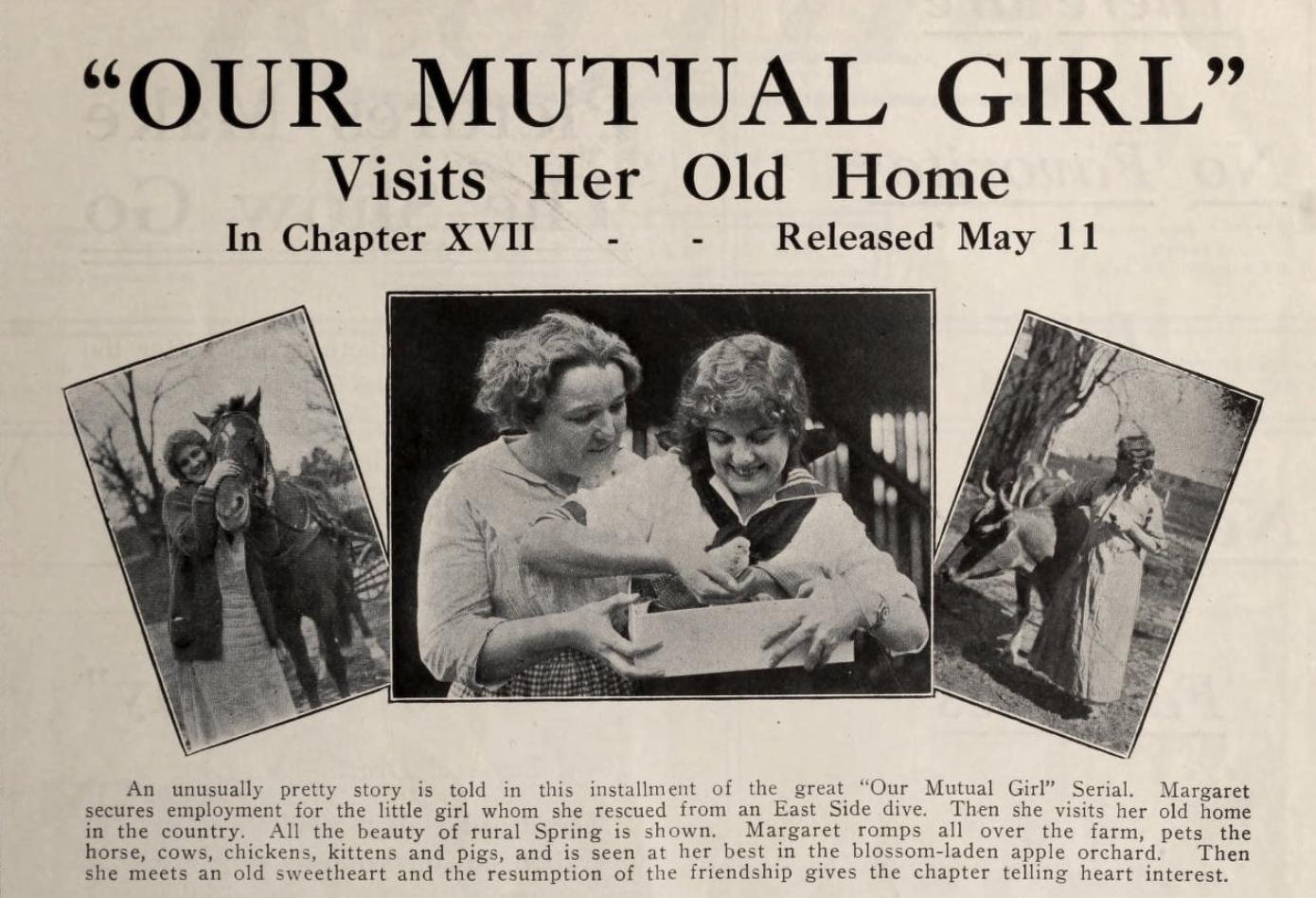
The writing, handled by Carolyn Wells and Arthur James, managed to weave a thread of continuity through what could have easily become a disjointed travelogue. They understood that the 'Girl'—Norma Phillips—needed to be more than a mannequin. She needed to be a conduit for the viewer's own curiosity. Whether she was thwarting villains or attending a high-society gala, her presence provided a relatable anchor in a rapidly shifting urban landscape. This was a far cry from the stylized European aesthetics found in Die Tangokönigin; this was distinctly, vibrantly American.
One of the most radical elements of 'Our Mutual Girl' was its unabashed embrace of consumer culture. Long before the term 'product placement' entered the lexicon, this serial was demonstrating the power of visual association. The protagonist would frequent high-end department stores, trying on the latest fashions that were then meticulously detailed for the viewer. It was a symbiotic relationship between the screen and the storefront. While history suggests these weren't always paid placements in the modern sense, the promotional value was astronomical. It turned the cinema into a virtual showroom, a concept that feels eerily prescient of today's social media algorithms.
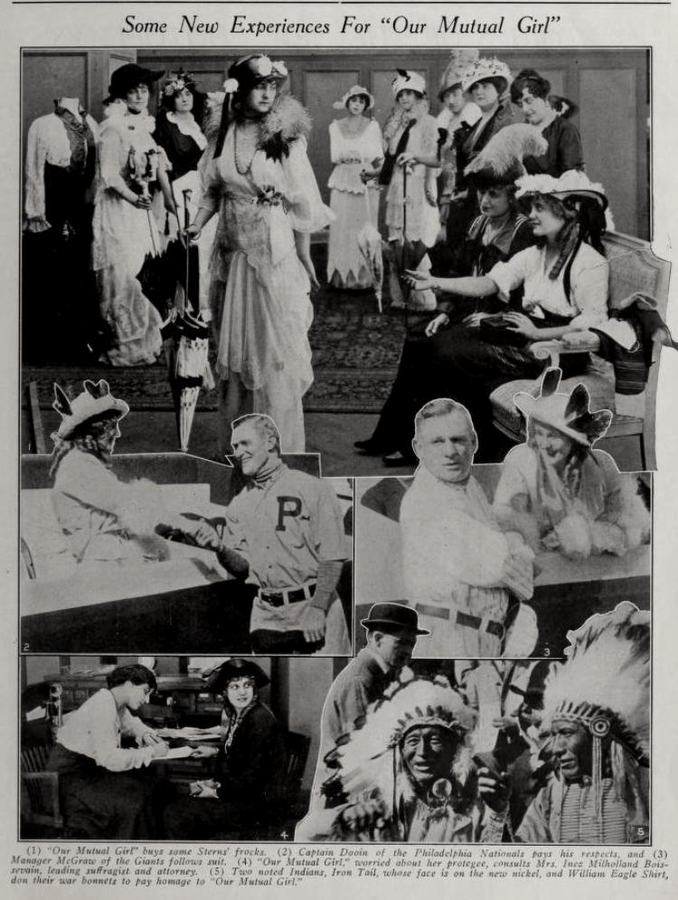
Contrast this with the grit of The Spoilers, which dealt with the harsh realities of the Klondike gold rush. 'Our Mutual Girl' was interested in a different kind of prospecting: the search for social mobility and the acquisition of the 'modern' lifestyle. The film didn't just tell a story; it sold a sensibility. The 'Mutual Girl' dresses became a legitimate fashion trend, proving that the moving image possessed a unique power to dictate taste and behavior.
Perhaps the most innovative aspect of the series was its integration of real-world celebrities. In an era where the divide between the stage and the screen was still being negotiated, seeing theatrical legends and political figures interact with a fictional character was a masterstroke of meta-narrative. These weren't just background extras; they were often instrumental in helping the Mutual Girl escape her weekly predicaments. This technique grounded the fantasy of the serial in the reality of 1914 New York.
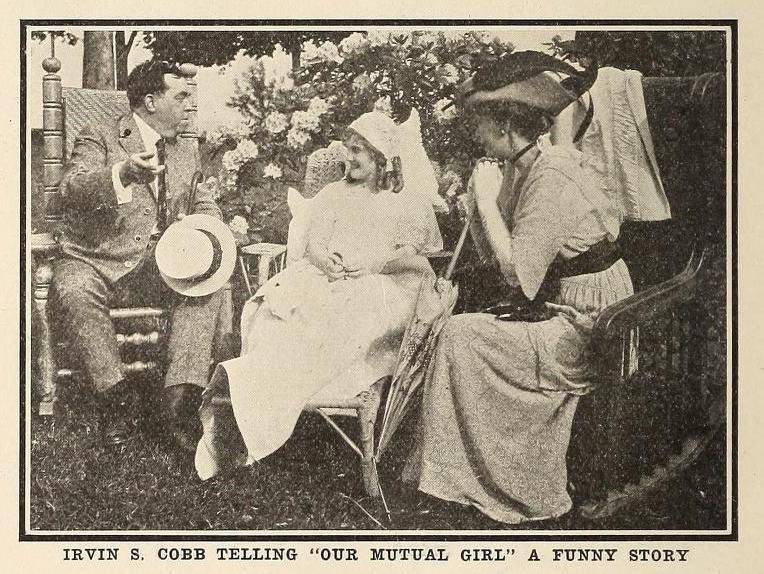
When we look at other films of the period, like the Danish social drama Strejken, we see cinema being used as a tool for social commentary. 'Our Mutual Girl' used a different approach. By embedding the protagonist within the actual power structures of the city, the creators suggested that the 'modern girl' was not just an observer of history, but a participant in it. It lacked the heavy melodrama of A Million Bid, opting instead for a breezy, almost journalistic pace that kept the audience coming back week after week.
Visually, the film is a treasure trove for historians. Because so much of it was shot on location in New York City, it serves as a high-fidelity time capsule. We see the streets, the vehicles, the architecture, and the crowds exactly as they were on the cusp of the Great War. The cinematography is functional, designed to showcase the 'sights' and the 'fashions' with clarity. It doesn't possess the moody, atmospheric shadows of The Mystery of Edwin Drood, but it has a documentary-like honesty that is equally compelling.
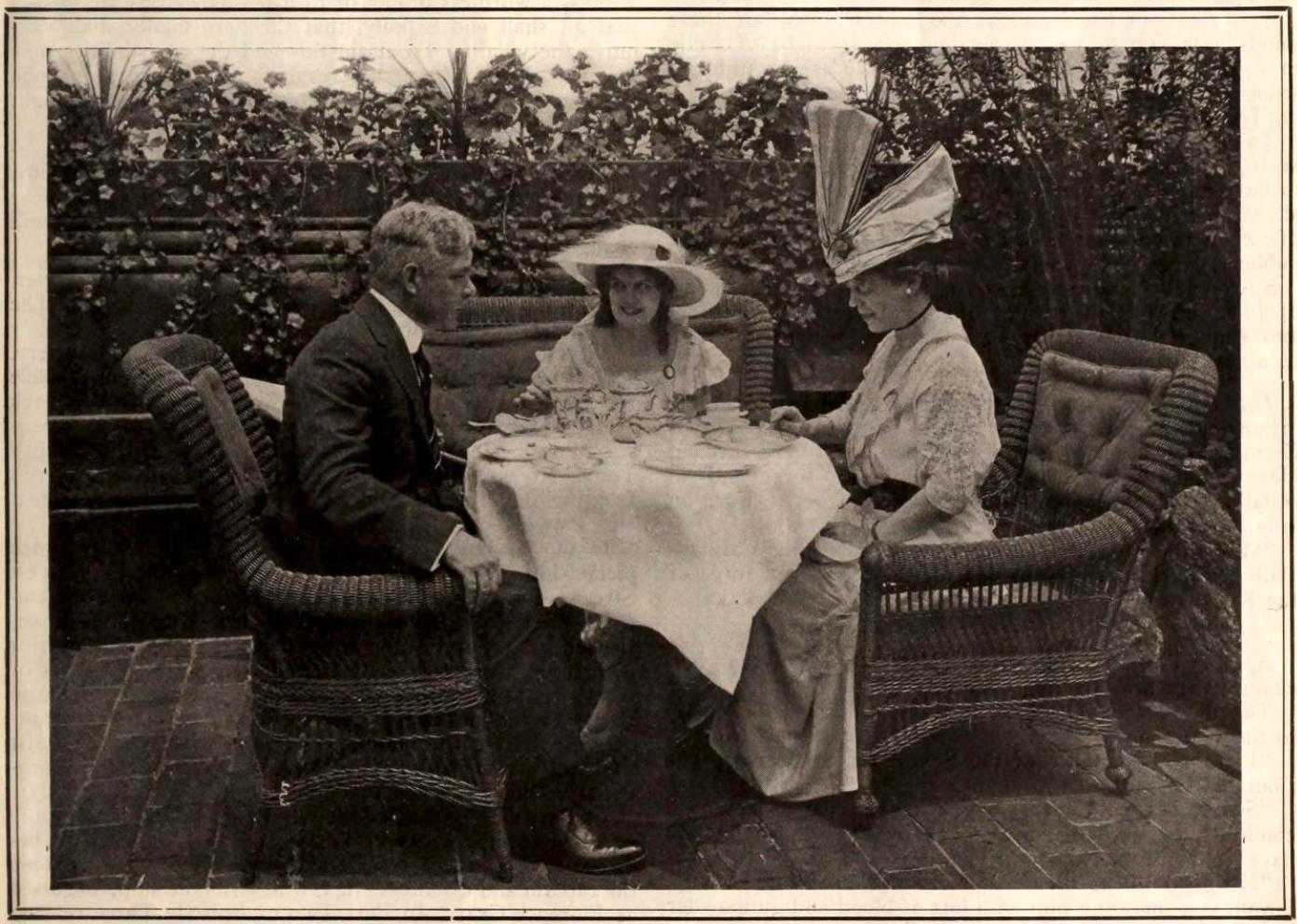
The cast, led by Norma Phillips, performs with a naturalism that was still somewhat rare in 1914. While the villains are certainly drawn with broad strokes—reminiscent of the antagonists in The Black Chancellor—the interactions between the Girl and the 'real' people she meets are often surprisingly fluid. Even Annie the Dog is given moments of character, adding to the domestic charm that balanced the urban intrigue.
Why does 'Our Mutual Girl' matter now? In the context of film history, it is often overshadowed by the burgeoning feature film movement. By 1914, directors like Griffith were pushing toward the multi-reel epic. Yet, this serial represents a different evolutionary branch—one that leads directly to television and digital content. It understood the value of the 'subscription' model, the power of the brand, and the necessity of audience engagement. It wasn't trying to be Charles IV or a grand historical biography; it was trying to be a companion.
There is a certain poignancy in its ephemeral nature. Most of the 52 reels are now lost or survive only in fragments, much like the Hungarian silent Rablélek or many early Australian mysteries like A Melbourne Mystery. But the impact it had on the way movies were marketed and consumed remains. It proved that a film could be more than a story; it could be a lifestyle. It could be 'mutual'—a shared experience between the star, the sponsors, and the public.
When compared to the theatrical intensity of Sapho (1913) or the suspense of The Ticket of Leave Man, 'Our Mutual Girl' feels lighter, perhaps even fluffier. But that lightness is deceptive. It was a sophisticated machine designed to integrate cinema into the fabric of daily life. It didn't ask you to escape into a dark theater to forget your world; it asked you to look at your world through a more glamorous, adventurous lens.
The series also navigated gender roles in a complex way. While the Mutual Girl is often in need of assistance—a common trope of the time—she is also the one navigating the city alone, making choices, and exploring spaces that were often coded as masculine. She wasn't the tragic figure of Bjørnetæmmeren; she was a survivor with a impeccable sense of style. She represented a new kind of heroine: the urban explorer.
In the final analysis, 'Our Mutual Girl' is a monumental achievement in early transmedia storytelling. It utilized the theater, the newspaper, the boutique, and the celebrity to create a 360-degree experience. It anticipated the celebrity-obsessed, fashion-forward culture of the 21st century with startling accuracy. While it may lack the singular artistic focus of The Three of Us, its cultural significance is perhaps even greater. It was the moment cinema realized it didn't just have to reflect life—it could curate it. For any student of film history or cultural sociology, this 52-week experiment remains one of the most intriguing chapters of the silent era, a testament to the medium's endless capacity for reinvention.
IMDb —
1918
Community
Log in to comment.