DbcultAccessing Vault...
Cult Review
Senior Film Conservator
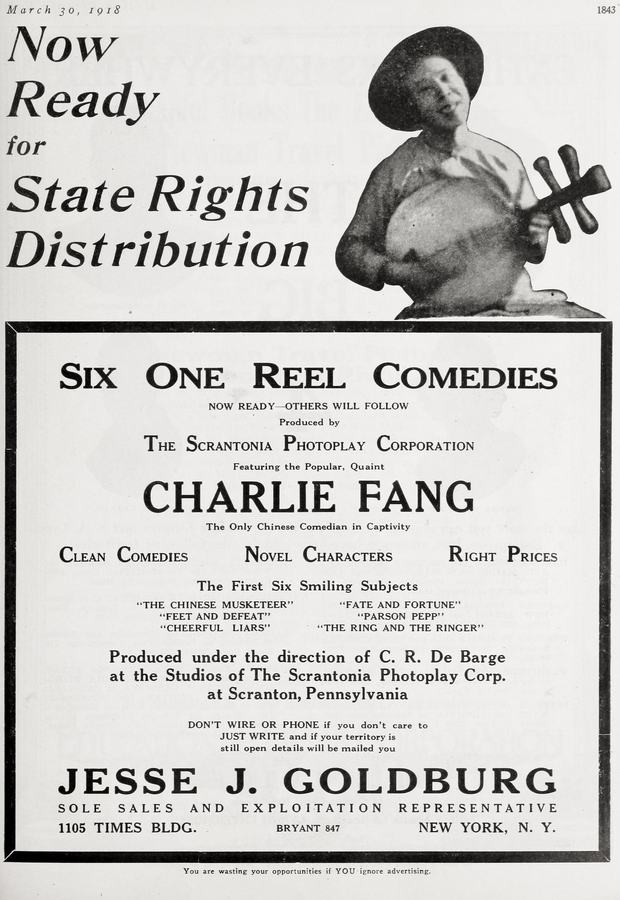
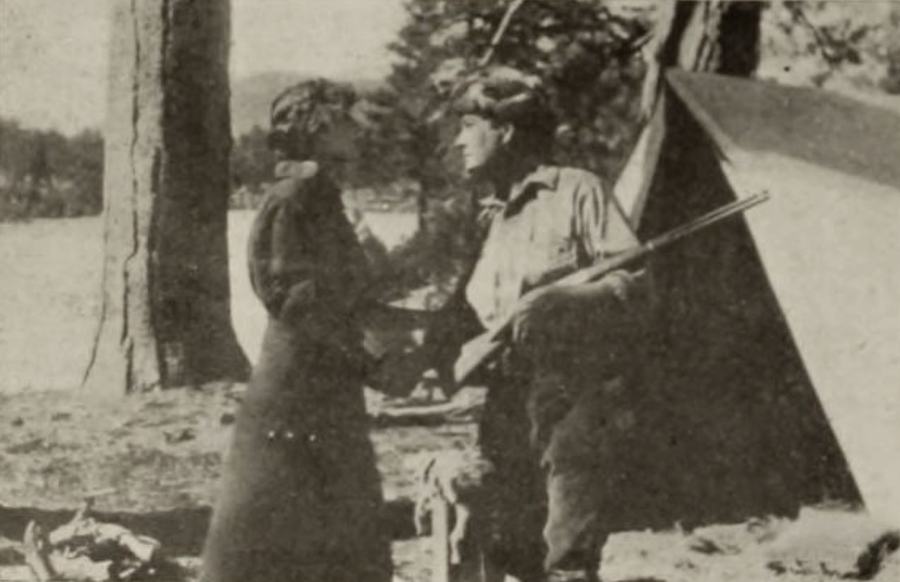
The mining camp in Parson Pepp isn't merely a setting; it's a festering character in its own right—a pulsating sore on the landscape where vice isn't just tolerated but woven into the social fabric. Into this moral quagmire strides Reverend Ezekiel Pepp, less a shepherd than a spiritual conquistador. His theology is simple, terrifying, and brutally efficient: redemption through concussion. Director Charles Fang constructs this world with chiaroscuro intensity, shadows clinging to the saloon walls like moral decay given physical form. Every frame feels thick with imminent violence, the air crackling with the static charge before a lightning strike.
"Pepp doesn't preach at sin; he pulverizes it. His Bible is less a holy text than a blunt instrument—metaphorically when quoting Proverbs, literally when swung at a drunkard's temple."
Charlie, portrayed by Fang with exquisite physical nuance, exists in the liminal space between perpetrator and victim. Watch how he flinches at every landed punch—not from pain, but from the dissonance of holy words mangled by unholy violence. His body language speaks volumes where dialogue cannot: shoulders perpetually hunched as if bearing the weight of Pepp's moral compromises, eyes darting like trapped birds. In the film's most devastating sequence, Charlie meticulously cleans blood spatter from Pepp's clerical collar while the preacher snores obliviously. The act becomes a sacrament of complicity, performed in near-silent anguish.
Fang's performance evokes comparison to the trapped spouses in The Marriage of Molly-O or The Marriage Speculation, yet transcends them through sheer existential weight. Charlie isn't just oppressed; he's spiritually haunted. The camp’s whores, gamblers, and miners—initially caricatures of debauchery—gain startling dimensionality as Pepp's crusade intensifies. A saloon girl’s smirk when Pepp gets hurled through a window isn't just schadenfreude; it's the grim satisfaction of the oppressed witnessing tyranny stumble.
The film's most audacious stroke lies in its visual juxtaposition of piety and pugilism. Pepp's brawls are staged with the ritualistic cadence of religious ceremonies. Before decking a card cheat, he doffs his hat and murmurs grace—an obscene parody of sacramental preparation. Cinematography borrows from boxing documentaries of the era, using stark overhead lights during fights that cast Pepp as both gladiator and avenging angel. His fists become unholy relics; when he knuckles a man senseless over an open Bible, the sacrilege is stomach-churning.
This isn't mere action—it's theological commentary rendered in sweat and split lips. Pepp justifies brutality through twisted scripture: "Suffer the little children... but wallop the wicked!" The camp's transformation under his reign isn't toward godliness but toward different sins—fear, hypocrisy, simmering rage. The drunkards now drink in shadows; the gamblers play behind bolted doors. Morality enforced by terror breeds not virtue but stealthy corruption, echoing the psychological dread of Black Fear.
Fang employs silent film grammar with virtuosic precision. Intertiles become ironic counterpoints—a serene "Blessed Are the Peacemakers" flashed as Pepp chokes a miner. Charlie’s trembling hands tell his inner conflict more eloquently than monologues ever could. Cinematic references abound: the ghostly pallor of the mining camp recalls the spectral unease of Spöket på Junkershus, while the final showdown’s choreography prefigures the chaotic brawls in The Square Deal Man.
Lighting serves as moral cartography. Pepp is often backlit, looming in doorways as a menacing silhouette—a visual trope later perfected in noir, but here evoking an Old Testament deity. Charlie, conversely, is frequently shot in vulnerable midtones, half-submerged in shadow like a man drowning in ethical ambiguity. When the miners finally revolt, their torchlight procession through the camp isn't just rebellion; it's a perverse inversion of a religious procession, fire replacing faith.
"Fang frames the Bible itself with chilling ambiguity—sometimes a beacon, sometimes a weapon, always an object of terrifying power."
Parson Pepp confronts uncomfortable truths about coercion in the name of virtue that resonate beyond its era. In Pepp’s fanaticism, we see precursors to colonizing zealots and modern culture warriors—his conviction that the end sanctifies any means remains unnervingly relevant. Yet the film isn't didactic; it’s agonizingly ambiguous. Is Charlie’s final act cowardice or courage? Is the camp's return to debauchery after Pepp's downfall liberation or degeneration?
Structurally, the film stumbles slightly in its final act. The uprising’s pacing feels rushed compared to the meticulous buildup—a flaw shared by Souls in Bondage. Some character motivations, particularly the saloon owner’s sudden alliance with Pepp, strain credibility. Yet these are minor quibbles against the film’s visceral power.
To watch Parson Pepp today is to witness silent cinema’s capacity for moral complexity. It rejects easy binaries—neither endorsing the camp’s hedonism nor sanctifying Pepp’s tyranny. In Charlie, Fang gifts cinema one of its great tragic observers—a man broken not by violence itself, but by violence sanctified. The film’s influence ripples through works as diverse as The Alibi (with its exploration of moral compromise) and The Firefly (in its juxtaposition of beauty and brutality).
Ultimately, Parson Pepp stands as a savage psalm—a harrowing meditation on the corruption of absolute conviction and the collateral damage of holy wars. Its mining camp is a microcosm where faith doesn’t heal; it bludgeons. Charlie isn’t redeemed; he’s scarred. And Reverend Pepp’s legacy isn’t salvation, but fractures—in the community, in his valet’s soul, and in the very idea that righteousness can be forged with fists. In this uncompromising vision, Fang didn’t just make a film; he etched a warning in celluloid and shadow.
The final image—a discarded Bible half-buried in mud, its pages fluttering like a wounded bird—remains one of silent cinema’s most devastating codas. Not a resolution, but an open wound. Not absolution, but an accusation hurled across a century: How thin is the line between zealot and tyrant? And what stains do we scrub from our collars while pretending not to see?

IMDb 6.4
1936
Community
Log in to comment.