DbcultAccessing Vault...
6.2/10
Senior Film Conservator
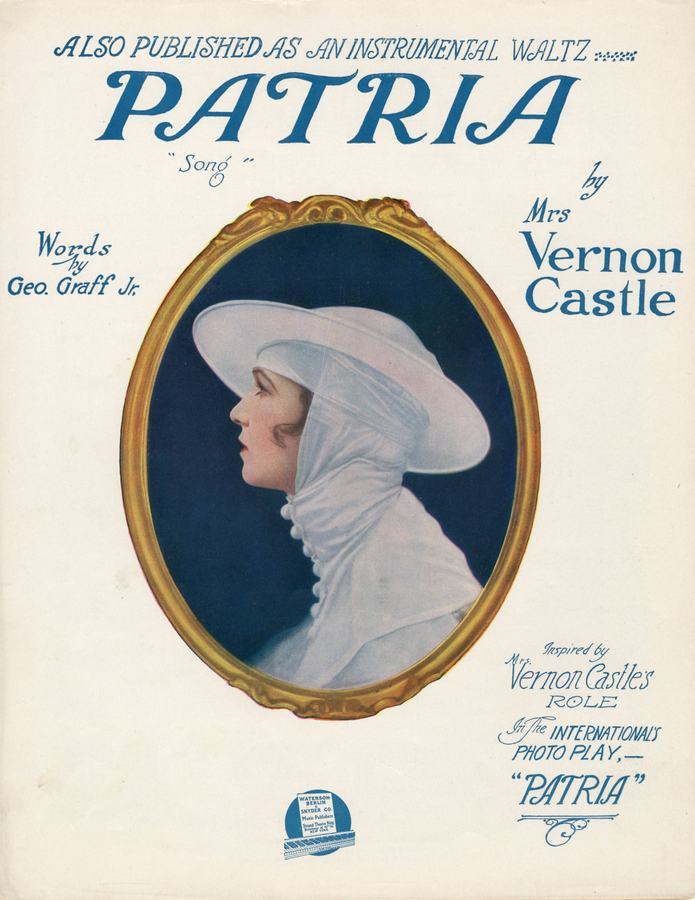
A definitive 6.2/10 rating for a film that redefined the boundaries of cult cinema. Patria remains a cornerstone of transgressive art.
Stepping into the world of 'Patria,' the 1917 silent film serial, is akin to opening a meticulously preserved time capsule, one that pulsates with the anxieties, prejudices, and sensationalism of a nation teetering on the brink of global conflict. This ambitious production, a veritable blockbuster of its era, doesn't merely tell a story; it performs a cultural autopsy of America's pre-WWI psyche, laying bare its fears of foreign invasion and its burgeoning sense of national identity. It’s a fascinating, if sometimes problematic, artifact that demands contextualization and critical examination, not just as a piece of entertainment, but as a potent instrument of propaganda.
At its core, 'Patria' unfurls a sprawling, multi-chapter narrative revolving around a chillingly effective plot by Japanese spies to invade the United States. This wasn't a subtle threat; it was a direct, visceral portrayal of a nation under siege, designed to ignite a specific kind of patriotic fervor. The architects of this cinematic alarm bell, writers Louis Joseph Vance, John B. Clymer, and Charles W. Goddard, wove a complex tapestry of subterfuge and daring, pushing the boundaries of what audiences expected from a weekly serial. Their narrative vision, though rooted in the sensationalist pulp fiction of the period, possessed a certain grandiosity, aiming for nothing less than a call to arms disguised as entertainment.
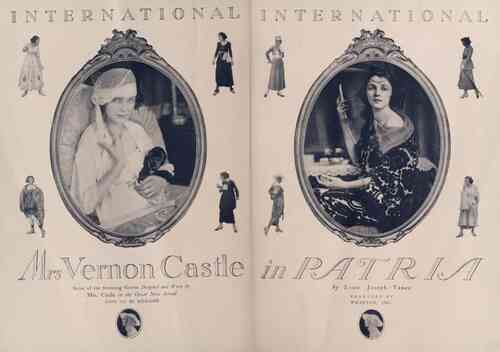
The serial’s magnetic center is Patria Channing, portrayed with an audacious blend of elegance and grit by the iconic Irene Castle. Castle, a celebrated dancer and fashion icon of the era, brought an unparalleled star power to the role. Her Patria is no shrinking violet; she's a fiercely independent, wealthy heiress who, upon discovering the insidious plot, transforms into an unlikely but formidable counter-espionage agent. She eschews the typical damsel-in-distress trope, instead actively thwarting the enemy's plans with a resourcefulness that often outstrips her male counterparts. This portrayal of a strong, proactive female protagonist was, in itself, a significant departure for the time, even if her actions were ultimately in service of a nationalistic agenda. Her ability to navigate complex situations, utilize her vast resources, and even engage in physical combat made her a compelling figure for audiences.
Opposite Castle's radiant heroism stands the imposing figure of Warner Oland as Baron Huru. Long before he became synonymous with Charlie Chan, Oland was frequently cast in villainous, often racially stereotyped, roles. Here, he embodies the sinister mastermind, lending an air of chilling sophistication to the Japanese threat. His performance, while undeniably a product of its time's problematic racial caricatures, is nonetheless captivating, imbuing Huru with a palpable menace that elevates the stakes. The tension between Channing and Huru forms the dramatic backbone of the serial, a clash of wills and ideologies that drives the episodic structure forward with relentless momentum. The sheer audacity of the spy network's plans, from bombing strategic locations to kidnapping key figures, creates a constant sense of peril that keeps the audience enthralled.
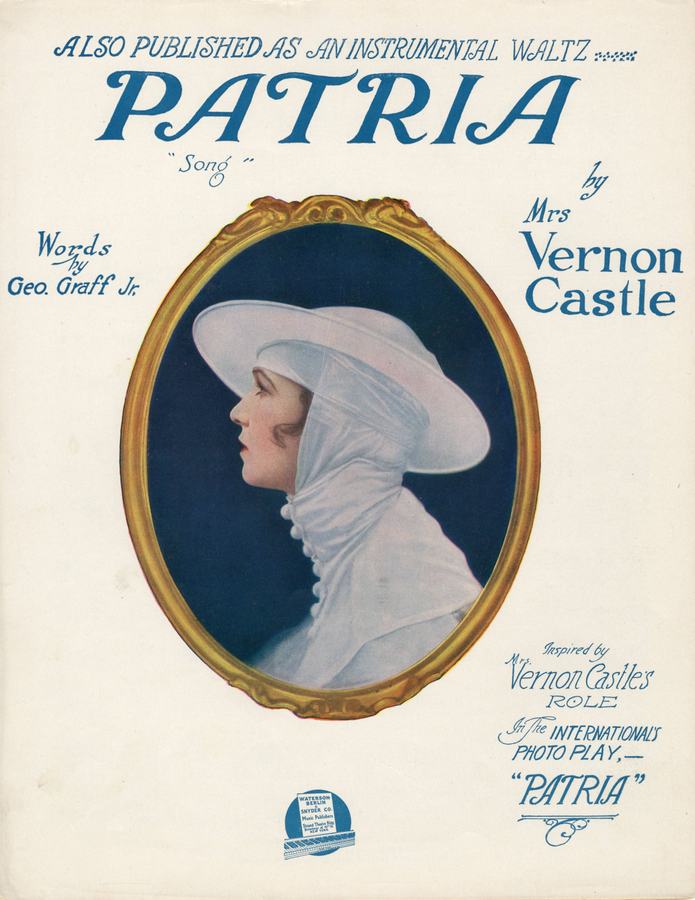
'Patria' boasts an impressive roster of early cinematic talent, some of whom were on the cusp of superstardom. Milton Sills, as the Secret Service agent Donald Parr, provides the more traditional heroic foil to Patria's unconventional derring-do. His character arc, moving from initial skepticism about Patria's involvement to a full-fledged partnership, reflects a gradual shift in the film's own portrayal of female agency. Other notable actors like Jack Holt and Wallace Beery contribute to the ensemble, adding depth and gravitas to various supporting roles. Beery, in particular, would go on to have a long and illustrious career, but his early work here demonstrates his versatility even in minor parts.
Perhaps most intriguingly, the serial features a very early, uncredited appearance by Rudolph Valentino. Before he became the iconic Latin Lover, Valentino was a young dancer and aspiring actor, and his fleeting presence in 'Patria' offers a fascinating glimpse into the nascent stages of a legendary career. While his role is minor, it adds another layer of historical curiosity to an already rich text. Similarly, Sôjin Kamiyama, a Japanese actor, plays one of Baron Huru's key lieutenants, providing a more nuanced portrayal than many of the other racially charged depictions, though still operating within the confines of the narrative's central premise. The sheer breadth of the cast, from established names to rising stars, underscores the ambitious scale of the production.
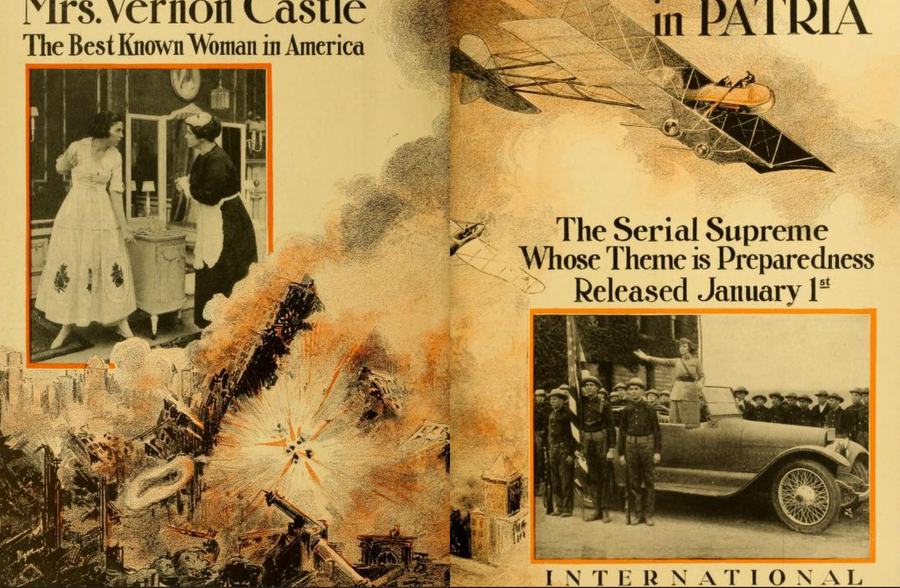
Serials like 'Patria' were the episodic television of their day, designed to draw audiences back to theaters week after week with their tantalizing cliffhangers and ever-escalating stakes. This format, while inherently exciting, also lent itself perfectly to the dissemination of propaganda. Each installment concluded with Patria or her allies in dire peril, leaving viewers desperate for the next chapter. This relentless pacing, a hallmark of the serial genre, was expertly employed by the filmmakers to maintain a constant state of tension and engagement. The narrative rarely paused for introspection, instead hurtling from one action sequence to the next, mirroring the urgent call to action that permeated the public discourse of the time.
The propaganda aspect of 'Patria' is undeniable and, from a contemporary perspective, deeply uncomfortable. Released just months before the United States officially entered World War I, the serial served as a powerful tool to galvanize public opinion against perceived foreign threats. While the primary antagonist was Japanese, reflecting existing xenophobic sentiments and geopolitical tensions with Japan, the underlying message was a broader call for American preparedness and unity. The film tapped into the 'Yellow Peril' anxieties prevalent in the era, portraying an 'Other' as cunning, ruthless, and an existential danger to American sovereignty. This aspect, while historically significant, requires a critical lens, acknowledging its role in perpetuating harmful stereotypes.
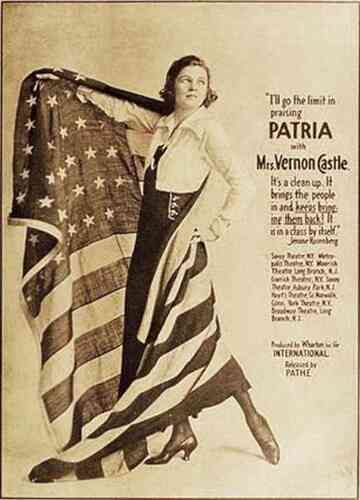
Technically, 'Patria' showcased the burgeoning capabilities of silent cinema. The action sequences, though perhaps quaint by modern standards, were elaborate and thrilling for their time, featuring daring stunts, explosions, and impressive set pieces. The use of location shooting, particularly in New York City, added a layer of realism and grandeur. The direction, while not attributed to a single individual in the traditional sense for serials (it was a collaborative effort with multiple directors over its run), effectively maintained a consistent visual style and narrative drive. The editing, crucial for maintaining the serial's frantic pace, was sharp and dynamic, ensuring that each episode delivered its quota of thrills.
The film's impact was immediate and profound. It sparked both immense popularity and considerable controversy, particularly regarding its anti-Japanese sentiment. President Woodrow Wilson himself reportedly expressed concerns about its inflammatory nature, fearing it could complicate diplomatic relations. This speaks volumes about the power of cinema, even in its nascent form, to shape public discourse and political realities. 'Patria' wasn't just entertainment; it was a cultural event, a reflection and shaper of its turbulent times.
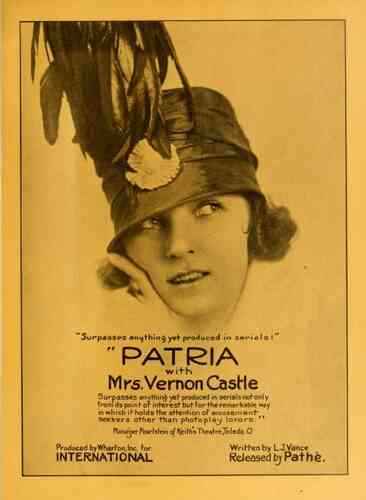
When placed alongside other films of the era, 'Patria' stands out for its sheer scale and overt political messaging. While many silent films explored themes of adventure and morality, few delved into contemporary geopolitical anxieties with such directness. For instance, films like The Shepherd of the Southern Cross or The Chechako offered thrilling narratives of frontier life and personal struggle, but they lacked the explicit nationalistic imperative of 'Patria.' Even melodramas such as Fate's Boomerang or The Lure of Heart's Desire, while popular, operated on a more personal, emotional register. 'Patria,' by contrast, aimed for a grander, more collective narrative of national defense.
The serial format itself was a popular vehicle for adventure and spectacle, as seen in many other productions of the period. However, 'Patria' distinguished itself by weaving its espionage plot so tightly with current events. One might draw a thematic parallel to the grand historical narratives of The Napoleonic Epics in terms of scope, but 'Patria' felt far more immediate and relevant to its audience's daily concerns. It tapped into a vein of public consciousness that was being deliberately stoked by political leaders and media outlets. The film's willingness to engage with controversial subject matter, even if problematically, sets it apart from more innocuous fare like Dick Whittington and His Cat or even character studies like Pudd'nhead Wilson.
Moreover, the film's portrayal of a strong female lead, while still operating within certain societal constraints, offered a proto-feminist sensibility that was somewhat ahead of its time for action-oriented narratives. While films like The Empress might feature powerful female figures, their power often derived from traditional royal or tragic circumstances. Patria Channing's power came from her agency and intellect in a dangerous, modern world. The sheer audacity of her character, coupled with the relentless pace and daring stunts, positioned 'Patria' as a benchmark for early action-adventure cinema, influencing subsequent serials and spy thrillers for decades to come.
'Patria' remains a crucial, if complex, piece of cinematic history. It's a film that cannot be fully appreciated without acknowledging its dual nature: a thrilling, innovative action serial and a potent, often uncomfortable, piece of wartime propaganda. Its historical significance lies not just in its entertainment value, but in its ability to illuminate the cultural, social, and political currents of early 20th-century America. For film historians and enthusiasts, it offers invaluable insights into the evolution of narrative forms, the power of star personae, and the undeniable influence of cinema on public opinion.
Watching 'Patria' today is an exercise in critical engagement. One must look beyond the dated special effects and the overt jingoism to appreciate the craftsmanship, the trailblazing performances, and the sheer ambition that went into its creation. It’s a testament to the enduring power of storytelling, for better or worse, to shape perceptions and mobilize emotions. As a document of its time, 'Patria' serves as a stark reminder of how art and propaganda can intertwine, leaving a legacy that continues to provoke thought and discussion about media's role in society.
The film's very existence, and the controversy it generated, underscores the profound impact that early cinema had on the public consciousness. It was a medium still finding its voice, yet already capable of speaking volumes, sometimes in ways that echoed the darkest fears and prejudices of a nation on the brink. 'Patria' is not just a film to be watched; it is a film to be studied, debated, and understood within its fraught historical context, offering a window into a bygone era where the silver screen was both a mirror and a megaphone for national identity and global anxieties.
IMDb 6
1916
Community
Log in to comment.