DbcultAccessing Vault...
Cult Review
Senior Film Conservator
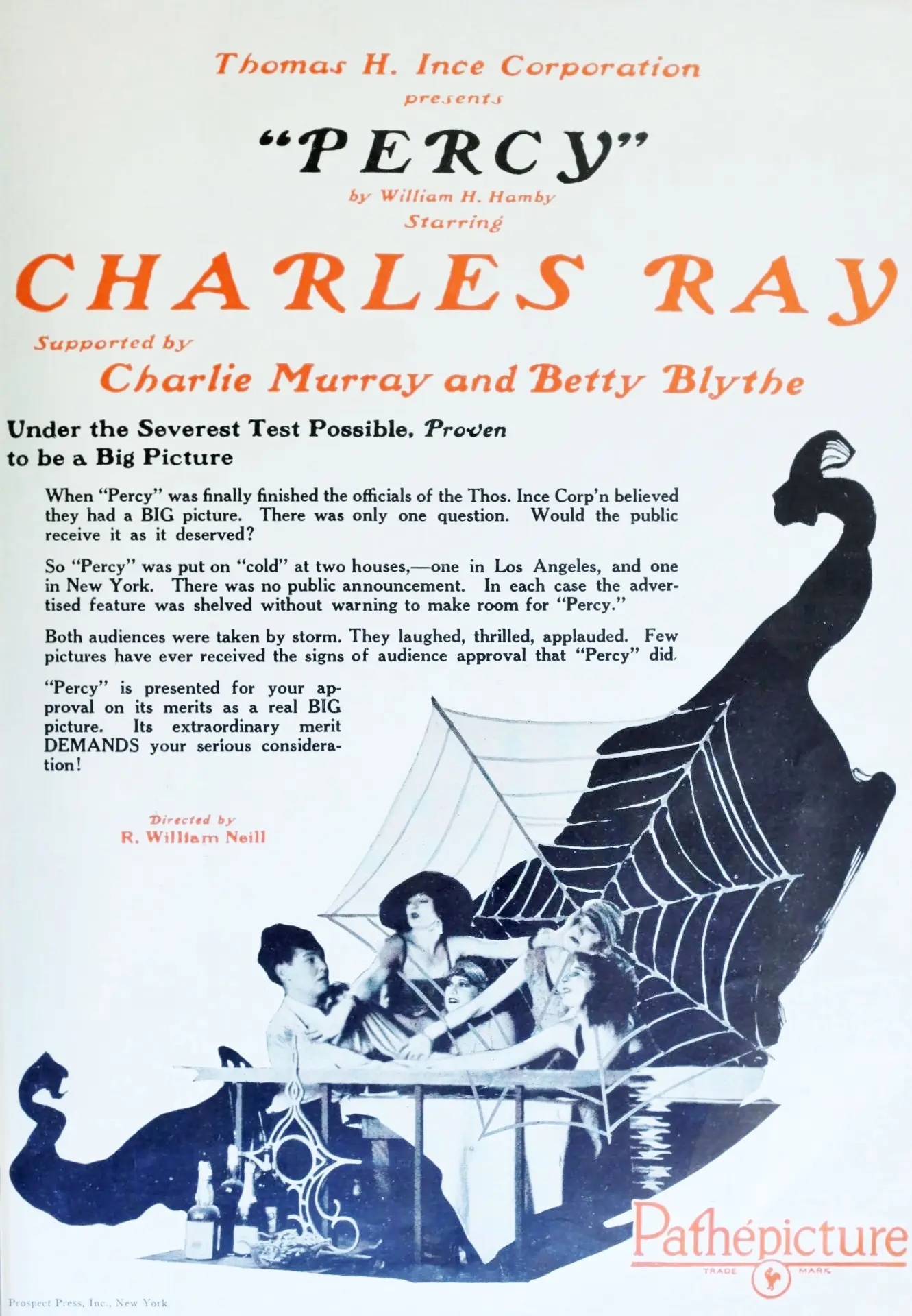
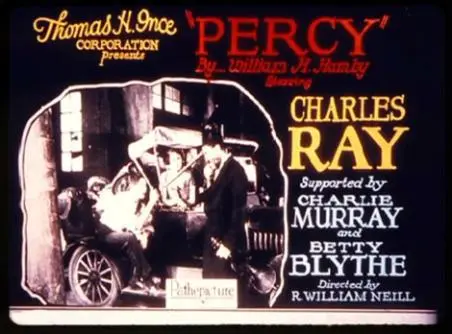
Does the 1925 silent film Percy offer more than just a dusty relic of prohibition-era anxieties? Short answer: yes, but only if you view it through the lens of Charles Ray’s fascinating, if slightly repetitive, career arc.
This film is a specific treat for historians of the 'country boy' archetype, but it will likely alienate modern viewers who have little patience for the era's heavy-handed moralizing about what constitutes a 'real man.'
1) This film works because it leverages Charles Ray’s unique ability to look genuinely terrified, making his eventual transformation feel earned rather than scripted.
2) This film fails because its central premise—that kidnapping and forced alcoholism are valid parenting tools—is a narrative hurdle that modern sensibilities struggle to clear.
3) You should watch it if you want to see a rare example of a silent film that attempts to balance artistic sensitivity (the violin) with the rugged requirements of the Western frontier.
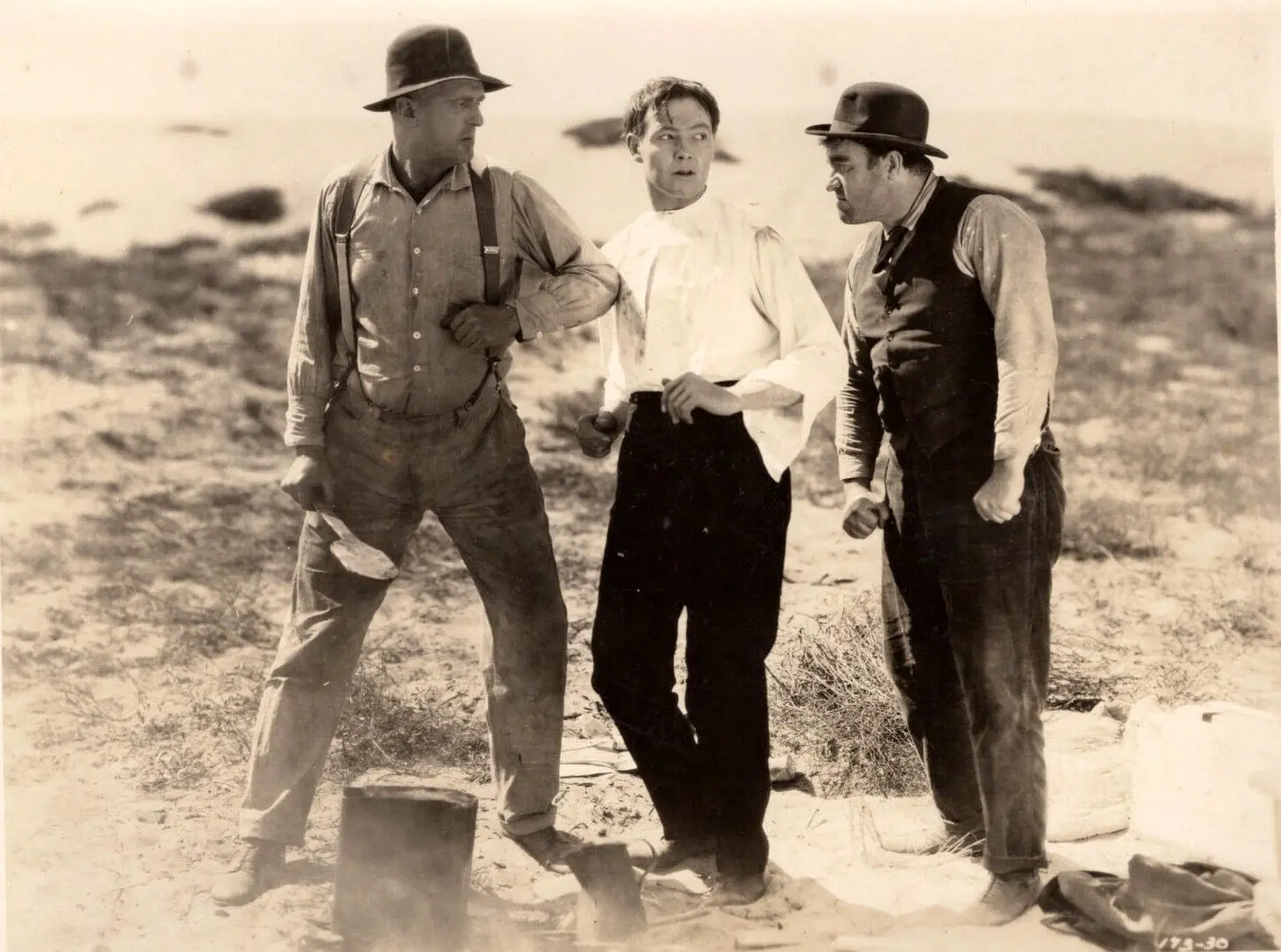
Charles Ray was the king of the 'rube.' By 1925, his career was in a state of flux, and Percy represents an attempt to toughen up his image without losing the vulnerability that made him a star. In the opening scenes, Ray plays Percy with a delicate, almost ethereal quality. He is physically small, his movements are hesitant, and he cowers at the sight of his father’s disappointment. It’s a performance of pure physical anxiety.
Compare this to his performance in Breaking Home Ties, where the departure from the family nest is treated with sentimental gravity. In Percy, the departure is a violent, drunken blur. The scene in the freight car is particularly striking. The lighting is harsh, the shadows of the moving train flickering across Ray’s face as he realizes he is lost. It is a moment of genuine cinematic dread that cuts through the usual slapstick of the era.
Ray’s transition is not immediate. Unlike many modern action heroes who learn to fight in a montage, Percy’s growth is slow. He remains a musician. He remains sensitive. The film’s most interesting choice is allowing him to keep his violin. In the cantina scenes, the violin isn't just a prop; it’s his shield. He plays for the rough-and-tumble locals, and through his music, he earns a respect that his fists never could have secured on their own.
The setting of the border town provides a stark contrast to the manicured lawns of Percy’s upbringing. The cinematography here shifts from soft-focus interiors to wide, dusty exteriors. The plantation scenes are filmed with a grit that reminds one of '49-'17, where the landscape itself is a character that demands total submission or total mastery.
The presence of Victor McLaglen in the cast adds a layer of physical menace that the film desperately needs. McLaglen, even in his early roles, possessed a tectonic energy. When he is on screen, the stakes feel higher. He represents the 'manliness' that Percy’s father craves, yet the film eventually subverts this by showing that Percy’s intelligence and empathy are what actually save the day.
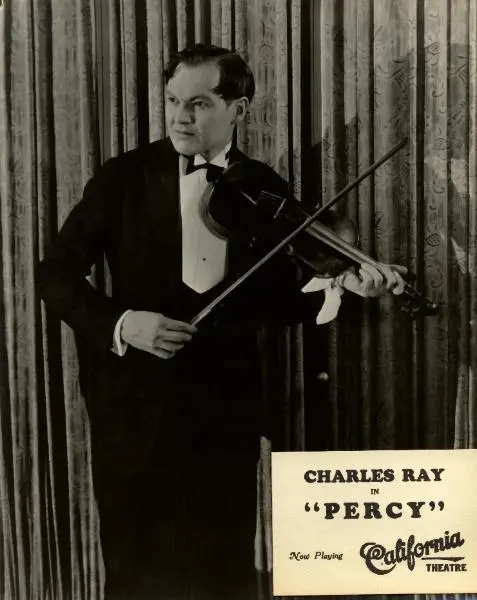
There is a specific scene where Percy confronts a group of land-grabbers. He doesn't just outdraw them; he outmaneuvers them. It’s a cerebral victory. This is a sharp departure from the 'might is right' philosophy seen in films like The City of Silent Men, where redemption is almost always found through suffering and physical endurance. Percy finds redemption through agency.
The pacing of the film is uneven, a common trait of mid-20s features. The first act drags significantly, dwelling too long on the 'mama’s boy' tropes. We see him being pampered, we see him being mocked, and then we see it all again. It’s repetitive. However, once the 'bottle' is introduced and the freight car starts moving, the film finds its rhythm.
The use of intertitles is surprisingly sparse during the action sequences. The director trusts the actors to convey the desperation of the farmers and the growth of Percy’s resolve. The visual storytelling in the cantina—the way the camera lingers on the faces of the listeners—is some of the best work in the film. You see the grime, the sweat, and the sudden, quiet focus as the violin music takes hold.
"Percy isn't just a story about a boy becoming a man; it’s a story about a father learning that his definition of a man was too narrow to begin with."
If you are looking for a fast-paced action flick, look elsewhere. Percy is a character study wrapped in a Western-lite package. It is worth watching for the performance of Charles Ray, who was one of the most expressive actors of the silent era. His face is a map of 1920s social pressure.
It is also worth watching for the historical subtext. The film reflects a post-WWI America that was terrified of its sons becoming 'soft.' By sending Percy to the border—a lawless, 'primitive' space—the film suggests that civilization itself is what emasculates men. It’s a debatable, even dangerous idea, but it makes for compelling cinema.
Pros:
Cons:
The main theme of Percy is the evolution of masculinity. The film explores the conflict between a father's traditional, rugged expectations and a son's sensitive, artistic nature. It ultimately suggests that true manhood is found in taking responsibility and protecting others, regardless of one's initial temperament.
When compared to The House Built Upon Sand, Percy feels much more grounded in physical reality. While the former deals with abstract moral failures, Percy deals with the dirt and the dust of the frontier. It also shares a thematic kinship with '49-'17, specifically in how it views the American West as a place of rebirth and radical personal change.
Unlike the more melodramatic Breaking Home Ties, Percy uses humor and action to mask its deeper anxieties about family dynamics. It’s a more 'commercial' product of its time, designed to entertain while it instructs.
Percy is a flawed but fascinating relic. It works. But it’s flawed. The central performance by Charles Ray is the glue that holds the disparate parts together. While the plot’s inciting incident—the forced intoxication and abandonment—is morally bankrupt by today's standards, the film’s eventual destination is surprisingly progressive. It allows its hero to remain a musician, suggesting that a man can be 'tough' without losing his soul. It’s a loud, dusty, and occasionally brilliant piece of silent cinema that deserves a look from anyone interested in the history of the American male on screen.
IMDb —
1919
Community
Log in to comment.