DbcultAccessing Vault...
5.6/10
Senior Film Conservator
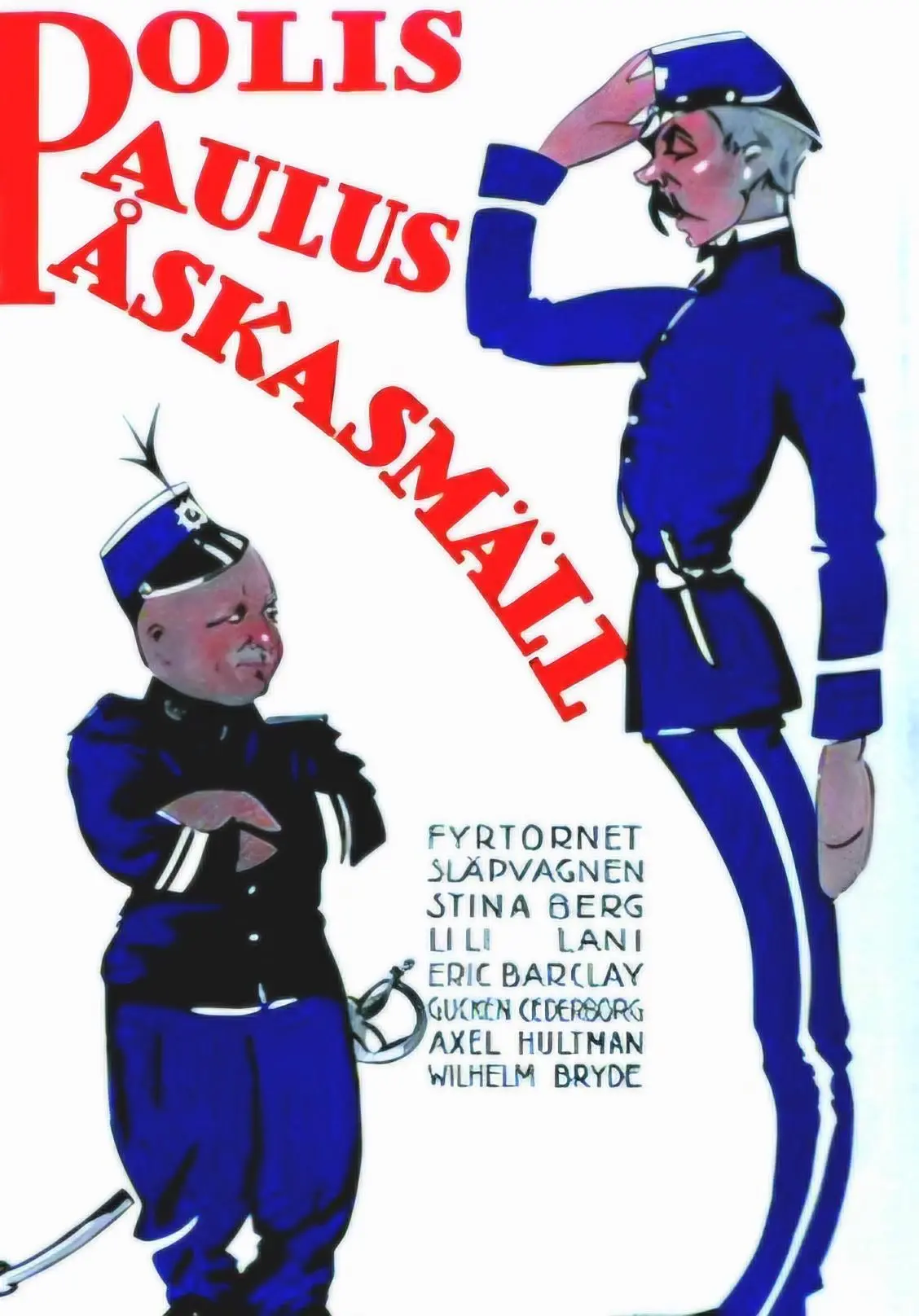
A definitive 5.6/10 rating for a film that redefined the boundaries of cult cinema. Polis Paulus' påskasmäll remains a cornerstone of transgressive art.
Polis Paulus' påskasmäll
In the midst of a burgeoning cinematic landscape, Polis Paulus' påskasmäll emerges as a thought-provoking exploration of human relationships, deception, and the complexities of the human condition. This Swedish film, replete with a talented ensemble cast, including Josua Bengtson, Harald Madsen, and Hilda Castegren, presents a rich tapestry of characters, each navigating the intricate dynamics of a hotel environment.
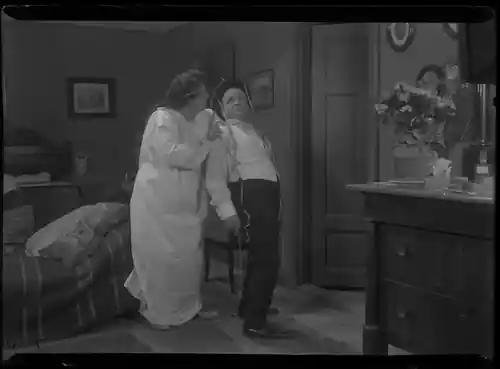
The story, expertly crafted by its writers, revolves around Anne Marie, who receives an invitation from her aunt to a hotel, purportedly to meet an admirer. However, as the plot unfolds, it becomes clear that Anne Marie's true intention is to keep a watchful eye on Sten, a hotel employee. This deliberate ambiguity sets the tone for a film that masterfully subverts expectations, instead opting for a thoughtful, character-driven approach.
A cinematic exploration of human connection

As Anne Marie becomes increasingly entrenched in the hotel's ecosystem, she finds herself entangled in a complex web of relationships and deception. The film's use of character interactions and subtle dialogue cues serves to heighten the sense of tension, expertly ratcheting up the stakes as the narrative hurtles towards its conclusion. This attention to detail, reminiscent of films like Aura o las violetas and The Kiss, underscores the director's commitment to crafting a cinematic experience that rewards close attention.
In a notable scene, Anne Marie's observational skills are put to the test as she navigates the hotel's social hierarchy, deftly parsing the intricate dynamics between staff and guests. This tour de force performance, bolstered by the cast's impressive range, serves as a testament to the film's ability to balance humor and pathos. The You Find It Everywhere-esque focus on character-driven storytelling allows the audience to become fully invested in the world of Polis Paulus' påskasmäll, where the lines between reality and appearance are expertly blurred.
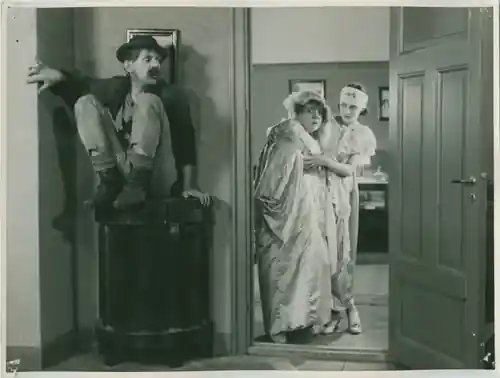
Performances and direction
The ensemble cast, featuring Josua Bengtson, Harald Madsen, and Hilda Castegren, delivers uniformly strong performances, imbuing their characters with a sense of depth and nuance. The direction, characterized by a keen attention to detail and a deep understanding of the source material, serves to elevate the film's themes of deception and human connection. A Der König ihres Herzens-like emphasis on character development allows the audience to form meaningful connections with the cast, underscoring the film's exploration of the human condition.
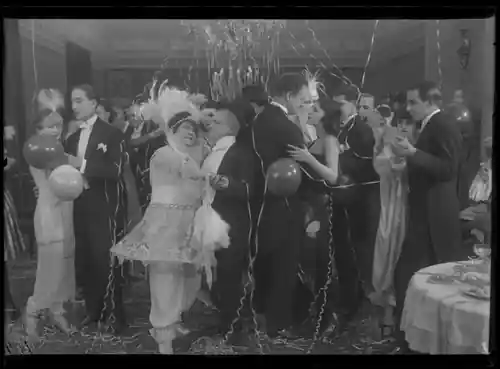
In a nod to the cinematic traditions of the era, Polis Paulus' påskasmäll recalls the works of filmmakers like those found in On with the Show and Alsace, wherein the interplay between characters serves as a primary narrative driver. This approach, also evident in films like The Song of Songs and The Counterfeit Trail, allows the audience to engage with the film on a deeper level, parsing the subtle cues and themes that underpin the narrative.
Polis Paulus' påskasmäll grapples with themes that resonate deeply with contemporary audiences, including the complexities of human relationships and the blurred lines between reality and appearance. This focus on character-driven storytelling, also evident in films like Riders of the Law and The Jack Rider, serves to underscore the film's exploration of the human condition. As the narrative unfolds, the audience is invited to reflect on the nature of deception and connection, a duality that lies at the heart of the film.
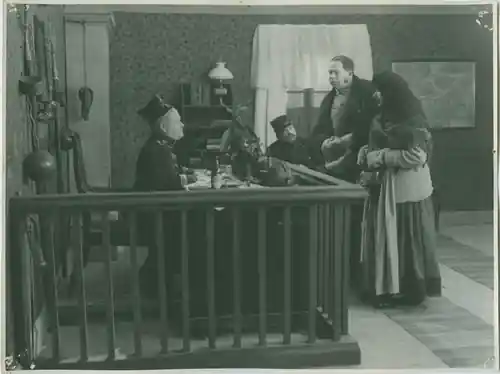
In a climactic scene, Anne Marie's observations come to a head, forcing her to confront the reality of the hotel's ecosystem. This Forsaking All Others-like moment of reckoning serves as a testament to the film's ability to balance humor and pathos, underscoring the complexities of human relationships. A Shuffle the Queens-esque attention to character dynamics allows the audience to become fully invested in the world of Polis Paulus' påskasmäll, where the lines between reality and appearance are expertly blurred.
Polis Paulus' påskasmäll stands as a significant contribution to the cinematic landscape, offering a nuanced exploration of human relationships and deception. This film, much like Barnaby's Grudge and The Great Day, rewards close attention, inviting the audience to engage with its themes and characters on a deeper level. As a cinematic experience, Polis Paulus' påskasmäll promises to resonate with audiences, offering a rich tapestry of characters and themes that linger long after the credits roll.

IMDb 6.1
1933
Community
Log in to comment.