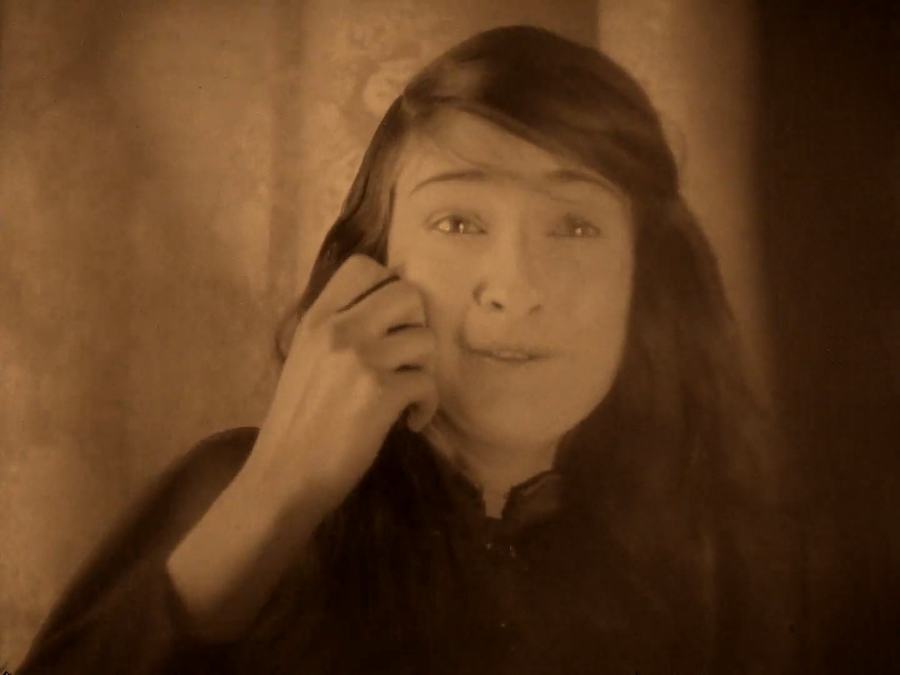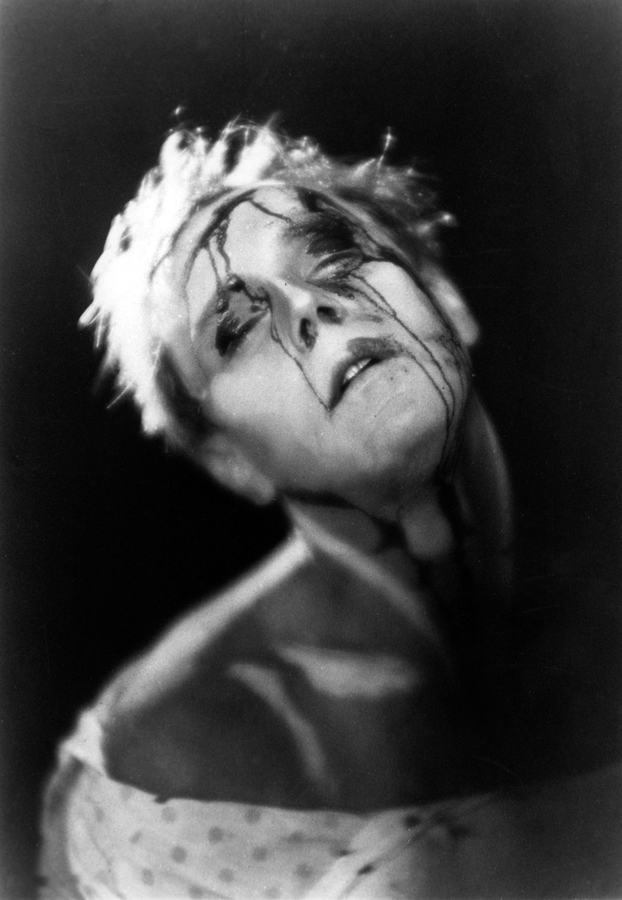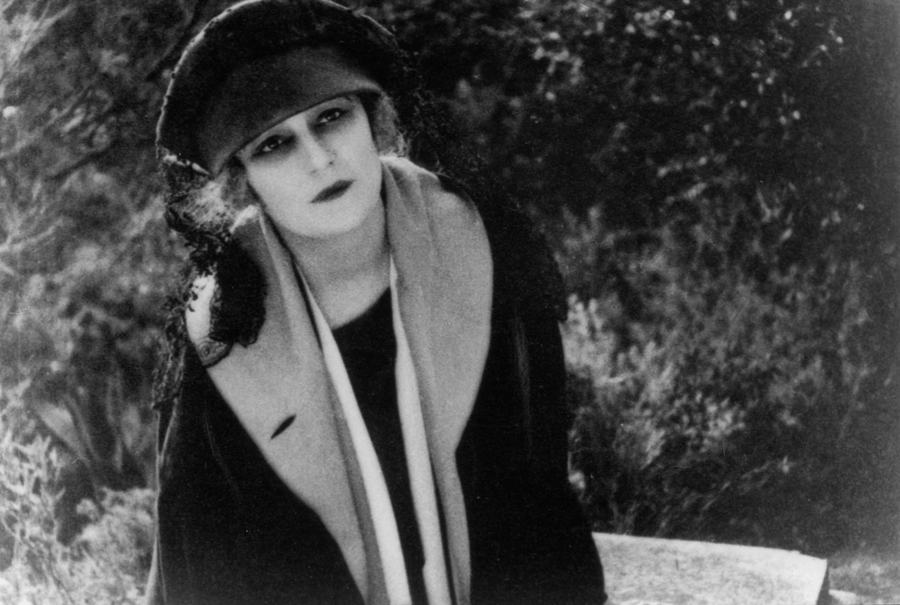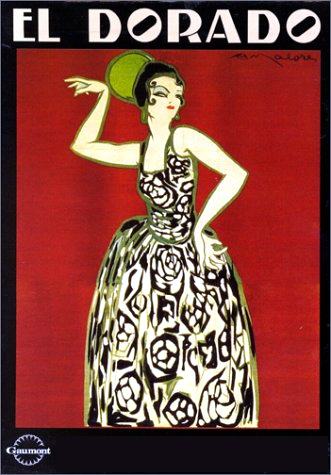
Sibilla is a single mother, working as a gypsy dancer in a lousy cafe in the south of Spain. Unable to keep with the costs of his son's medical bills, she asks for help to Estiria, her son's biological father and one of the richest men in town.
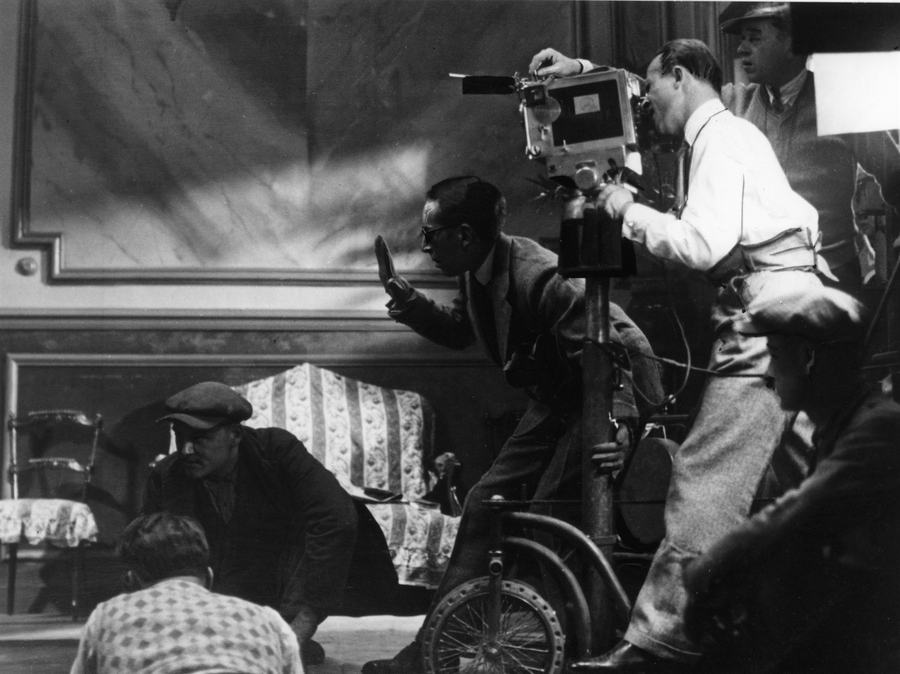
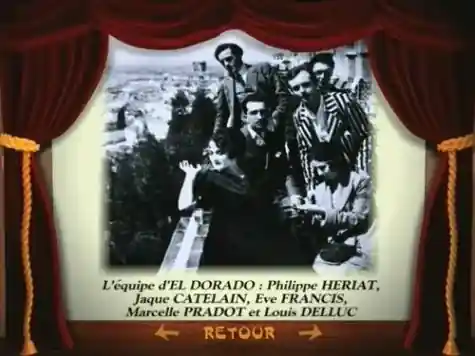
The first miracle of Eldorado is that it exists at all. Shot in the bruised autumn of 1921, when Europe still coughed up the soot of a war that had evaporated its young men, Marcel L’Herbier’s fever dream was financed by a consortium of Andalusian nitrate barons who wanted a cosmopolitan calling card for their seaside...

product

product
product

product
product
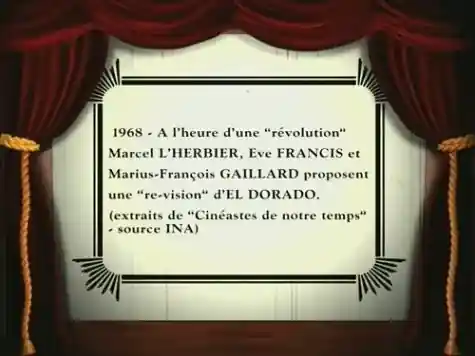
product
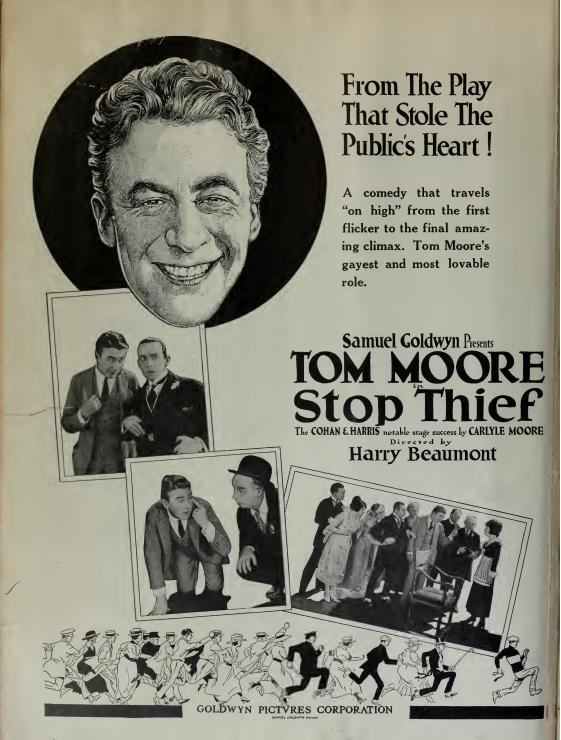
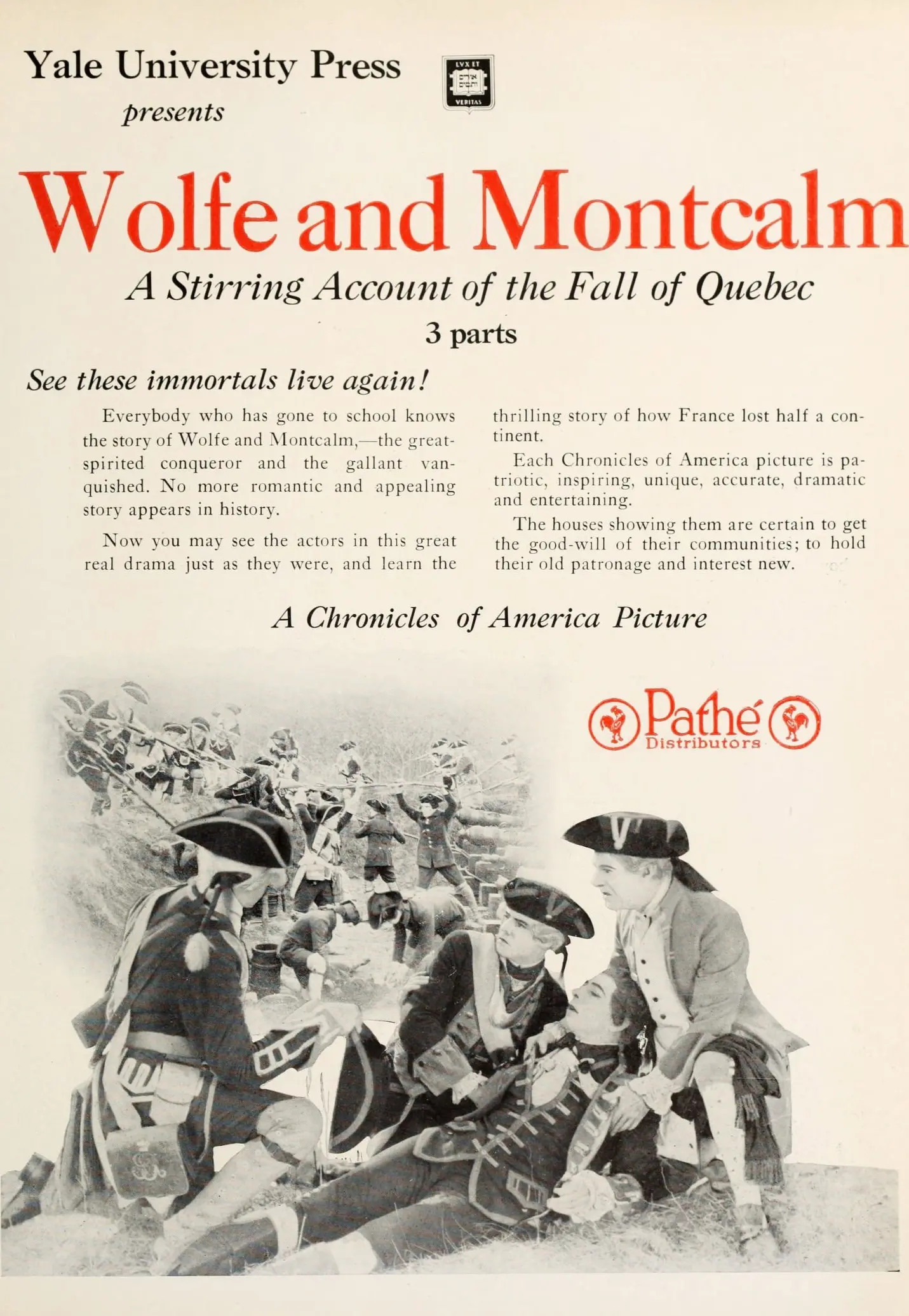
Comparing the cinematic DNA and archive impact of two defining moments in cult history.
Marcel L'Herbier
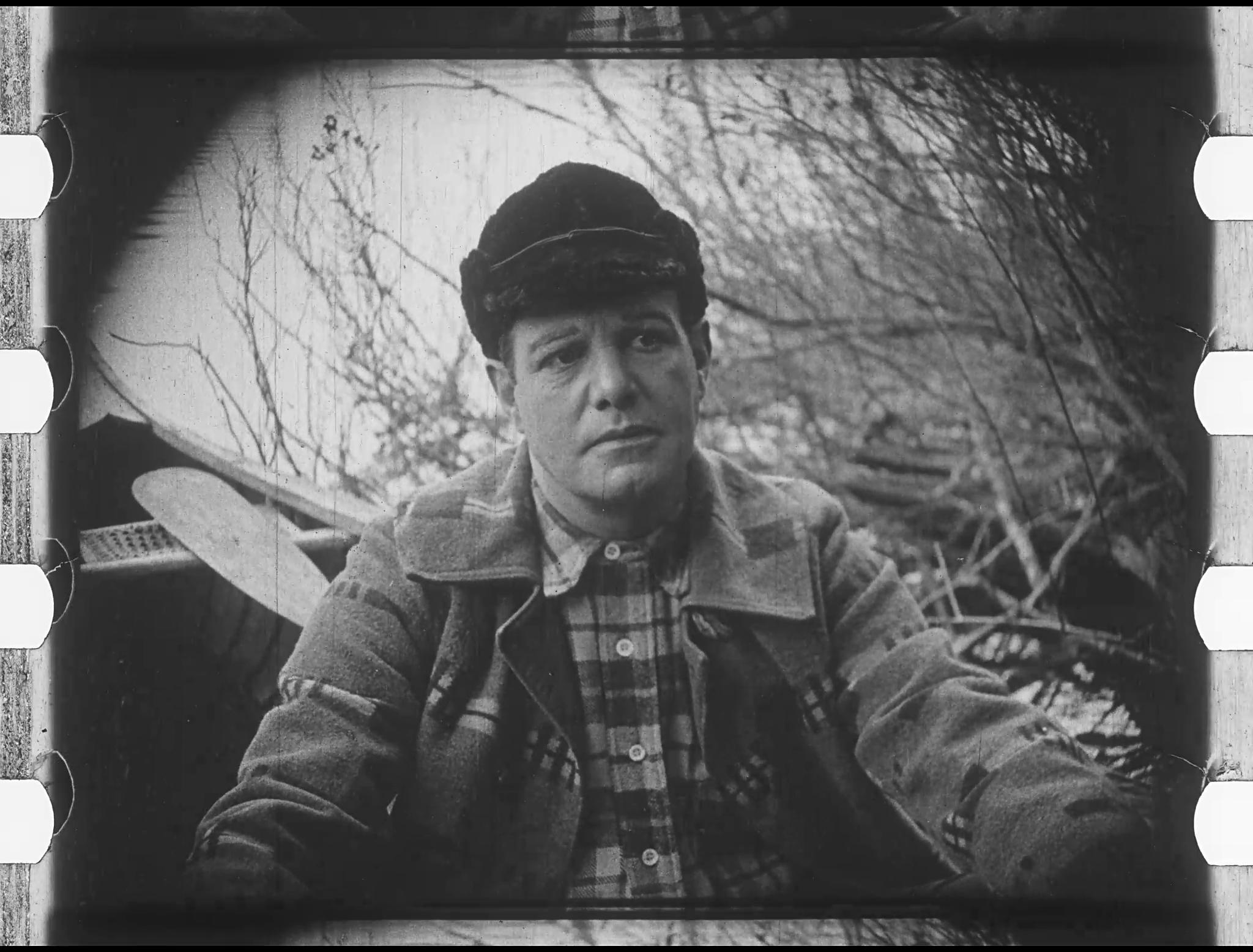
Edgar Jones
Community
Log in to comment.
" The first miracle of Eldorado is that it exists at all. Shot in the bruised autumn of 1921, when Europe still coughed up the soot of a war that had evaporated its young men, Marcel L’Herbier’s fever dream was financed by a consortium of Andalusian nitrate barons who wanted a cosmopolitan calling card for their seaside resort. They got instead a howl of maternal ire so lacerating that censors in Madrid snipped out entire reels, convinced the film might germinate revolt among domestic workers. Wh..."
Jaque Catelain
Marcel L'Herbier
France