DbcultAccessing Vault...
Cult Review
Senior Film Conservator
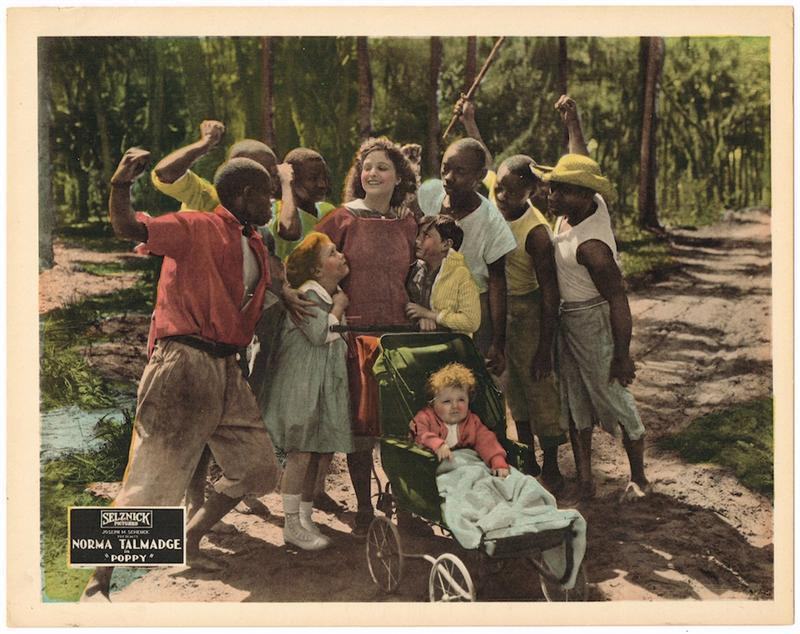
The 1917 production of Poppy, directed by the often-underappreciated Edward José, stands as a monumental pillar in the silent era's cinematic architecture. It is not merely a film; it is a sprawling, chthonic odyssey that navigates the treacherous waters of colonial South Africa, motherhood, and the eventual catharsis of the creative spirit. Based on the evocative prose of Cynthia Stockley, the screenplay—crafted by a collective of minds including John P. Ritter, Ben Teal, and José himself—manages to distill a complex, often harrowing novel into a visual tapestry that resonates with a surprisingly modern psychological depth.
The film opens with a stark, almost oppressive sense of place. The African landscape is not depicted as a romanticized frontier, but as a crucible that tests the very limits of human endurance. Norma Talmadge, in a performance that arguably defines the zenith of her career, portrays Poppy Destinn with a luminosity that contrasts sharply with the gritty reality of her surroundings. Unlike the more pastoral struggles found in Betty of Greystone, the hardships here are visceral and unforgiving. Poppy is an orphan, a status that in the early 20th century was synonymous with a lack of social existence. Her 'unwitting' marriage to an abusive man is a sequence filmed with a claustrophobic intensity, highlighting the legal and social traps that ensnared women of the era.
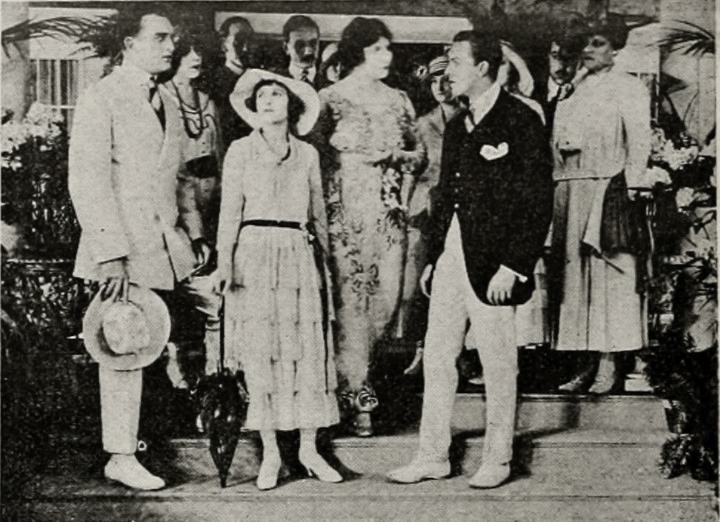
The cinematography captures the vastness of the veldt, yet focuses on the minute tremors of Talmadge's expressions. Every flicker of hope and subsequent shadow of terror is documented with a precision that predates the sophisticated close-up techniques of later decades. In this regard, the film shares a certain thematic kinship with the epic scale of suffering found in Les Misérables, though it trades the urban squalor of Paris for the sun-bleached isolation of the African interior.
The introduction of Eugene O'Brien's character, Sir Glynne, injects a layer of surrealism into the narrative. His amnesia is more than a convenient plot device; it is a philosophical inquiry into the nature of identity. When he and Poppy fall in love, they exist in a vacuum, untethered from the societal norms and personal histories that otherwise dictate their lives. This segment of the film is bathed in a softer, almost ethereal light, providing a brief respite from the harshness of the opening act. The chemistry between Talmadge and O'Brien is palpable, transcending the often-stilted romantic conventions of 1917.
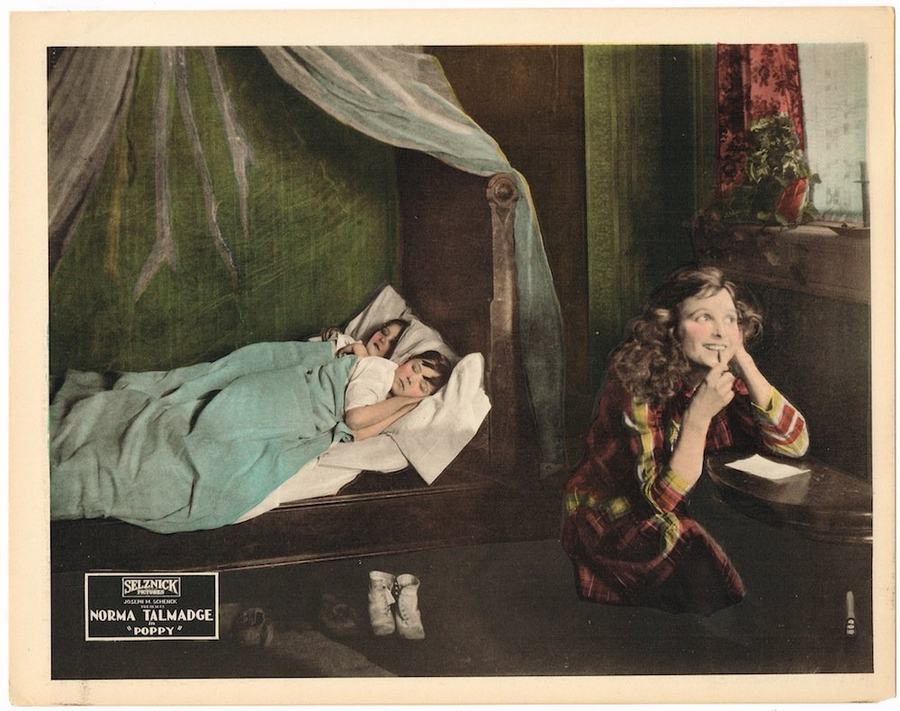
However, this paradise is inherently transient. The pregnancy that follows is the catalyst for Poppy’s eventual flight. It is here that the film diverges from contemporaries like Runaway June. While June’s flight is often framed through a lens of social comedy or light drama, Poppy’s escape is a desperate bid for survival. The weight of her secret, and the physical reality of her condition, adds a layer of tension that is almost unbearable. The film masterfully utilizes silence—not as an absence of sound, but as a presence that amplifies the protagonist’s internal monologue.
The final act of Poppy is perhaps its most radical departure from traditional melodrama. Poppy’s arrival in London and her subsequent rise as a novelist is a sequence that celebrates female intellectualism and agency. The act of writing becomes her redemption. By transmuting her suffering into fiction, she gains mastery over her own narrative—a feat rarely afforded to female protagonists in early cinema. This transition is handled with a sophisticated use of montage, showing the passage of time and the sharpening of her intellect.
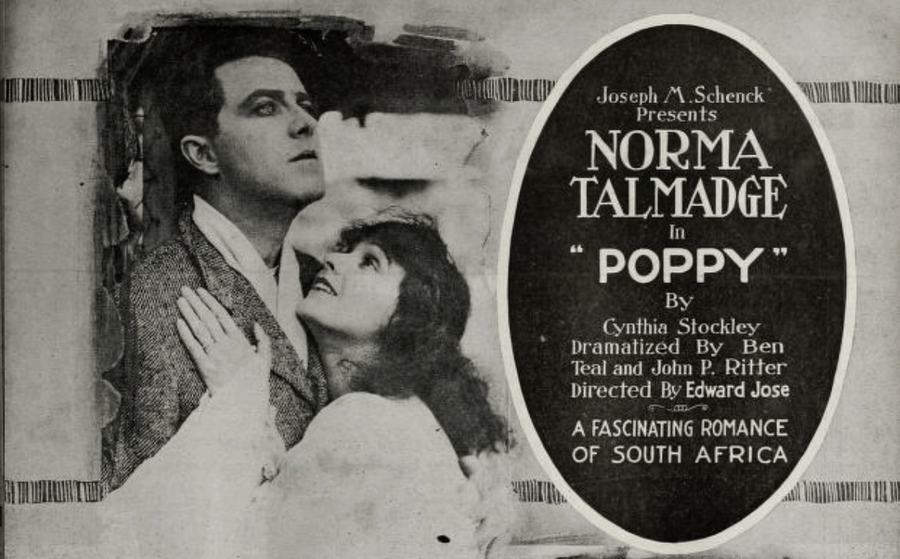
This evolution invites a fascinating comparison to The Silent Voice, where the struggle for expression is central to the character's arc. However, Poppy’s voice is not found through speech, but through the ink of her pen. The film suggests that while the body can be broken and the memory can be lost, the creative spirit remains an indomitable force. The supporting cast, including Frederick Perry and Marie Haynes, provide a sturdy framework for Talmadge to shine, though they often feel like orbiting satellites to her central, burning sun.
"Poppy is a masterclass in the economy of emotion. Every frame is saturated with a sense of inevitability, yet the protagonist's eventual triumph feels earned, not through divine intervention, but through the sheer force of her will to exist beyond her trauma."
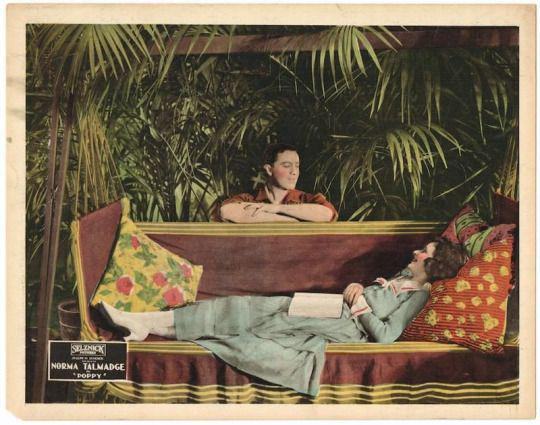
From a technical perspective, Poppy is a triumph of early studio craftsmanship. The set designs, which recreate the dusty outposts of South Africa and the sophisticated drawing rooms of London, are rendered with an eye for detail that lends the film an air of authenticity. The lighting, particularly in the scenes involving the amnesiac Sir Glynne, utilizes a chiaroscuro effect that highlights the duality of his character—the man who is, versus the man who was. This visual sophistication is reminiscent of the atmospheric work seen in The Mysterious Mr. Tiller, though applied here to a much broader emotional canvas.
The pacing of the film is deliberate, allowing the audience to sit with Poppy’s grief before offering the release of her success. This is a far cry from the frantic energy of films like Are You a Mason?, which relies on a rapid-fire succession of events. Instead, José trusts the strength of his lead actress and the resonance of the source material. The inclusion of Jack Meredith and Edna Whistler in the ensemble adds a layer of social texture, grounding the more heightened elements of the plot in a recognizable reality.
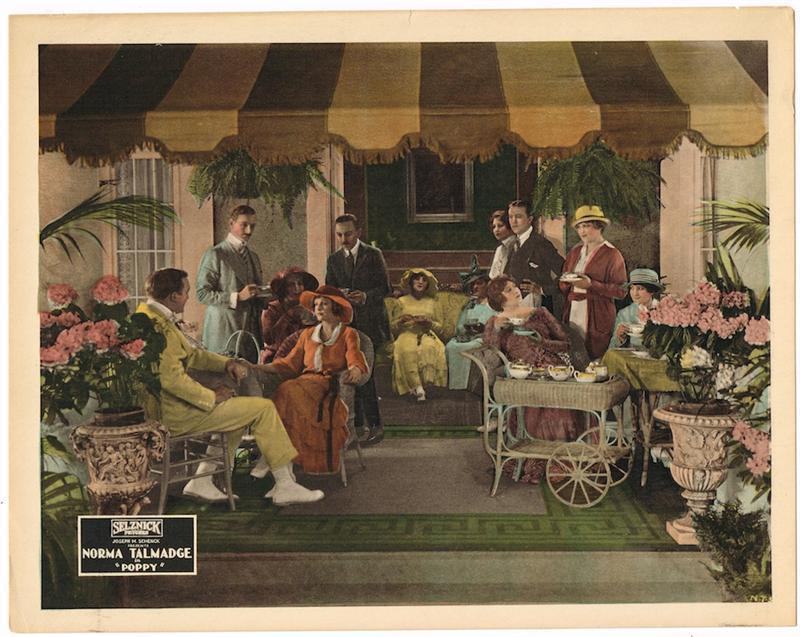
In the pantheon of silent cinema, Poppy deserves a place alongside the most celebrated works of the era. It tackles themes that remain startlingly relevant: the exploitation of the vulnerable, the erasure of identity, and the power of art to heal. While some might find the plot's reliance on amnesia to be a remnant of Victorian melodrama, the execution is so earnest and the emotional stakes so high that it transcends its tropes. It is a film that demands to be seen not as a historical curiosity, but as a living, breathing work of art.
When compared to the labor-focused drama of The Toilers or the spiritual inquiries of Spiritisten, Poppy stands out for its intimate focus on the female psyche. It is a precursor to the great psychological dramas of the 1920s and 30s, proving that even in the infancy of the medium, filmmakers were capable of exploring the deepest recesses of the human heart. The final shots of the film, showing Poppy not just as a survivor, but as a creator, are among the most empowering images in early cinema.
Ultimately, Poppy is a testament to the enduring power of Norma Talmadge. Her ability to carry the weight of such a complex narrative with grace and ferocity is a reminder of why she was one of the greatest stars of her generation. For those seeking a silent film that offers more than just spectacle, this is an essential viewing experience—a profound meditation on the journey from the darkness of the veldt to the light of the literary world.
Cast: Frederick Perry, Dorothy Rogers, Marie Haynes, Norma Talmadge, Jack Meredith, Eugene O'Brien, Edna Whistler.
Writers: Cynthia Stockley, John P. Ritter, Ben Teal, Edward José.
IMDb 5.1
1935
Community
Log in to comment.