DbcultAccessing Vault...
5.7/10
Senior Film Conservator
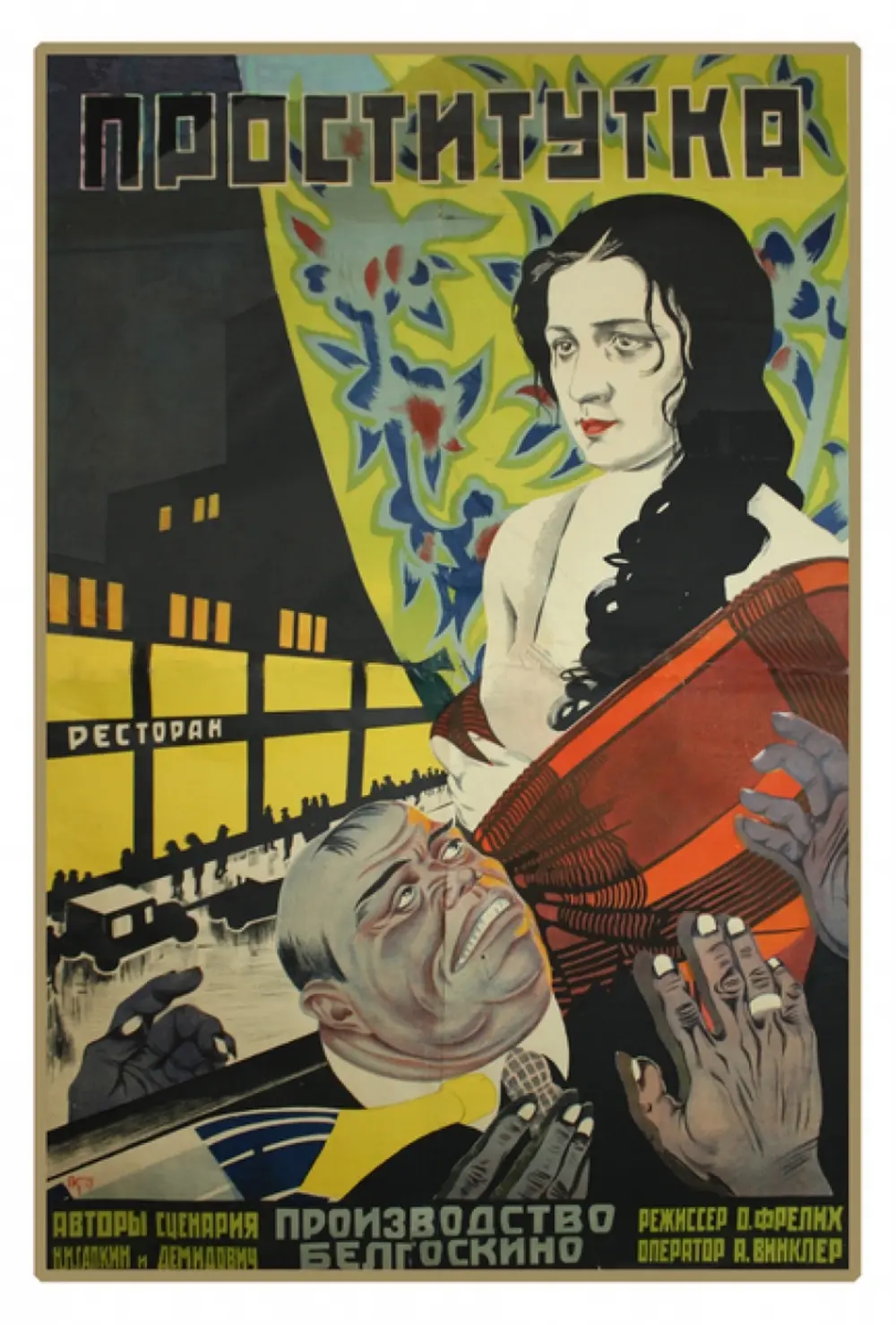
A definitive 5.7/10 rating for a film that redefined the boundaries of cult cinema. Prostitutka remains a cornerstone of transgressive art.
Does this silent Soviet relic still hold power in the modern age? Short answer: yes, but it requires a viewer willing to look past the agitprop to find the human suffering beneath.
This film is for the dedicated cinephile and the amateur historian who wants to see the 'unwashed' face of the 1920s Soviet Union. It is absolutely not for those seeking lighthearted escapism or the polished narrative structures of modern Hollywood. If you cannot handle the slow, deliberate pacing of silent social realism, you will find this a difficult sit.
1) This film works because it balances raw human tragedy with a sophisticated formalist visual style that refuses to look away from the gutter. 2) This film fails because its propaganda-driven conclusion feels detached from the gritty, honest reality of the first two acts. 3) You should watch it if you want to see how early cinema attempted to solve social crises through a lens of radical empathy and cold political calculation.
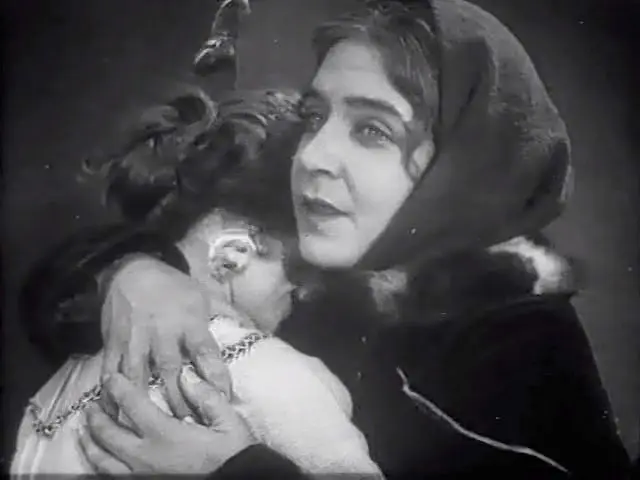
Prostitutka is a film that feels like it was shot in the very dirt it depicts. Directed by Noi Galkin and co-written by the legendary formalist Viktor Shklovskiy, the movie eschews the grandiosity of Eisenstein's montages for something more grounded and, frankly, more depressing. The Moscow we see here isn't the shining capital of a worker's paradise; it is a city of dark alleys, cramped basements, and predatory shadows. The cinematography captures the claustrophobia of poverty with a precision that predates the American film noir movement by nearly two decades.
One specific scene that stands out is Lyuba’s first night on the street. The camera stays at a low angle, making the looming figures of potential clients appear monstrous and overwhelming. It’s a technique that emphasizes her total loss of agency. When compared to other films of the era like The City, Prostitutka feels significantly more dangerous. While other films might romanticize the urban experience, Galkin treats the city as a predator that slowly consumes the vulnerable. The rhythmic editing in the factory scenes provides a sharp contrast to the chaotic, uneven pacing of the street life, suggesting that the only safety to be found is in the structured labor of the state—a clear ideological message, but one delivered with visual flair.
The involvement of Viktor Shklovskiy is evident in the film’s structure. Shklovskiy was a proponent of 'estrangement'—making the familiar seem strange to force the audience into a new understanding. In Prostitutka, he applies this to the concept of the 'fallen woman.' By showing the mechanical, almost bureaucratic nature of how these women are forced into prostitution, he strips away the Victorian melodrama often found in films like Chickie or Wild Primrose. Instead of focusing on 'sin,' the script focuses on the price of bread, the cost of a room, and the lack of a social safety net.
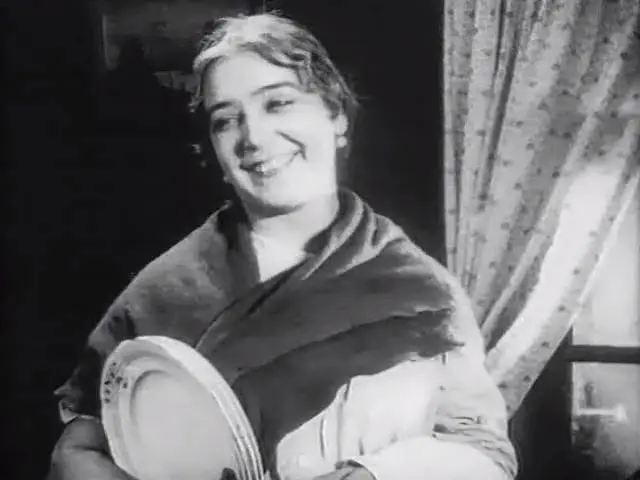
The performances, particularly by E. Toeplitz as Lyuba, are surprisingly restrained for the silent era. There is a specific moment where Lyuba looks at her reflection after her first night of work. There are no grand gestures or weeping; there is only a hollow, dead-eyed stare that communicates more than any intertitle could. This minimalism is a hallmark of the best Soviet acting of the period, and it makes the character’s plight feel agonizingly real. It’s a far cry from the heightened theatrics seen in The Hell Ship, opting instead for a psychological depth that was rare for 1926.
Yes, Prostitutka is an essential watch for anyone interested in the intersection of early Soviet politics and social realism. It provides a rare, unvarnished look at the failures of the New Economic Policy era. The film is particularly valuable for its historical accuracy regarding 1920s urban life and its attempt to use cinema as a tool for social hygiene and reform.
The film’s decision to follow three different women is its greatest strength. It prevents the story from becoming a singular 'victim' narrative. By showing three different paths to the same destination, the film argues that prostitution is an inevitable outcome of economic instability rather than a personal moral failing. This structural choice reminds me of the thematic entrapment found in Souls Enchained, though Prostitutka is much more explicit in its political prescriptions.
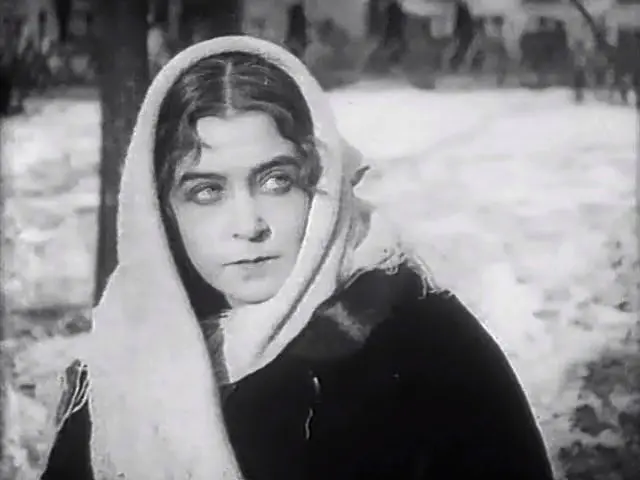
However, the film is not without its flaws. The third act takes a sharp turn into heavy-handed propaganda. The sudden introduction of state-run clinics and the miraculous rehabilitation of the characters feels unearned after the visceral tragedy of the first hour. It’s as if the filmmakers were forced to provide a 'happy' socialist ending to satisfy the censors, even if it contradicted the bleak reality they had so carefully constructed. It works. But it’s flawed. The transition from the dark, expressionistic streets to the bright, sterile halls of the Soviet institution is jarring and lacks the emotional resonance of the earlier scenes.
Pros: Stark, honest portrayal of poverty; exceptional use of shadows and lighting; historically significant script by Shklovskiy; restrained and powerful lead performance.
Cons: Pacing can feel glacial to modern audiences; the propaganda elements in the finale are incredibly thick; some secondary characters are one-dimensional villains.
Prostitutka is a difficult, demanding, and ultimately rewarding piece of cinema. It stands as a testament to a time when filmmakers believed that movies could—and should—be used to diagnose and cure the ills of society. While the 'cure' presented in the film's final moments is debatable and dated, the diagnosis of human suffering remains sharp and painful. It is a vital historical document and a surprisingly modern piece of visual storytelling that deserves to be discussed alongside the better-known classics of the Soviet Golden Age. It is a brutal, honest, and essential relic.
IMDb —
1915
Community
Log in to comment.