DbcultAccessing Vault...
Cult Review
Senior Film Conservator
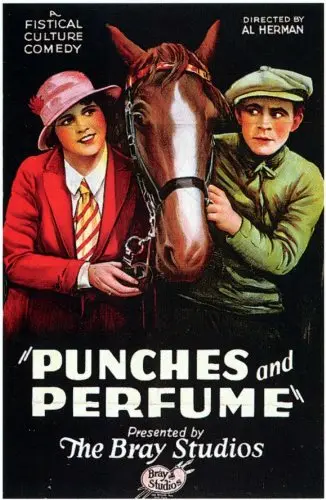
Does 'Punches and Perfume' still hold up as a compelling watch in today's cinematic landscape? Short answer: yes, but with significant caveats that demand a certain appreciation for early filmmaking. This film is an absolute must-see for ardent silent film aficionados, historians, and those fascinated by the foundational narratives of early cinema.
Conversely, viewers accustomed to modern pacing, intricate character development, or high-fidelity sound design will likely find its charms elusive and its structure challenging, potentially mistaking its period-specific conventions for flaws.
This film works because of its raw, unvarnished depiction of primal human motivations—revenge and protection—delivered with a surprising narrative efficiency for its era. This film fails because its technical limitations occasionally overshadow its emotional core, with some performances feeling more theatrical than genuinely felt, a common pitfall of early cinema. You should watch it if you appreciate the historical significance of early cinema, enjoy clear-cut, emotionally driven narratives, and are willing to overlook a certain lack of sophisticated nuance in favor of pure storytelling.
'Punches and Perfume' unfolds with a directness that is both refreshing and, at times, stark. The narrative wastes little time establishing its central conflict: a journeyman boxer, whose name we infer through his actions, finds his world upended when his partner is attacked by a rival. This isn't a slow burn; it's a spark that ignites immediate, primal fury.
The film's strength lies in its ability to articulate this raw motivation without dialogue, relying heavily on visual cues and the dramatic weight of intertitles. The manager's pragmatic assessment—that our hero is 'not ready'—serves as a crucial pivot, forcing the protagonist to move beyond brute force and into strategic cunning. This refusal of immediate gratification, a common trope in later action films, feels particularly potent in its early cinematic incarnation.
Pacing, as with many silent films, operates on a different rhythm than contemporary cinema. There are moments of deliberate stillness, allowing the audience to absorb the emotional weight of a character's expression, followed by bursts of action or rapid cuts that propel the plot forward. The revenge plot, while simple, is executed with a surprising degree of tension, as the boxer's 'plan' slowly materializes, building anticipation.
I would argue that the film’s greatest strength lies not in its boxing sequences, which are rudimentary by modern standards, but in its surprising psychological depth regarding a man's honor. It explores the internal conflict of a man torn between professional discipline and personal vengeance. The 'perfume' in the title, while seemingly incongruous with 'punches,' hints at a more refined, perhaps even deceptive, approach to conflict resolution than mere fisticuffs.
The ensemble of 'Punches and Perfume' delivers performances characteristic of the silent era, often leaning into broad gestures and exaggerated facial expressions to convey emotion. Yet, within this theatricality, there are moments of genuine impact.
Charles Sullivan, as the journeyman boxer, anchors the film with a portrayal that balances stoicism with simmering rage. His eyes, in particular, do much of the heavy lifting, conveying a depth of feeling that transcends the limitations of the medium. When his 'gal' is attacked, Sullivan doesn't just react; he visibly processes the injustice, a quiet storm brewing behind a determined facade. This is crucial for selling the subsequent strategic shift.
Betty May or Wanda Wiley, playing the boxer's beloved, brings a necessary vulnerability to her role. Her distress is the catalyst, and her performance, though brief in its impactful moments, effectively establishes the stakes. Without her believable portrayal of fear and suffering, the boxer's drive for revenge would feel less earned.
Lewis Sargent, likely the rival boxer, embodies the antagonist with a sneering physicality that leaves little doubt as to his villainy. His presence is effectively menacing, a clear foil to Sullivan's more honorable, if vengeful, protagonist. It’s a performance designed to elicit clear audience antipathy, and it succeeds.
Henry Roquemore, as the manager, represents the voice of reason, or perhaps caution. His performance is key to creating internal conflict for the hero. Roquemore’s gestures and expressions convey a world-weary wisdom, a man who understands the harsh realities of the boxing world and the importance of timing. He’s not simply an obstacle, but a reflection of the professional code that the boxer must momentarily circumvent.
It’s a bold claim, but 'Punches and Perfume' offers a more authentic glimpse into the era's working-class anxieties and codes of honor than many of its more celebrated contemporaries, even if unintentionally. The performances, while occasionally teetering on melodrama, largely serve the straightforward storytelling with an earnest commitment.
The direction in 'Punches and Perfume,' while uncredited, demonstrates a clear understanding of silent film conventions. The camera work, though largely static by today's standards, is effective in framing the action and emphasizing emotional beats. Close-ups are used judiciously to highlight character reactions, particularly Sullivan's internal struggle and the rival's overt malice.
The cinematography, while not groundbreaking, effectively uses available lighting to create mood. Interior scenes often have a slightly gritty, realistic feel, contrasting with the potentially brighter, more idealized world of the boxing ring itself. There’s a utilitarian beauty to how the director captures the physical confrontation and the quieter moments of strategic planning.
One notable aspect is the sequence depicting the 'plan' coming to fruition. The director relies on visual storytelling to communicate the complexities of the boxer's strategy without lengthy explanatory intertitles. This visual shorthand, a hallmark of skilled silent filmmaking, keeps the narrative flowing and maintains audience engagement. It’s a testament to the era’s best filmmakers that they could convey intricate plots through purely visual means.
Compared to the more elaborate productions of films like The Luring Lights or the dramatic flair of A Woman's Honor, 'Punches and Perfume' opts for a more grounded, less overtly stylized approach. This choice, whether deliberate or due to production constraints, lends the film a certain raw authenticity that aligns well with its working-class boxing theme.
At its core, 'Punches and Perfume' is a story about justice and personal honor. It grapples with the age-old question of how a man responds when the systems around him fail to provide immediate redress. The manager's advice, while sound from a professional standpoint, highlights the inadequacy of formal structures when confronted with deeply personal wrongs. This forces the protagonist into a realm of self-reliance and creative problem-solving.
The film also subtly touches upon themes of masculinity and vulnerability. The boxer, a figure of physical prowess, is shown to be deeply affected by an attack on his loved one, transforming him from a simple competitor into a protector and avenger. This humanization of the strongman archetype adds an unexpected layer of emotional resonance.
Its legacy lies in its contribution to the nascent genre of sports dramas and revenge narratives. While perhaps not as widely remembered as other silent classics, it provides a valuable insight into the foundational storytelling techniques that would evolve into complex cinematic tropes. It’s a blueprint for countless films that would follow, exploring similar themes of underdog determination and the pursuit of personal justice.
The unconventional observation here is how the film, despite its simple premise, manages to champion intellect over brute strength. The 'plan' isn't just about winning a fight; it's about outsmarting an opponent, a subtle but significant deviation from what one might expect from a straightforward boxing picture of the era. This element elevates it beyond mere physical spectacle.
Absolutely, 'Punches and Perfume' is worth watching today for specific audiences. It offers a fascinating window into early 20th-century filmmaking and societal values. For those interested in film history, it's an essential viewing.
The film's straightforward narrative provides a clear example of effective visual storytelling without dialogue. It demonstrates how early directors could build tension and character through action and expression alone. It works. But it’s flawed.
If you're new to silent cinema, it serves as an accessible entry point due to its universal themes. However, be prepared for a different cinematic experience. Modern viewers might find the pace slow or the acting style overly dramatic at times.
It’s a piece of living history, a testament to the power of cinema’s infancy. Its value is less about contemporary entertainment and more about understanding the roots of the art form. Watch it with an open mind and an appreciation for its historical context.
'Punches and Perfume' is more than just a historical curiosity; it's a compelling, if rudimentary, piece of early cinema that deserves a re-evaluation. While it certainly wears its age, its core narrative of personal justice and strategic retaliation remains potent. It's not a film to be judged by contemporary metrics, but rather appreciated for its foundational contributions to cinematic storytelling.
For those willing to engage with its unique rhythm and visual language, this film delivers an authentic punch, demonstrating that even in silence, powerful emotions and intricate plans can resonate. It's a valuable watch for anyone serious about understanding the roots of film, proving that even a journeyman effort can leave a lasting impression. Highly recommended for the discerning cinephile, but approach with an informed perspective.
IMDb —
1919
Community
Log in to comment.