DbcultAccessing Vault...
Cult Review
Senior Film Conservator
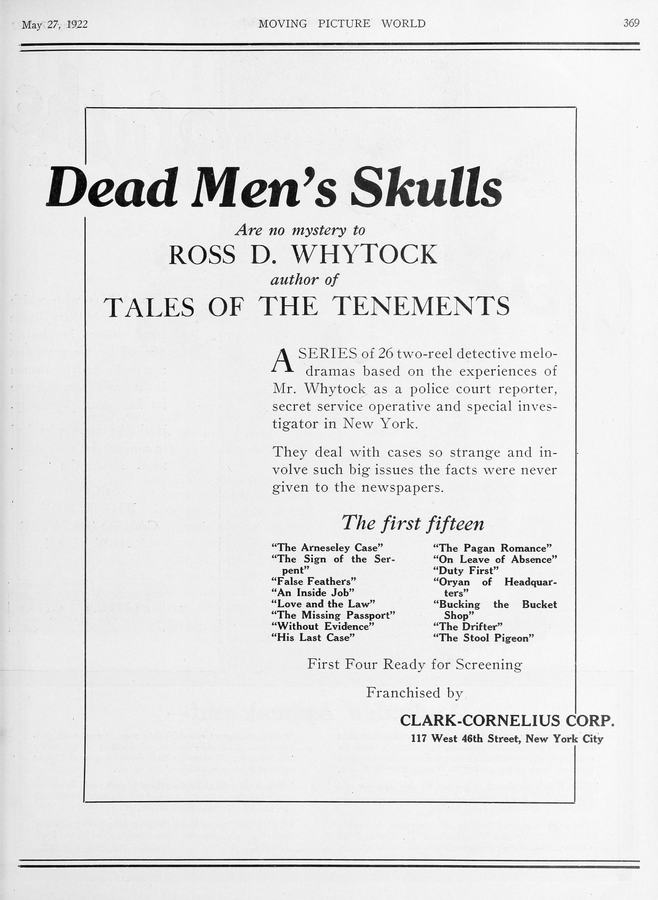
The silent film Love and the Law, released in 1922, is a cinematic gem that weaves a complex narrative around the themes of love, morality, and the law. With Walter Miller and Nellie Burt at the helm, the film takes the audience on a journey of self-discovery and the relentless pursuit of happiness, set against the backdrop of societal norms and legal constraints. The screenplay, penned by Ross D. Whytock, who also stars in the film, is a masterful exploration of the human condition, delving into the intricacies of the heart and the mind.
As the story unfolds, the audience is introduced to a world where the law is paramount, and any transgression is met with severe consequences. Yet, it is within this rigid framework that the beauty of love and the human spirit manage to flourish. The film's narrative is reminiscent of other cinematic works from the era, such as The Children in the House and Hearts of Love, which also explored the complexities of human relationships and the societal norms that govern them.
One of the standout aspects of Love and the Law is its thoughtful pacing, which allows the audience to absorb the depth of the characters' emotions and the nuances of the storyline. The film's use of title cards and visual metaphors adds to its poetic quality, making it a truly immersive experience. The cinematography, though a product of its time, captures the essence of the characters and their surroundings, drawing the viewer into the world of the film.
In comparison to other films from the same era, such as Maria Magdalena and Flimmersterne, Love and the Law stands out for its mature handling of complex themes. The film's exploration of the human condition, with all its flaws and virtues, is both poignant and thought-provoking, inviting the audience to reflect on their own values and beliefs.
The cast, comprising Walter Miller, Ross D. Whytock, and Nellie Burt, delivers powerful performances that bring depth and nuance to the film. Their portrayals of characters navigating the intricacies of love, law, and morality are both captivating and relatable, making the story feel intensely personal and universally relevant.
The film's themes and motifs are also echoed in other cinematic works, such as Arshin mal-alan and The Love Hunger, which explore the complexities of human relationships and the societal norms that govern them. However, Love and the Law stands out for its unique blend of drama, romance, and social commentary, making it a compelling watch for audiences interested in the silent film era.
In the context of the silent film era, Love and the Law is a significant work that showcases the medium's ability to tell complex, emotionally resonant stories. The film's influence can be seen in later works, such as David Harum and Wives of Men, which also explored the intricacies of human relationships and the societal norms that govern them.
The film's use of visual elements, such as lighting and composition, adds to its overall aesthetic, creating a dreamlike atmosphere that immerses the viewer in the world of the story. The cinematography, though limited by the technology of the time, is nonetheless effective in conveying the emotions and themes of the film. The use of title cards, with their elegant typography and poetic language, adds to the film's literary quality, making it a truly unique cinematic experience.
In comparison to other films from the same era, such as Das Land der Sehnsucht and Der siebente Tag, Love and the Law stands out for its thoughtful pacing and nuanced character development. The film's exploration of the human condition, with all its complexities and contradictions, is both poignant and thought-provoking, inviting the audience to reflect on their own values and beliefs.
The film's influence can also be seen in later works, such as Torchy's Frame-Up and It's a Great Life, which also explored the complexities of human relationships and the societal norms that govern them. However, Love and the Law remains a unique and compelling work, with its own distinct voice and vision.
In conclusion, Love and the Law is a cinematic masterpiece that showcases the power of silent film to tell complex, emotionally resonant stories. With its thoughtful pacing, nuanced character development, and poetic visual elements, the film is a must-see for audiences interested in the silent film era. The film's exploration of the human condition, with all its complexities and contradictions, is both poignant and thought-provoking, inviting the audience to reflect on their own values and beliefs. As a work of cinematic art, Love and the Law is a testament to the enduring power of film to capture the human experience in all its beauty and complexity.
The film's legacy can also be seen in later works, such as Full of Pep and Odette, which also explored the complexities of human relationships and the societal norms that govern them. However, Love and the Law remains a unique and compelling work, with its own distinct voice and vision. The film's influence can also be seen in the work of later filmmakers, who have been inspired by its thoughtful pacing, nuanced character development, and poetic visual elements.
In the end, Love and the Law is a film that will continue to captivate audiences with its timeless themes and beautifully crafted narrative. As a work of cinematic art, it is a testament to the power of film to capture the human experience in all its beauty and complexity. With its unique blend of drama, romance, and social commentary, Love and the Law is a must-see for audiences interested in the silent film era, and a reminder of the enduring power of cinema to inspire, educate, and entertain.
The film's exploration of the human condition, with all its complexities and contradictions, is both poignant and thought-provoking, inviting the audience to reflect on their own values and beliefs. The use of visual elements, such as lighting and composition, adds to the film's overall aesthetic, creating a dreamlike atmosphere that immerses the viewer in the world of the story. The cinematography, though limited by the technology of the time, is nonetheless effective in conveying the emotions and themes of the film.
In comparison to other films from the same era, such as Her Price, Love and the Law stands out for its mature handling of complex themes. The film's exploration of the human condition, with all its flaws and virtues, is both poignant and thought-provoking, inviting the audience to reflect on their own values and beliefs. The use of title cards, with their elegant typography and poetic language, adds to the film's literary quality, making it a truly unique cinematic experience.
IMDb 6.8
1924
Community
Log in to comment.