DbcultAccessing Vault...
Cult Review
Senior Film Conservator
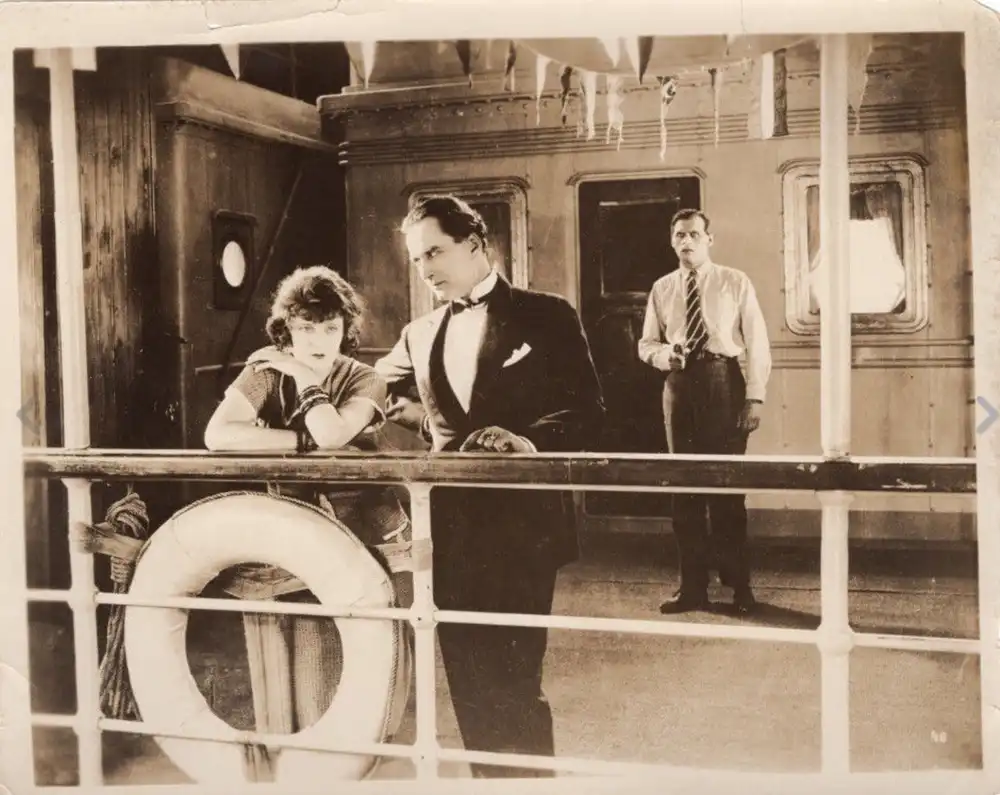
Okay, look, Racing Through isn't going to redefine your understanding of cinema, not by a long shot. But if you’re someone who actually enjoys digging into early film, who can appreciate the raw energy and often baffling choices of a silent picture, then yeah, give it a whirl. If you’re here expecting sleek narratives or subtle performances, turn back now. This is for the curious, the patient, the ones who find charm in the rough edges.
The film starts with a frantic energy that it mostly tries to maintain, though not always successfully. Mae Marsh, bless her, is all wide-eyed earnestness, as is her signature. There’s a scene early on, where she’s getting some terrible news, and the camera just pushes in on her face, and her eyes go from merely worried to almost comically huge. It’s a choice. You can practically feel the director saying, 'MAKE THEM FEEL IT!'
And you do feel something, just maybe not what they intended. It’s a very particular kind of acting, you know? All big gestures and lingering stares. Sometimes it works, sometimes it feels like she’s trying to send a semaphore message with her face.
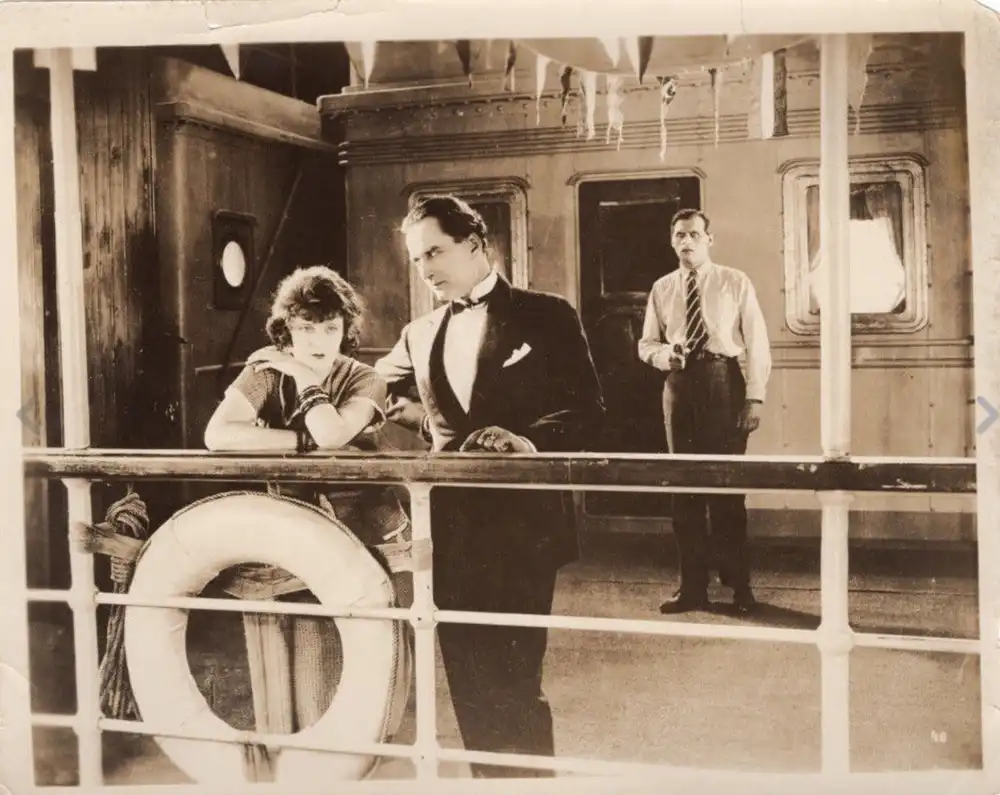
The pacing is… well, it’s a silent film. Some moments zip by in a blur of quick cuts, especially during the titular 'racing' sequence, which, I have to admit, doesn't quite live up to the promise. It’s a horse and buggy chase, I think? Or maybe an early automobile. The details blur a bit, but the impression is less 'thrilling pursuit' and more 'slightly sped-up footage of vehicles moving along a dusty road.' One shot of the villain, all sneering and gloating with a handlebar mustache, lingers for a beat too long, and you almost expect him to wink directly at the camera. He doesn't, but the thought crosses your mind.
There are these small, weird details that stuck with me. Like the way one of the background extras in the town square scene keeps glancing right into the lens, then quickly looks away, almost embarrassed. You see it for a split second, but it pulls you right out. Or the costume design for Mae Marsh, which is mostly fine, but there's this one hat she wears in a few scenes that seems about three sizes too big, constantly threatening to slip down over her eyes. It's a minor thing, but it’s distracting.
The intertitles, as expected, range from the poetic to the utterly blunt. 'SHE KNEW DESPAIR.' Okay, got it. One particular title card, after a particularly dramatic moment, just said 'BUT FATE HAD OTHER PLANS.' It felt like a shrug, like the writers just couldn't figure out a better transition.
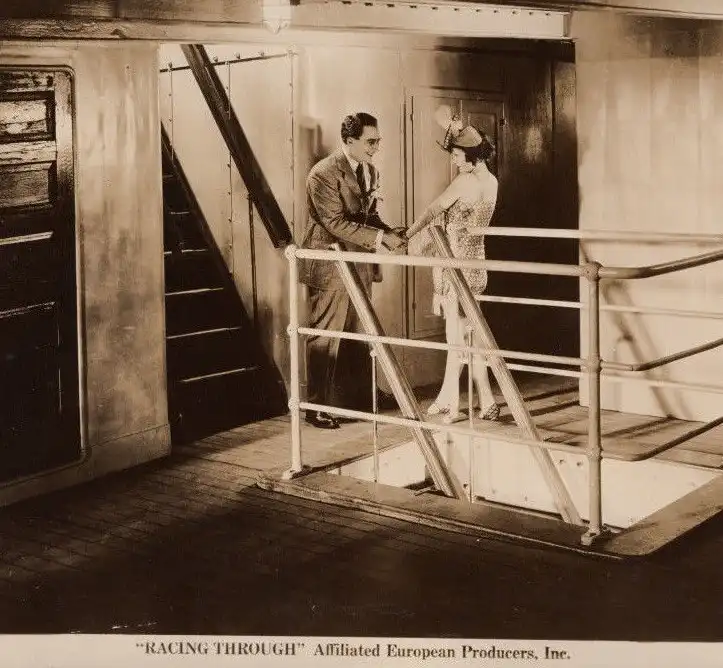
The second act really drags its feet. There’s a whole subplot involving some paperwork or a hidden will that could have been trimmed by a good ten minutes. It’s mostly people sitting around, looking worried, and then gesturing wildly at documents. The energy from the opening just dissipates, and you start checking your imaginary watch. This is where Lebenswogen, for all its own melodramatic flourishes, managed to keep a tighter grip.
Then, suddenly, the film remembers its title and kicks into high gear again. The final chase, or whatever it is, feels more urgent, even if the actual mechanics of it are a little unclear. There’s a real sense of Mae Marsh being truly, genuinely distressed, and for a few minutes, you actually forget the clunky hat and the staring extra.
The chemistry between Mae Marsh and her leading man (whose name frankly escaped me; he’s mostly there to look heroic and occasionally frustrated) is… serviceable. They do a lot of concerned glances at each other, and then a few relieved embraces. It’s not My American Wife levels of spark, but it does the job for the story they're telling. You believe they’re on the same side, anyway.
One moment that genuinely worked for me: there's a shot of a train approaching, and the way the shadows play across the tracks, it creates this really stark, almost unsettling image. It’s a brief flash of something genuinely cinematic, a hint of what the medium could do even then, without relying on exaggerated expressions or dramatic intertitles. It felt like a happy accident, almost.
Ultimately, Racing Through is a curious artifact. It’s not a masterpiece, and it’s certainly not going to win over anyone new to silent film. But for those of us who enjoy sifting through the early days, finding the little gems amidst the rough cuts, it offers enough peculiar charm and a few fleeting moments of genuine impact to make it a worthwhile, if sometimes testing, experience. Just be prepared for some awkward silences and a hat that just won't behave.
IMDb —
1925
Community
Log in to comment.