DbcultAccessing Vault...
6.8/10
Senior Film Conservator
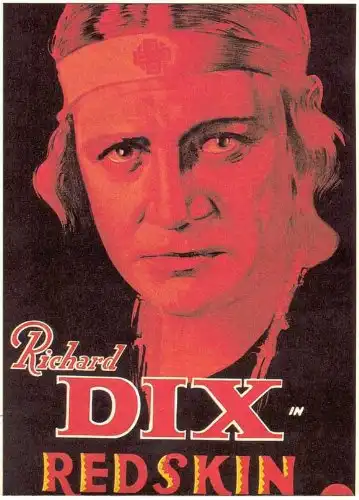
A definitive 6.8/10 rating for a film that redefined the boundaries of cult cinema. Redskin remains a cornerstone of transgressive art.
If you are looking for something to watch tonight and you don't mind silent films, Redskin is actually worth your time.
It is perfect for people who love film history or just want to see what the desert looked like in 1929 before everything was built up.
If you hate slow pacing or movies that feel a bit too much like a Sunday school lesson, you will probably find it annoying.
The first thing that hits you isn't the story, but the color.
They used this early two-strip Technicolor for the scenes out in the Navajo and Pueblo lands.
It makes the rocks look like they are glowing with this weird, neon orange-red hue.
Then, whenever the movie goes back to the "white world" or indoors, the color just vanishes.
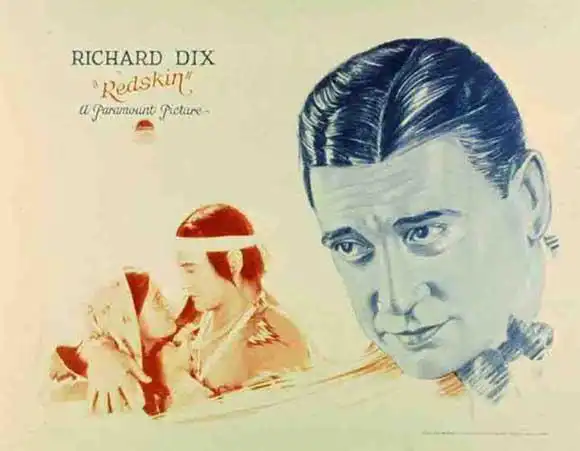
It switches to this blue or sepia tint that feels cold and cramped.
I don't know if they meant it to be that deep, but it really makes the desert feel like the only place that's actually alive.
Richard Dix plays Wing Foot, and honestly, he has a very 1920s face.
He does a lot of that intense staring that actors did back then to show they are thinking really hard.
The plot is basically him going to a big Eastern college and realizing that even with a suit and a degree, he’s still an outcast.
There is this one scene at a party where he just stands by a wall and you can feel how much he wants to leave.
It reminded me a bit of the social awkwardness in Exit Smiling, but way less funny and much more depressing.
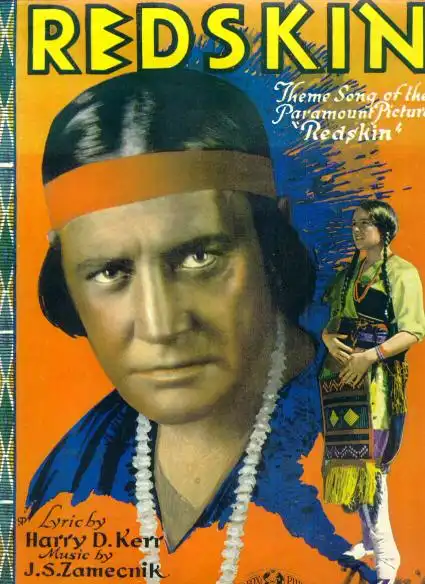
When he goes back to his people, they reject him too because he’s "turned white" or whatever.
It’s a really lonely movie when you think about it.
There is a lot of walking.
So much walking across sand dunes and rocky paths.
I noticed one extra in the background of a village scene who just looks totally confused about where he is supposed to stand.
He just kind of wanders into the frame and then backs out slowly.
The movie gets a bit frantic toward the end with an oil discovery plot.
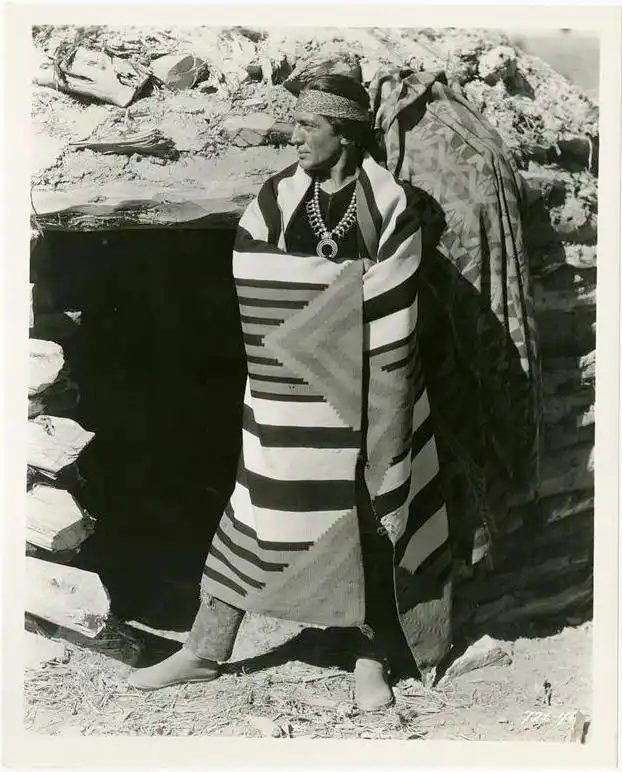
It feels like they realized they needed some action to keep people from falling asleep.
Suddenly there is a race and a lot of pointing at the ground.
I forgot to mention the hats.
The college scenes have so many hats that it becomes distracting.
It’s hard to take a serious argument about race and identity seriously when everyone is wearing a tiny bucket on their head.
The script by Elizabeth Pickett and Julian Johnson is pretty blunt.
They don't do subtle here.
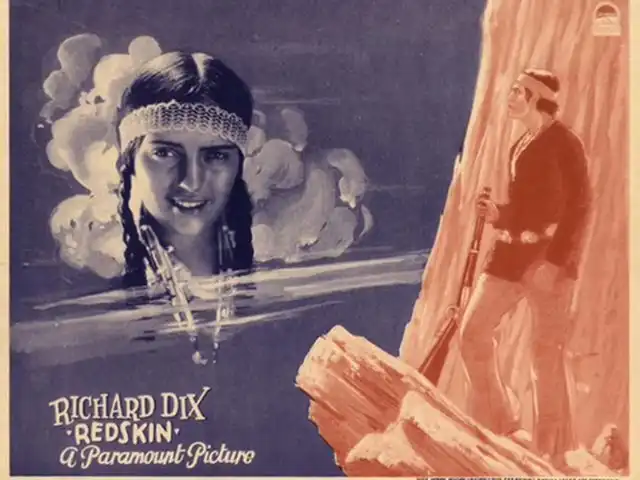
But there’s something really honest about how the movie shows both sides being pretty terrible to Wing Foot.
The Navajos—or Navahos, the movie spells it both ways I think—are shown as very stuck in their ways.
It’s not the typical "noble savage" trope you see in other movies from this era, which was surprising.
The ending is a bit too happy for my taste, considering how much the guy suffered.
It feels like the movie blinked at the last second and decided to give everyone a win.
I wish it had stayed as moody as the middle section.
Still, those desert shots are just... *chef's kiss*.
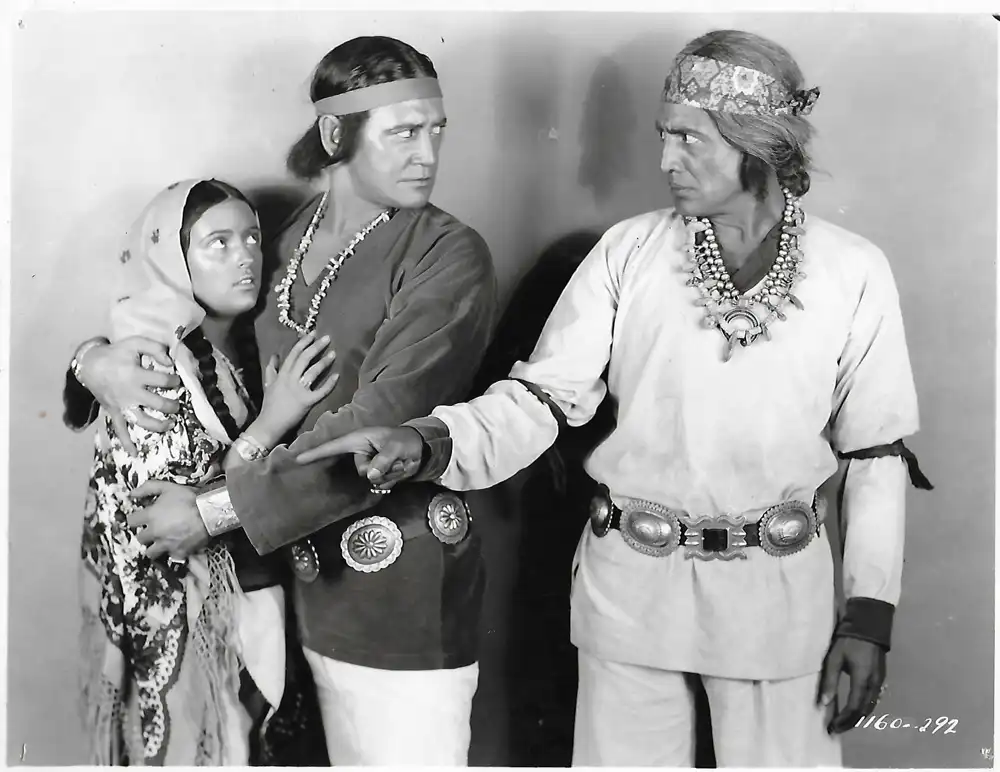
You can almost feel the heat coming off the screen.
If you’ve seen Prem Sanyas, you might appreciate the way this movie tries to handle a culture that the filmmakers clearly found exotic but also respected.
It’s a bit clunky in its delivery, sure.
But for 1929, it’s got a lot more heart than most of the stuff sitting in the archives.
Just don't expect a fast-paced thriller.
It’s a movie that wants you to sit there and look at the sand.
And honestly, the sand looks great.
IMDb —
1925
Community
Log in to comment.