DbcultAccessing Vault...
5/10
Senior Film Conservator
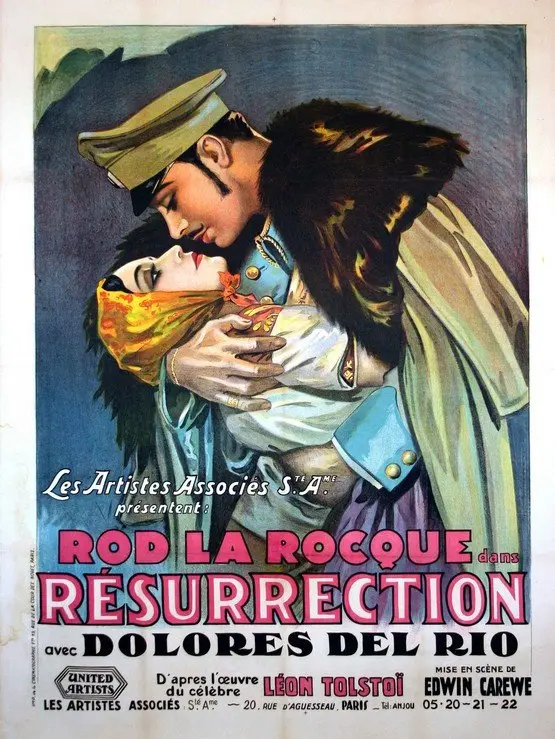
A definitive 5/10 rating for a film that redefined the boundaries of cult cinema. Resurrection remains a cornerstone of transgressive art.
Is Resurrection worth watching today? Short answer: yes, but only if you are prepared for a film that refuses to offer the easy comforts of a standard romance. This is a grueling, slow-burn tragedy that demands your full attention and a high tolerance for seeing the human spirit systematically crushed. It is specifically for those who appreciate the raw emotional power of silent-era acting and the heavy, moralistic weight of Russian literature. It is definitely not for viewers seeking the lighthearted escapism found in films like Indoor Sports by Tad or the straightforward adventure of The Demon Rider.
Before we get into the weeds of the cinematography and the historical context, let's be clear about what this film is. It is a heavy-handed, visually arresting exploration of social rot. It works. But it’s flawed.
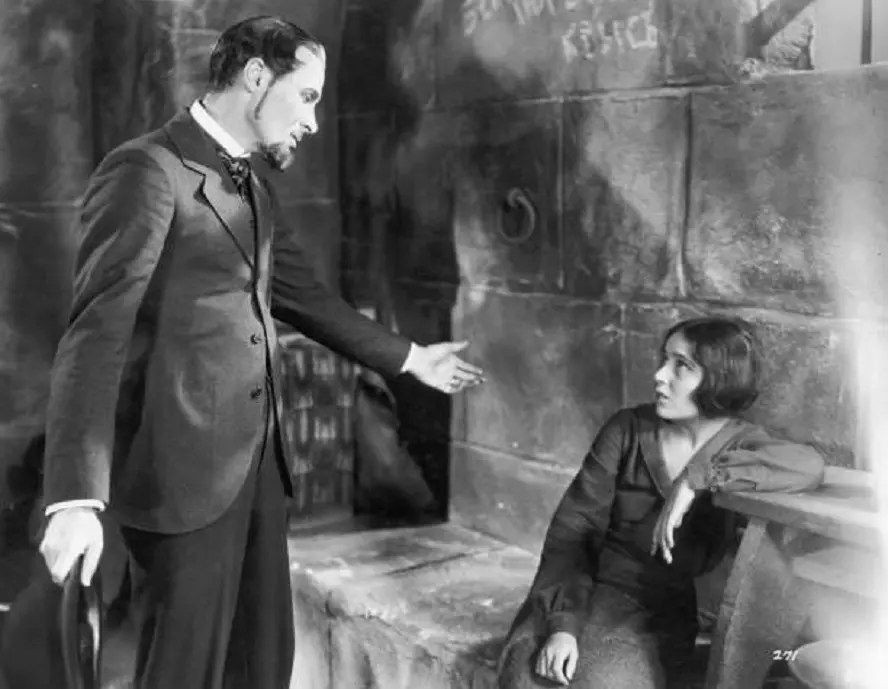
Dolores Del Río gives a performance that should be studied in every acting conservatory. In the opening scenes, she captures a specific type of rural innocence that feels authentic rather than caricatured. When she is frolicking in the fields, the lighting is soft, almost angelic. But look at the scene where she waits at the train station in the pouring rain, watching Dimitri's regiment pass by. The lighting shifts. The rain isn't just a weather effect; it is the washing away of her youth. Her face changes. It becomes sharper, more guarded. By the time we see her as a prostitute in the St. Petersburg slums, her eyes are dead. It is a terrifying shift that anchors the entire film.
Rod La Rocque, as Prince Dimitri, has the harder job. He has to play a man who is essentially a coward for three-quarters of the runtime. Most actors would try to make Dimitri likable. La Rocque doesn't. He plays him with a stiff, aristocratic distance that makes his eventual realization of guilt feel earned rather than forced. When he sits in that jury box and realizes the woman on trial is the girl he ruined, his face doesn't contort into a mask of grief; it goes pale with the shock of a man who realized he left a door open and let the winter in. It is subtle, and for 1927, it is remarkably modern.
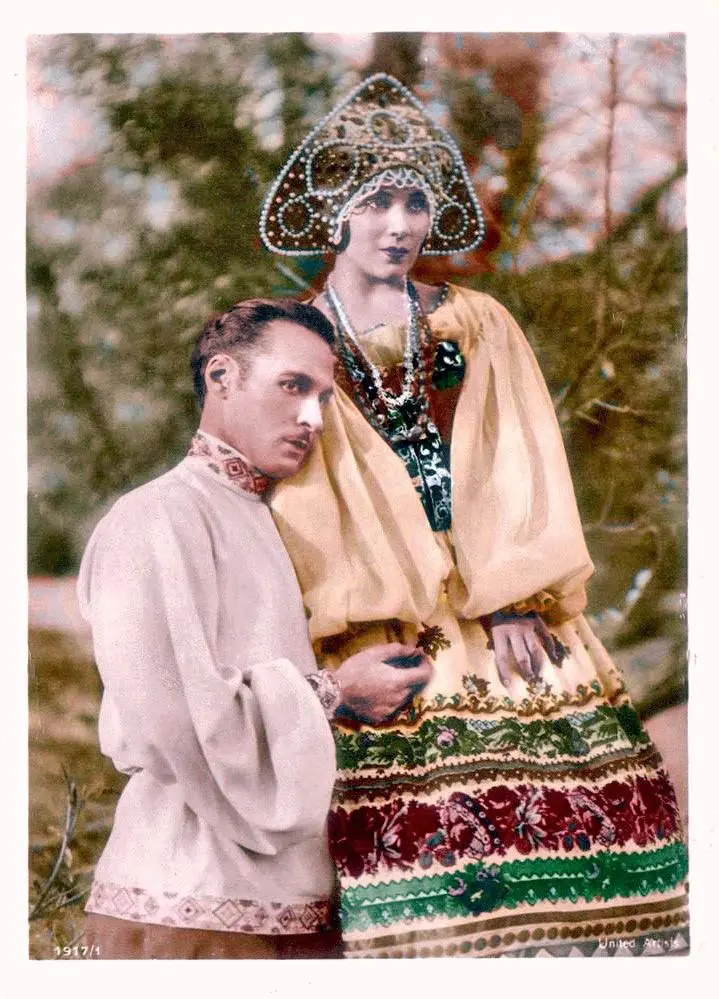
Director Edwin Carewe and his cinematographers understand that this story is about the contrast between the lushness of privilege and the cold reality of the poor. The rural district scenes are shot with a depth of field that emphasizes the beauty of the Russian landscape. In contrast, the prison scenes are shot with heavy, oppressive shadows. The bars of the cell don't just hold Katusha; they cut across the frame, slicing the characters into pieces. This visual metaphor for a broken society is far more effective than the intertitles themselves.
There is a specific moment in the prison where Katusha is huddled in a corner, and the light from a high window barely reaches her. It’s a stark, brutal image. It reminds me of the visual grit in Rock Bottom, though Resurrection has a much larger budget to play with. The scale of the film is impressive, but it never loses sight of the two people at its center. This isn't a film about a revolution; it's a film about the human cost of a status quo that allows men like Dimitri to walk away while women like Katusha are buried alive.

Does the 1927 Resurrection hold up for a modern audience?
Yes, it does, primarily because the themes of class immunity and systemic failure are unfortunately still relevant. While the pacing is occasionally glacial, the emotional payoff in the final act is immense. If you can handle the silence and the flickering grain of the film stock, you will find a story that is more honest about the consequences of betrayal than most modern romantic dramas. It avoids the easy out. It doesn't give you a wedding in the end. It gives you a cold walk into the Siberian wind. That honesty is rare.
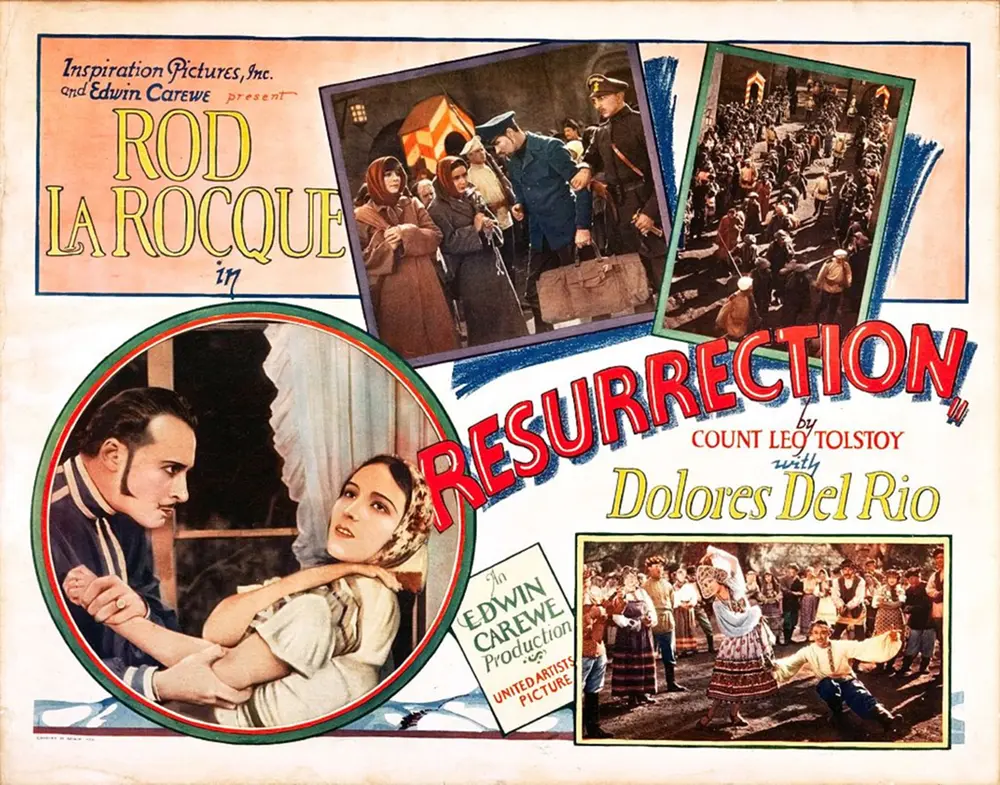
I have to be honest about the second act. The trial of Katusha is a slog. We know she is innocent. We know Dimitri knows she is innocent. Yet, the film spends an agonizing amount of time on the legal proceedings. While this was likely intended to show the indifference of the Russian legal system, it feels like it adds twenty minutes to the runtime that could have been better spent on Katusha’s life before the trial. Compared to the tighter narrative structure of something like Blood Test, Resurrection feels bloated in its middle section.
However, this bloat serves a purpose. By the time the verdict is read, the audience is as exhausted as the characters. You feel the weight of the injustice because you have sat through the bureaucracy of it. It’s a bold choice, but one that might alienate viewers used to the rapid-fire editing of contemporary cinema. This is a film that asks you to sit in the discomfort. It doesn't move on until you've felt every second of Katusha's despair.
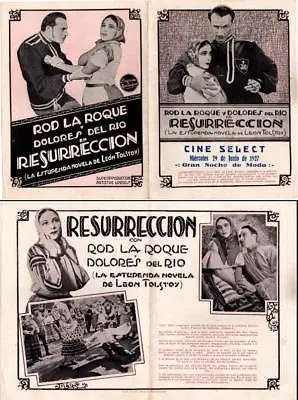
Resurrection is a difficult film to love, but an easy film to admire. It lacks the populist energy of George the Winner or the quirky charm of The Stimulating Mrs. Barton. Instead, it offers something much more substantial: a look at the anatomy of a conscience. It is a film that understands that some things, once broken, cannot be fully mended. Dimitri’s attempt to marry Katusha isn't a romantic gesture; it’s a desperate attempt to fix his own soul, and the film is wise enough to show that Katusha isn't just a prop in his redemption arc. She is a woman who has been destroyed, and her refusal to play along with his guilt-ridden fantasy is the most powerful moment in the movie.
"The film doesn't just ask if Dimitri can be forgiven; it asks if Katusha should bother forgiving him. The answer it provides is as cold as the Siberian snow, and twice as honest."
If you are a student of cinema, you must see this for Del Río alone. If you are a fan of Tolstoy, you will find this to be one of the more faithful interpretations of his bleak worldview. It isn't a masterpiece—the pacing issues are too significant for that—but it is a vital, breathing piece of art that survives the passage of time because it speaks to a fundamental human truth: we are the architects of each other's ruin. It’s a hard watch. It’s a necessary watch. It is a film that lingers long after the final frame fades to black.
IMDb 4.7
1917
Community
Log in to comment.