DbcultAccessing Vault...
Cult Review
Senior Film Conservator
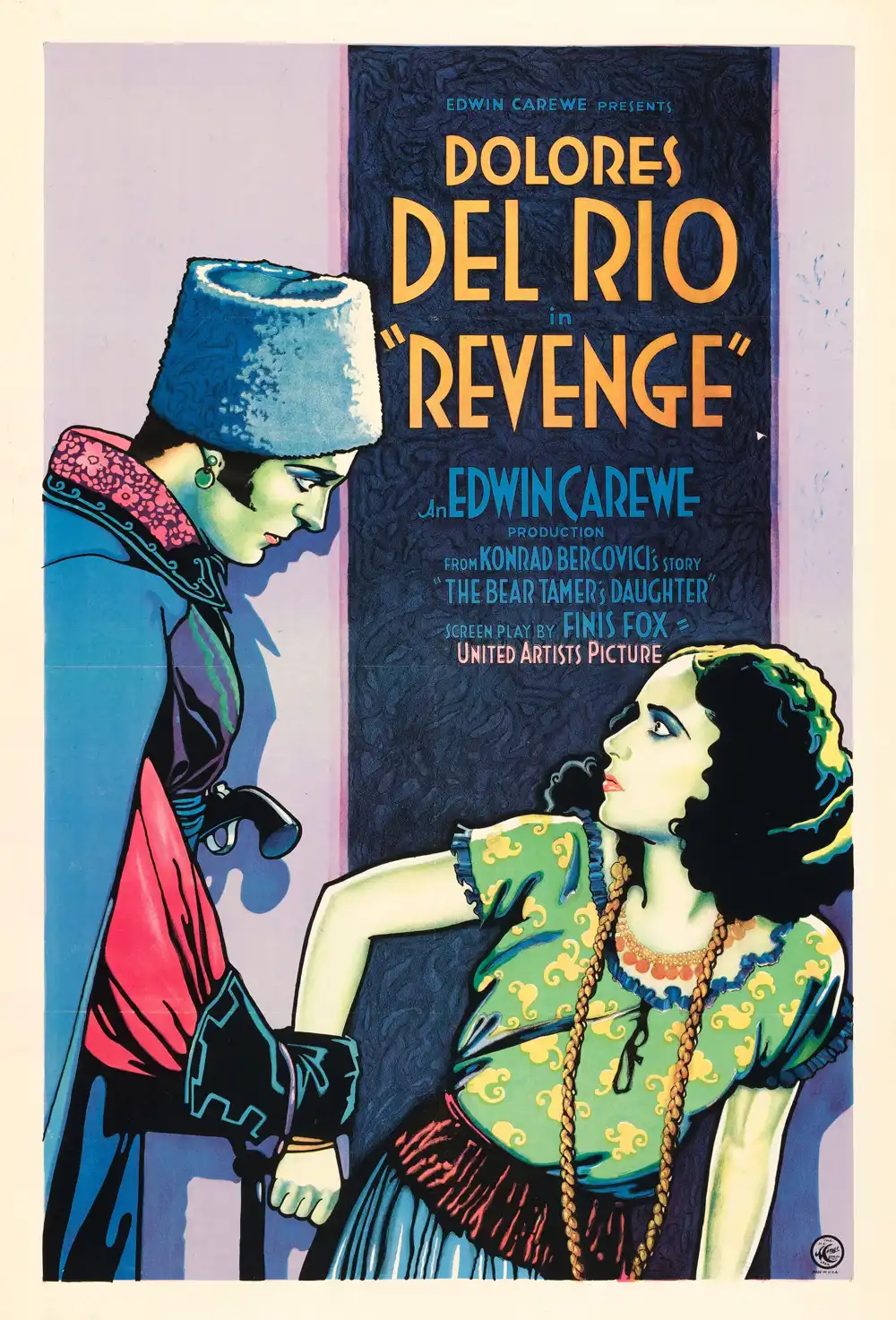
If you are into the late silent era purely for the glamour, you should probably watch this tonight. But if you hate the trope where a man kidnaps a woman to make her love him, you will absolutely despise this movie.
Dolores Del Río is Rascha, and honestly, she is the only reason this thing doesn't fall apart in the first ten minutes. She plays the daughter of a gypsy bear tamer, which is a job I didn't know existed until I saw the bears just hanging out in the background of the shots.
The whole plot kicks off because this guy Jorga cuts off her braids. In this world, that is like the worst thing you can do to a person.
I sat there thinking about how much hair she actually had. It looked heavy, like it would give her a neck ache after an hour of filming.
When she loses the braids, she goes full wild animal mode. It’s a lot of rolling around in the dirt and looking intense at the camera.
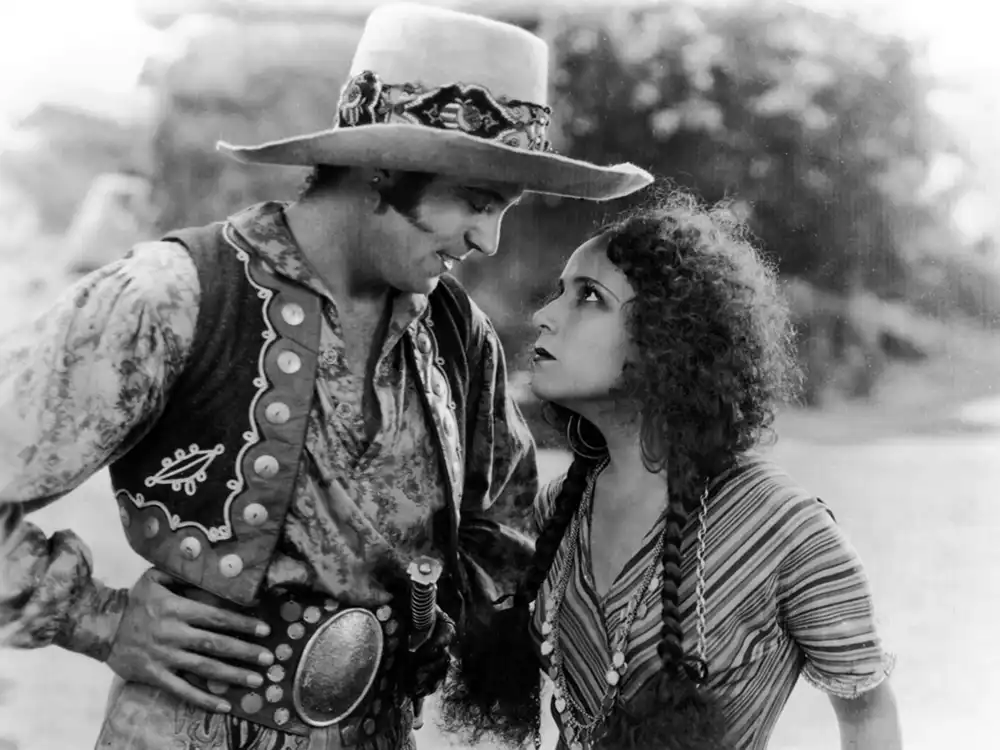
Dolores has these eyes that just burn through the grainy film stock. You can see why she was a massive star even when the script was doing her no favors.
The scene where she swears revenge feels a bit more grounded than A Good Little Devil, which was way more sugary. Here, there is a lot of mud and sweat.
Then the movie gets weirdly logical in a way that only silent films can manage. Jorga feels bad, so his solution is to cut off everyone else’s hair too.
He sneaks into the camp and just starts snipping. It is one of those moments where you realize people in 1928 had a very different idea of what a 'romantic gesture' looked like.
He brings her braids back while she is sleeping. It is creepy, but the movie wants you to think it is soulful.
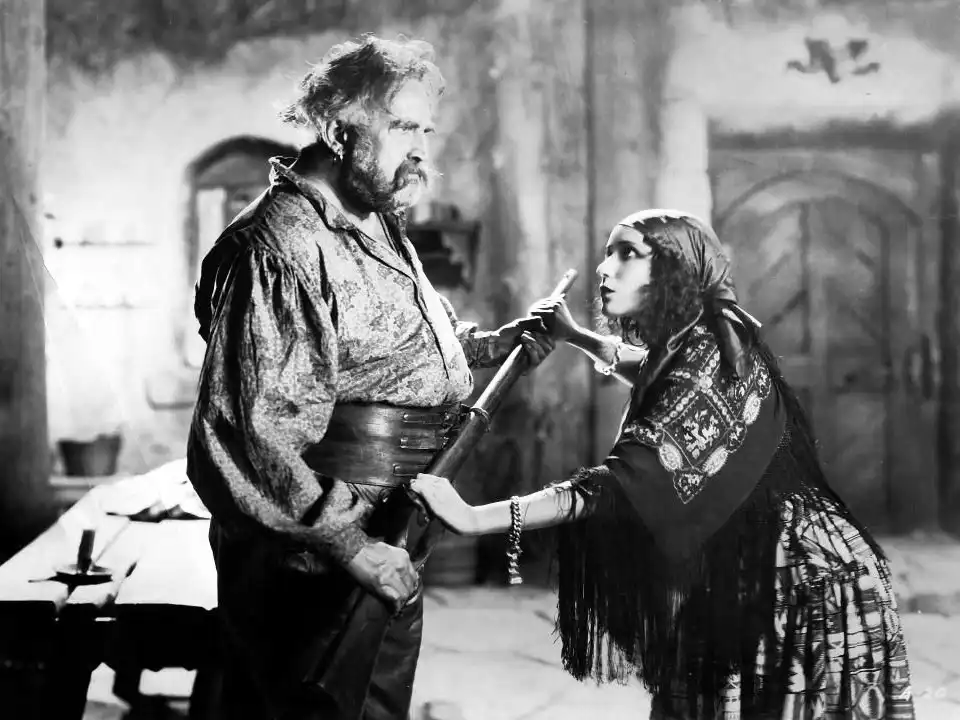
Then comes the whip. Rascha finds him and just starts beating him with a whip.
The guy doesn't even move; he just stands there taking it until he grabs her and kisses her. It is very passionate and very uncomfortable if you think about it for more than two seconds.
I noticed there’s a dog in one of the camp scenes that looks like it really wants to leave the set. It’s just sniffing a bucket while the actors are having a life-altering crisis three feet away.
The middle of the movie drags when they get to the mountain cave. It starts to feel a bit like Lightning Bryce with all the rocks and rugged terrain.
He tries to 'tame' her in the cave. It is mostly just them staring at each other and her trying to escape while he looks smug.
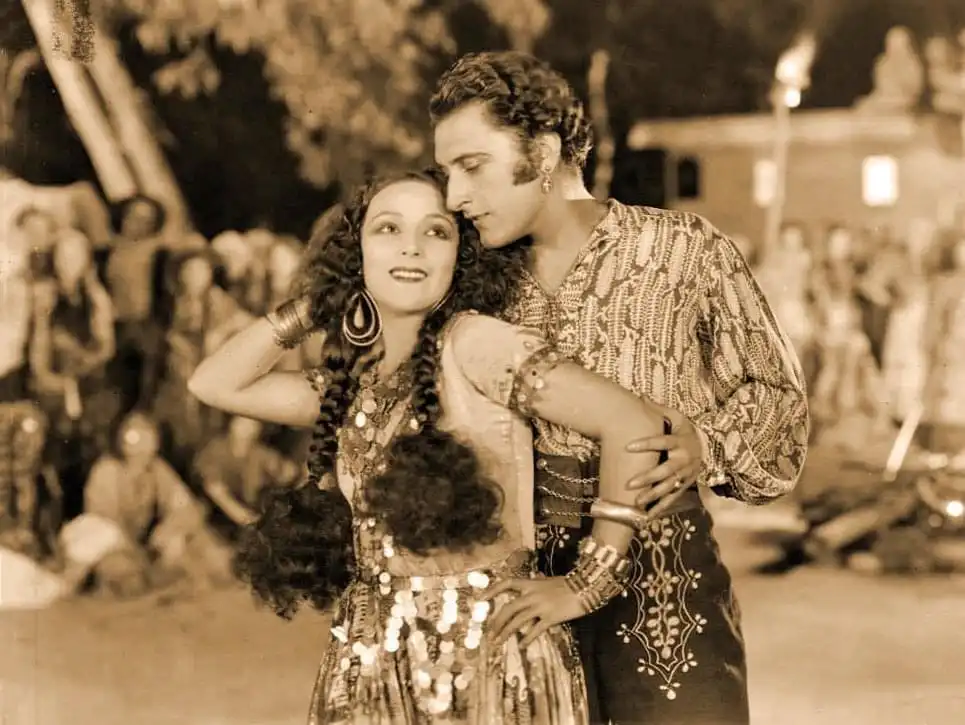
The lighting in the cave is actually pretty impressive for 1928. They used these deep shadows that make Rascha look like a ghost wandering around.
There is a shot of her hands gripping the cave wall that lasts way too long. It is like the director really loved the way her fingernails looked against the stone.
Eventually, she falls in love with him because... well, because the movie is almost over. The transition from 'I want to kill you' to 'I will help you escape my father' happens in about two intertitles.
It reminds me of the pacing in The Law of Compensation, where emotions just flip like a light switch. You don't get the 'why', you just get the 'now'.
The father, Costa, is played by Sam Appel and he is basically just a walking beard. He spends most of his time looking angry and holding a bear chain.
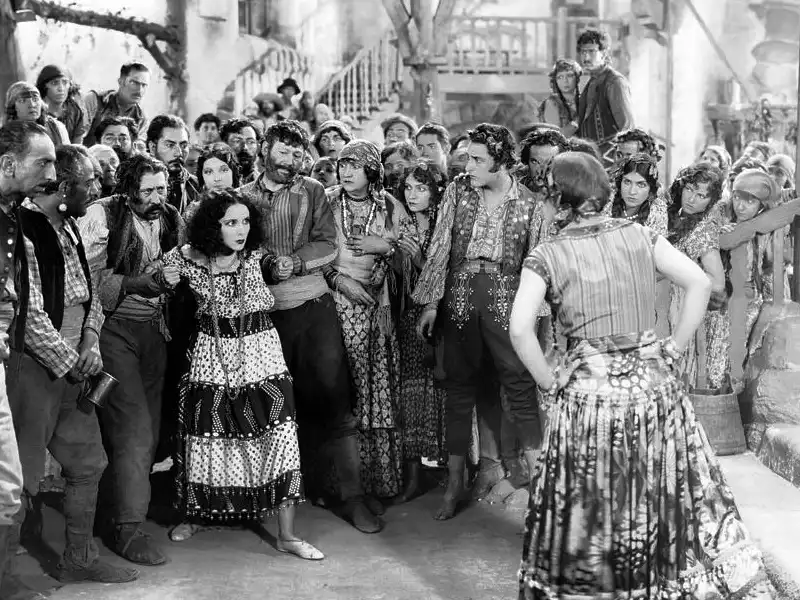
The bears are the best part, honestly. They look so confused by the humans screaming at each other.
There is a moment near the end where a horse nearly trips, and you can see the actor break character for a split second. It is those tiny mistakes that make these old films feel alive to me.
It isn't a masterpiece like some other silents, but it has this raw energy. It feels like everyone was a little bit sunburnt and tired while making it.
If you like watching people emote with their entire bodies, this is for you. If you want a story that makes sense in a modern context, you’re gonna have a bad time.
I wonder what happened to the braids after the movie finished. They were so thick they probably could have been used as props in Fire Fighters.
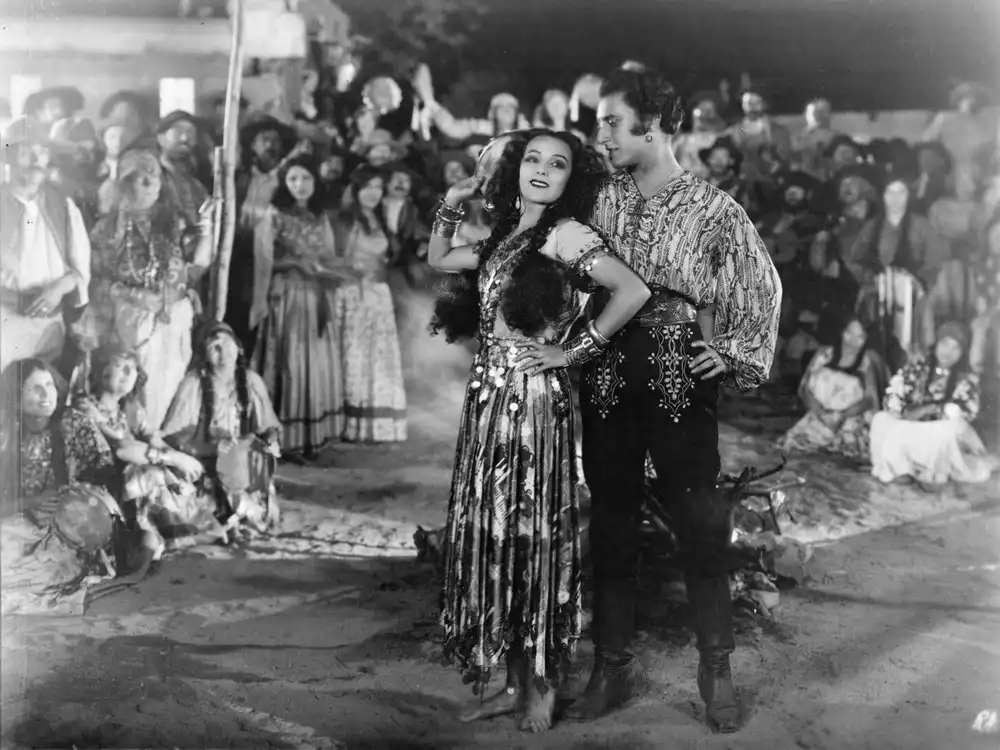
The ending is kind of a letdown because it happens so fast. They just sort of wander off into the sunset while the father stands there looking confused.
It’s not quite as weird as Polly with a Past, but it’s close. It’s just a strange, sweaty relic of a time when hair was the ultimate currency of honor.
Check it out if you can find a decent print. The music in the version I saw was way too upbeat for a kidnapping story, which made the whole thing even weirder.
I still can't get over the hair cutting scene. Imagine waking up and finding your hair on your pillow because a guy wanted to say sorry.
Movies back then were just built different. Not better, maybe, but definitely louder without making a sound.
IMDb 7
1923
Community
Log in to comment.