DbcultAccessing Vault...
Cult Review
Senior Film Conservator

Is In a Moment of Temptation worth your time in the modern era? Short answer: yes, but only if you appreciate the nuanced evolution of the silent-era melodrama and the historical weight of its creative team.
This film is specifically for historians of the pre-Code era and those who enjoy the 'social peril' subgenre of the 1920s. It is definitely not for viewers who require fast-paced action or those who find the moralizing tone of early 20th-century literature to be grating.
1) This film works because the chemistry between Cornelius Keefe and Charlotte Stevens provides a grounded emotional core that transcends the silent medium's typical hyperbole.
2) This film fails because its secondary plotlines feel rushed, often sacrificing character logic for the sake of moving toward a predetermined moral conclusion.
3) You should watch it if you want to see how silent cinema handled the 'urban vs. rural' conflict with more visual sophistication than its predecessors.
By 1927, the silent film industry had reached a peak of visual storytelling. In a Moment of Temptation arrived at a time when audiences were beginning to crave more psychological depth. Unlike the experimental abstraction found in Rhythmus 23, this film leans heavily into the narrative traditions of Laura Jean Libbey. Libbey was the queen of the 'working girl' novel, and her influence here is unmistakable.
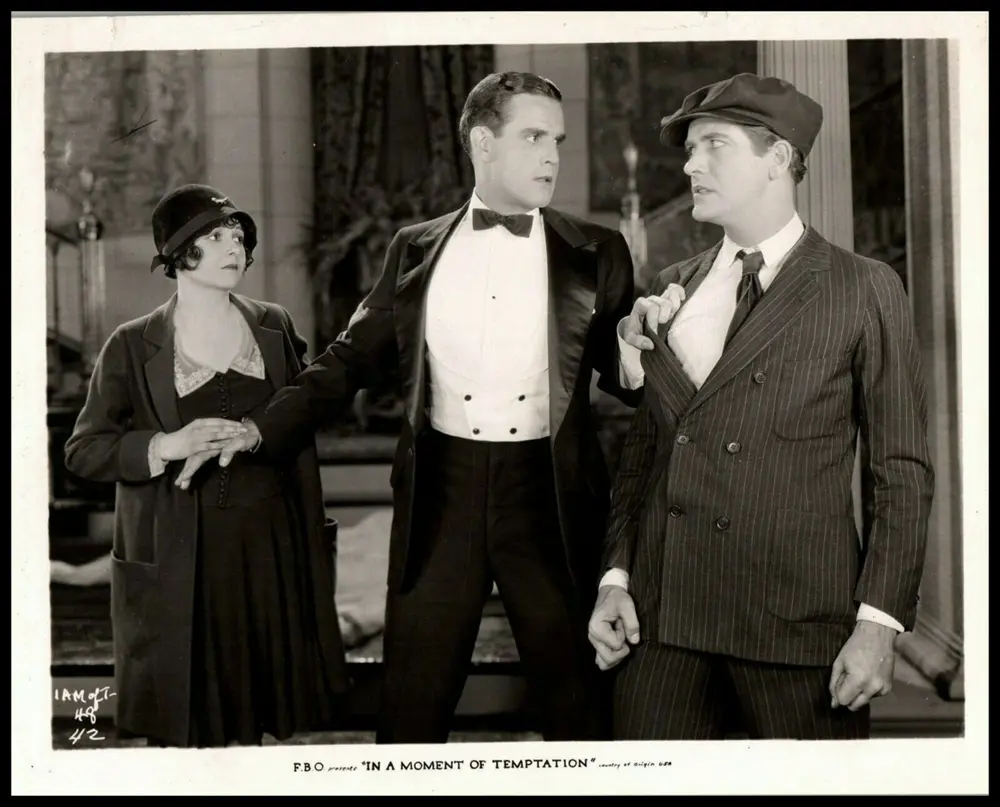
The film captures a specific American anxiety of the period: the fear that the burgeoning wealth of the Roaring Twenties was a house of cards. When Charlotte Stevens’ character looks into the mirror while wearing borrowed finery, the lighting shifts. The shadows lengthen, suggesting that her new identity is merely a silhouette. It is a simple but effective technique that tells us more than a title card ever could.
The direction by Philip Carle (though often overshadowed by the writers) shows a keen eye for interior spaces. The contrast between the cramped, functional quarters of the protagonist’s home and the expansive, echoing halls of the wealthy antagonist’s estate serves as a visual metaphor for her internal displacement. It feels claustrophobic in both settings, but for different reasons.
Charlotte Stevens carries the emotional burden of the film with a performance that is surprisingly restrained for the era. In many silent dramas, like Dark Secrets, the acting can veer into the theatrical. Stevens, however, uses her eyes to convey the 'temptation' of the title. There is a specific scene involving a letter where she doesn't move a muscle, yet you can see the gears of desperation turning.

Cornelius Keefe provides a solid, if somewhat predictable, foil. He represents the 'steady' choice, the moral North Star. While his character lacks the complexity of the leads in The Cost, he serves his purpose well. The real surprise is Kit Guard. Known for more rugged or comedic roles, Guard brings a physical presence that adds a layer of genuine threat to the social circles the protagonist tries to navigate.
The supporting cast, including Marie Walcamp, adds texture. Walcamp, who was a massive star in action serials earlier in the decade, brings a world-weary energy to her role here. It is fascinating to see her transition from the 'stunt queen' to a dramatic actress. Her presence reminds the viewer of the industry's rapid evolution during this golden age.
Yes, In a Moment of Temptation is worth watching if you are interested in the social history of cinema. It provides a clear window into the moral anxieties of 1927. The film excels at showing the thin line between success and ruin. While it may feel dated to a modern audience, its core themes of envy and integrity remain universal. It is a solid example of late-silent-era craftsmanship.
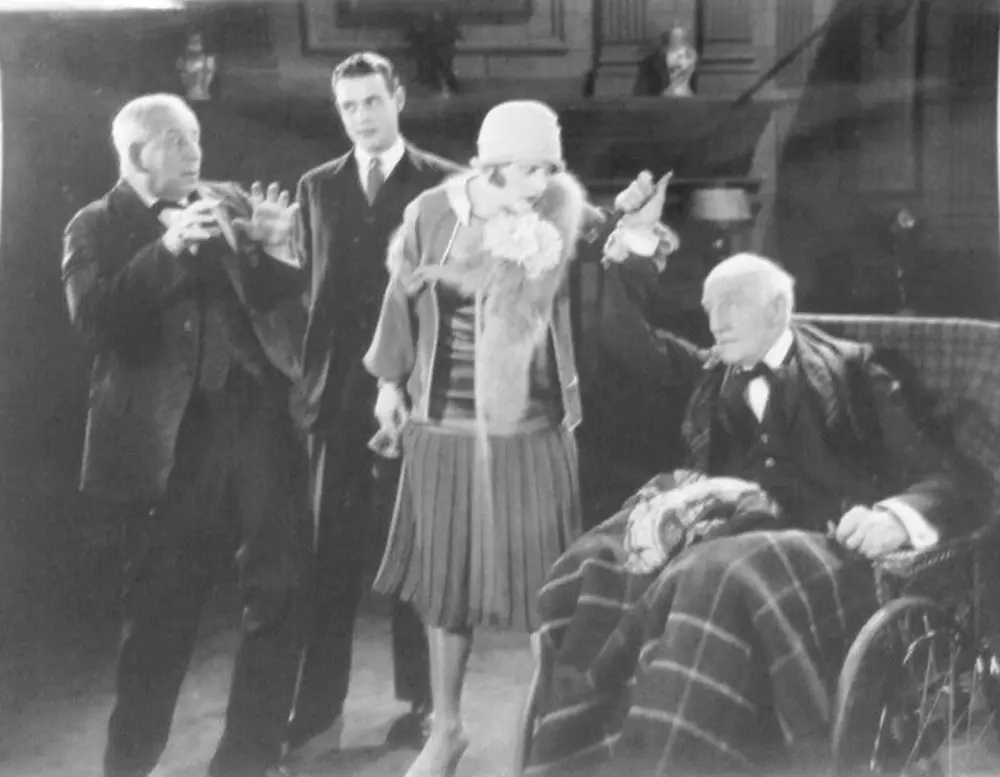
The screenplay, co-written by Julia Crawford Ivers and based on Libbey's work, is the film's strongest and weakest point. It is strong because it understands its audience perfectly. It speaks to the girl who works in the factory but dreams of the ballroom. It is weak because it adheres to a very rigid moral structure. There is no room for ambiguity here. You are either virtuous or you are lost.
Compare this to a film like Guilt, which explores the psychological nuances of wrongdoing with a bit more grit. In a Moment of Temptation feels more like a fable. It is designed to teach a lesson, not to provoke a debate. However, the way it delivers that lesson—through lush cinematography and earnest acting—makes it palatable. It works. But it’s flawed.
One surprising observation is how the film handles the concept of 'temptation' itself. It isn't just about money or sex; it's about the temptation of *belonging*. The protagonist wants to feel like she is part of a world that was never meant for her. This makes her character far more sympathetic than the typical 'greedy' lead found in lesser melodramas like A Fight for Millions.
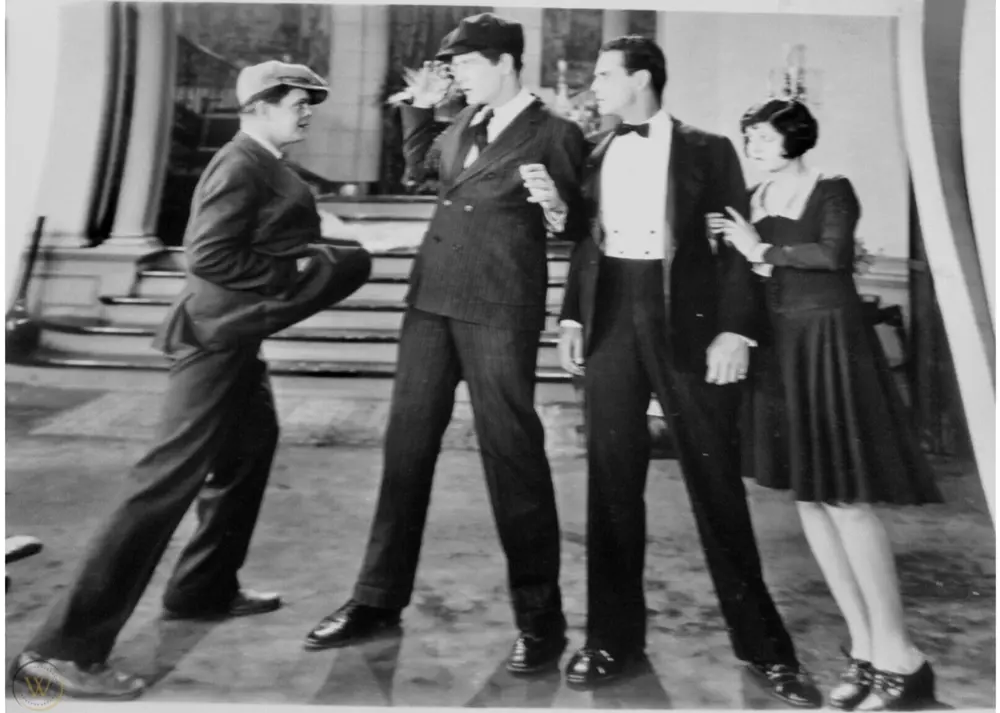
The pacing of the film is deliberate. It doesn't have the frantic energy of In-Bad the Sailor or the comedic timing of The Plumber. Instead, it allows scenes to breathe. The camera often lingers on objects—a necklace, a door handle, a tattered coat. These objects become characters in their own right, representing the stakes of the protagonist's journey.
There is a specific scene in the third act where the protagonist is forced to confront her past in a public setting. The use of deep focus here is impressive. We see her face in the foreground, crumbling, while the 'respectable' society members whisper in the background. It creates a sense of social vertigo that is genuinely uncomfortable to watch. This is where the film moves beyond simple melodrama and into the realm of effective social thriller.
However, the film does suffer from some 'title card fatigue.' There are moments where the visuals are so expressive that the text becomes redundant. For instance, when she returns to her family home, the visual contrast in her clothing says everything we need to know. The following title card explaining her shame feels like an unnecessary interruption. It’s a common issue in 1927, as filmmakers were still balancing the power of the image against the tradition of the written word.
Pros: The film features beautiful set design and a strong lead performance. It manages to make a dated moral dilemma feel emotionally urgent through clever use of lighting and framing. It also serves as a great showcase for Marie Walcamp’s dramatic range.
Cons: The plot is highly predictable if you are familiar with the 'fallen woman' genre. Some of the male characters are thinly sketched, serving more as plot devices than actual people. The ending feels a bit too tidy given the psychological trauma established earlier.
In a Moment of Temptation is a fascinating artifact. It is not a revolutionary work like Daigujin, nor is it a lighthearted romp like Alice Cuts the Ice. Instead, it is a sturdy, well-crafted piece of commercial cinema from an era that was about to disappear forever. It captures the soul of the 1920s—its glitter, its greed, and its desperate need for redemption.
While it may not change your life, it will certainly hold your attention. The film stands as a testament to the power of silent acting and the enduring appeal of a well-told story about the human heart in conflict with itself. It’s a bit dusty, a bit preachy, but undeniably effective. It’s worth the watch for the atmosphere alone.

IMDb —
1924
Community
Log in to comment.