DbcultAccessing Vault...
6.6/10
Senior Film Conservator
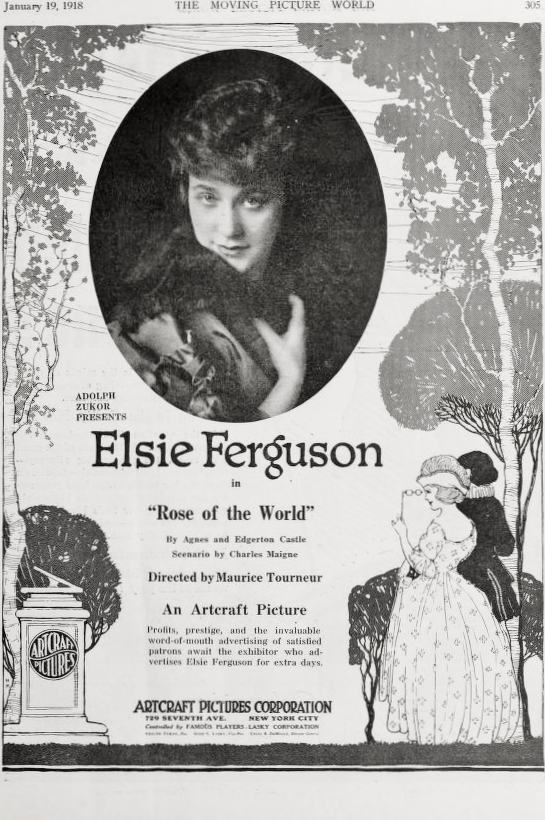
A definitive 6.6/10 rating for a film that redefined the boundaries of cult cinema. Rose of the World remains a cornerstone of transgressive art.
The dead do not always oblige by staying dead in silent cinema, yet few resurrections feel as surgical—as though the film itself were peeling back its own sutures—as the one orchestrated in Rose of the World.
Released in the autumn of 1918 while the influenza pandemic gnawed at the globe’s lungs, this Paramount melodrama arrives like a fever dream soaked in bromide and sandalwood. It is, at first glance, another widow’s-weeper: spouse shattered abroad, remarriage to safety, memory mutating into mania. But the picture has marrow; it gnaws on the imperial bone. Directors Marshall Neilan and Paul Powell (both uncredited yet stylistically legible) translate the Egerton & Agnes Castle novel into something eerily post-colonial before that term existed—an indictment of the Raj’s upholstered savagery masquerading as a love-triangle.
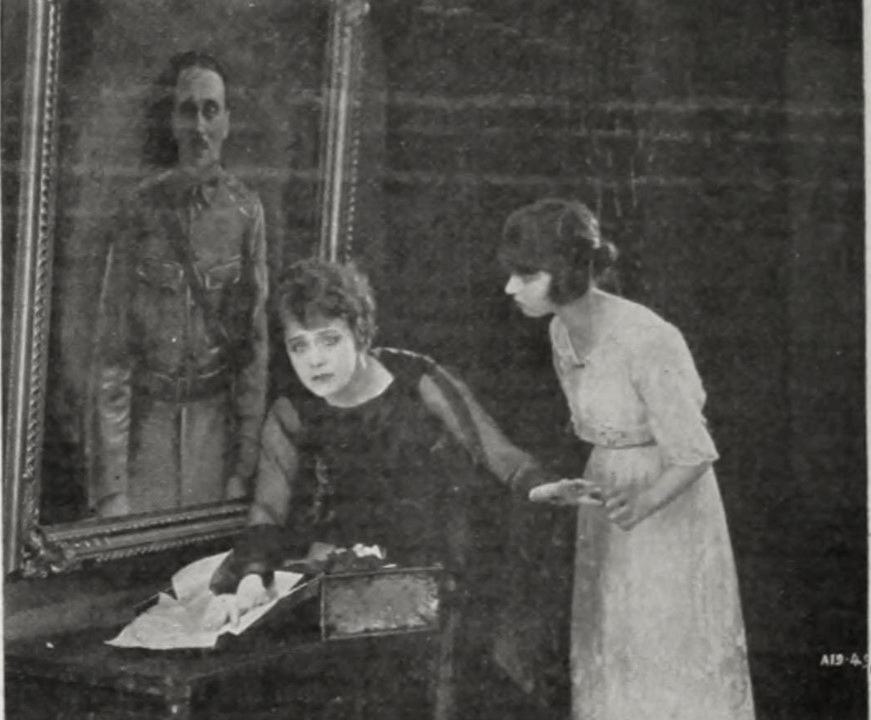
Watch how cinematographer David Kesson tints the Calcutta sequences in bruised ochres—the sky the colour of overripe mango, the whites of Rosamond’s eyes glowing like porcelain under gaslight. Every frame feels pickled in heat. When the action relocates to Surrey’s misty manors, the stock turns cerulean, as though England itself were an anaemic echo of its own colony. The visual grammar screams: you can leave India, but India will not leave you.
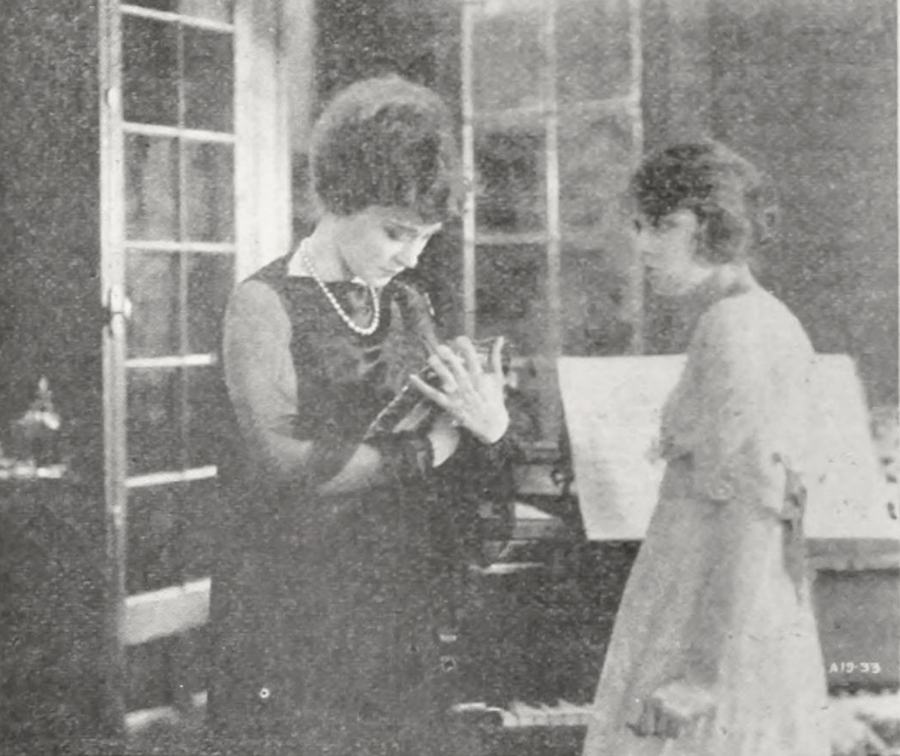
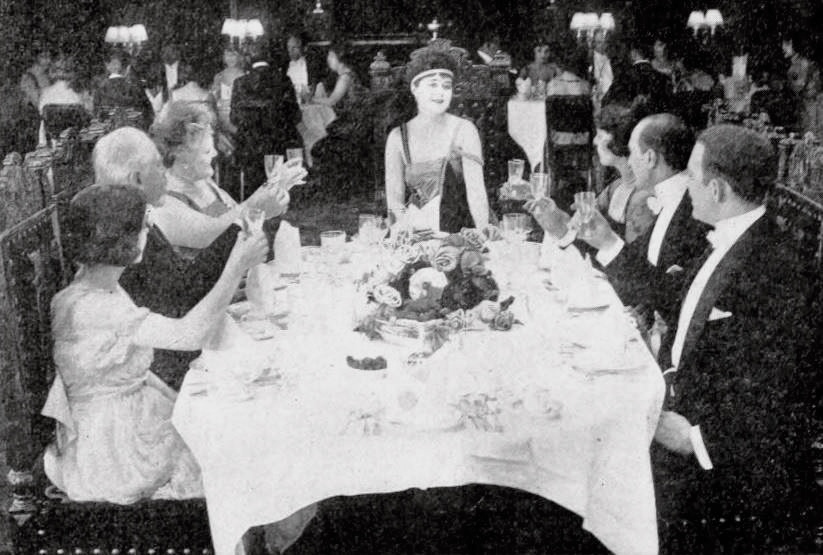
As Rosamond, Broadway transplant Elsie Ferguson is the film’s trembling metronome. She ages not in wrinkles but in silences: the way her fingers stall mid-aria over a piano key, the flutter of eyelids when a servant pours water too liberally. Ferguson never succumbs to the era’s semaphore acting; instead she micro-calibrates. In the supper-table meltdown—a bravura set-piece that rivals Stella Maris for psychological implosion—her hysteria arrives in waves: a twitch of lip, a staccato gasp, then full-bodied convulsions as the crystal goblets shiver. It is silent-era epileptic poetry.
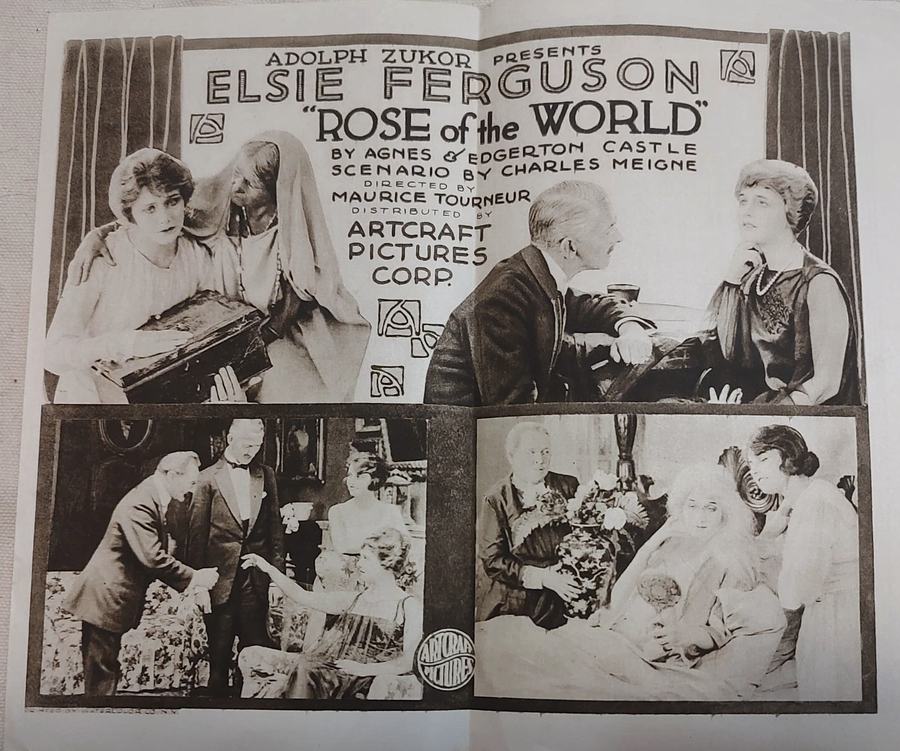
We glimpse Percy Marmont’s Harry only in cigarette-card flashbacks and diary sketches—yet he looms larger than the Taj. The conceit is ingenious: the more saintly the reminiscence, the more Sir Arthur’s corpulent fleshiness feels like moral obesity. Wyndham Standing plays the baronet with a purse-lipped fastidiousness that anticipates The Iron Strain’s aristocratic rust. His moustache alone deserves separate billing—an imperial crescent moon waxed every morning with entitlement.
And then the reveal—the turban unwinds, the sooty complexion is wiped onto a napkin, and Captain Harry stands reborn. The moment is both risible and transcendent, a trick of such brazen spiritual pick-pocketing that it makes the resurrection in Il discepolo feel liturgical. Critics of 1918 hooted at the implausibility; modern viewers will note the colonial unconscious laid bare: the Indian servant as omniscient intercessor, the white woman’s desire powerful enough to re-engineer mortality. The film wants us to cheer the miracle; we leave instead interrogating whose blood funded the magic.
Charles Maigne’s adaptation scalpel is sharp. He jettisons the novel’s subplot involving a native uprising and instead compresses the narrative into a feverish interior monologue. Intertitles arrive haiku-cruel: “The scent of jasmine—a ghost in the corridor of noon.” Compare that to the verbose placards in Lovely Mary and you appreciate the laconic sting.
Modern accompanists often underscore this print with sitar-heavy lament, but I favour the restoration I saw at Pordenone: a single violin repeating a five-note motif until the string threatens to snap—mirroring Rosamond’s tethered psyche. The absence of tabla is precisely what makes the final turban-unwind so vertiginous; we hear India only in the mind’s ear, which is far more invasive.
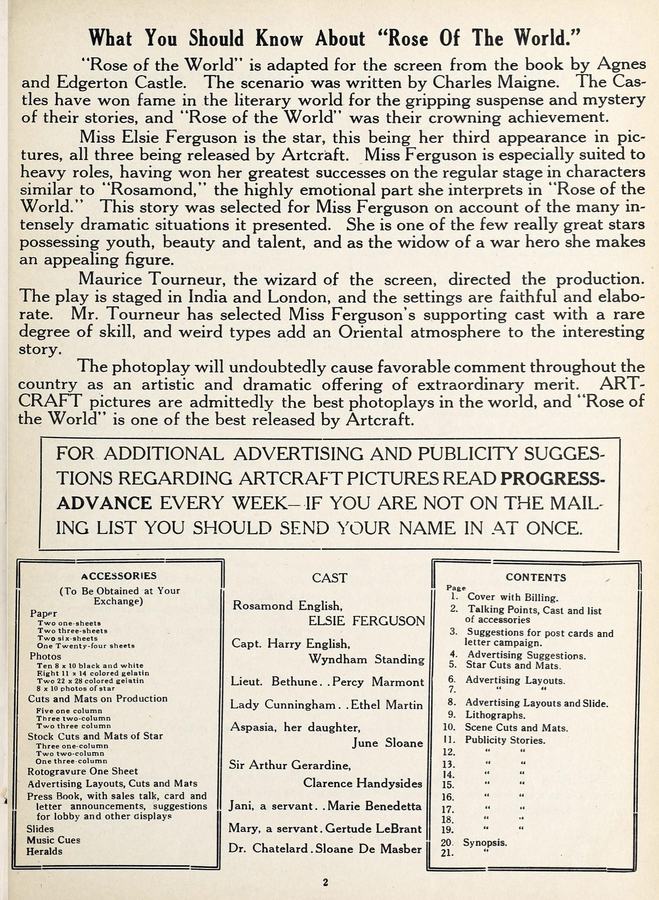
Place Rose of the World beside A fekete szivárvány and you see two films stalking the same existential corridor: grief as geography, memory as parasite. Yet where the Hungarian work externalises angst into expressionist set design, Rose internalises until the wallpaper sweats. It also converses with Little Women (1918)—both centre women war-widowed, both mourn by candlelight—but while Jo March seeks authorship, Rosamond seeks necromancy.
Some feminist scholars read the film as an early #MeToo parable: Rosamond traded like chattel between patriarchs, her mental collapse the only frontier left to colonise. Others see her hysteria as radical refusal—by going mad she unmakes the empire’s matrimonial contract. The dinner-table scene is not breakdown but insurgency: she weaponises tears, splatters gravy like rebel blood across linen.
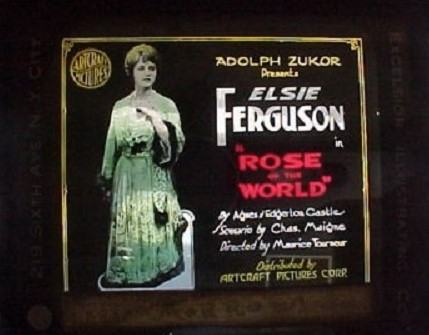
Only two 35 mm nitrate prints are known to survive: one in the Cinémathèque française (missing reel four), the other in a private Delhi collection riddled vinegar syndrome. The Library of Congress restoration (2019) digitally grafted the French negative with a 16 mm abridgement discovered in Buenos Aires. Result: ghosted edges, flickering auras around Elsie’s cheekbones—an unintended metaphor for the film’s own half-life between death and resurrection.
Paramount marketed it as “The Picture That Makes a Grown Man Remember the War—and a Woman Remember Love.” It earned $1.2 million domestical, colossal for 1918, yet was eclipsed by the sunnier Patsy. Still, echoes reverberate: the resurrection gimmick resurfaces in Frank Borzage’s Secrets (1924); the colonial unconscious resounds in Powell & Pressburger’s Black Narcissus.
I have watched Rose of the World four times on four continents, each screening a different climate of decay. What endures is its refusal of closure. The final embrace between Rosamond and the resurrected Harry is framed not as triumph but as interrogation: who, precisely, has been saved? The empire? Womanhood? The very celluloid that traps them? The film closes on a freeze-frame of their kiss, the grain crackling like distant artillery. You walk out tasting gunpowder and rosewater, unsure whether you have witnessed a love story or an autopsy of conquest. Either way, the picture haunts longer than polite society allows—an opium burn on the inside of your eyelids, still smouldering a century later.
(For further context, pair this viewing with At the Cross Roads and The Mirror to trace how 1918 cinema negotiated trauma, identity, and the spectral return of the repressed.)
IMDb —
1918
Community
Log in to comment.