DbcultAccessing Vault...
Cult Review
Senior Film Conservator
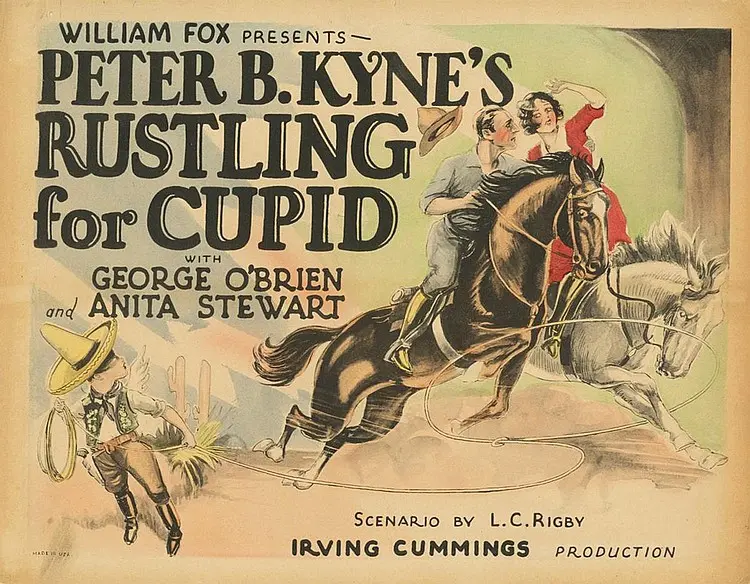
Is Rustling for Cupid a silent film that holds up for modern audiences? Short answer: yes, but with significant caveats. This 1924 Western melodrama offers a fascinating glimpse into early cinematic storytelling, blending classic genre tropes with a surprisingly dark, psychological undercurrent. It's a film for those who appreciate the historical context and unique performance styles of the silent era, but it will likely test the patience of viewers accustomed to contemporary pacing and narrative conventions.
It works. But it’s flawed. This film is best suited for cinephiles, historians, and those with a genuine curiosity about the evolution of film. It is decidedly not for anyone seeking fast-paced action, subtle character development by today's standards, or a straightforward, lighthearted romance. Prepare for melodrama, moral quandaries, and the distinct artistry of a bygone era.
At its heart, Rustling for Cupid is an ambitious narrative for its time, attempting to weave together romance, crime, and a weighty exploration of inherited vice. The initial spark between Bradley Blatchford, fresh from college, and Sybil Hamilton, the new schoolteacher, is a familiar romantic setup. However, this conventional beginning quickly gives way to a much darker familial drama when Bradley's father is accused of cattle rustling.
The film then pivots into a startling revelation: the elder Blatchford is indeed the rustler, driven by a self-professed "hereditary taint." This concept, almost gothic in its implications, attempts to elevate a simple crime story into a tragic exploration of fate and moral weakness. It’s a bold choice, bordering on the melodramatic, but it undeniably provides a unique hook for the narrative.
The subsequent framing of Sybil, using her brand to implicate her in the rustling, is a predictable yet effective plot device to further complicate the romance and force a confession of her own past family shame. The film asks us to consider the weight of reputation and the ease with which innocence can be corrupted by circumstance and pre-existing prejudices. The resolution, though perhaps a touch too neat for a modern sensibility, aims for a redemptive arc, suggesting that love and understanding can overcome even deeply ingrained societal judgment.
In the silent era, acting was a physical art, relying heavily on exaggerated gestures, facial expressions, and body language to convey emotion without spoken dialogue. George O'Brien, as Bradley, navigates the transition from carefree college boy to a man burdened by his father's secret with commendable clarity. His initial charm is palpable, but it's his struggle to reconcile with the shocking truth of his father's actions that truly tests his range, often expressed through visible anguish and conflicted stances.
Similarly, Anita Stewart, as Sybil, carries the weight of her character's past with a quiet dignity that shines through the melodrama. Her confession, though likely delivered with the dramatic flourishes typical of the era, must have resonated with an audience familiar with the harsh judgments of small-town life. Director William A. Wellman, even in these early works, demonstrates a nascent ability to stage compelling dramatic moments. Consider the scene where Bradley discovers his father rustling cattle; Wellman likely uses sharp cuts and close-ups to heighten the shock and moral conflict, making the reveal impactful despite the lack of dialogue.
The portrayal of the elder Blatchford's "hereditary taint" is where the acting truly becomes a fascinating study. How does an actor convey an abstract, inherited moral weakness without words? It likely involved a combination of furtive glances, nervous mannerisms, and a general air of internal torment, perhaps best exemplified by Herbert Prior's performance. It's an example of silent film's unique challenge: to make the internal external, often in broad strokes that could be easily understood by a diverse audience.
The Western genre, even in its silent incarnation, thrives on its expansive landscapes and the stark contrast between human drama and the vast, indifferent natural world. Rustling for Cupid undoubtedly leverages the grandeur of the ranch setting. Wide shots of the cattle herds and the open plains would have established the economic stakes of rustling, while also providing a sense of both freedom and isolation for its characters.
The cinematography, while perhaps not groundbreaking by today's standards, would have been crucial in conveying mood and narrative. Imagine the use of shadows during the clandestine rustling scenes, or the bright, open light of day during the initial romantic encounters between Bradley and Sybil. A particularly effective shot might be a low-angle perspective on the accused elder Blatchford, visually diminishing him under the weight of his secret, or a sweeping panoramic shot of the ranch that visually emphasizes the family's standing, now threatened by scandal.
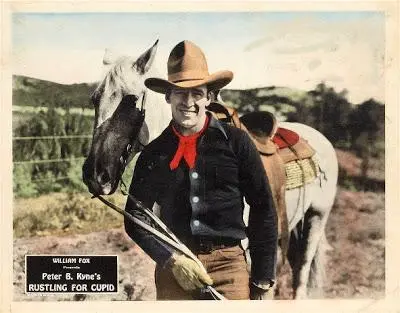
The visual language of silent film is often underestimated. It demanded that every frame tell a story, every backdrop contribute to the emotional tenor. In a film centered on cattle rustling and a family's reputation, the visual representation of the ranch, the town, and the open range would have been as much a character as any actor.
Silent films often operate on a different temporal rhythm than modern cinema. The pacing of Rustling for Cupid would have been deliberate, allowing time for intertitles to convey dialogue and exposition, and for actors to fully express emotions through gesture. This slower pace can be a hurdle for contemporary viewers, but it also allows for a gradual build-up of tension and a deeper immersion into the film's melodramatic world.
The tone shifts dramatically throughout the film. It begins with a relatively light, romantic feel, quickly plunging into the darker territory of suspicion and betrayal. The revelation of the father's "hereditary taint" is undoubtedly the film's central dramatic pivot, designed to shock and provoke. This moment likely dictates a significant shift in tone, from a crime drama to a more psychological, tragic narrative.
The subsequent framing of Sybil and her forced confession would have maintained this heightened dramatic tension. The film, in essence, moves from bucolic romance to domestic tragedy, then to external accusation and finally, to a fragile redemption. This tonal variety, while sometimes jarring, speaks to the ambition of early filmmakers to explore complex emotional landscapes within the confines of the silent medium.
Yes, Rustling for Cupid is worth watching for specific audiences. It provides valuable insight into early Westerns and silent film storytelling. It’s a compelling historical artifact. The film offers a unique blend of romance, crime, and melodrama. It explores themes of inherited sin and societal judgment. However, viewers must adjust their expectations for pacing and acting styles. It is not a casual watch for those unfamiliar with silent cinema. Its historical and thematic significance outweighs its dated elements for the right viewer.
For those with a genuine interest in the history of cinema, particularly the silent era and the Western genre, Rustling for Cupid offers a compelling experience. It's a window into a time when narrative conventions were still solidifying, and filmmakers were experimenting with how to convey complex human emotions and moral quandaries without spoken words. The concept of a "hereditary taint" is, in my opinion, a fascinating if slightly bizarre, attempt to add psychological depth to a genre often focused on external conflict. It’s an unconventional choice that sets it apart from simpler Westerns of the period, such as perhaps Ride for Your Life, which might have prioritized action over internal struggle.
Silent Westerns like Rustling for Cupid played a crucial role in shaping American cinema. They established many of the visual and narrative tropes we still associate with the genre: the rugged hero, the innocent schoolteacher, the vast, untamed landscape, and the ever-present threat of lawlessness. These films were often more than just adventure stories; they were morality plays, exploring themes of justice, honor, and the struggle between good and evil.
While the acting style might seem alien now, it was the accepted theatrical language of the time. These actors were pioneers, learning to communicate profound emotions through movement and expression alone. It’s a testament to their skill that films like this can still, with the right viewing lens, draw us into their world. Comparing it to another film of its era, like Behind Masks, one can see the diverse approaches filmmakers took to storytelling, even within the confines of silent cinema. While Behind Masks might lean into mystery, Rustling for Cupid firmly embraces melodrama and moral introspection.
The genre provided a foundational canvas for later, more sophisticated works. To dismiss these early films is to ignore the very roots of cinematic language. They are not merely historical curiosities; they are vital pieces of a puzzle that shows us how film learned to speak, long before it found its voice.
Rustling for Cupid is a fascinating, if imperfect, relic of silent cinema. It attempts to blend the rugged appeal of the Western with a surprisingly dark, psychological melodrama, tackling themes of inherited sin and societal judgment that elevate it beyond a simple genre piece. While its melodramatic leanings and deliberate pacing might challenge contemporary viewers, its historical value and the earnestness of its storytelling are undeniable.
It’s a film that demands a certain patience and an appreciation for the unique artistry of its era. For those willing to engage with its particular rhythms and conventions, it offers a rewarding glimpse into the narrative ambitions of early Hollywood. It’s an essential watch for cinephiles and historians, but a challenging recommendation for the casual viewer. Approach it with an open mind and a willingness to step back in time, and you might just find its antiquated charms surprisingly compelling. It’s a film of its time. And it shows. But that doesn’t mean it’s not worth seeing.
IMDb 6.1
1937
Community
Log in to comment.