DbcultAccessing Vault...
Cult Review
Senior Film Conservator
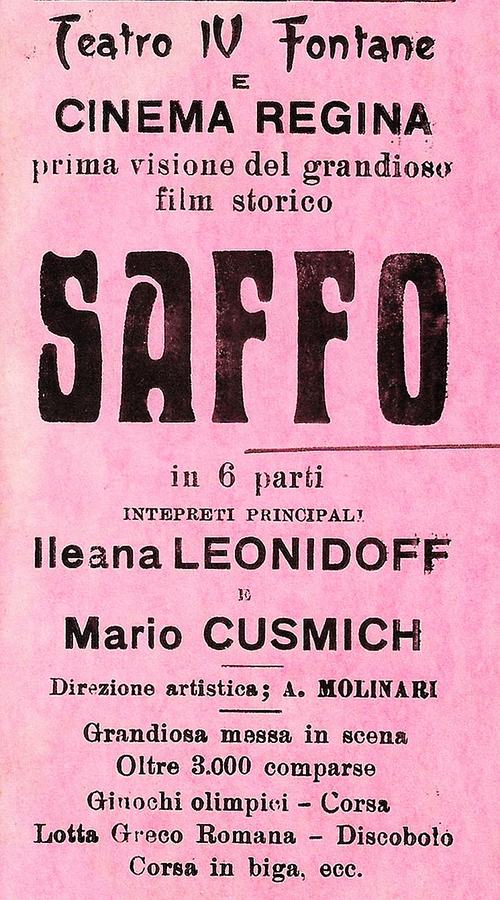
In the annals of early cinema, where flickering shadows danced across silver screens, certain narratives emerge not merely as historical artifacts but as timeless testaments to the human condition. Among these, the 1918 Italian silent film, Saffo, stands as a poignant, if perhaps underappreciated, masterpiece. It is a film that, despite the vast chasm of a century, still manages to resonate with an almost visceral emotionality, a testament to its powerful storytelling and the incandescent performances of its cast. This isn't just a historical curiosity; it's a vibrant, living piece of art that demands our attention, inviting us to peer into a past that feels remarkably present.
The film plunges us into the sun-drenched, myth-laden world of ancient Lesbos, a setting that immediately evokes a sense of both idyllic beauty and underlying societal tension. Here, we meet Saffo, a character brought to life with breathtaking intensity by the incomparable Ileana Leonidoff. Leonidoff, an actress whose expressive power transcends the limitations of silent dialogue, embodies Saffo not just as a historical figure, but as a universal symbol of artistic defiance and unbridled passion. Her Saffo is a woman whose soul is a vibrant tapestry woven from desire and rebellion, finding its most profound expression in verses that dared to challenge the staid conventions of her era. This portrayal alone is worth the journey into the film's depths, offering a masterclass in non-verbal communication, a subtle yet potent ballet of emotion conveyed through every gesture, every fleeting expression.
The narrative truly ignites with the tempestuous romance between Saffo and Faone, a charismatic but ultimately ephemeral Athenian sailor, portrayed by Alfredo Bracci. Bracci imbues Faone with a captivating charm, a magnetic allure that makes Saffo’s immediate and profound attraction utterly believable. Their clandestine trysts, depicted with a delicate balance of intimacy and foreboding, mirror the tumultuous beauty of the Aegean Sea itself – serene one moment, tempestuous the next. The cinematography here is particularly noteworthy, capturing the natural splendor of the island while subtly hinting at the brewing storms within the characters' lives. The use of natural light, the framing of figures against sweeping landscapes, all contribute to an almost mythical quality, elevating their love story beyond mere melodrama into the realm of epic tragedy. This visual poetry distinguishes Saffo from many of its contemporaries, offering a richer, more nuanced aesthetic experience.
However, as Saffo’s poetry gains a controversial following, her unconventional spirit inevitably draws the ire of the austere Archon Lykourgos, brought to life with a chilling gravitas by Guido Guiducci. Guiducci's performance as the rigid, unyielding patriarch is a study in controlled menace. He views Saffo’s art and lifestyle as a dangerous subversion of moral order, a threat to the established patriarchal structures he so fiercely upholds. The conflict between Saffo's liberating artistic expression and Lykourgos's oppressive traditionalism forms the central ideological battleground of the film, a theme that remains remarkably pertinent even today. This ideological clash is not merely a backdrop but an active force, shaping the destinies of all involved. It evokes a similar sense of societal pressure and individual struggle seen in films like Doch isterzannoy Pol'shi, where personal desires are crushed under the weight of political and social mandates.
The turning point arrives with Faone's cruel betrayal. Swayed by ambition and the allure of a 'prudent' match, he abandons Saffo, plunging her into a vortex of despair. Bracci masterfully conveys Faone's internal conflict, the fleeting moments of regret battling against his self-preservation, making his ultimate decision all the more tragic. Yet, this profound heartbreak, far from crushing Saffo, paradoxically fuels a new, raw power in her artistic expression. Her grief transforms into a torrent of verses, each word a testament to her shattered heart, yet also a defiant assertion of her enduring spirit. This transformation is beautifully rendered by Leonidoff, whose portrayal of Saffo’s suffering is both agonizing and inspiring, showcasing the profound link between pain and profound art.
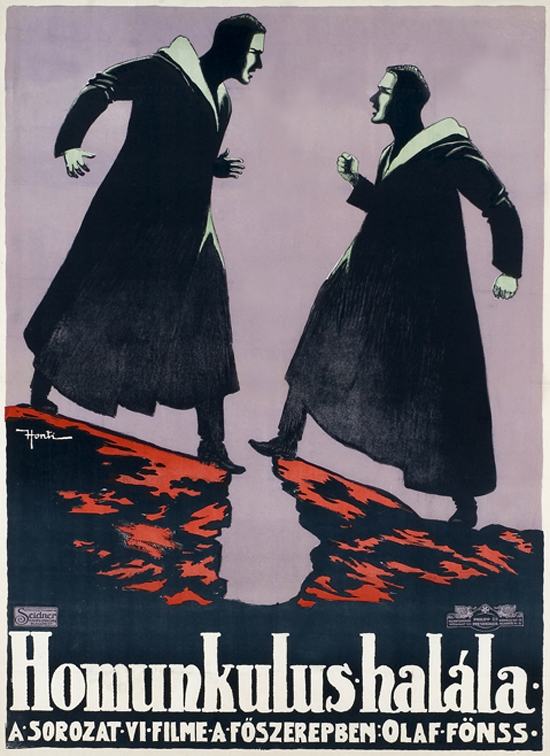
The film culminates in a harrowing public condemnation orchestrated by Lykourgos. Saffo is forced to confront her accusers, her silent defiance a powerful testament to her unwavering spirit, even as her heart fragments. The scene is a masterclass in silent film dramatics, relying heavily on Leonidoff's emotive performance and the stark visual contrast between Saffo's vulnerability and the crowd's judgment. Carlo Lanner, in his role as a conflicted council member, adds a subtle layer of moral ambiguity to the proceedings. His silent struggle, torn between respect for Saffo's genius and fear of the Archon's power, provides a crucial human element, reminding us that not all are blindly complicit in injustice. This scene, with its intense psychological pressure, brings to mind the dramatic tension and moral quandaries found in Homunculus, 6. Teil - Das Ende des Homunculus, where characters face existential crises under the gaze of a scrutinizing society.
Ostracized and heartbroken, Saffo seeks solace at the legendary Leucadian Cliff, a spot from which the desperate are said to leap into the sea to end their suffering. The narrative masterfully leaves her ultimate fate ambiguous—a symbolic leap into the abyss of legend or a profound internal exile. This ambiguity is one of the film's greatest strengths, cementing her legacy not as a victim, but as a tragic muse whose silenced voice resonates eternally through the enduring power of her verses. The final scenes, focusing on her devoted protégé, Ero (Mario Cusmich), years later, reciting Saffo’s poetry, ensure that her spirit lives on through her art. Cusmich’s earnest portrayal of Ero underscores the enduring power of mentorship and the legacy of artistic influence. The film's conclusion, while tragic, is ultimately a celebration of art's immortality, a theme powerfully explored in other silent era dramas such as The Way of the World, which often grappled with the sacrifices made for artistic or societal recognition.
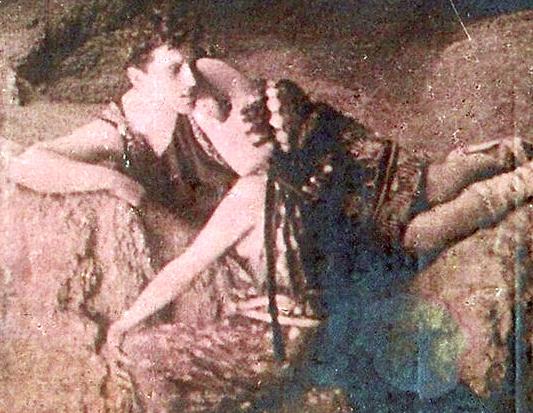
The direction throughout Saffo is a masterclass in silent film aesthetics. The use of dramatic lighting, often employing stark contrasts between light and shadow, effectively conveys emotional states and amplifies the film's melodramatic undertones. Intertitles are deployed with precision, providing necessary exposition without ever detracting from the visual narrative. The pacing, though deliberate, builds inexorably towards its tragic climax, maintaining a compelling rhythm that keeps the audience utterly absorbed. The emotional arc is meticulously crafted, allowing viewers to witness Saffo's transformation from a spirited individual to a heartbroken icon.
Beyond its technical prowess, Saffo distinguishes itself through its profound thematic depth. It is a searing exploration of the conflict between individual genius and societal constraints, the eternal struggle of the artist against a world that often seeks to silence unconventional voices. Saffo’s story is a timeless lament for forbidden love and a powerful ode to artistic freedom. Her defiance in the face of judgment, her refusal to compromise her truth, makes her an enduring symbol of resistance against oppression. This resonates deeply with the spirit of rebellion found in films like The Little Gypsy, where characters often challenge social norms through their very existence.
The performances, particularly that of Ileana Leonidoff, are the film's undeniable heart. Her ability to convey complex emotions without uttering a single word is simply mesmerizing. Alfredo Bracci provides a nuanced counterpoint as Faone, capturing the charm and ultimate weakness of a man caught between passion and pragmatism. Guido Guiducci's Archon is a formidable antagonist, embodying the rigid societal forces Saffo confronts. Mario Cusmich and Carlo Lanner, though in supporting roles, add crucial layers to the narrative, providing both loyalty and conflicted moral introspection respectively. The ensemble works in perfect synchronicity, creating a believable and emotionally charged world.
In an era where female artists often faced immense scrutiny and limitations, Saffo offers a powerful, albeit tragic, narrative of a woman who dared to live and love on her own terms. It’s a historical drama that feels remarkably contemporary in its exploration of themes like gender expectations, artistic integrity, and the enduring power of personal truth. The film's poetic sensibility, combined with its dramatic intensity, positions it as a significant work within early Italian cinema, a period often overshadowed by its American and German counterparts.
Comparisons to other silent era masterpieces are inevitable and illustrative. The tragic romance and the societal pressures that lead to heartbreak in Kreutzer Sonata find a spiritual cousin in Saffo’s plight. The stark beauty and underlying melancholy of the visual storytelling can be seen as a precursor to the evocative imagery found in films like The Light in Darkness. While perhaps not as widely known as some of the more celebrated silent epics, Saffo certainly holds its own, offering a unique blend of classical tragedy and modern sensibility.
The film's exploration of artistic legacy, ensuring that Saffo's voice, though silenced by the world, echoes eternally through her immortal verses, is a profound statement. It speaks to the transcendent power of art to outlive its creator and defy the passage of time. This theme of enduring legacy and the struggle for recognition is a recurring motif in cinema, from the grand narratives of Idols to the more intimate struggles portrayed in Our Little Wife. Saffo, in its understated yet powerful way, contributes significantly to this rich cinematic tradition.
For those who appreciate the nuanced artistry of silent cinema, Saffo is an essential viewing experience. It is a film that rewards careful attention, offering layers of meaning and emotional resonance that linger long after the final frame. It is a reminder that the past, far from being a collection of dusty relics, is a living, breathing entity, capable of speaking to our present with remarkable clarity and power. Go forth, seek out this gem, and allow yourself to be captivated by the timeless tragedy and enduring spirit of Saffo. It's an exploration not just of cinema history, but of the very essence of human passion and artistic resilience.
IMDb 7.2
1927
Community
Log in to comment.