DbcultAccessing Vault...
Cult Review
Senior Film Conservator
Stepping into the world of The Red Woman is akin to unearthing a forgotten cinematic artifact, a narrative rich with the melodramatic flourishes and stark moral quandaries characteristic of its era, yet possessing an emotional core that transcends time. This isn't merely a tale; it's a sprawling epic of identity, societal friction, and the relentless pursuit of love against formidable odds. From its very premise, the film establishes a profound dichotomy: the intellectual triumph of Marie Temosach, an Indigenous woman, against the backdrop of an Eastern society unwilling to embrace her, an early, poignant commentary on the superficiality of education without true social acceptance.
The journey begins with Marie's return to her ancestral home, a retreat from a world that lauded her intellect but denied her humanity. Here, the narrative introduces Sancho, a figure of untamed desire and predatory intent, representing the raw, dangerous forces lurking on the periphery. Edward Roseman's portrayal of Sancho, though perhaps broad by modern standards, effectively embodies this menacing presence, a stark contrast to Marie's quiet dignity. His advances are not merely rejected; they are rebuffed with a quiet strength that immediately defines Marie's character as one of formidable resolve.
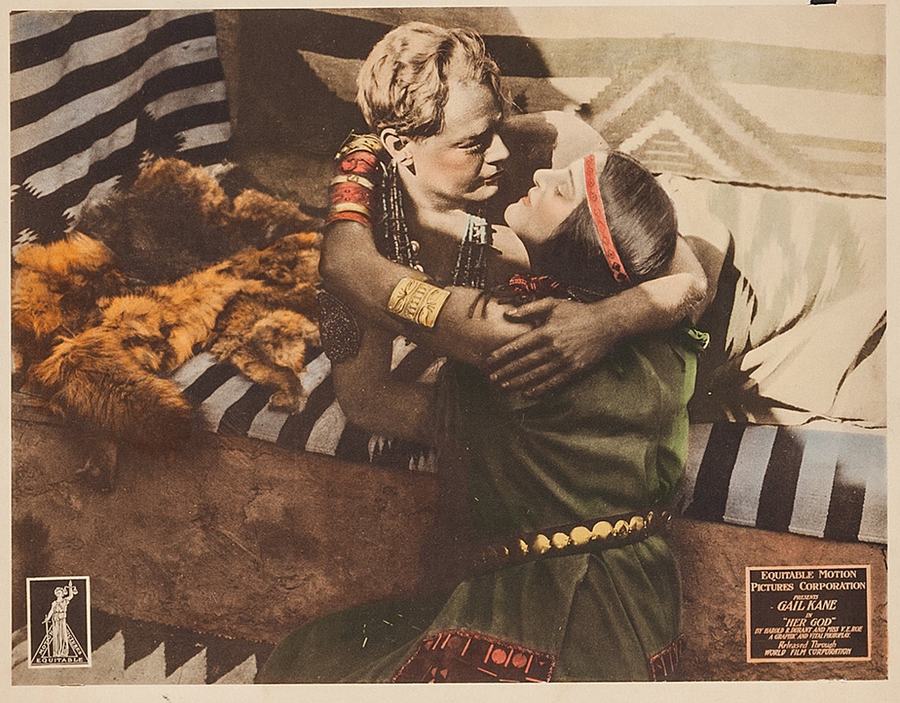
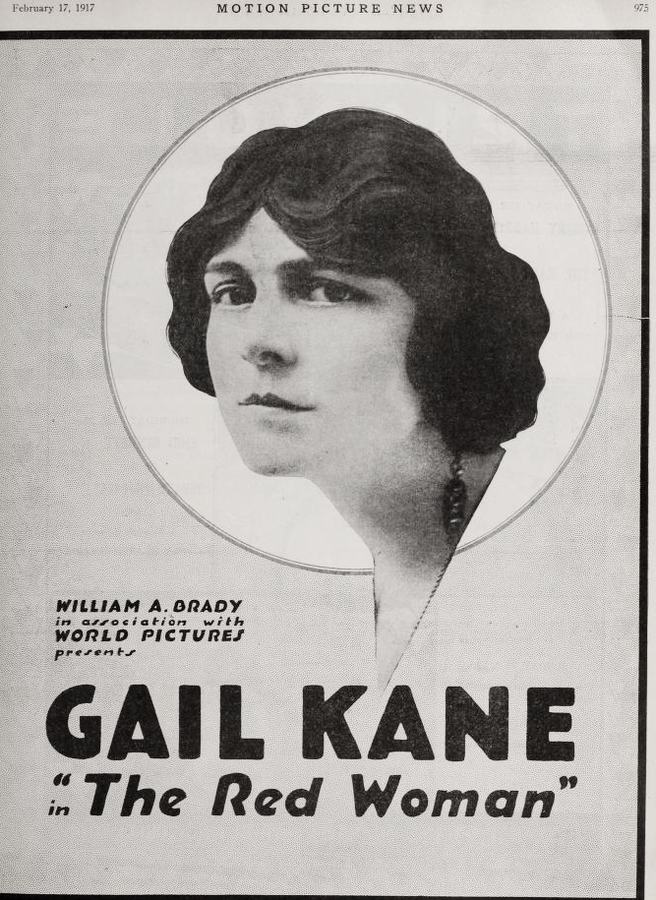
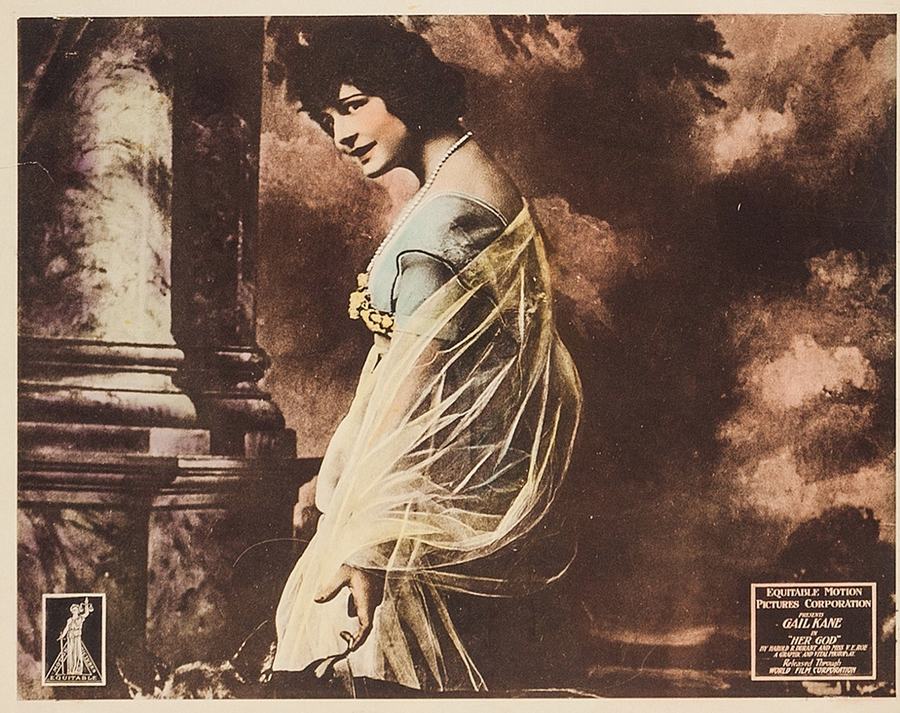
Parallel to Marie's struggle, the film introduces Morton Dean, a character steeped in the privileges and pitfalls of another world. Mahlon Hamilton's Dean is initially presented as a spendthrift, caught in the gilded cage of a mercenary engagement with Dora Wendell, portrayed with cunning precision by Gail Kane. Dora is not merely a love interest; she is an architect of her own ambition, a society adventuress whose affections are as fleeting as Dean's inheritance seems uncertain. The dramatic irony of Dean's father's will – a temporary disinheritance followed by a six-month waiting period for the bulk of his estate – serves as a brilliant narrative device, exposing Dora's true colors and setting Dean adrift. This kind of financial precarity driving plot, where characters are judged by their perceived wealth rather than their inherent worth, echoes themes found in films like A Gentleman of Leisure, where class and financial standing dictate destiny.
Dean's subsequent flight to Mexico, spurred by Dora's abandonment, marks a pivotal turning point. It is here, far from the suffocating expectations of his own society, that he encounters Marie. The attraction between them is portrayed with a quiet intensity, a mutual recognition of spirit that transcends their disparate backgrounds. Gladys Earlcott's Marie, in particular, conveys a depth of emotion and resilience that anchors the film, making her plight and her burgeoning love utterly believable. This burgeoning romance, however, is a direct affront to Sancho's possessive desires, leading to a brutal confrontation that solidifies his vengeful resolve. The palpable tension here, the sense of impending danger, is expertly crafted, reminiscent of the rugged, untamed landscapes and moral ambiguities explored in films like Men of the Desert or The Yaqui, where the harsh environment often mirrors the harshness of human nature.
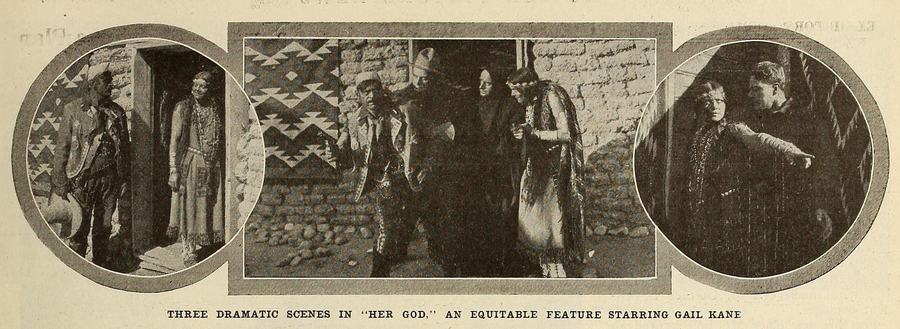
Marie's warning to Morton, a testament to her protective instincts, is tragically unheeded, leading to his wounding. Her subsequent rescue and nursing of him in her secluded cabin become the crucible in which their love is truly forged. It's a classic cinematic trope – the wounded hero, the nurturing heroine – but infused here with a unique cultural resonance. The moment Marie declares Morton her new 'god' and destroys her ancestral idol is profoundly symbolic. It signifies a radical shift in her worldview, a complete surrender to a love that she believes transcends even spiritual devotion. This act, while perhaps jarring to modern sensibilities, speaks to the overwhelming power she attributes to this new connection, a sacrifice of her past for a future with him. It's a dramatic gesture of devotion, perhaps comparable to the radical self-reinvention seen in characters in films like Balleteusens hævn, albeit in a vastly different context.
The re-entry of Dora Wendell into the narrative, her greed reignited by the revelation of Morton's restored inheritance, adds another layer of tension. Her alliance with Sancho, a pragmatic, if unholy, union of avarice and vengeance, sets the stage for a climactic confrontation. The ingenuity Marie displays in disguising Morton as an idol, placing him on the pedestal, is a stroke of brilliant, desperate resourcefulness. It’s a moment that highlights her quick wit and unwavering resolve to protect the man she loves, even if it means manipulating sacred symbols. This scene, a blend of suspense and clever deception, is a standout, demonstrating the film's capacity for intricate plot maneuvers.
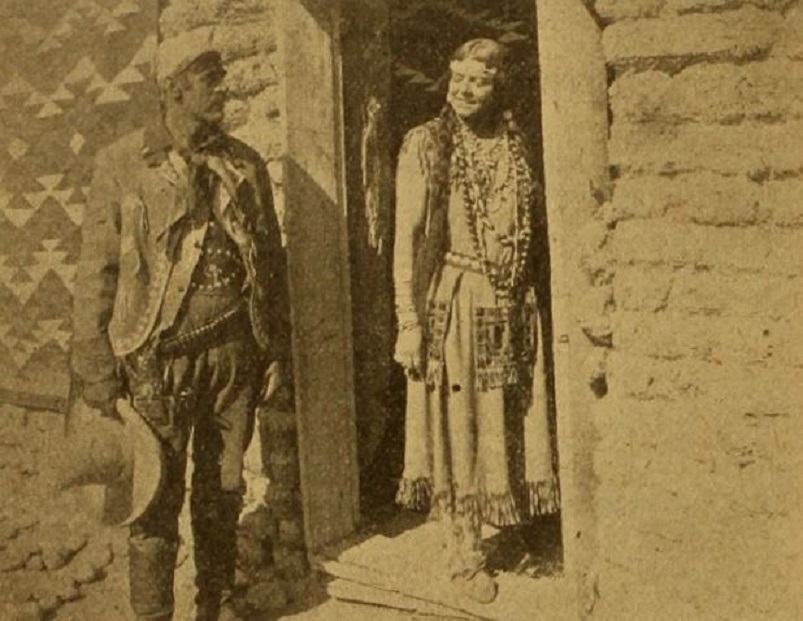
What follows is perhaps the most heart-wrenching decision Marie is forced to make: compelling Morton to return to Dora. Her reasoning, born of a perceived duty to his social standing and an understanding of the complexities of his 'white' world, speaks volumes about the societal pressures she internalizes. It's a self-sacrificial act, a tragic testament to her love, reminiscent of the profound personal sacrifices depicted in As a Man Sows or even the broader societal struggles for justice and freedom in Spartacus, though on a far more intimate scale. This moment profoundly underscores the film's thematic exploration of cultural divides and the often-impossible choices faced by individuals caught between worlds. The subsequent depiction of Marie, haunted by visions of Morton, sleepwalking into his arms, is pure romantic melodrama, yet it effectively conveys the irresistible pull of their connection, a love that defies conscious will and societal boundaries.
The narrative takes a darker, more complex turn with Sancho's reappearance and his audacious claim of paternity over Marie's baby. His assertion that Marie came to his hut during her sleepwalking episode introduces a morally ambiguous twist, one that, while problematic by contemporary standards, serves to heighten the dramatic stakes. It forces a direct confrontation with questions of honor, deceit, and the vulnerability of women in a patriarchal society. Sancho's attempt to 'honorably' marry Marie, under the guise of responsibility, is a chilling manipulation, one that underscores his villainy. This kind of forced hand, where a woman's reputation and future are threatened, can be seen in the tragic romantic entanglements of films like The Leopard's Bride or The Daughter of the Don.
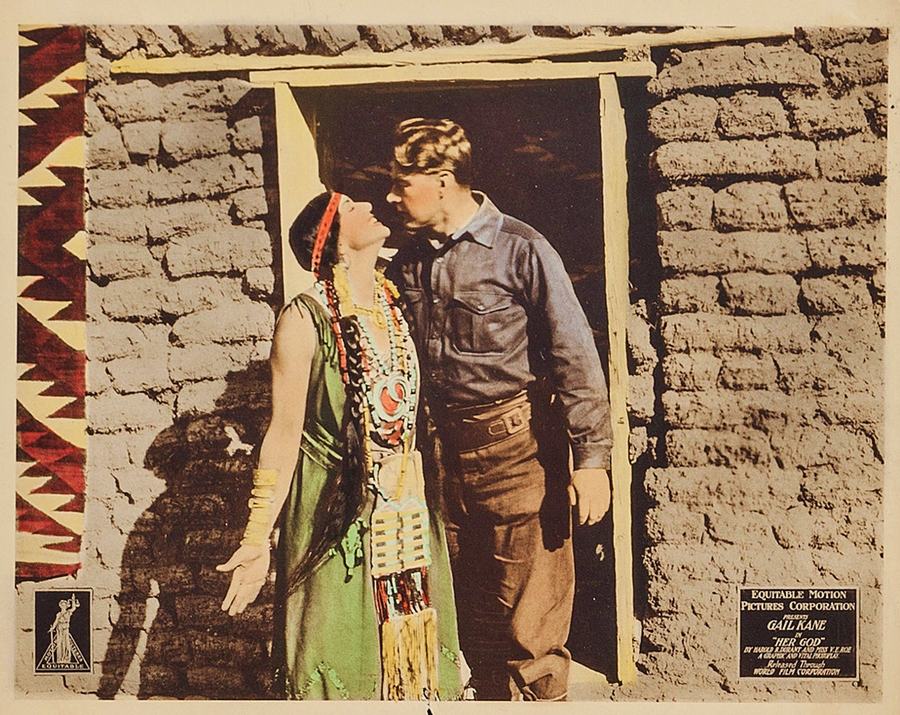
The arrival of Morton just as the coerced ceremony is about to commence is the ultimate dramatic rescue, a moment of catharsis that audiences of the era would have undoubtedly cheered. His declaration, 'he claims her as his wife,' is not just a statement of love but a powerful assertion of rightful ownership against a usurper. The ensuing skirmish, leading to Sancho's death at the hands of officers, provides a definitive resolution to the villain's arc, ensuring that justice, in its most direct form, is served. This final confrontation, though brief, brings a sense of closure to the long-simmering conflict, allowing Marie and Morton to finally claim their happiness.
The performances are uniformly strong, particularly Gladys Earlcott as Marie Temosach. She imbues Marie with a quiet dignity and fierce loyalty that makes her character deeply empathetic. Her transformation from an academically accomplished woman to a protective lover and mother is conveyed with nuanced grace. Mahlon Hamilton's Morton Dean, while starting as a somewhat naive spendthrift, matures into a man capable of profound love and decisive action. Gail Kane's Dora Wendell is deliciously villainous, a perfect foil, while Edward Roseman's Sancho exudes a primal menace that drives much of the film's conflict. The supporting cast, including June Elvidge and Charlotte Granville, adds texture to the film's rich tapestry.
The screenplay, credited to Harry R. Durant, deftly weaves together multiple narrative threads – social commentary, romance, revenge, and melodrama – into a cohesive and compelling whole. While some elements may feel dated, particularly the portrayal of Indigenous culture through a historical lens, the core themes of prejudice, love across divides, and the fight for personal happiness remain strikingly relevant. Durant's ability to craft such a multi-faceted plot, balancing personal drama with broader societal critiques, speaks to a keen understanding of storytelling that captivates and provokes thought. The intricate plot, with its twists and turns, keeps the audience engaged, much like the compelling narratives of films such as The Prince and the Pauper or The Corner, which similarly explore complex human relationships and societal structures.
The Red Woman, despite its age, stands as a powerful example of early cinema's capacity for complex character development and thematic depth. It’s a film that asks profound questions about identity, belonging, and the lengths to which individuals will go for love and survival. The exploration of Marie’s struggle for acceptance, her rejection by the 'white' society despite her achievements, resonates deeply, highlighting the enduring nature of prejudice. Her ultimate triumph, finding love and building a family, becomes a testament to her indomitable spirit. This narrative, with its blend of personal struggle and grand romance, truly showcases the enduring power of storytelling, reminding us that the human heart, with all its complexities, remains the most compelling subject.
The film's exploration of fate and individual agency, particularly through Marie's journey, is particularly compelling. She is not a passive victim of circumstance but an active agent, making difficult choices and employing clever strategies to protect her loved ones. Her actions, from rebuffing Sancho to crafting the idol ruse, demonstrate a strength of character that elevates the narrative beyond simple melodrama. This active heroism, where a woman takes charge of her destiny, offers a refreshing perspective. It underscores a message of resilience that transcends the specific historical context, making The Red Woman a compelling watch for anyone interested in the evolution of cinematic storytelling and the timeless battles of the human spirit. The film's ability to blend intense personal drama with a broader commentary on cultural identity and social acceptance makes it a fascinating piece of cinematic history, offering a window into the narrative concerns and dramatic sensibilities of its time while still resonating with universal themes of love, loss, and redemption. It’s a compelling argument for revisiting these foundational works, allowing them to speak to us across the decades with their raw power and undiminished emotional impact.
IMDb —
1929
Community
Log in to comment.