DbcultAccessing Vault...
6.5/10
Senior Film Conservator
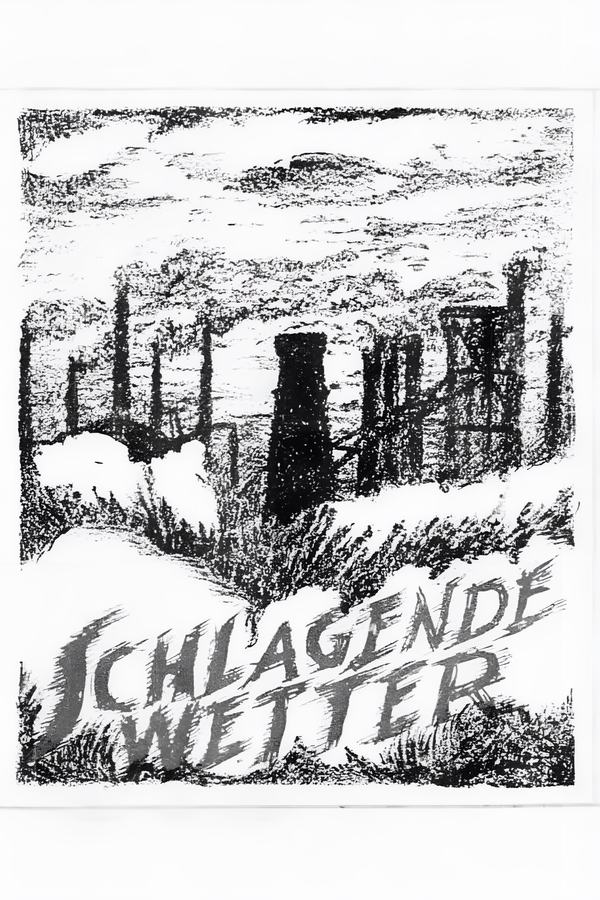
A definitive 6.5/10 rating for a film that redefined the boundaries of cult cinema. Schlagende Wetter remains a cornerstone of transgressive art.
The year 1923 remains a watershed moment for German cinema, a period where the jagged silhouettes of Expressionism began to soften into the gritty, tactile reality of Neue Sachlichkeit. At the heart of this transition stands Karl Grune’s Schlagende Wetter (Explosive Fumes), a film that manages to be both a haunting character study and a monumental piece of industrial art. While many contemporary critics fixate on the urban nightmares of Fritz Lang, Grune turns his lens toward the earth itself, finding in the coal mines of Sankt Anton a purgatory that mirrors the internal collapses of its protagonists.
The film’s prologue is a masterclass in domestic tension and the brutal consequences of social transgression. Maria, portrayed with a shattering fragility by Liane Haid, is not merely a victim of seduction but a casualty of a society that offers no quarter to women who deviate from the prescribed path of chastity. When her father discovers her involvement with Georg, his reaction is not one of protective concern but of atavistic rage. The expulsion of Maria into the elements—a sequence that rivals the pastoral tragedies of The Mill on the Floss—sets the stage for a journey that is as much about spiritual reclamation as it is about physical survival.
Grune’s direction excels in the juxtaposition of vast, indifferent landscapes and the suffocating intimacy of the mining shafts. The mining town of Sankt Anton is rendered as a leviathan, a place where the human element is dwarfed by the machinery of extraction. Here, Georg (the chillingly effective Carl de Vogt) hides amongst the colliers, thinking that the soot will mask the stain on his character. Unlike the stylized, almost theatrical villains found in espionage thrillers like The Spy, Georg is a mundane coward, a man whose evil stems from his refusal to face the consequences of his actions.
The narrative weight of Schlagende Wetter rests heavily on Liane Haid’s shoulders. Her transition from the disgraced daughter to a woman seeking a foothold in a hostile world is handled with a nuanced physicality. When she meets Thomas, played with an earnest, rugged charm by Walter Brugman, the film briefly flirts with the possibility of a pastoral romance. However, Grune never allows the audience to forget the subterranean threat. Their engagement is a fragile bridge built over a chasm of secrets. The chemistry between Haid and Brugman provides the film's emotional core, making the inevitable re-emergence of Georg feel like a genuine violation of a hard-won peace.
In many ways, Maria’s struggle for agency within the industrial framework of Sankt Anton mirrors the themes explored in Fräulein Julie, where class and gender are cages from which there is no clean escape. But where Strindberg’s work leans into fatalism, Grune’s film finds a strange, terrifying beauty in the endurance of the working class. The cinematography by Karl Hasselmann captures the play of light against the dust-mottled faces of the miners, elevating their labor to something mythic, yet never losing sight of the inherent danger—the titular 'firedamp' that threatens to ignite at any moment.
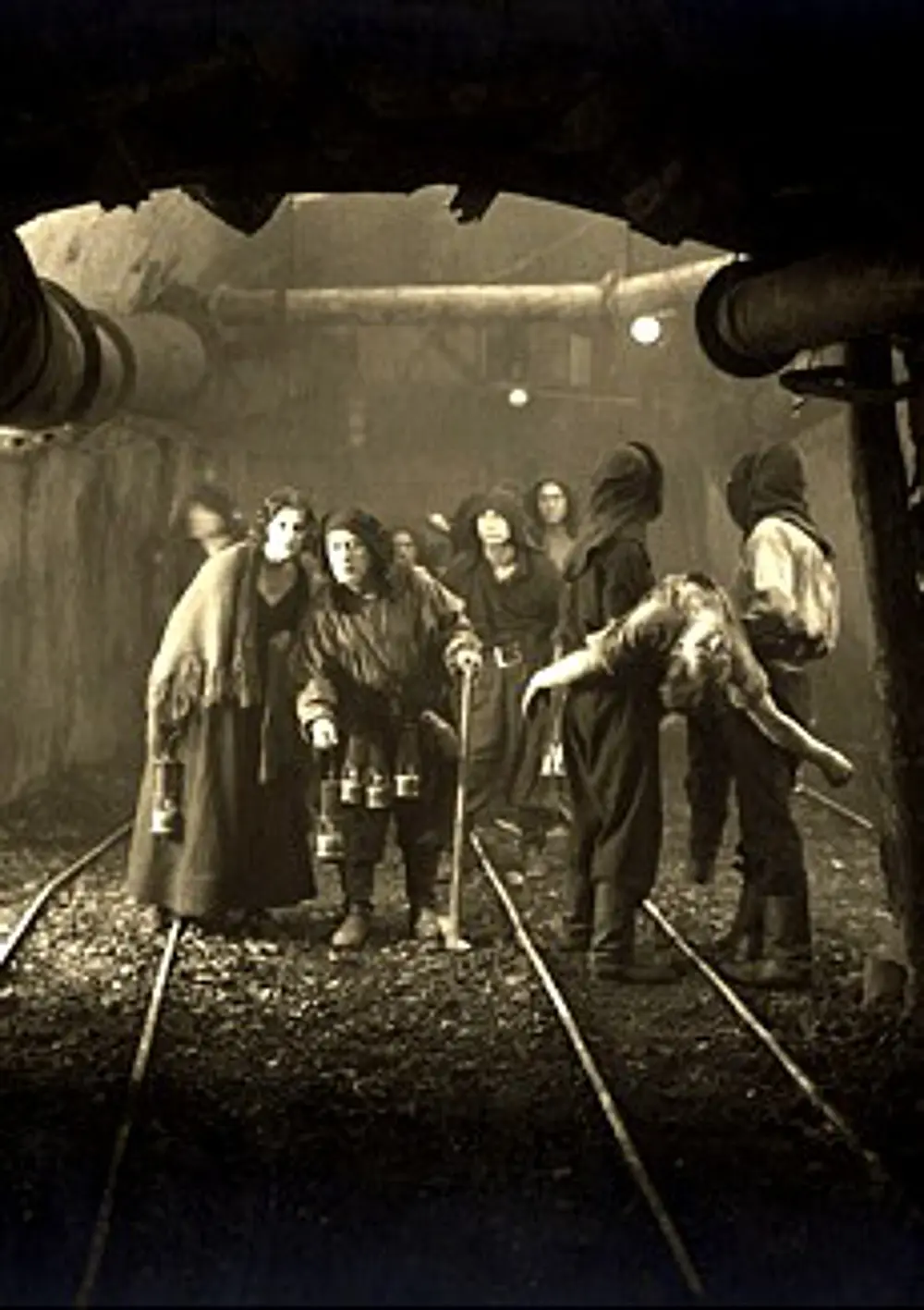
Technically, the film is a marvel of its era. The set design of the mines is so meticulously realized that one can almost taste the grit. The use of shadow is not merely for aesthetic flair; it serves as a narrative device that hides and reveals the characters' moral states. When Maria and Georg finally confront one another in the depths, the lighting shifts to a harsh, unforgiving chiaroscuro. The mine becomes a confessional, a place where the truth is squeezed out by the literal weight of the earth above. This level of environmental storytelling is rarely seen with such potency, even in more celebrated works like The Glory of Yolanda.
The writers, Max Jungk and Julius Urgiss, deserve immense credit for crafting a screenplay that avoids the pitfalls of mere melodrama. Every plot beat feels earned, every confrontation rooted in the psychological reality of the characters. The tension builds with the precision of a pressure cooker, mirroring the accumulation of methane in the mine shafts. When the climax arrives—the dreaded 'schlagende Wetter'—it is not just a physical catastrophe but a symbolic purging of the lies that have sustained the characters' lives in Sankt Anton.
To view Schlagende Wetter today is to witness a director at the height of his powers using the medium of silent film to explore the deepest recesses of the human condition. It lacks the whimsical escapism of Robinson Crusoe Ltd. or the lightheartedness of Der müde Theodor, opting instead for a somber, resonant truth. The film’s exploration of collective trauma and individual guilt was deeply relevant to a German audience still reeling from the Great War and the hyperinflation of the early 20s.
The supporting cast, including the formidable Eugen Klöpfer and Fritz Kampers, provide a rich tapestry of proletarian life. They aren't just background extras; they are the living, breathing tissue of the town. Their presence ensures that the stakes of the final explosion are not just personal for Maria and Thomas, but communal. The destruction of the mine is the destruction of their livelihood, a grim reminder of the precariousness of life in the industrial age.
Ultimately, Karl Grune has created a work that defies simple categorization. It is a romance, a thriller, and a social document all at once. The final frames, which I shall not spoil, offer a resolution that is as haunting as it is earned. It avoids the easy sentimentality often found in American imports of the time, such as Felix O'Day, choosing instead a path of hard-won catharsis. Schlagende Wetter is a essential viewing for anyone seeking to understand the true breadth of Weimar cinema beyond the usual canon of monsters and madmen. It is a film about the monsters within us, and the explosive power of the truth to set us—or bury us—free.
For those tracking the evolution of the social drama, this film serves as a vital link between the 19th-century literary tradition and the modern cinematic obsession with the intersection of the personal and the political. It is a towering achievement of the silent era, deserving of a place alongside the most celebrated works of the 1920s.
IMDb 5.7
1924
Community
Log in to comment.