DbcultAccessing Vault...
Cult Review
Senior Film Conservator
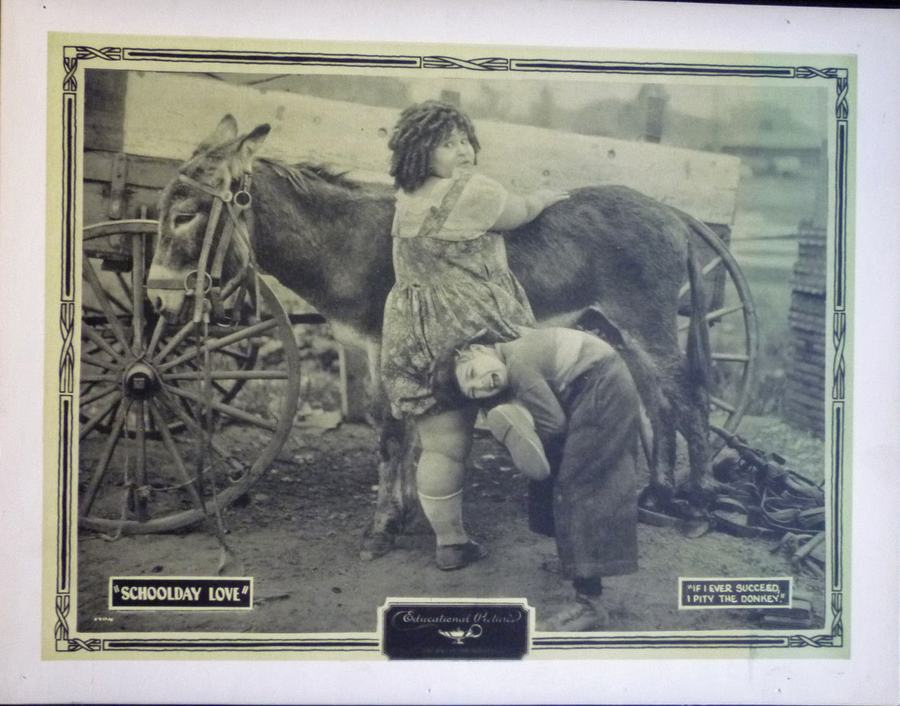
Grainy yet incandescent, Schoolday Love lands like a pressed violet between the pages of cinema’s earliest classroom. Frames quiver with the handheld breath of 1923; every jitter is a heartbeat, every iris-in a conspiratorial wink. Director-writer Lawrence Licalzi rejects melodrama, chasing instead the loose-limbed rhythms of recess. His camera crouches at child height, so doorjambs tower like Greek columns and a terrier’s nose looms as large as a Paramount mountain.
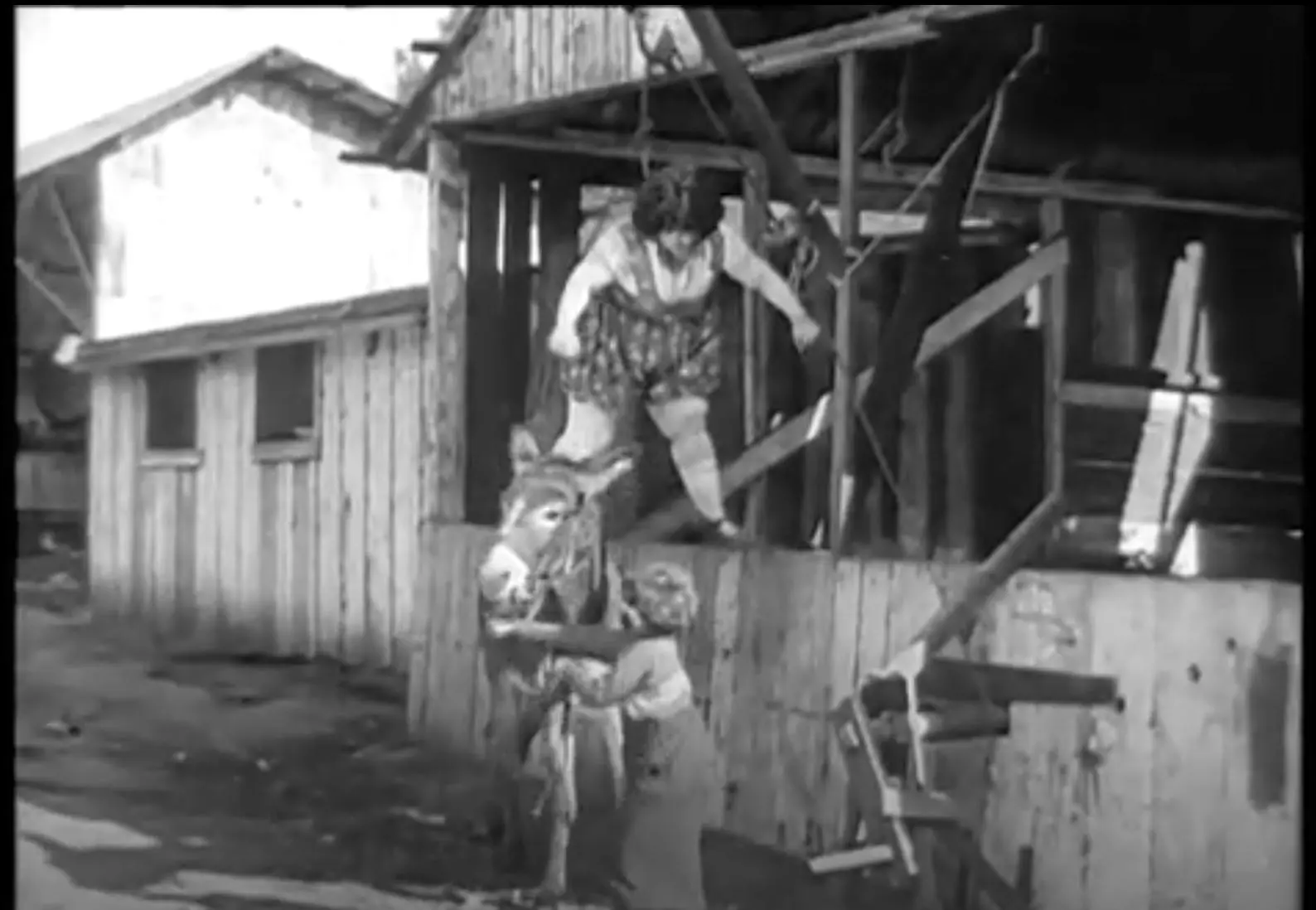
Forget three-act scaffolding; here the narrative meanders like a creek seeking sea. One moment our duo pilfers apples under the equine gaze of Maude the Mule; next they’re commandeering a hay-cart that becomes a rolling ark. A monkey swings from a bell rope, transforming chapel silence into anarchic carillon. Nothing is at stake except the elasticity of an afternoon, yet that proves cosmic wager enough.
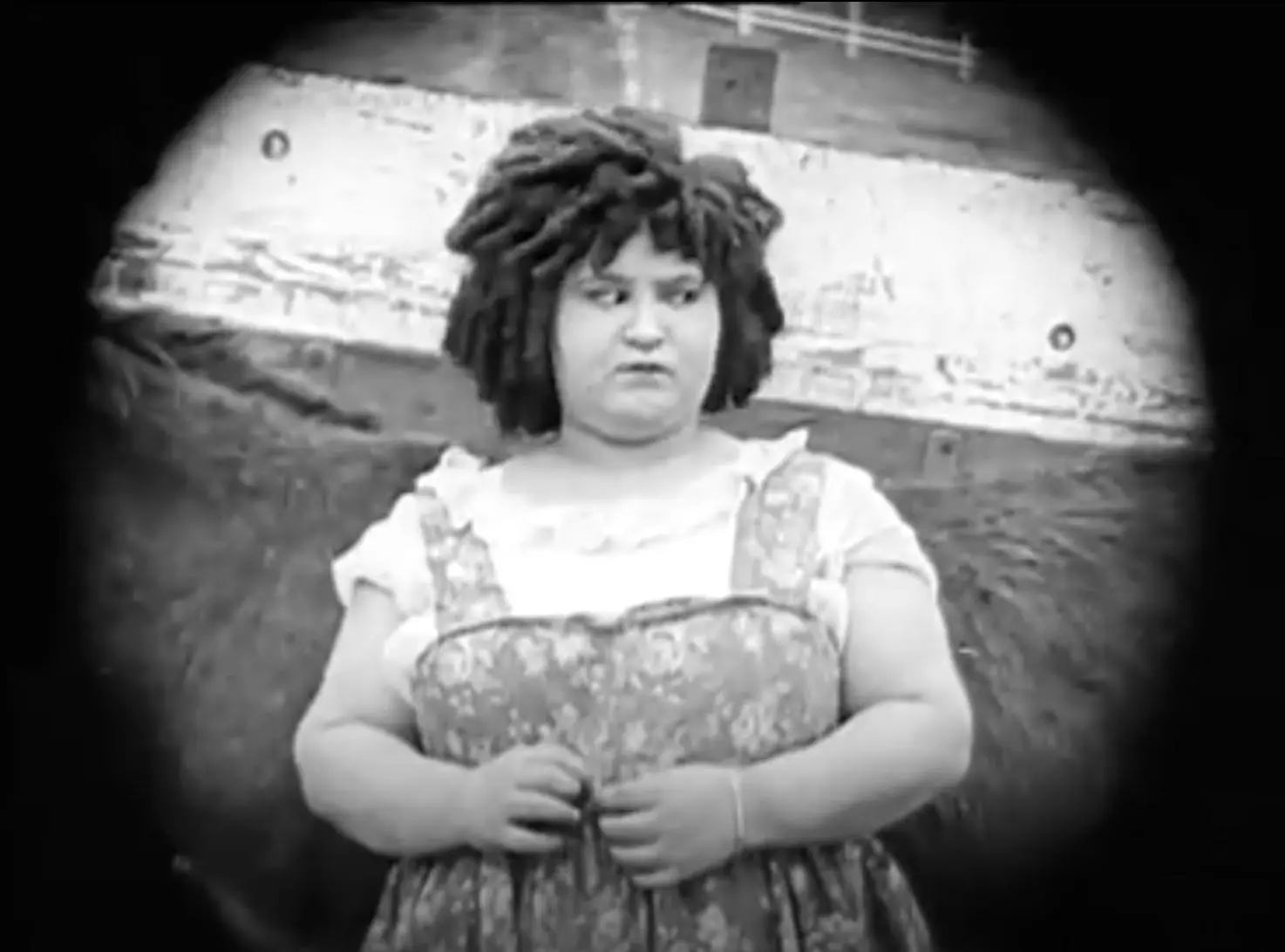
Doreen Turner plays the girl with the unselfconscious magnetism of a kid who’s never seen a casting couch. Her smile arrives a half-second early, as though the world paid her interest on joy. Opposite her, Coy Watson exudes a scalawag’s chivalry—knees perpetually scabbed, hair a blond explosion. Watson, part of the famed Watson siblings, acts like someone who’s been told the camera is merely another playmate. Jack Cooper and Dave Morris round out the classroom ensemble, supplying background chatter like birds on a telegraph wire.
Pal the Dog, a border-collie mix with a soulful stare, earns the film’s first close-up—an extreme insert of a nose twitch that doubles as manifesto: emotion will be measured in wet noses. Maude the Mule refuses stereotype; she’s neither stubborn nor saintly, merely present, ears pivoting like twin radar dishes registering adolescent nonsense. The monkey—nameless in titles but credited in lore as Jester—embodies chaos theory with opposable thumbs, vaulting onto a blackboard to scrawl illegible equations of delight.
“Silent cinema’s greatest trick is making silence audible; here, the pant of a dog fills the sonic void better than any orchestral stab.”
Cinematographer Fred Zinner (uncredited in most archives) bathes sequences in diurnal gold, then snaps to underbelly-blue when clouds skid across the sun. The shift feels physiological, like a pupil dilating. Double-exposures flash daydreams: a horse morphs into a carousel steed, a pencil becomes a soaring bird. Effects are primitive yet lyrical, recalling Chicot the Jester’s sleight-of-hand whimsy but stripped of courtly pomp.
Cards arrive irregularly, scrawled in a child’s trembling cursive. “We built a kingdom of hay—then the wind declared war.” Text becomes texture, a deliberate ploy to fuse form with content. Compared to the ornate verbosity of Die Ahnfrau’s Germanic dread, these cards whisper; compared to the utilitarian placards in Telephones and Troubles, they sing.
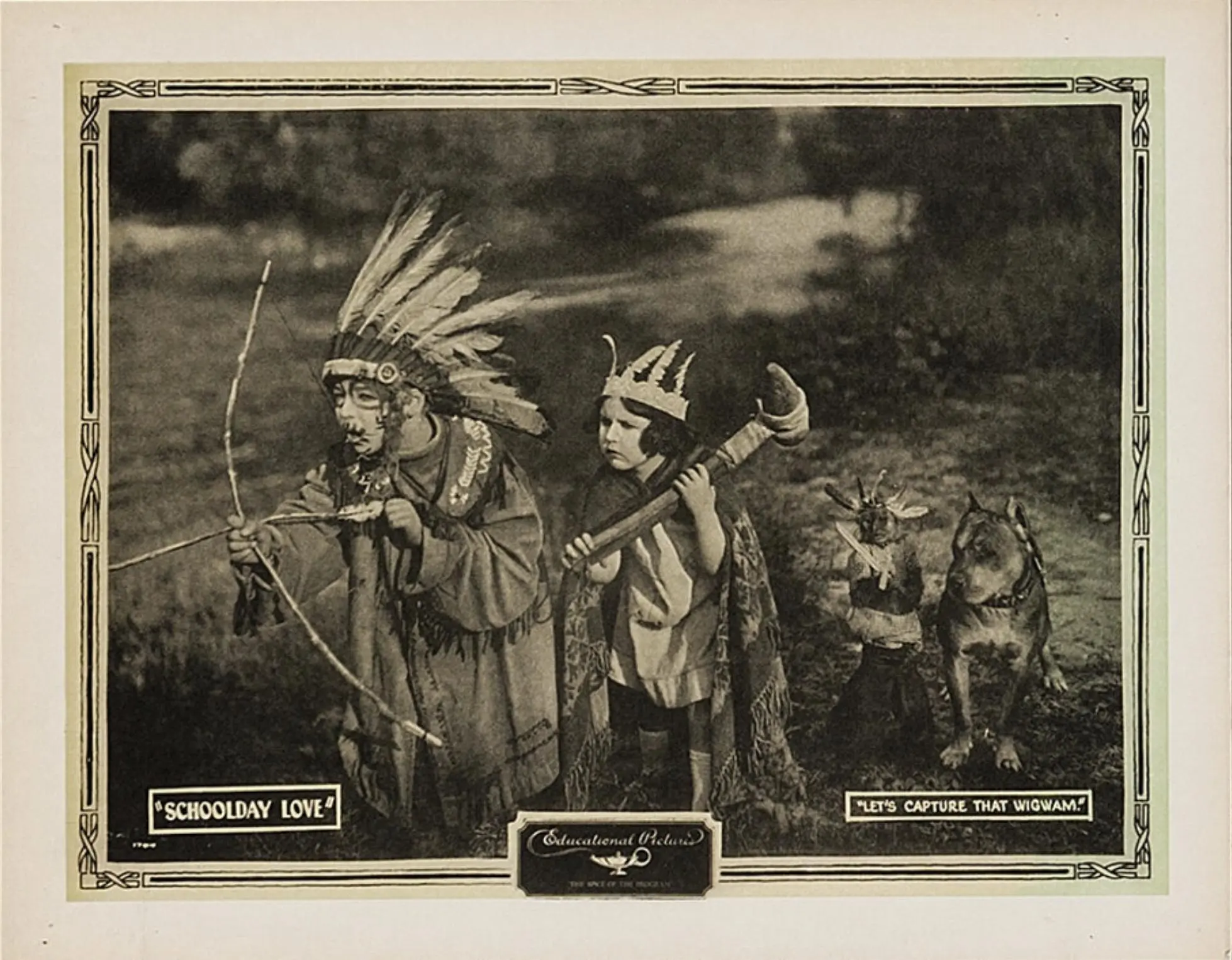
Editorial tempo mirrors playground dynamics: long stretches of languid observation ruptured by Keystone-like chases. A match-cut links girl’s braids to horse’s tail, hinting at kinship across species. At 46 minutes, the film sidesteps feature-length bloat, landing in that liminal sweet spot where serial and one-off mingle.
On the surface, Schoolday Love exalts unfettered romp. Dig deeper and it interrogates ownership: who commands field, stream, or time? The children annex spaces without deeds; animals oblige without contracts. Yet no colonist malice stains their play—property is fluid, like chalk washed clean by rain. Compare this utopian flux to the territorial angst of Heart of the Wilds, where every pine tree drips with manifest destiny.
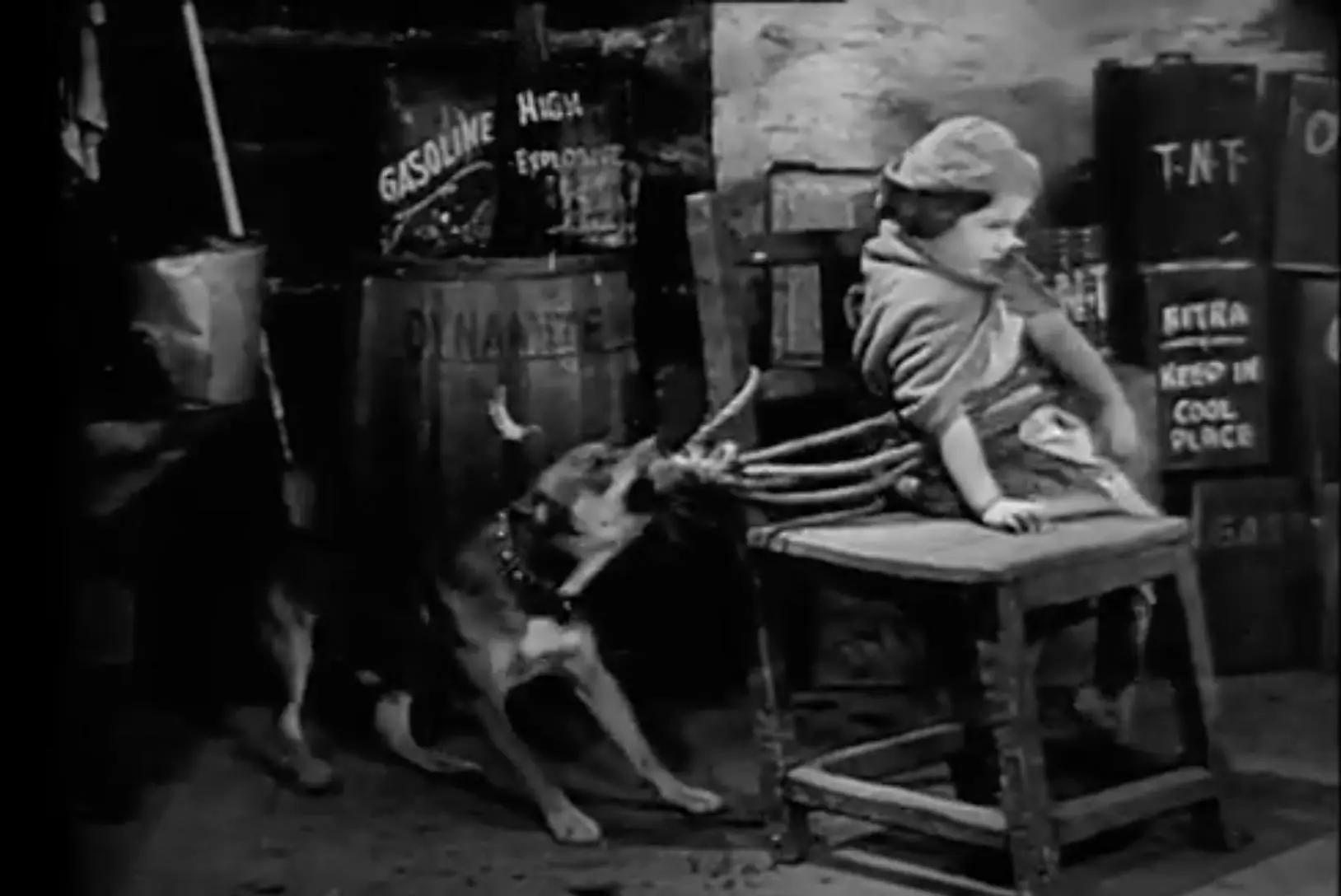
Though originally released sans score, contemporary festivals often commission improvisational trios. At Pordenone, a cellist looped hoof-beats by slapping pizzicato; a flautist countered with monkey chatter in minor thirds. The result: a sonic zoo as anarchic as the visual one. Home viewers can replicate by queuing a playlist that segues from Erik Satie to prairie-soundscape field recordings—try it, the marriage is uncanny.
Turner’s girl is no damsel; she engineers the escape from a locked woodshed by coaxing Pal into tugging the latch. Watson’s boy weeps when the monkey vanishes—tears smear dirt into war-paint streaks. The film quietly refuses the tough-boy stoic trope, predating similar emotional candor found decades later in Faith Endurin. Both leads share agency like trading marbles: sometimes fair, sometimes spiritedly larcenous.
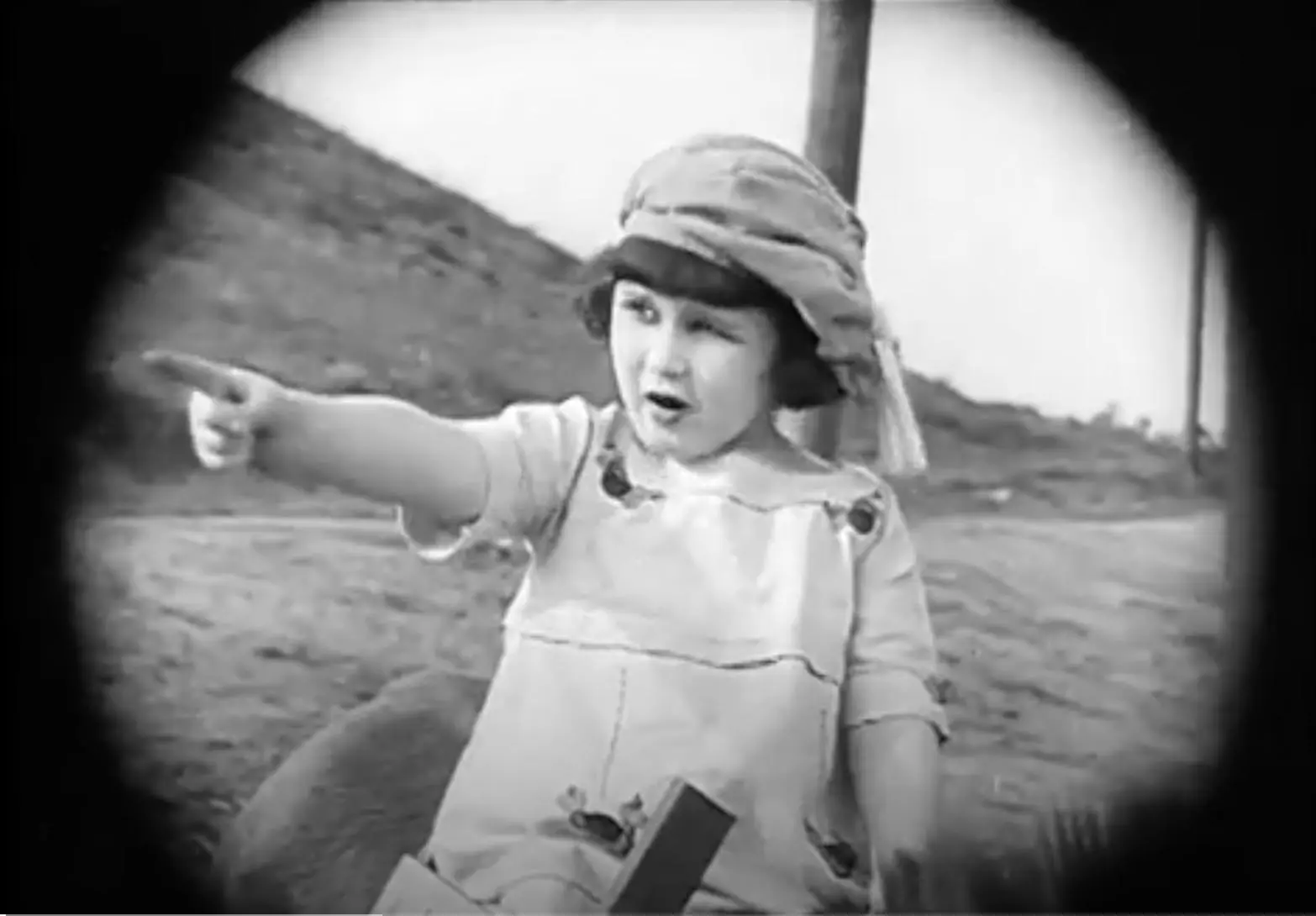
Production anecdotes (culled from Watson family memoirs) suggest a menagerie pampered by era standards: sugar cubes for Maude, liver bits for Pal, peach slices for Jester. No Animal Humane Association credits yet exist, but off-camera photos show handlers cooing like modern-day dog-parents. Still, one stunt—monkey astride galloping horse—makes contemporary viewers wince; remember, safety standards were as nascent as sound film.
Schoolday Love bypassed big-city palaces, instead unspooling at Saturday children’s matinees alongside Irish Eyes travelogues. Moving Picture World called it “a trifle, though a fragrant one,” code for no box-office oomph. Yet regional exhibitor reports noted repeat juvenile patronage, the silent-era equivalent of viral streams.
The 2018 Bologna lab scanned a 35mm nitrate at 4K; emulsion shrinkage caused frameline jitter corrected via AI-assisted optical flow. Tints—amber daylight, cyan twilight—replicated using 1923 Kodak tint sheets. Result: a file that glows like backlit honey. Only one reel survives with Dutch intertitles; English subs overlay unobtrusively at lower gutter, preserving composition.
As of this month, Schoolday Love hides in the Silent Youth Anthology on Filmotek (subscription), region-locked to EU. North American viewers can rent a 2K downscale on RetroVault. Physical media? A limited Blu paired with Horseshoe and Bridal Veil released by ReelHeritage, now OOP but floating on auction sites for the cost of a decent pizza.
In an era when CGI critters perform calculus for laughs, the unforced camaraderie of 1923 feels like antidote. The film’s lo-fi magic—monkey on horse, dog steering cart—relies on timing, not pixels. Its emotional granularity anticipates the Italian neorealist kids who’d wander ruins a generation later. You exit not with plot resolution but with sensory afterglow: the smell of chalk, the rasp of hay, the thud of hoofbeats echoing inside ribs. That’s cinema’s promise: to make memory communal. Schoolday Love keeps that promise with dirt under its fingernails and joy in its unreclaimed eyes.
No star-metric can quantify hay-freckled bliss; suffice to say, if you’ve ever traded marbles or whispered secrets to a pet, this film will tunnel past nostalgia into something rawer—call it the archaeology of innocence restored. Watch it at dusk, window cracked, neighborhood kids’ laughter bleeding through screen and speaker alike; suddenly century-old shadows dance with present-tense light.
IMDb —
1930
Community
Log in to comment.