DbcultAccessing Vault...
Cult Review
Senior Film Conservator
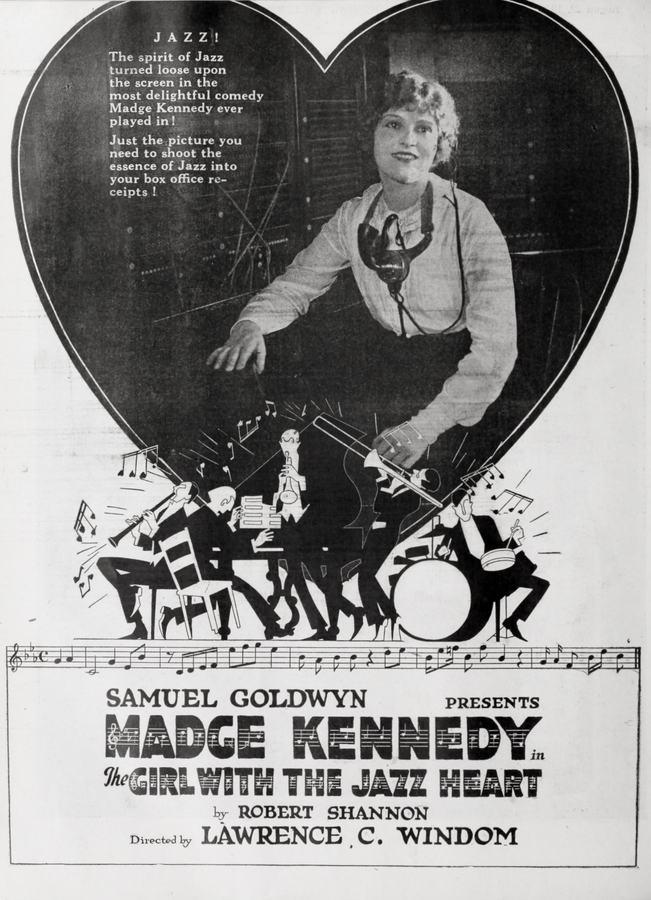
In the realm of silent cinema, The Girl with the Jazz Heart stands out as a testament to the power of female agency and the allure of the unknown. With its rich tapestry of characters, the film weaves a complex narrative that is both a commentary on the social norms of the time and a celebration of the human spirit. At the center of this narrative is Miriam Smith, a young woman torn between her family's expectations and her own desires, played with remarkable depth by Lillian Worth.
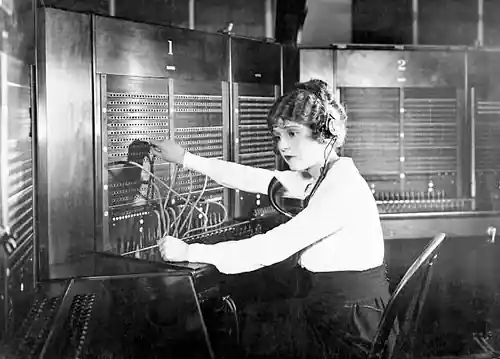
As Miriam navigates the challenges of her newfound independence, she finds solace in the company of Kittie Swasher, a hotel telephone operator with a wealth of experience and a heart of gold. Their friendship, forged in the midst of chaos, serves as a powerful reminder of the bonds that can form between women in the face of adversity. Meanwhile, the character of Miles Sprague, the man from the matrimonial ad, brings a sense of mystery and intrigue to the story, his intentions and feelings for Miriam gradually unfolding as the narrative progresses.
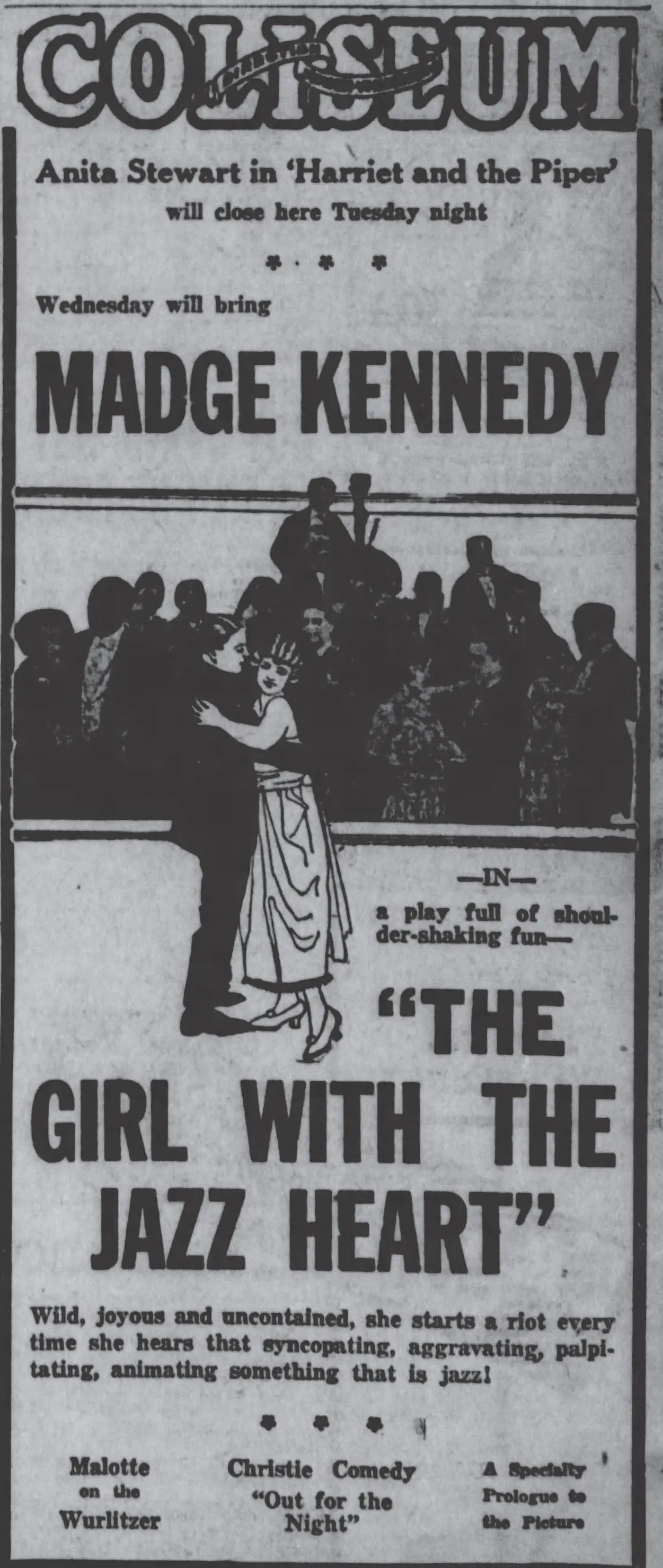
The film's use of setting is equally noteworthy, with the vibrant cityscape of New York serving as a backdrop for Miriam's journey of self-discovery. From the opulent cabarets to the humble hotel rooms, each location is imbued with a sense of possibility and promise, reflecting the protagonist's growing sense of freedom and empowerment. In this regard, The Girl with the Jazz Heart can be seen as a companion piece to other films of the era, such as The Face at the Window and The House Built Upon Sand, which also explore themes of identity and social commentary.
One of the most striking aspects of the film is its portrayal of the societal norms that govern Miriam's world. The character of Simeon Althoff, the man her family wishes her to marry, serves as a symbol of the oppressive forces that seek to constrain her, his rigid adherence to tradition and convention highlighting the limited options available to women at the time. In contrast, the figure of Miles Sprague represents a more modern, progressive ideal, one that values individuality and personal freedom above social expectation. This dichotomy is reminiscent of films like Das rosa Pantöffelchen and Adventures of Tarzan, which also feature characters navigating the complexities of societal norms and personal desire.
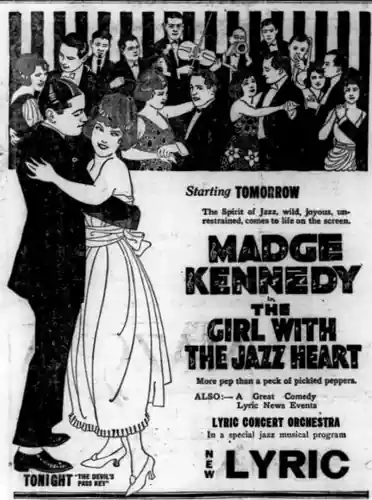
The cinematography in The Girl with the Jazz Heart is similarly noteworthy, with a range of visual techniques used to convey the emotions and inner turmoil of the characters. The use of lighting, in particular, is striking, with high contrast ratios and dramatic shadows adding depth and texture to each scene. This attention to detail is reflective of the film's overall commitment to craftsmanship, from the intricate set designs to the carefully choreographed sequences of dance and music.
In terms of its place within the broader cinematic landscape, The Girl with the Jazz Heart can be seen as part of a larger conversation about the role of women in society. Films like Nearly Married and Blind Wives also explore themes of female agency and independence, albeit in different contexts and with varying degrees of success. The fact that The Girl with the Jazz Heart remains a compelling and thought-provoking work today is a testament to the enduring power of its narrative and the timelessness of its themes.
As the film draws to a close, Miriam's journey of self-discovery reaches its culmination, with the protagonist emerging as a confident, self-assured individual, ready to face whatever challenges the future may hold. This sense of resolution is both satisfying and poignant, highlighting the complexities and nuances of the human experience. In this regard, The Girl with the Jazz Heart can be seen as a companion piece to films like The Fighting Trail and Time Locks and Diamonds, which also feature characters navigating the challenges of their own personal journeys.
Ultimately, The Girl with the Jazz Heart is a film that rewards close attention and reflection. With its richly detailed world, complex characters, and thought-provoking themes, it is a work that continues to resonate with audiences today, offering a powerful commentary on the human experience and the enduring power of the human spirit. As such, it is a testament to the enduring legacy of silent cinema, a reminder of the art form's ability to captivate, inspire, and challenge us, even in the modern era. For fans of films like The Battle of the Sexes and The Unattainable, The Girl with the Jazz Heart is a must-see, a cinematic treasure that continues to enchant and inspire audiences with its timeless beauty and enduring themes.
In conclusion, the film's exploration of themes such as love, freedom, and self-discovery is both a product of its time and a timeless commentary on the human experience. The fact that The Girl with the Jazz Heart can be seen as a companion piece to films like Das Geheimschloss and On Our Selection is a testament to the enduring power of its narrative and the timelessness of its themes. As a work of cinematic art, The Girl with the Jazz Heart is a masterpiece, a film that continues to captivate and inspire audiences with its beauty, its complexity, and its enduring themes.
The film's influence can also be seen in later works, such as Oh, the Women! and The Awakening of Bess Morton, which also explore themes of female agency and independence. The fact that The Girl with the Jazz Heart remains a relevant and thought-provoking work today is a testament to the enduring power of its narrative and the timelessness of its themes. As a cinematic treasure, The Girl with the Jazz Heart is a must-see, a film that continues to enchant and inspire audiences with its timeless beauty and enduring themes.
In terms of its historical significance, The Girl with the Jazz Heart is a landmark film, a work that showcases the artistry and craftsmanship of the silent era. The film's use of visual techniques, such as lighting and camera angles, is particularly noteworthy, adding depth and texture to each scene. The fact that The Girl with the Jazz Heart can be seen as a companion piece to films like The Twinkler is a testament to the enduring power of its narrative and the timelessness of its themes. As a work of cinematic art, The Girl with the Jazz Heart is a masterpiece, a film that continues to captivate and inspire audiences with its beauty, its complexity, and its enduring themes.
IMDb 5.3
1934
Community
Log in to comment.