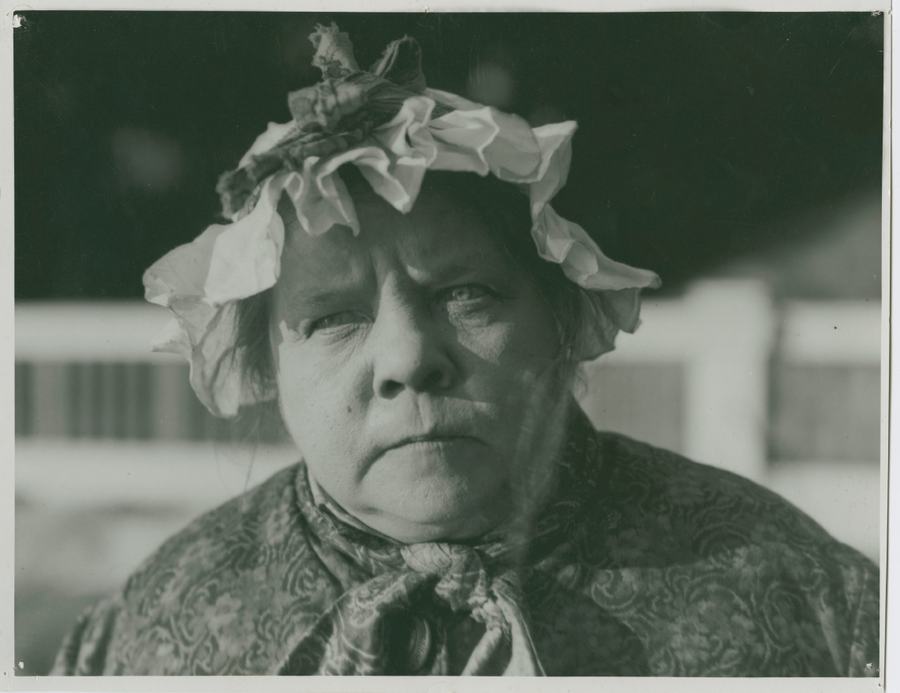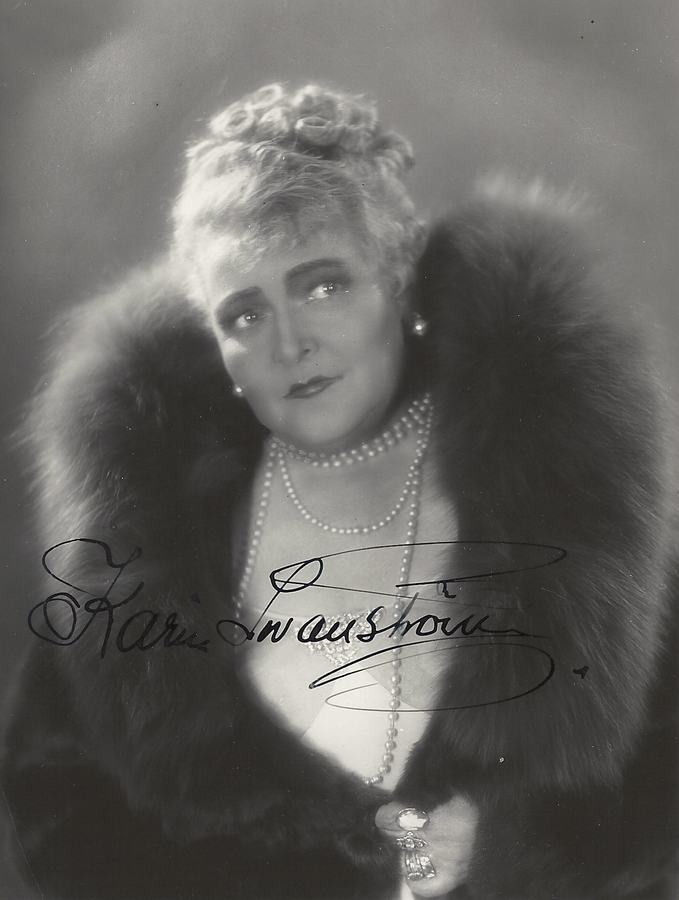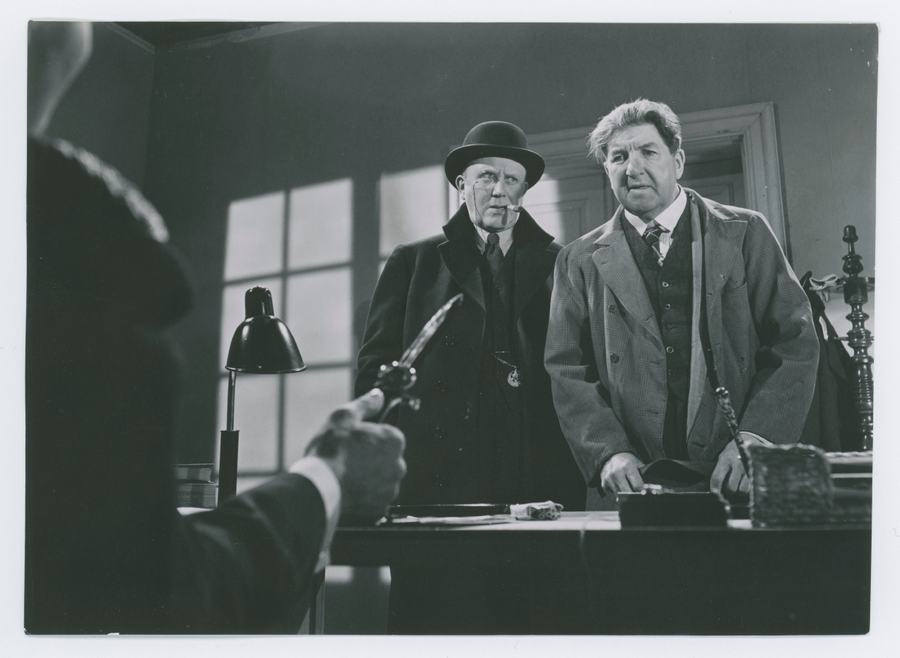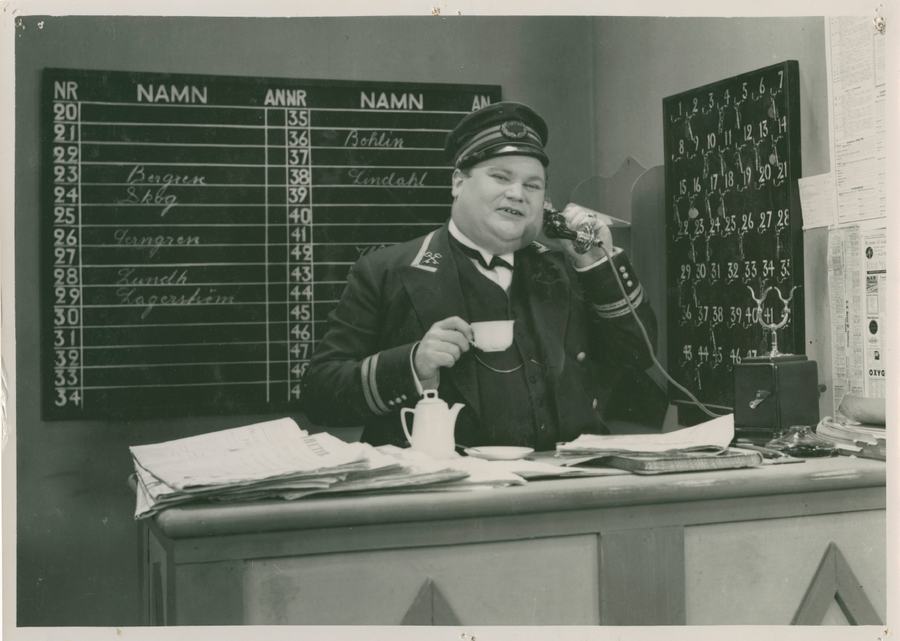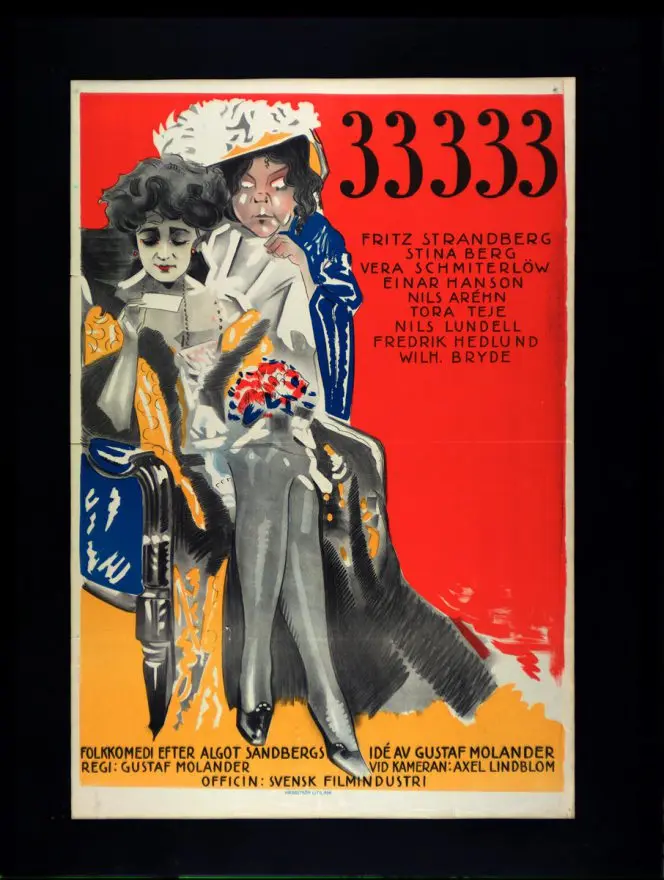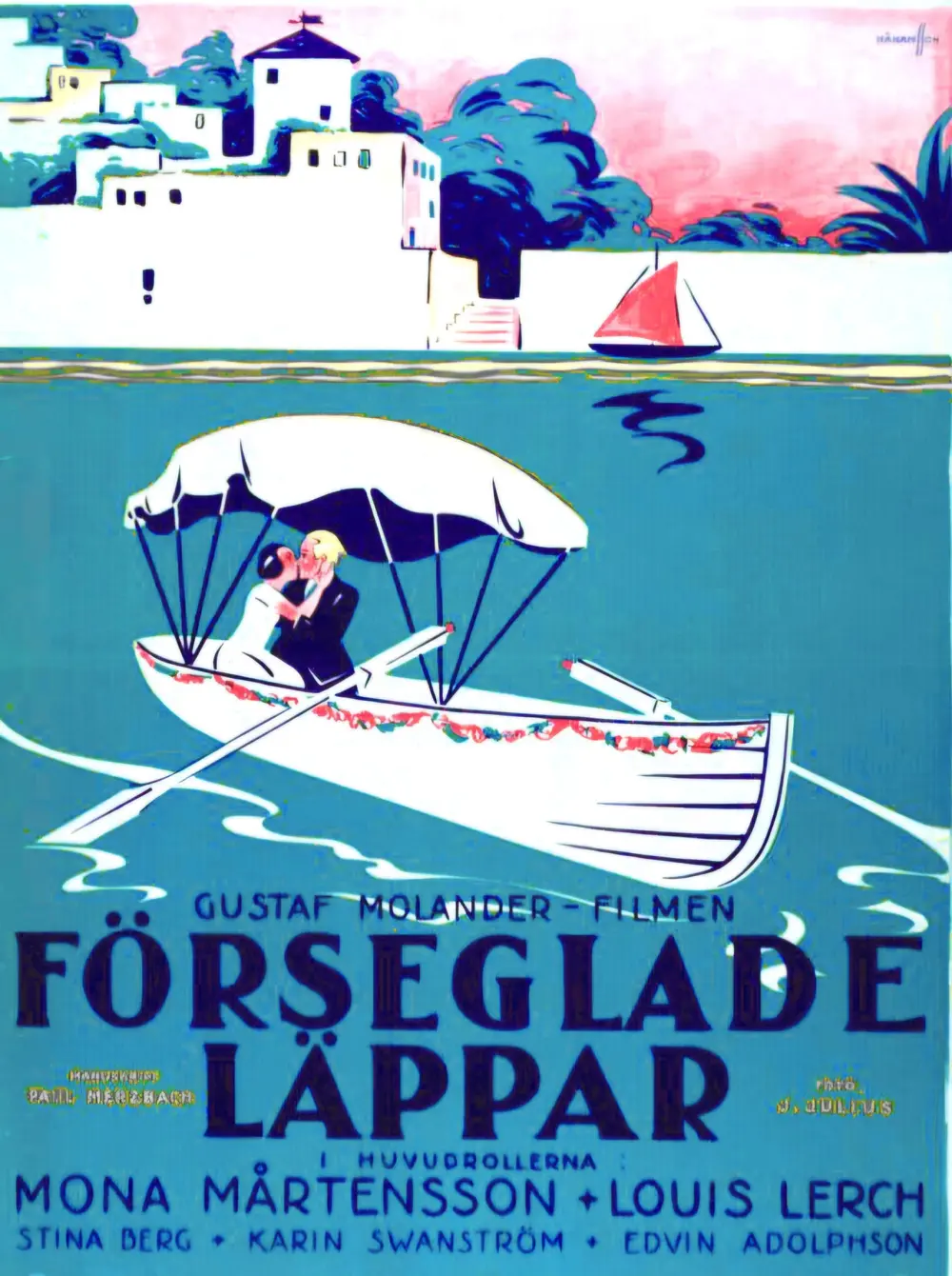
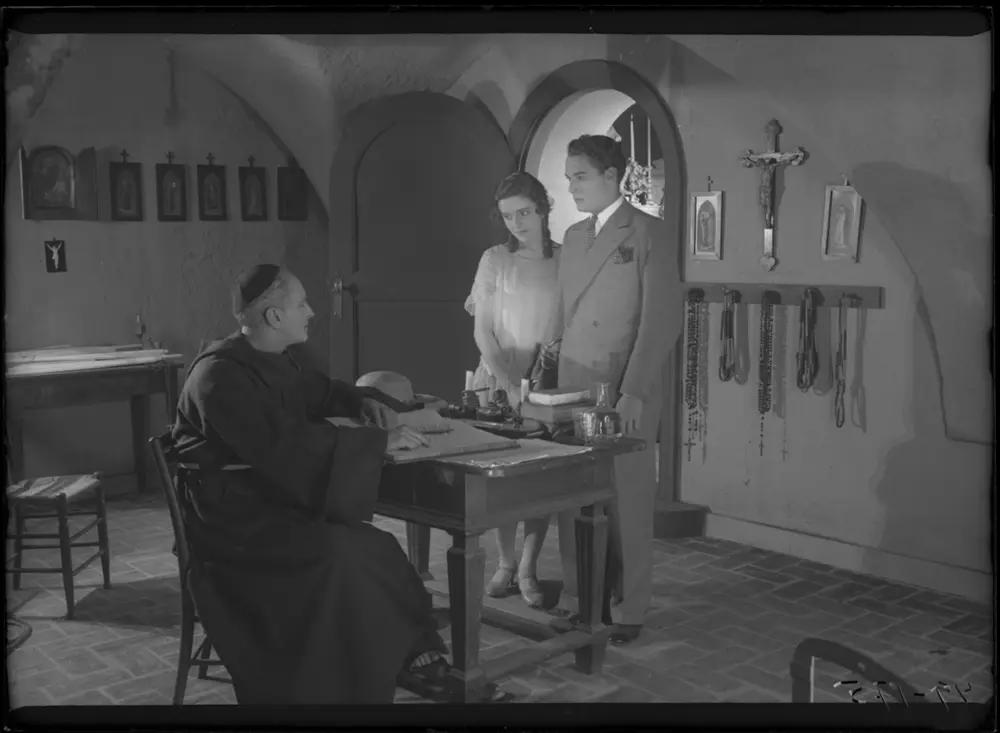
The film is based on a story by Guy de Maupausant. The story details several years in the life of convent-bred Angela (Mona Mårtenson) who leaves her convent in Italy to go live with her aunt Peppina (K.

Is Sealed Lips (1927) a silent relic worth your time today? Short answer: yes, but only if you have the patience for the deliberate, heavy-handed moralism of 1920s European drama. This is not a light afternoon watch; it is a somber, visually dense exploration of the predatory nature of men and the limited exits availab...
still_frame

still_frame

still_frame
still_frame
still_frame
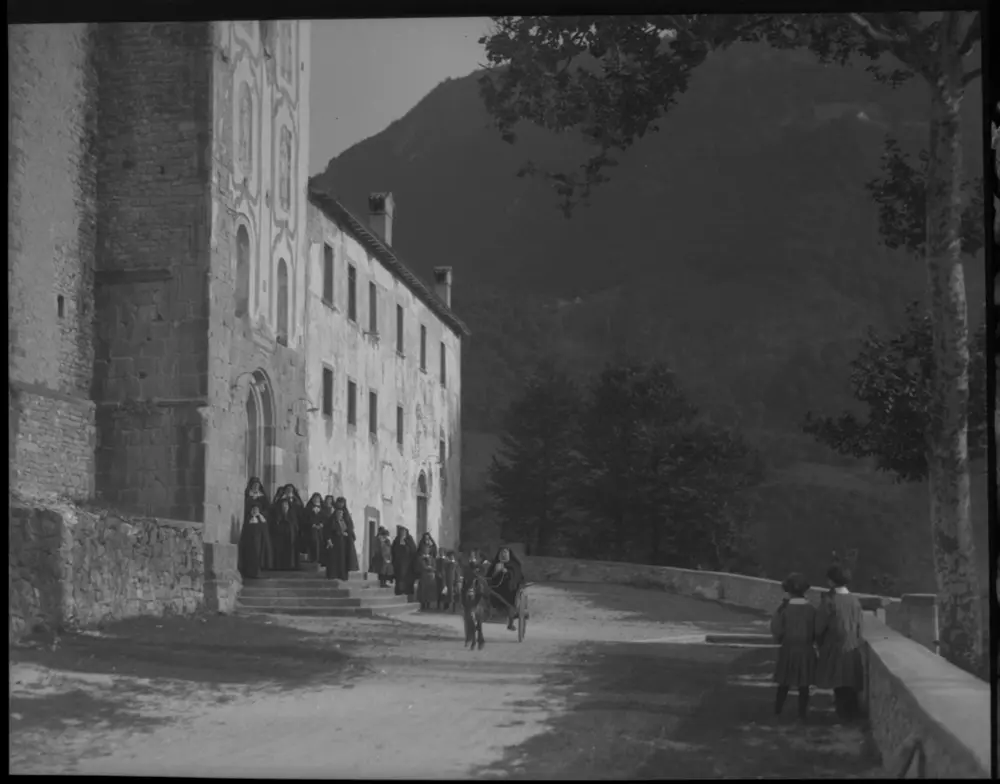
still_frame
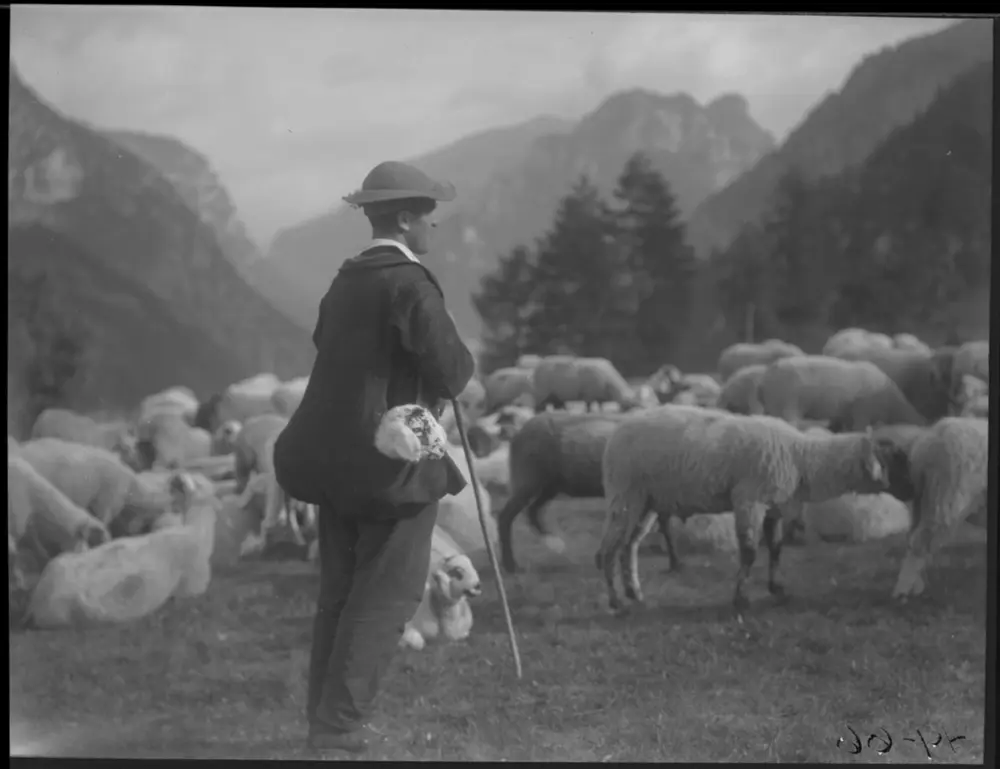
still_frame
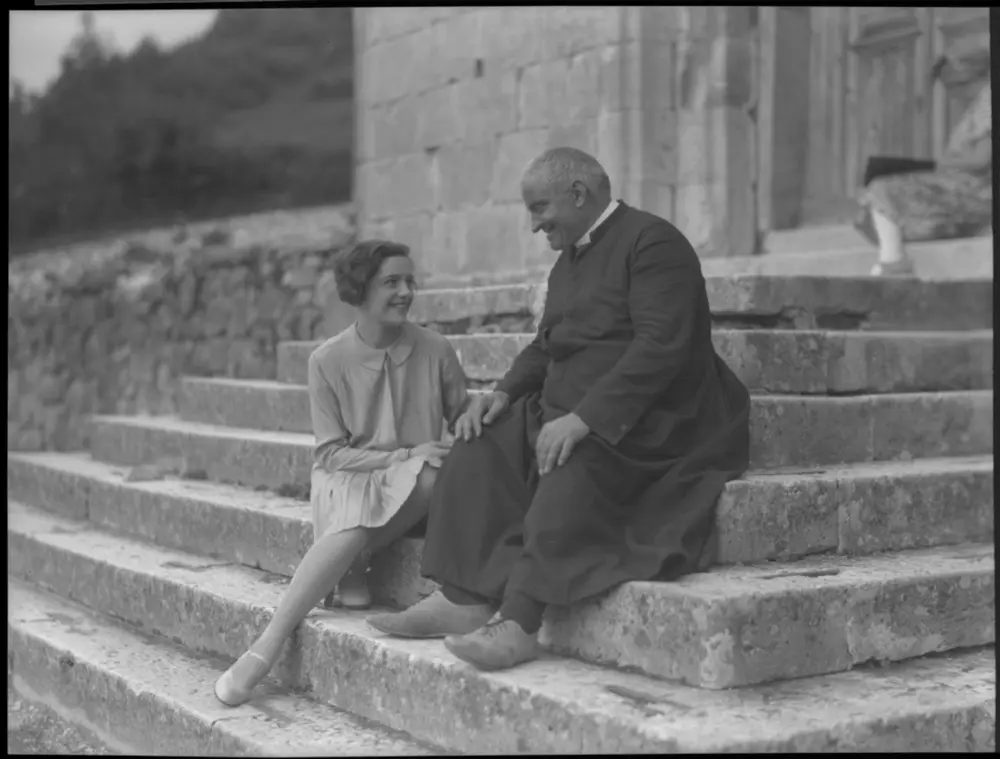
still_frame
Comparing the cinematic DNA and archive impact of two defining moments in cult history.
Gustaf Molander

Gustaf Molander
Community
Log in to comment.
"Is Sealed Lips (1927) a silent relic worth your time today? Short answer: yes, but only if you have the patience for the deliberate, heavy-handed moralism of 1920s European drama. This is not a light afternoon watch; it is a somber, visually dense exploration of the predatory nature of men and the limited exits available to women of the era.This film is for the dedicated cinephile who finds beauty in the shadows of the Swedish Golden Age of cinema and those who study the evolution of the melodra..."
Paul Merzbach
Sweden