DbcultAccessing Vault...
Cult Review
Senior Film Conservator
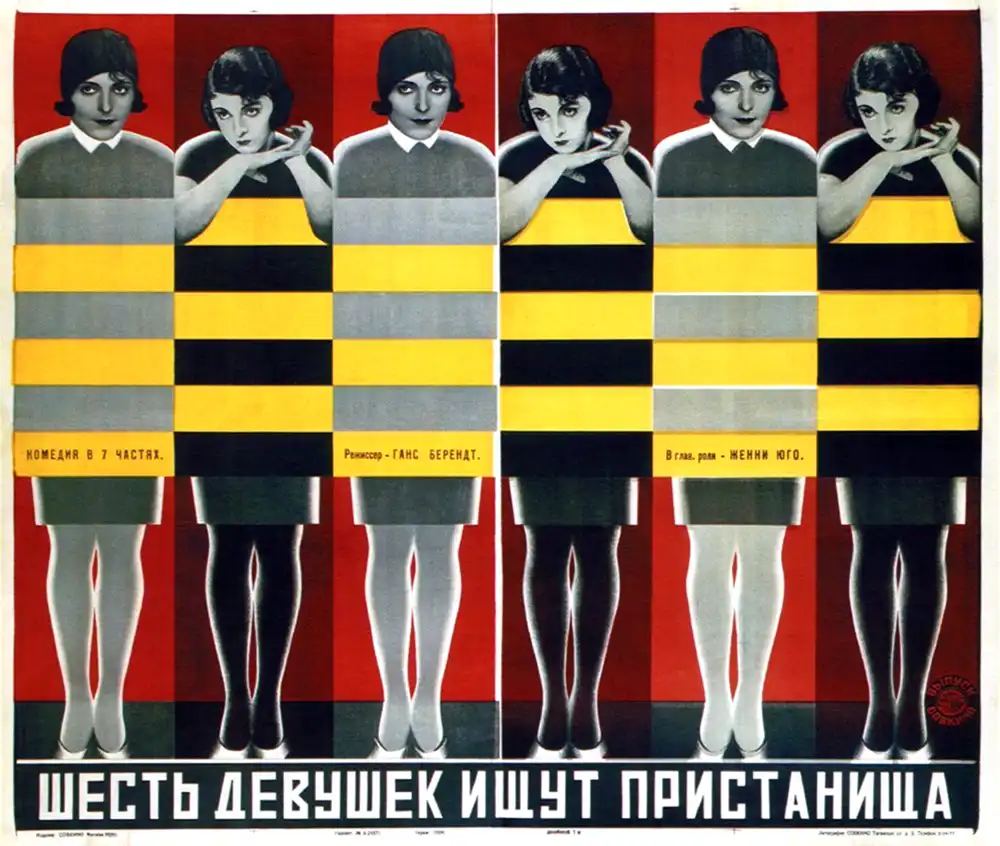
If you are looking for a grand cinematic statement on the level of Metropolis, you won’t find it here. However, Six Girls and a Room for the Night is absolutely worth watching today for anyone interested in the social fabric of the late 1920s. It’s a film for viewers who appreciate ensemble dynamics and the specific brand of 'poverty-row' optimism that defined pre-Depression German comedies. It will likely bore those who demand high-stakes plotting, but for students of performance and set design, it’s a minor treasure.
The film’s greatest asset is its central location: the room itself. Director Hans Tintner and his set designers managed to turn a single, cluttered living space into a microcosm of Berlin society. There is a specific, tactile quality to the way the six leads interact with their environment. You see it in the way they negotiate the single cracked mirror in the morning, or how they manage to stack their shoes to save floor space. These aren't just background details; they are the film’s heartbeat.
Unlike the idealized visions of health and perfection found in Wege zu Kraft und Schönheit, this film is interested in the messy, unwashed reality of the urban working class. The lighting in these interior scenes is intentionally flat and utilitarian, emphasizing the grey reality of their situation, which makes the occasional bursts of nighttime glamour in the city feel even more artificial when they finally occur.
Jenny Jugo carries the emotional weight of the film with a performance that feels surprisingly modern. While some of her co-stars lean into the exaggerated pantomime typical of the era, Jugo relies on subtle shifts in her expression. There is a specific scene where she is trying to mend a stocking while listening to a boastful story from one of the other girls; the way her eyes dart between her work and her roommate reveals a perfect blend of envy and exhaustion without a single title card being necessary.
Adele Sandrock, playing the formidable landlady/authority figure, provides the necessary friction. Sandrock had a way of dominating the frame just by standing still, and her interactions with the younger girls provide the film’s best comedic timing. She represents the old-world Prussian discipline clashing with the 'New Woman' of the 1920s, and the sparks between her and the ensemble keep the first half of the film moving at a brisk pace.
The film struggles when it leaves the room. As the narrative branches out into individual romantic subplots involving characters played by Paul Hörbiger and Georg Alexander, the focus blurs. These sequences feel like they belong to a more generic romantic comedy and lack the grit and specificity of the shared-room scenes. Paul Hörbiger is charming as ever, but his character feels like a plot device designed to provide a 'happy' resolution that the film hasn’t entirely earned.
There is a noticeable sag in the middle act where the film indulges in overlong reaction shots during a dinner sequence. The editing rhythm, which is quite sharp during the morning rush scenes, becomes sluggish as the film tries to juggle three different romantic pairings simultaneously. You find yourself wishing the camera would just head back to the apartment to see what the other four girls are doing.
One observation that sticks out is the film’s use of shadows during the night sequences. There’s a moment where one of the girls returns late, and the silhouette of the banister against the wall creates a cage-like effect. It’s a brief, perhaps unintentional, nod to German Expressionism that briefly shifts the tone from light comedy to something more somber. These tonal inconsistencies are common in Weimar cinema, but here they serve to remind the audience that for these women, the line between a comedy of manners and a tragedy of poverty is incredibly thin.
The costume design also deserves a mention. The way the girls share clothes—a better coat for an interview, a nicer hat for a date—is handled with a matter-of-factness that feels genuinely human. It’s not played for pathos; it’s just how they live. This grounded approach prevents the film from becoming a sentimental melodrama.
Six Girls and a Room for the Night is a film of moments rather than a cohesive masterpiece. It succeeds because it captures the frantic, shared energy of youth in a city that is both a playground and a trap. While the romantic resolutions are tidy and somewhat forgettable, the image of those six women trying to maintain their individuality in a ten-by-ten foot space remains striking. It’s a vivid, occasionally funny, and historically vital look at a world just years away from total transformation.

IMDb 5.7
1936
Community
Log in to comment.