DbcultAccessing Vault...
Cult Review
Senior Film Conservator
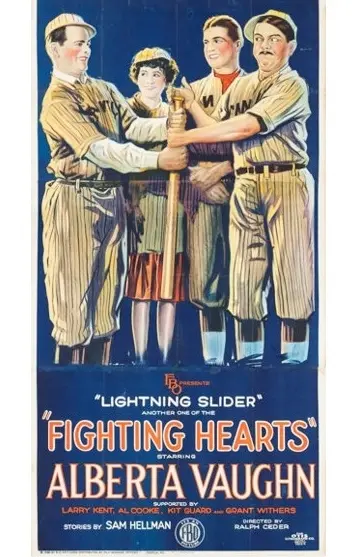
Does The Lightning Slider still have the velocity to impress modern audiences? Short answer: yes, but only if you view it as a historical artifact of pure, unadulterated Americana rather than a complex character study. This is a film for those who find joy in the rhythmic simplicity of early 20th-century storytelling and the specific, frantic energy of silent-era slapstick. It is decidedly not for viewers who require psychological depth or high-fidelity action sequences.
This film works because it leans heavily into the 'ticking clock' trope, creating a genuine sense of urgency between the baseball diamond and the locked office where our hero is held captive.
This film fails because the transition between the kidnapping plot and the sports action is jarring, leaving the secondary characters like Tod feeling like half-baked plot devices rather than actual threats.
You should watch it if you want to see a rare example of a 1920s female lead, Alberta Vaughn, literally winning the game alongside the male protagonist, subverting the 'damsel' trope of the era.
The climax of the film sees Harry escaping his captors just as the game reaches its breaking point. He arrives at the field, replaces the compromised pitcher, and hits a grand slam with the bases loaded. In a surprising twist, Sally also steps up to the plate and hits a home run, securing the win for Oceanville and ensuring her father wins the thousand-dollar bet against the local thugs.
The Lightning Slider isn't just about baseball; it’s about the anxiety of the gamble. In the 1920s, the thousand-dollar bet featured here wasn't just a plot point—it was a life-altering sum. When the 'heavy' orders his gang to tie up Harry, the film moves away from the sunny optimism of the ballpark and into a claustrophobic, noir-lite space. This contrast is the film's strongest asset. You feel the grit of the office floor where Harry is struggling against his ropes, which makes the eventual return to the bright, wide-open spaces of the Hilldale field feel like a physical relief.
The film captures a specific type of small-town tension that we see in other films of the period, such as The Tornado. There is a sense that the entire social fabric of the town rests on the outcome of a single afternoon. If Harry doesn't show up, the town loses its money, its pride, and its future to a group of outsiders. It’s a simple binary, but it’s effective. The pacing in these middle scenes is tight, avoiding the bloat seen in longer features like Madonnas and Men.
Grant Withers plays Harry with a rugged, no-nonsense physicality. He doesn't spend a lot of time emoting about his predicament; he spends his time trying to break things. This brand of stoicism was the bread and butter of 1920s leading men, and Withers does it better than most. When he finally gets to the plate, his swing looks authentic. There’s no stunt double doing the heavy lifting here, and that groundedness keeps the film from floating off into pure fantasy.
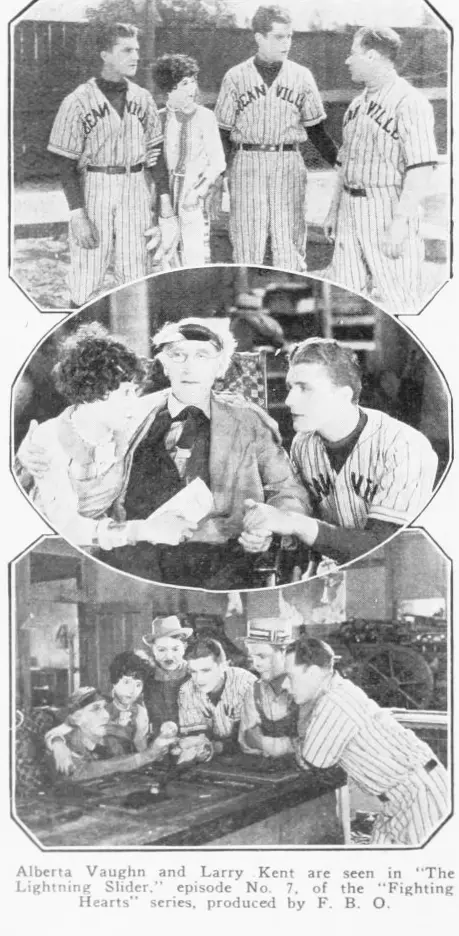
However, the real surprise is Alberta Vaughn. In many films of this era, like Eve's Lover, the female lead is often relegated to the sidelines, watching the action through a pair of binoculars. Here, Sally is an active participant. Her home run isn't just a 'cute' moment; it’s the final nail in the villain's coffin. It’s a bold choice for writer Sam Hellman, and it gives the film a modern edge that many of its contemporaries lack. It’s punchy. It’s earned.
The rescue mission led by Tom (Al Cooke) and Jerry (Kit Guard) provides the necessary levity to balance the high stakes of the bet. Their 'usual amusing style' is a code for choreographed chaos. There is a specific scene involving a ladder and a window that feels like it was ripped straight from a Buster Keaton reel. While it’s not quite at that level of technical mastery, the timing is impeccable. They represent the working-class heart of the town, the people who aren't playing for the money but for the love of the game and their friend.
This comedic subplot is far more successful than the dramatic elements in films like The Applicant, which often struggle to find a consistent tone. In The Lightning Slider, the transition from slapstick to sports drama is handled with a confidence that suggests the director knew exactly what the audience wanted: a laugh, a scare, and a cheer. It works. But it’s flawed in its reliance on the villain’s stupidity.
If you are looking for a masterpiece of world cinema, look elsewhere. But if you want to understand the DNA of the American sports movie, The Lightning Slider is essential viewing. It establishes tropes that are still being used today: the kidnapped star, the crooked gambler, and the last-second victory. It’s a short, sharp shock of entertainment that doesn't overstay its welcome. Unlike the overblown narratives of What Fools Men, this film knows that its primary job is to be fun.
The cinematography is functional rather than expressive. You won't find the moody shadows of The Soul of Buddha here. Instead, you get clear, bright shots of the action. The camera stays wide during the baseball scenes, allowing the viewer to track the movement of the runners, which is a welcome change from the disorienting close-ups often found in modern sports editing. It’s honest filmmaking.
Pros:
- Tight 20-minute pacing that never drags.
- Authentic baseball action featuring Grant Withers.
- A genuinely satisfying and inclusive ending.
- Effective use of the 'race against time' narrative structure.
Cons:
- The secondary antagonist, Tod, is underutilized.
- Some of the slapstick routines feel recycled from earlier shorts like Tire Trouble.
- The musical accompaniment (depending on the print) can make or break the experience.
The Lightning Slider is a charming, albeit lightweight, entry into the silent sports genre. It doesn't reinvent the wheel, but it spins it with enough enthusiasm to keep you engaged. Grant Withers and Alberta Vaughn make for a compelling duo, and the film’s willingness to let the heroine win the game is a refreshing departure from the norm. It’s a solid double that occasionally threatens to be a home run.
IMDb —
1917
Community
Log in to comment.