DbcultAccessing Vault...
7.1/10
Senior Film Conservator
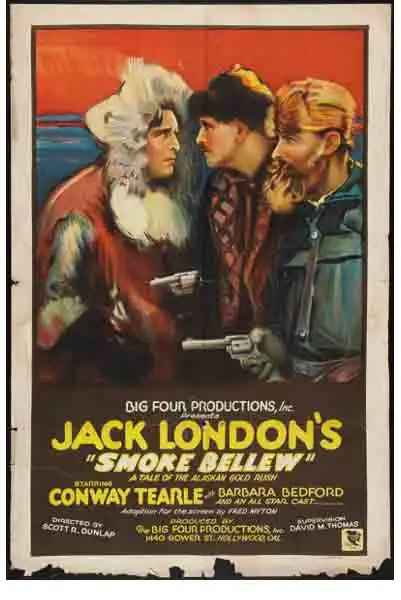
A definitive 7.1/10 rating for a film that redefined the boundaries of cult cinema. Smoke Bellew remains a cornerstone of transgressive art.
Alright, so 'Smoke Bellew,' a silent film from 1929, feels a bit like digging through an old prospector's claim. Is there gold here? For folks who love silent movies or really dig into cinema history, absolutely. But if you need snappy dialogue and quick cuts, this might be a real slow burn. It’s a curious historical piece, no doubt.
The whole thing starts with our main guy, Christopher 'Smoke' Bellew, getting caught up in a murder. And he’s definitely not the one who did it. The movie then follows him as he tries to find the real bad guy in the chaotic mess of the Alaska gold rush. It's a classic setup for a tale of justice in a rough-and-tumble world.
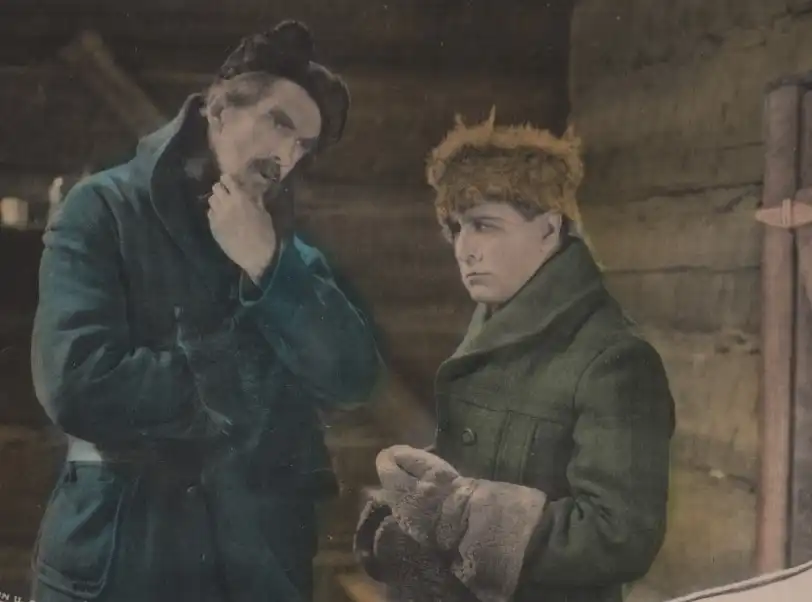
What really struck me was the way they tried to show the sheer scale of Alaska. You get these wide shots, though sometimes they feel a little staged, almost like painted backdrops. Still, there’s a sense of isolation, of just how far away from everything these characters are. It’s pretty effective, even if the 'wilderness' sometimes looks a bit too clean.
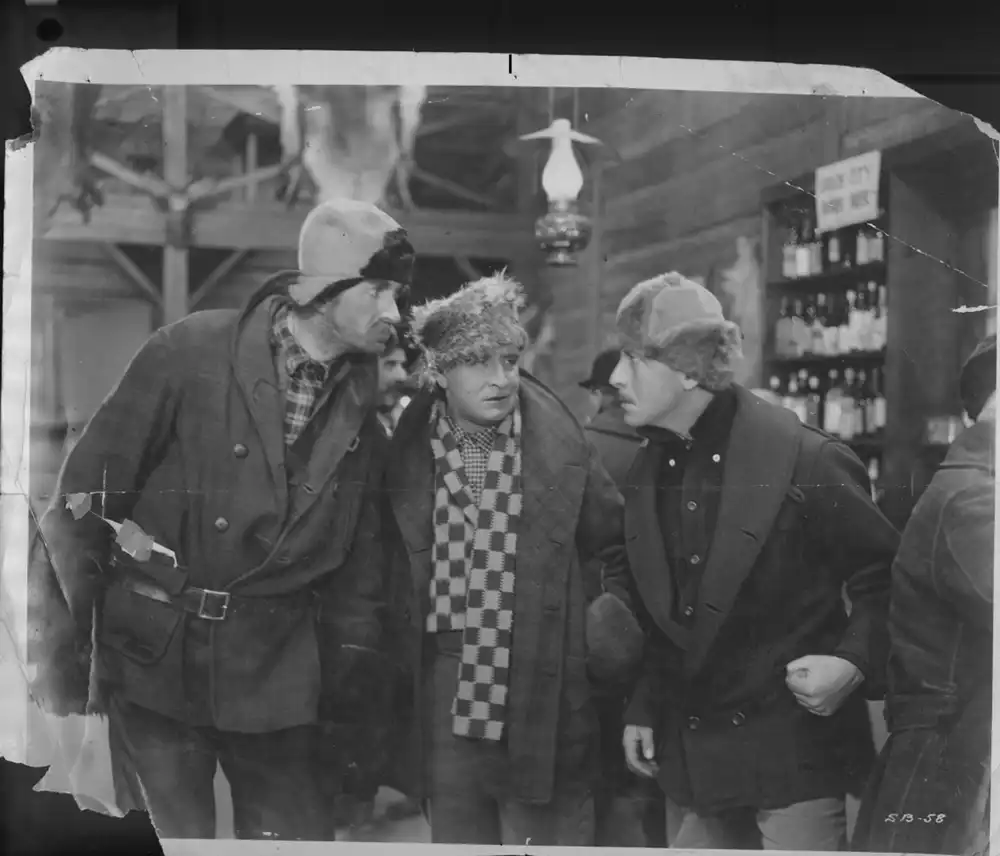
Conway Tearle as Smoke is... well, he’s got that silent film hero vibe. Lots of intense stares and dramatic gestures. You can tell he’s a man on a mission, though sometimes his frustration comes across more as a furrowed brow than a raging storm. There’s a scene where he confronts a suspect in a saloon, and the way he slowly pushes his chair back, just staring, felt really heavy. It makes you lean in a bit.
Barbara Bedford, playing the love interest, brings a bit of light to the bleak setting. Her eyes often do most of the talking, conveying worry or hope. She doesn't have a ton to do, plot-wise, beyond being a supportive presence, but her reactions often anchor the emotional beats. It's subtle, for a silent film.
The intertitles, those little text cards that pop up, are interesting. Some are short, direct. Others are a bit longer, setting up a mood or giving a character's inner thoughts. They don’t interrupt the flow as much as you might expect, often appearing just when you need a bit of context. It's like having a quiet narrator whispering in your ear.
One particular moment sticks with me: a chase scene through some snowy woods. It’s not fast-paced by today's standards, but the way the shadows play on the snow, and the actors' exaggerated movements, gives it a dreamlike, almost ghostly quality. You can almost feel the cold seeping into the frame. It’s not a thrill ride, but it does leave an impression.
The bad guy, played by Alphonse Ethier, is suitably menacing. He’s got this sneer that just screams 'I’m up to no good.' You don't need dialogue to know his intentions. His presence is enough to make Smoke's quest feel urgent.
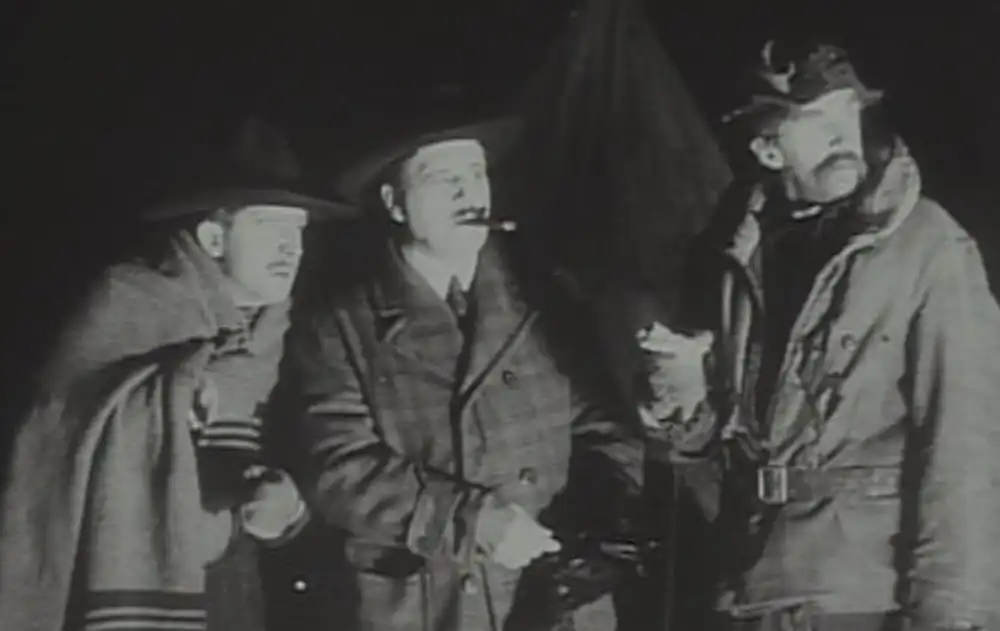
Pacing-wise, it’s definitely a film of its time. Things unfold slowly, deliberately. You have to settle into its rhythm. It’s not about jump scares or quick reveals; it’s about watching a story unfold with patience. Sometimes a scene will linger on a face for what feels like ages, just letting you absorb the emotion.
There are these small, almost blink-and-you-miss-it details. Like the way the extras in the saloon scenes are just sort of milling about, not always looking directly at the action. It feels a bit messy, a bit real, like they just grabbed whoever was nearby. It adds a certain The Covered Trail-esque charm, you know?
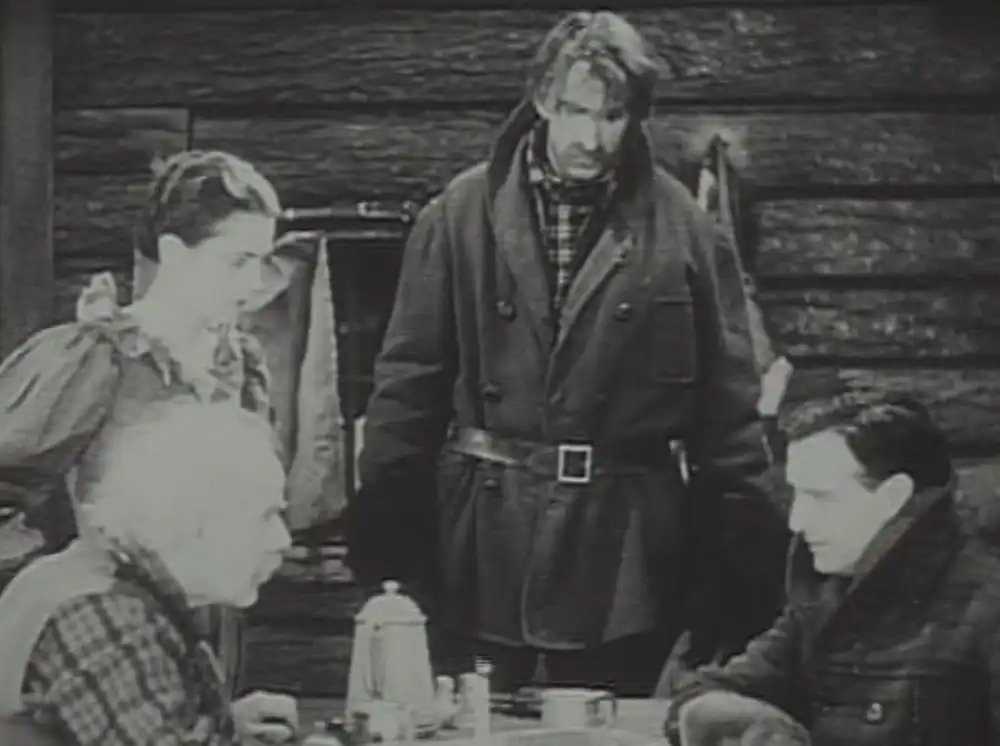
And the ending? Well, it ties things up neatly, as you’d expect from a film of this era. Justice served, loose ends tied. It’s satisfying, in a quiet sort of way, without any grandstanding.
Ultimately, 'Smoke Bellew' is less about pulse-pounding adventure and more about the enduring spirit of silent film storytelling. It’s a glimpse into a very different kind of filmmaking, and a reminder of how much could be conveyed without a single spoken word. Worth a watch if you’re curious about early cinema, or if you just need a break from all the noise. 🎬
IMDb 6.6
1932
Community
Log in to comment.