DbcultAccessing Vault...
Cult Review
Senior Film Conservator
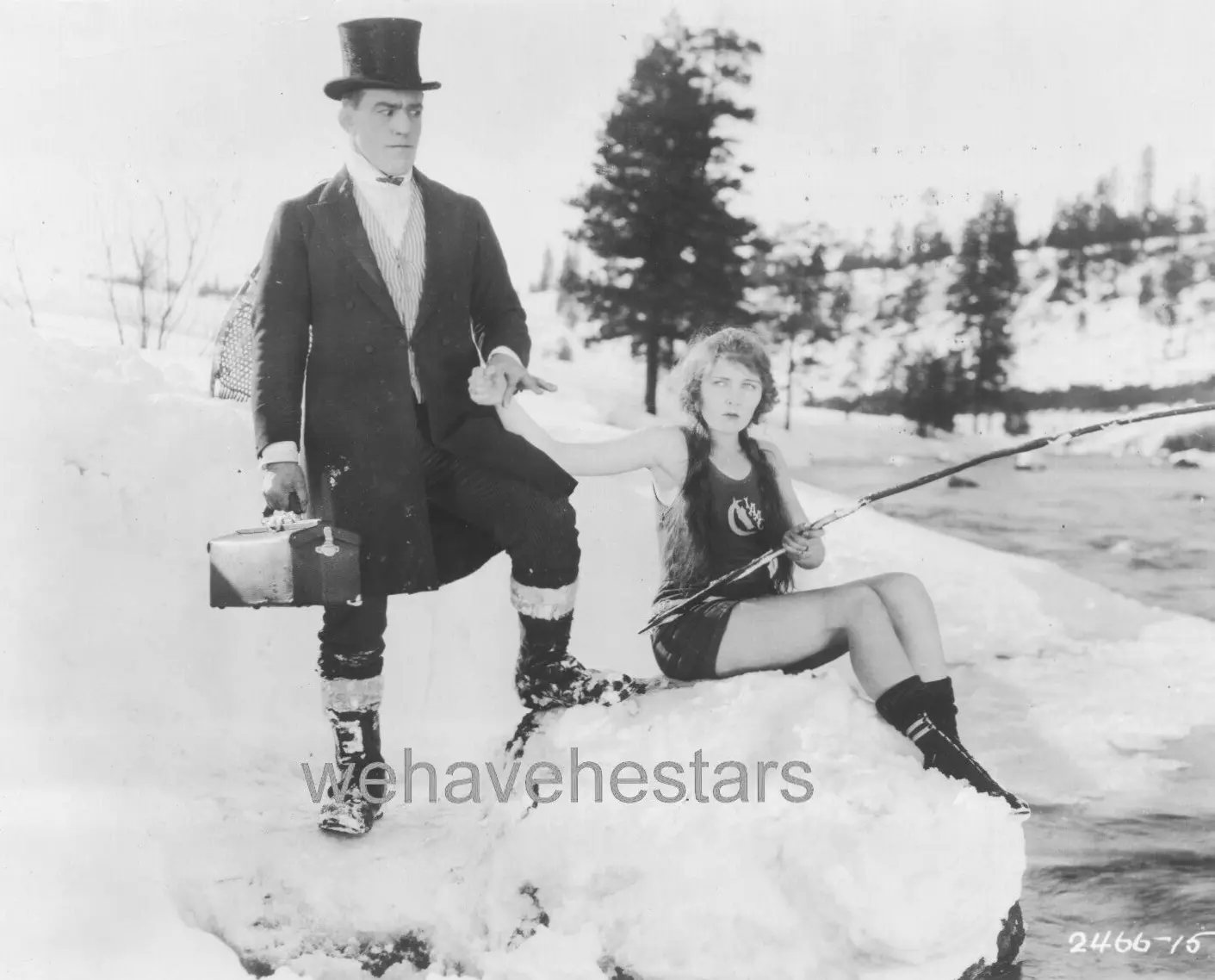
The year 1923 occupies a peculiar, liminal space in the annals of the moving image. It was a period of frantic refinement, where the raw, unbridled energy of early nickelodeon shorts began to coalesce into the sophisticated visual grammar of the silent feature era. Amidst this transition, Snowed Under stands as a testament to the power of the 'locked room' conceit, long before the term became a staple of detective fiction or modern sitcoms. Directed and written with a sharp eye for rhythmic escalation by Hunt Stromberg, this film is far more than a mere footnote in the history of slapstick; it is a meticulous study of human frailty exposed by the unrelenting indifference of nature.
Hunt Stromberg, a name that would later become synonymous with the prestige of MGM’s golden age, demonstrates here a nascent genius for pacing. In Snowed Under, the environment is not merely a setting but an active antagonist. Unlike the breezy, outdoor expanses found in July Days, where the environment facilitates romantic whimsy, the blizzard in this production serves to compress the characters into a singular, explosive point of contact. The snow, likely a mixture of salt and bleached cornflakes, possesses a tactile, suffocating quality on screen that many contemporary films struggled to replicate.
The narrative architecture is deceptively simple: a group of individuals, each harboring their own secret anxieties and social pretensions, is entombed within a house by a sudden snowstorm. This premise allows Stromberg to strip away the veneers of 1920s decorum. As the temperature drops, the social hierarchy begins to dissolve. We see echoes of this thematic isolation in other works of the period, such as the domestic tensions in Hubby's Mistake, yet Snowed Under elevates the stakes through its environmental extremity. The house becomes a microcosm of a world gone mad, a theme that resonates even a century later.
The casting of Bull Montana is a stroke of brilliance. Montana, with his rugged, almost primordial physicality, acts as a wrecking ball within the delicate porcelain shop of the film’s domestic setting. His presence creates a visual dissonance with the more traditionally 'refined' actors like Roland D. Reed and Charles Reisner. When Montana is on screen, the very air in the frame seems to thicken. His comedic timing is not found in the subtle arch of an eyebrow, but in the sheer momentum of his movements—a style of performance that contrasts sharply with the more melodramatic turns seen in The Silent Vow.
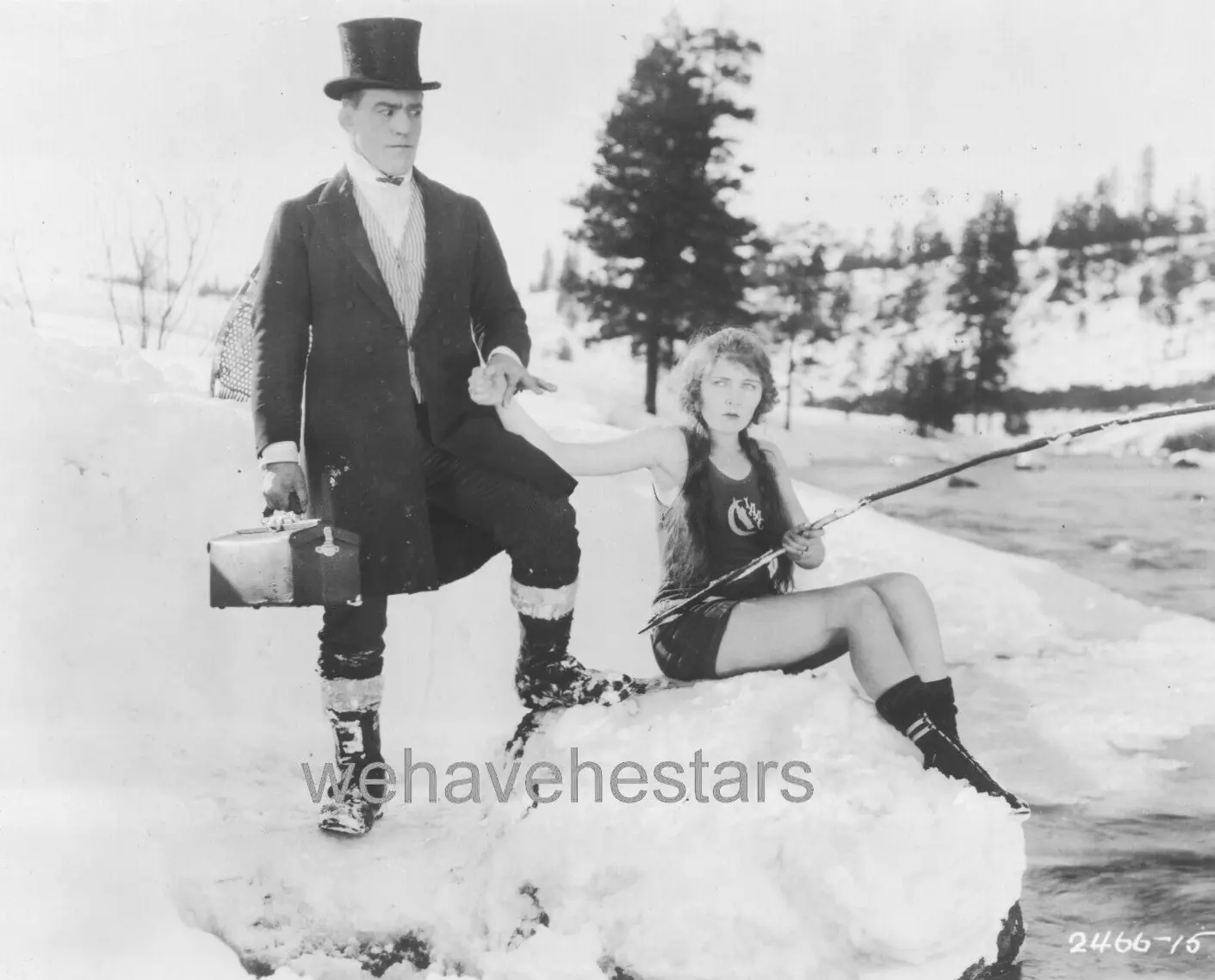
Roland D. Reed provides the necessary neurotic energy to balance Montana’s brute force. Reed’s performance is a masterclass in the 'slow burn.' As the blizzard rages outside, his internal barometer rises toward a breaking point. The chemistry between the cast members is palpable, suggesting a level of rehearsal and directorial precision that was often lacking in the more assembly-line productions of the early twenties. The way they navigate the cramped interiors—tripping over rugs, wrestling with frozen pipes, and fighting over dwindling rations—is choreographed with the grace of a violent ballet.
When comparing Snowed Under to its contemporaries, one notices a distinct lack of sentimentality. In Dangerous Days, the peril is often external and moralistic. In Stromberg’s film, the danger is petty, cold, and hungry. It is the danger of losing one's temper over a burnt piece of toast or a drafty doorway. This focus on the mundane aspects of survival makes the film feel startlingly modern. While The Mad Woman dealt in the grand gestures of tragedy, Snowed Under finds its soul in the small, shivering moments of human irritability.
The film also avoids the broad, often caricatured rural tropes found in Townies and Hayseeds. Instead, the characters in Snowed Under are defined by their reactions to the immediate crisis. Their backgrounds are irrelevant; their ability to withstand the frost is everything. This egalitarian approach to comedy—where everyone, regardless of status, is reduced to a shivering mess—is a hallmark of the best silent-era humor. It shares a certain DNA with A Tray Full of Trouble, though it trades that film’s urban franticness for a static, icy dread.
Technically, the film is a marvel of early cinematography. Capturing the texture of snow on the orthochromatic film stock of the 1920s was a notorious challenge. The tendency for white surfaces to 'bloom' and wash out detail required a sophisticated understanding of lighting. The cinematographers of Snowed Under managed to maintain a sense of depth even when the characters are surrounded by a sea of white. This visual clarity is essential, as much of the humor relies on the audience seeing the subtle changes in facial expressions as the cold sets in.
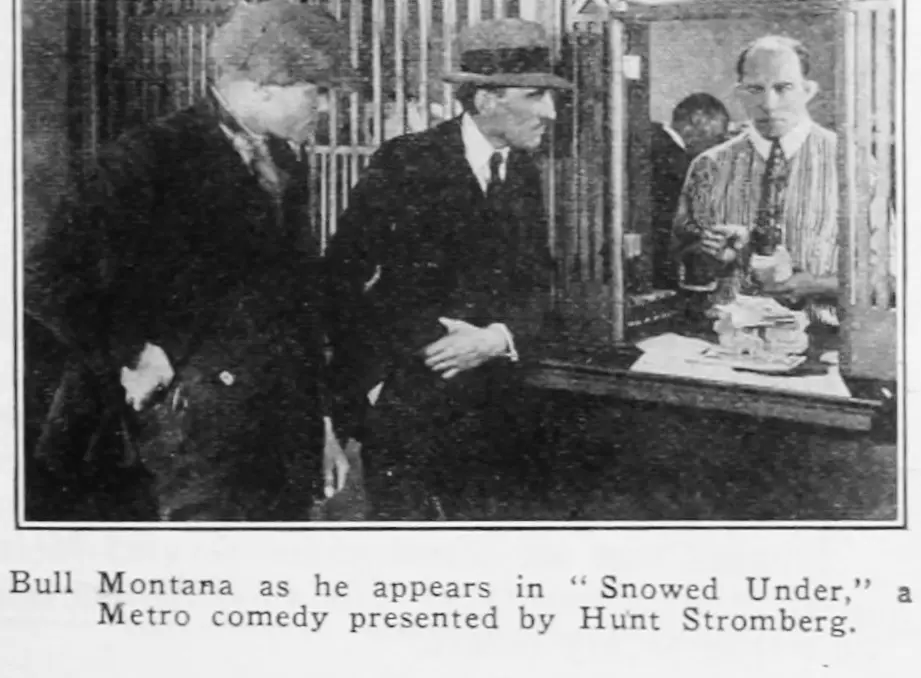
Consider the sequence involving the attempts to clear the doorway. The use of shadows and the framing of the characters against the monolithic wall of snow outside creates a sense of epic struggle on a miniature scale. It is a visual motif that stands in stark contrast to the rugged, galloping landscapes of The Wild Rider. Here, the 'ride' is inward, a journey into the frayed nerves of the household. Even international contemporaries, like the Turkish drama Istanbul'da Bir Facia-i Ask, which dealt with the heat of passion and tragedy, seem worlds away from the literal and metaphorical refrigeration of Stromberg’s set.
The inclusion of Helen Walton, May Foster, and Florence Gilbert adds a layer of social commentary that is often overlooked in silent shorts. While the men are busy performing the 'heroic' (and usually failed) tasks of securing the perimeter, the women navigate the domestic interior with a mixture of exasperation and pragmatism. This isn't the leisure-focused femininity of Vacation Time; this is survivalist femininity. The women are the ones who truly feel the weight of the entrapment, as they are expected to maintain a semblance of order while the men descend into infantile bickering.
This dynamic offers a more nuanced view of the era than the suffering-centric narratives of The Woman Suffers. In Snowed Under, the suffering is communal and comedic, yet the gendered expectations of the time provide a sharp edge to the humor. When the kitchen becomes a battlefield, the stakes are not just about a meal, but about the preservation of a social identity that the blizzard threatens to erase. Even the mythological weight of something like Kaliya Mardan feels distant when compared to the very real, very cold reality of a 1923 winter depicted with such unvarnished glee.
To analyze Snowed Under is to witness the birth of a producer-driven cinema. Stromberg’s fingerprints are everywhere—in the casting, the tight editing, and the relentless focus on audience engagement. While later films like Falling Waters might have explored more fluid, lyrical visuals, Stromberg preferred the staccato rhythm of a well-timed gag. He understood that in comedy, the audience’s breath is as much a part of the soundtrack as the live organist in the theater.
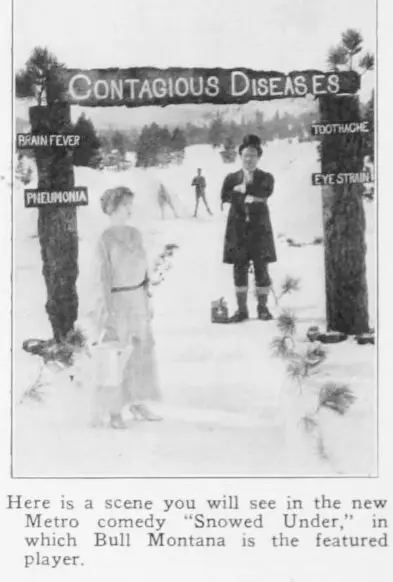
The film also serves as a bridge between the patriotic fervor of Her Country First and the burgeoning interest in the 'everyman' struggle seen in His First Job. It doesn't ask the viewer to contemplate grand political ideals or the dignity of labor; it asks them to laugh at the absurdity of being human in a world that can freeze you solid in an afternoon. There is something deeply democratic about that laughter.
In the final analysis, Snowed Under is a triumph of constraints. By limiting the physical space and the narrative scope, Stromberg and his cast were forced to mine every possible ounce of comedy from the situation. The result is a film that feels dense, energetic, and surprisingly vital. It lacks the polish of the talkies that would arrive a few years later, but it possesses a raw, shivering honesty that no amount of sound technology could replace.
As the final iris out closes on the shivering inhabitants of the snow-bound house, we are left with a profound sense of the resilience of the human spirit—or at least, the resilience of the human ego. Snowed Under remains a chillingly effective reminder that while we may build houses to keep the world out, we can never truly escape the company of ourselves. It is a classic of the genre, a masterpiece of the mundane, and a mandatory viewing for anyone who wishes to understand the foundations of cinematic comedy.
Reviewer's Note: This film was viewed in its restored 35mm format, which highlights the incredible detail in the set design and the nuanced physical performances of Bull Montana and the ensemble cast.
IMDb —
1928
Community
Log in to comment.