DbcultAccessing Vault...
Cult Review
Senior Film Conservator
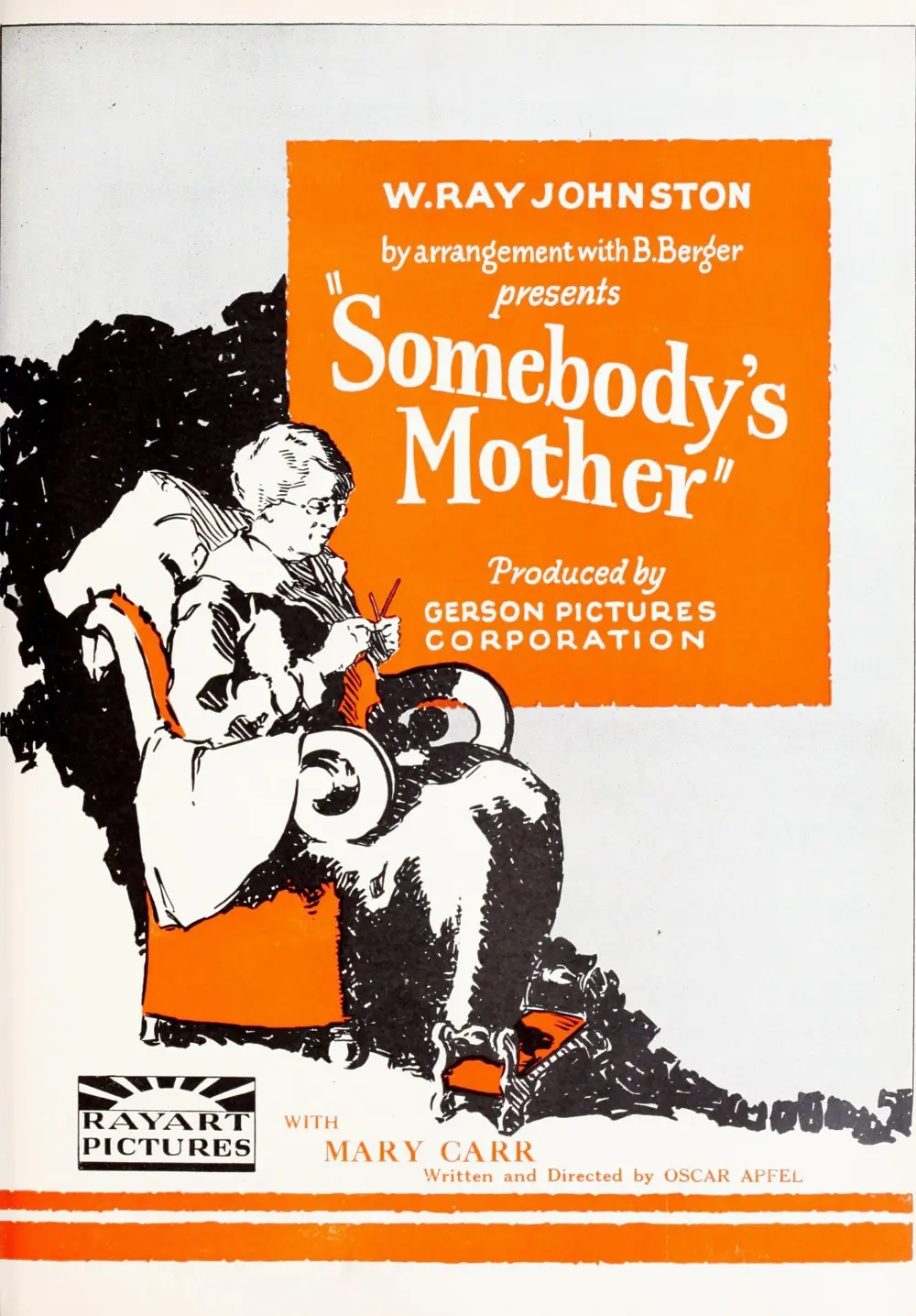
Is this 1920s silent drama worth your time today? Short answer: Yes, but only if you have an appetite for the unapologetic, high-stakes emotionalism that defined the peak of the silent melodrama era.
This film is a mandatory watch for historians of the 'mother' archetype and those who enjoy gritty, urban-set period pieces; however, it is definitely not for viewers who demand modern logic or fast-paced, twist-heavy legal thrillers. It operates on the logic of the heart, not the courtroom.
Before we dive into the soot and shadows of Oscar Apfel’s New York, let’s establish the foundational strengths and weaknesses of this production. This isn't just another dusty reel; it’s a masterclass in a very specific type of 1920s pathos.
1) This film works because Mary Carr’s performance as 'Matches Mary' provides a grounded, visceral center to a plot that could have easily drifted into absurdity.
2) This film fails because the third-act resolution relies on a staggering coincidence involving two burglars that feels like a narrative escape hatch rather than a earned conclusion.
3) You should watch it if you want to see how silent cinema used the 'disguise' trope to explore social class and maternal desperation.
Mary Carr was often pigeonholed into motherly roles, but in Somebody's Mother, she elevates the trope into something haunting. Her transformation into 'Matches Mary' isn't just about the tattered shawl or the smudged face; it is in the way she holds her frame. She moves like a woman who has been hollowed out by time and filled back up with nothing but a singular, burning purpose.
One specific moment that stands out is the first time she locks eyes with Foster on the street. There is no title card needed to explain her internal state. The camera lingers on her eyes, which transition from the dull vacancy of a beggar to the sharp, predatory focus of a woman who has found her prey. It is a chilling transition that reminds us that beneath the melodrama, this is essentially a revenge story disguised as a maternal tragedy.
Compared to her work in other domestic dramas of the time, such as the social tensions found in Josselyn's Wife, Carr here is much more physically expressive. She isn't just reacting to the world; she is actively infiltrating it. Her performance is the glue that prevents the film's more theatrical elements from falling apart.
Director Oscar Apfel, who also handled the writing duties, shows a surprising knack for capturing the oppressive atmosphere of the New York streets. While many films of 1926 were moving toward a more polished, 'Hollywood' look, Somebody's Mother retains a certain street-level grit. The alleyways feel damp, and the contrast between the match-seller’s corner and the opulent home of Foster is stark and purposeful.
The pacing, however, is where the film shows its age. The middle section, which focuses on Foster’s nephew Peter and his secret marriage, feels like it belongs to a different movie entirely. It’s a standard collegiate romance that lacks the weight of Mary’s journey. When the film shifts back to the murder and the subsequent trial, the energy returns, but those middle twenty minutes are a slog that requires patience.
Apfel uses shadows effectively during the murder scene. We don't see the act in a gruesome fashion, but the silhouette work creates a sense of impending doom that mirrors the expressionistic tendencies of the era. It’s not quite the level of sophistication you’d find in The Ragamuffin, but it’s effective for a mid-budget production.
Yes, Somebody's Mother is worth watching for anyone interested in the evolution of the American melodrama. It serves as a bridge between the Victorian morality plays of the early 1910s and the more complex character studies of the late 1920s. While the ending is convenient, the emotional payoff of the mother-son reunion is genuinely earned through Mary Carr's exhausting performance.
The courtroom climax is where the film takes its most debatable stance. Mary’s decision to confess to a murder she didn't commit to save her son is presented as the ultimate act of love. From a modern perspective, it’s a bit frustrating. We want her to find justice, not just martyrdom. However, within the context of 1926, this was the 'noble' path.
The intervention of the detective with the burglars' confession is a classic deus ex machina. It’s lazy writing, frankly. It robs Mary of the weight of her sacrifice and Peter of any agency in his own defense. It works as a happy ending, but it fails as a logical conclusion to the tension Apfel built throughout the first two acts. It’s a reminder that during this period, the 'moral' ending often trumped the 'logical' one.
Despite this, the final interaction between Peter and Mary—where he asks who she is and she gives the titular reply—is a punchy, effective bit of dialogue. It’s simple, it’s sentimental, and it works. But it's flawed. The film wants to have its cake and eat it too: it wants the drama of the sacrifice without the tragedy of the execution.
The cinematography by the uncredited cameramen is functional but occasionally inspired during the night sequences. The use of naturalistic lighting in the scenes where Mary tracks Foster to his home adds a layer of suspense that predates the noir movement by nearly two decades. You can see the DNA of the 'urban hunter' in these sequences.
The tone fluctuates wildly. It jumps from the Dickensian misery of the streets to the lighthearted banter of a college dorm. This jarring shift is common in films like The Firing Line, but here it feels particularly disconnected because Mary’s stakes are so much higher than Peter’s romantic woes. The film is at its best when it stays in the gutter with Mary.
Mary Carr’s performance is genuinely moving and avoids the 'flailing arms' style of some of her contemporaries. The film also features a surprisingly tense 'stalking' sequence that keeps the audience on edge. The production design of the lower-class New York neighborhoods feels authentic and lived-in.
The subplot involving Peter’s marriage feels like filler and slows the momentum. The villain, Foster, is a cardboard cutout with little motivation beyond being 'the bad man from the past.' The legal logic of the final trial is nonexistent, even by the standards of the time.
Somebody's Mother is a fascinating artifact. It isn't a perfect film—it’s too reliant on coincidence and the middle act wanders aimlessly—but it contains a powerhouse performance by Mary Carr that makes the entire journey worth it. It’s a gritty, sentimental, and ultimately rewarding look at the lengths a mother will go to reclaim a lost life. It’s a film that understands that sometimes, the most powerful thing a person can be is 'just a mother.' If you can forgive the clunky plot mechanics, the emotional core will still hit you where it counts. It’s a solid 7/10 for silent film enthusiasts and a curious 5/10 for the casual modern viewer.
IMDb —
1926
Community
Log in to comment.