DbcultAccessing Vault...
Cult Review
Senior Film Conservator
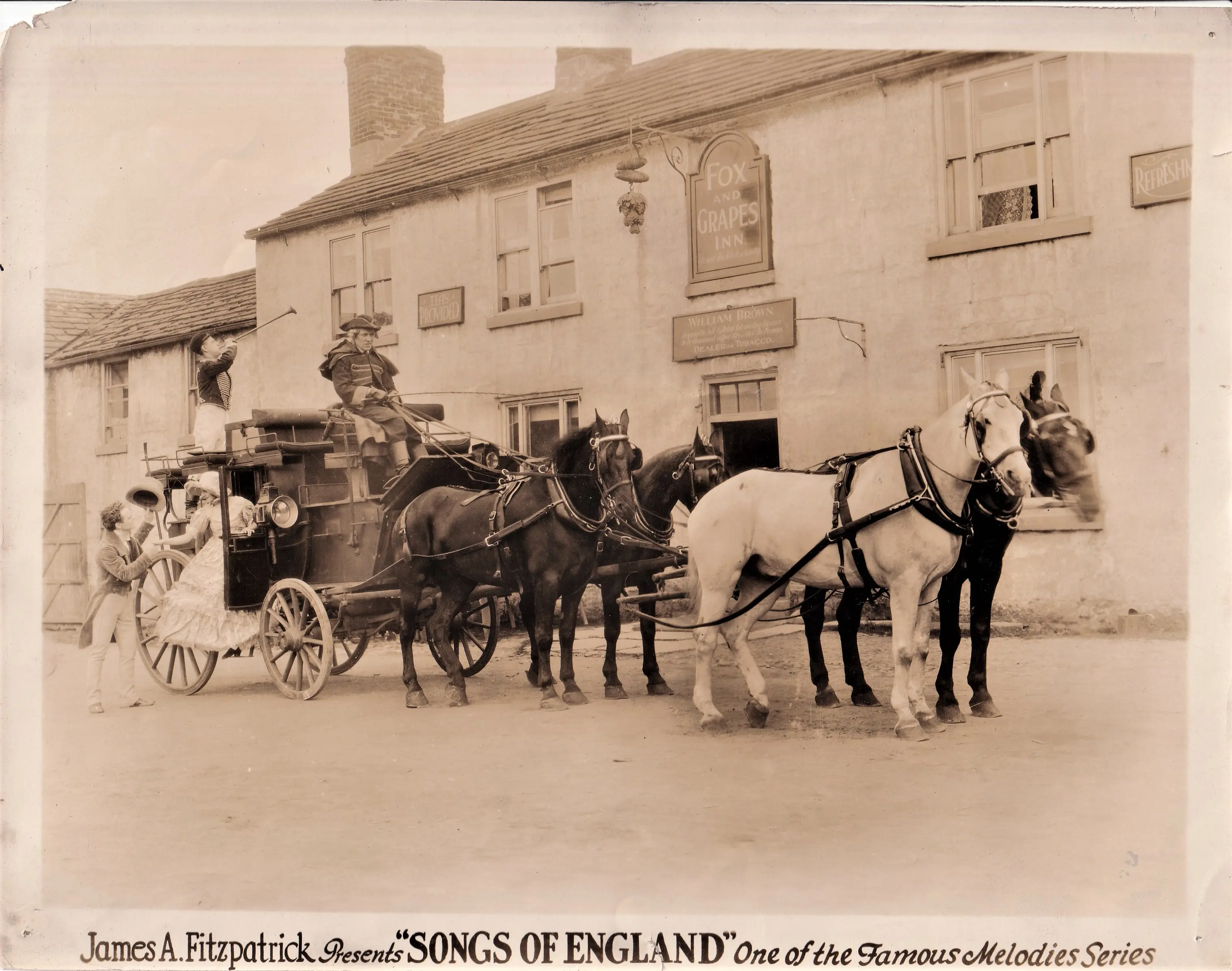
Should you invest your time in this century-old silent romance? Short answer: yes, if you appreciate historical preservation, but casual viewers might find the simplicity frustrating. This film is for the cinematic archaeologist and the lover of pastoral aesthetics; it is not for those seeking the high-octane pacing of modern drama.
James A. FitzPatrick, better known for his later 'Traveltalks,' offers a glimpse into his early narrative sensibilities here. It is a film that feels less like a story and more like a captured mood. It works. But it is flawed. The stakes feel low by today's standards, yet there is an undeniable purity in its execution that modern films often lack.
1) This film works because it captures a specific, idealized version of the English countryside that was already vanishing when the cameras rolled. 2) This film fails because the antagonist—the wealthy Londoner—is more of a cardboard cutout than a flesh-and-blood threat. 3) You should watch it if you want to see how early filmmakers used geography to represent moral character.
The plot of Songs of England is deceptively simple. An innkeeper's daughter loves a shepherd. Her father wants her to marry a rich man from London. In the 1920s, this wasn't just a romance; it was a sociopolitical statement. The city was often portrayed as a place of moral decay, a theme also explored in The Lure of New York. Here, London is the unseen monster, represented by a man who thinks he can buy affection.
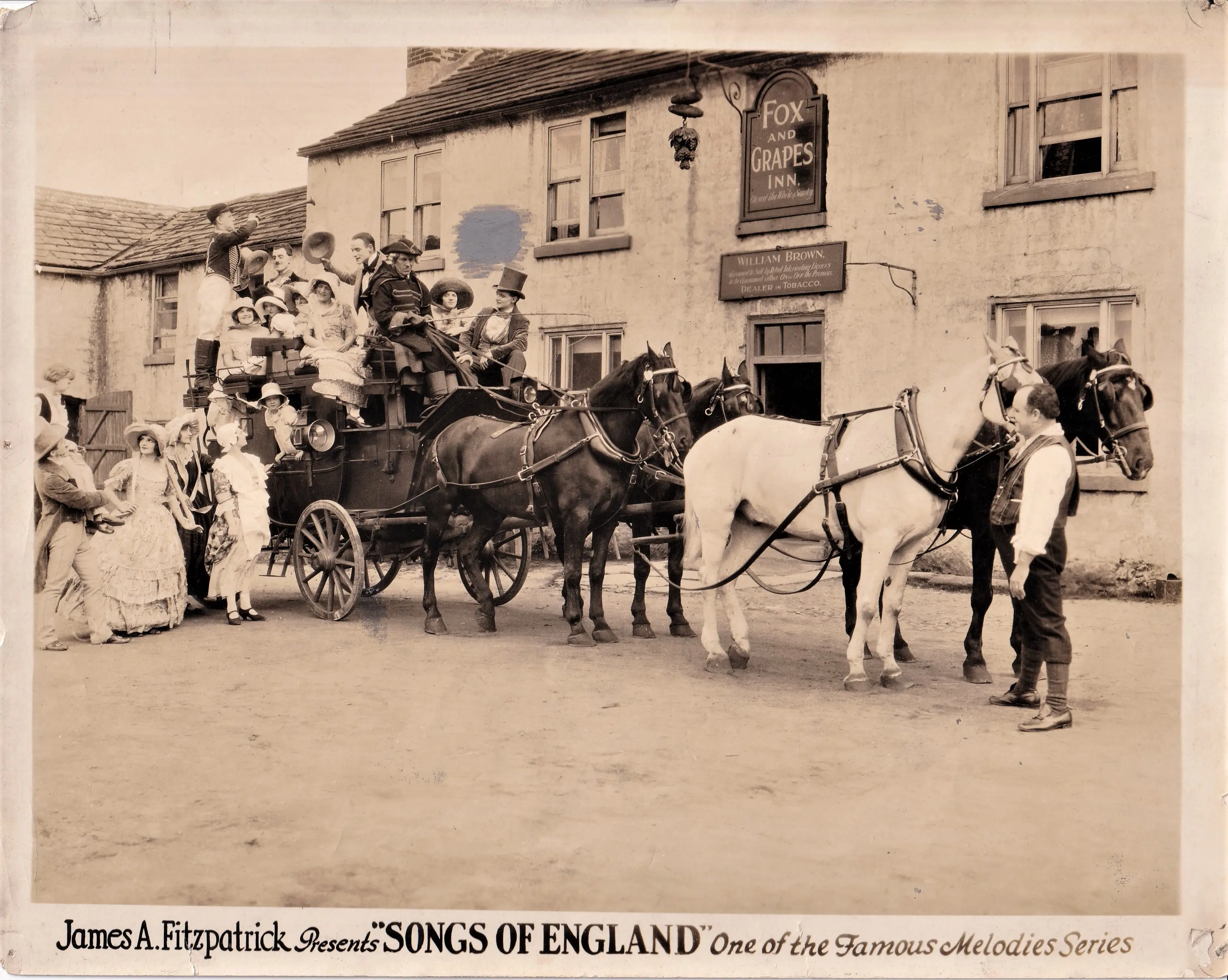
The 'Londoner' is an interesting figure because he doesn't actually do anything villainous. He pleads. He asks. He fails. In a way, he is the most tragic figure in the film. He represents the futility of wealth when faced with genuine, localized connection. Unlike the darker themes found in The Darkening Trail, the conflict here is resolved with a quiet exit rather than a violent climax.
Peggy Shaw brings a luminosity to the role of the daughter. In silent cinema, the eyes do the heavy lifting, and Shaw’s ability to convey a mixture of filial respect and romantic defiance is impressive. She doesn't overact, which was a common pitfall of the era. Instead, she uses small gestures—a turned head, a lingering look at the hills—to tell her story.
James Knight, as the shepherd, is the personification of the 'strong, silent type.' His performance is grounded, literally and figuratively. He spends much of his screen time in wide shots, emphasizing his connection to the land. This contrasts sharply with the Londoner, who is often framed in tighter, more claustrophobic spaces, suggesting the stifling nature of urban life. This visual storytelling is far more effective than the actual dialogue cards.
I would argue that the shepherd is actually the least interesting person in the movie. He is a symbol, not a man. The real drama lies with the father. He is caught between his love for his daughter and his fear of poverty. While the film positions him as a minor obstacle, his desperation is the most 'human' element of the script. It reminds me of the parental pressures seen in The Woman He Married, where economic stability is traded for emotional happiness.
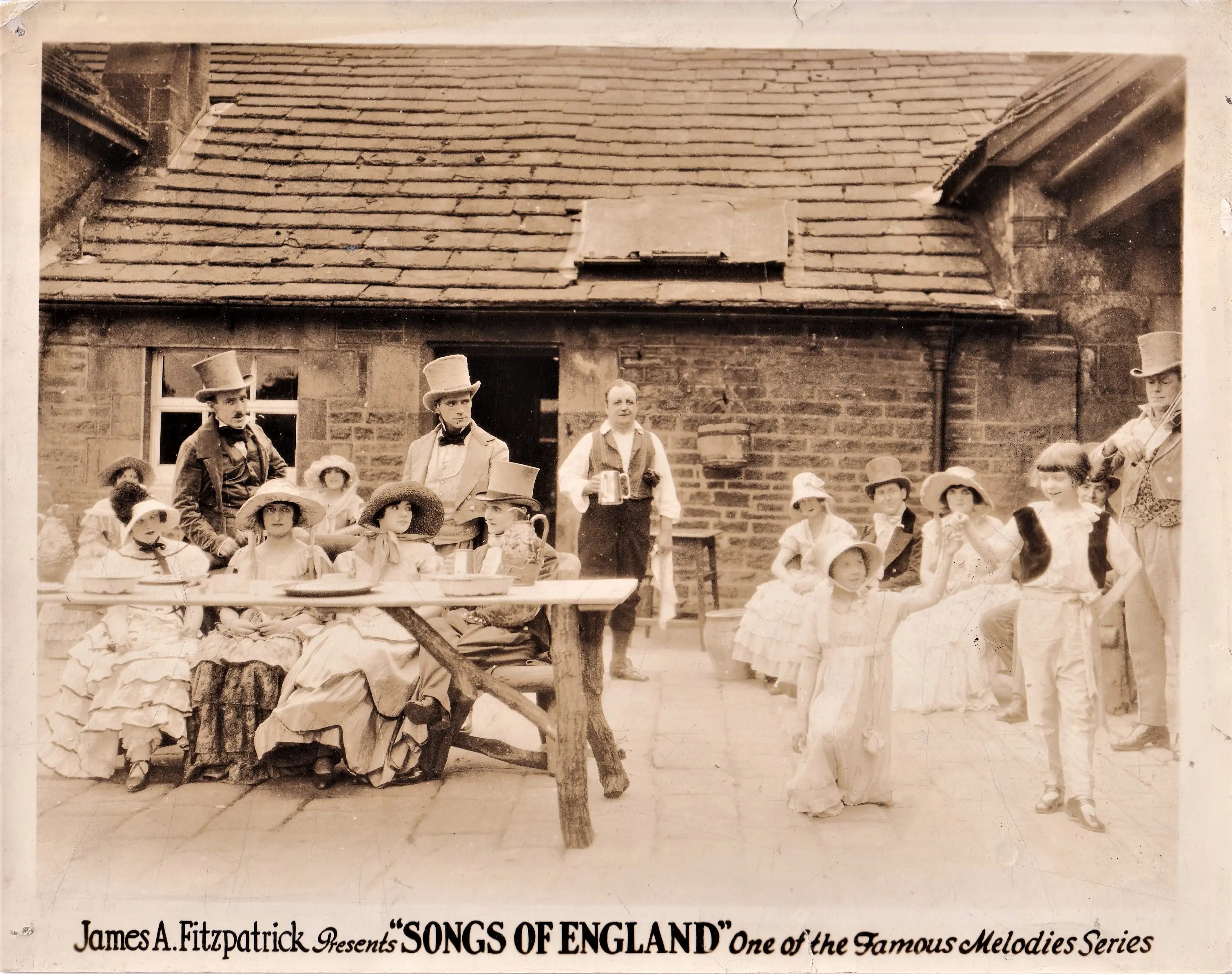
FitzPatrick’s direction is observational. He allows the camera to linger on the landscape in a way that prefigures his travelogues. There is a specific scene where the girl stands by a stone wall, looking out over the valley, that feels like a painting. It’s not just 'pretty.' It establishes that she belongs to the earth, while the Londoner is merely a visitor passing through.
The cinematography, while limited by the technology of the time, uses natural light to great effect. The shadows in the inn provide a sense of weight and history, while the outdoor scenes feel airy and liberated. This binary lighting scheme tells the audience exactly where the characters are emotionally. If you compare this to the grit of Rob Roy, you see a much softer, more romanticized version of the British Isles.
No, it is not a masterpiece. It is a well-crafted, minor work that serves as a beautiful time capsule. It lacks the psychological depth of the era's greatest dramas, but it succeeds in its modest goal of depicting a clash of values. It is a comfort film from a time when the world was becoming increasingly uncomfortable and modernized.
The film’s biggest issue is its lack of a middle act. The Londoner arrives, he asks, he is rejected, and he leaves. There is very little 'chase.' While this realism is refreshing in some ways, it makes for a thin cinematic experience. It feels like a short story that has been stretched to fit a feature runtime. Compared to the narrative density of The Square Deceiver, the plot here is almost skeletal.
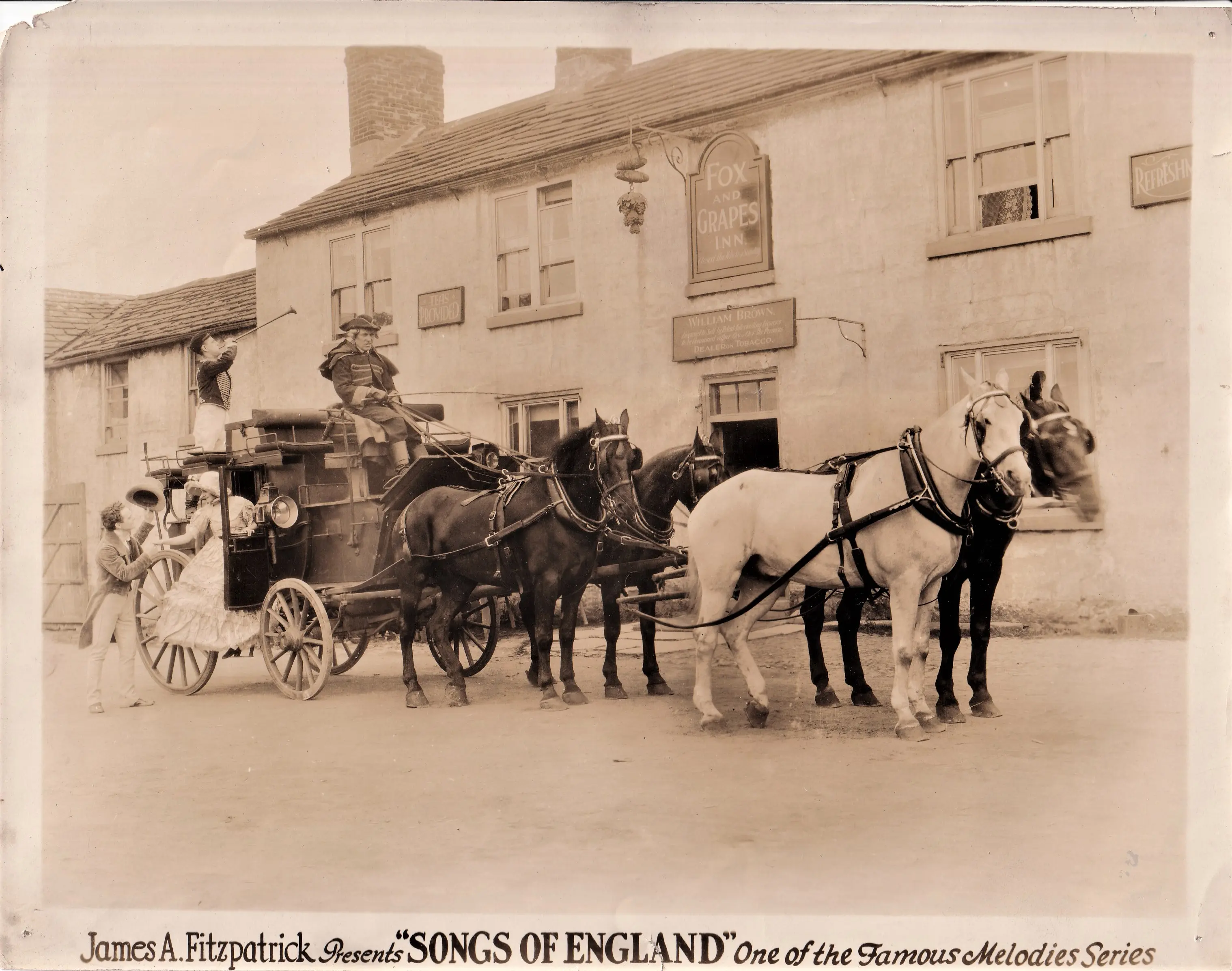
However, this slowness allows for a certain immersion. You feel the heat of the afternoon and the quiet of the evening. The film doesn't rush to its conclusion because it wants you to live in the village for a while. It is a rhythmic experience rather than a plot-driven one.
If you are looking for a deep dive into the history of James A. FitzPatrick, or if you simply want to see a beautifully preserved example of 1920s pastoralism, then yes. It provides a peaceful, if somewhat shallow, viewing experience. However, if you want a gripping drama, you might be better off looking at something like Stolen Honor or Honor Among Men.
The film is a reminder that sometimes, the most radical thing a person can do is stay exactly where they are. In a world that was already beginning to move too fast, Songs of England was a plea for stillness. That plea still resonates today, even if the cinematic language used to deliver it has aged.
Songs of England is a minor chord in the symphony of silent cinema. It doesn't demand your attention with grand spectacle, but it rewards a patient viewer with its sincerity and its scenery. It is a film about the dignity of choice. While it won't change your life, it might make you appreciate the 'songs' of your own backyard a little more. It is a quiet, lovely, and slightly empty experience. Worth a look for the visuals alone.
IMDb —
1917
Community
Log in to comment.