DbcultAccessing Vault...
5.9/10
Senior Film Conservator
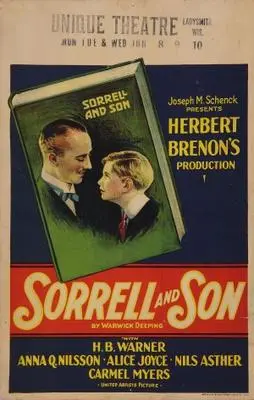
A definitive 5.9/10 rating for a film that redefined the boundaries of cult cinema. Sorrell and Son remains a cornerstone of transgressive art.
Is Sorrell and Son worth your time in an age of fast-paced digital blockbusters? Short answer: yes, but only if you are prepared for an emotional marathon that refuses to offer easy comfort.
This film is for viewers who find beauty in the slow erosion of the human spirit for the sake of love. It is absolutely not for those who find the tropes of silent-era melodrama to be antiquated or overly sentimental.
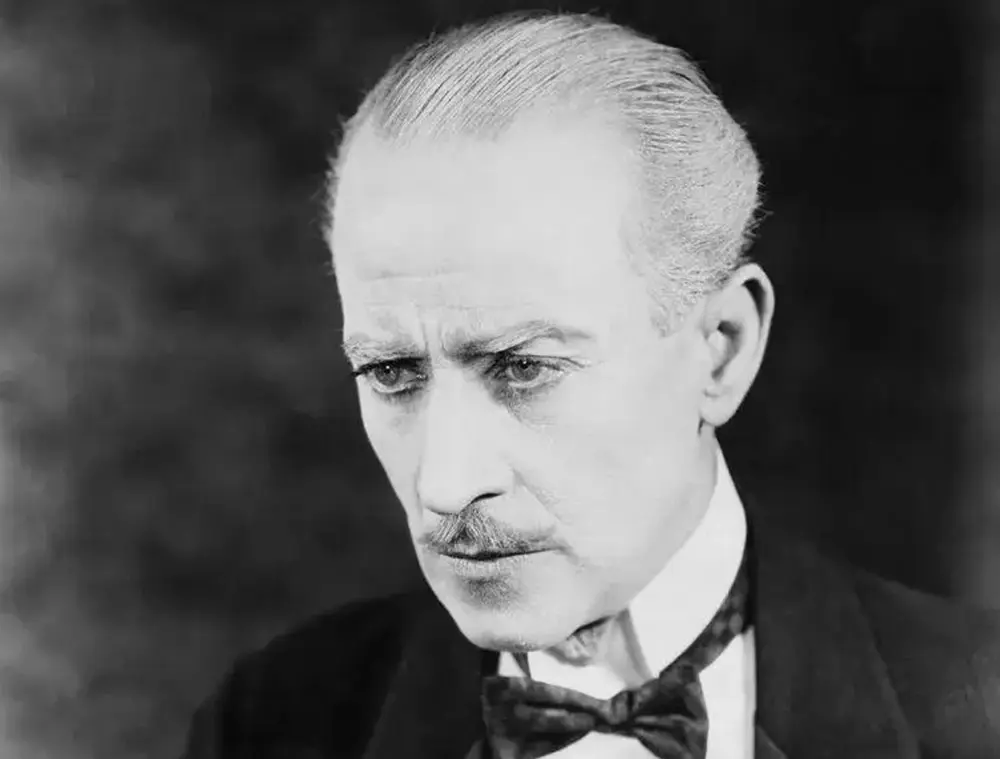
1) This film works because H.B. Warner delivers a physical performance that transcends the lack of dialogue, making every heavy suitcase feel like a personal insult.
2) This film fails because its depiction of the mother is so one-dimensionally villainous that it nearly tips the drama into a caricature of gender dynamics.
3) You should watch it if you want to understand how 1920s cinema explored the trauma of post-war masculinity and the rigid boundaries of the British class system.
Yes, this film is a vital piece of cinematic history. It captures a specific post-war anxiety that few other films of the era dared to touch. The acting is grounded and the emotional stakes are high. It offers a unique look at the lengths a parent will go to for their child. You will find the story both moving and deeply uncomfortable.
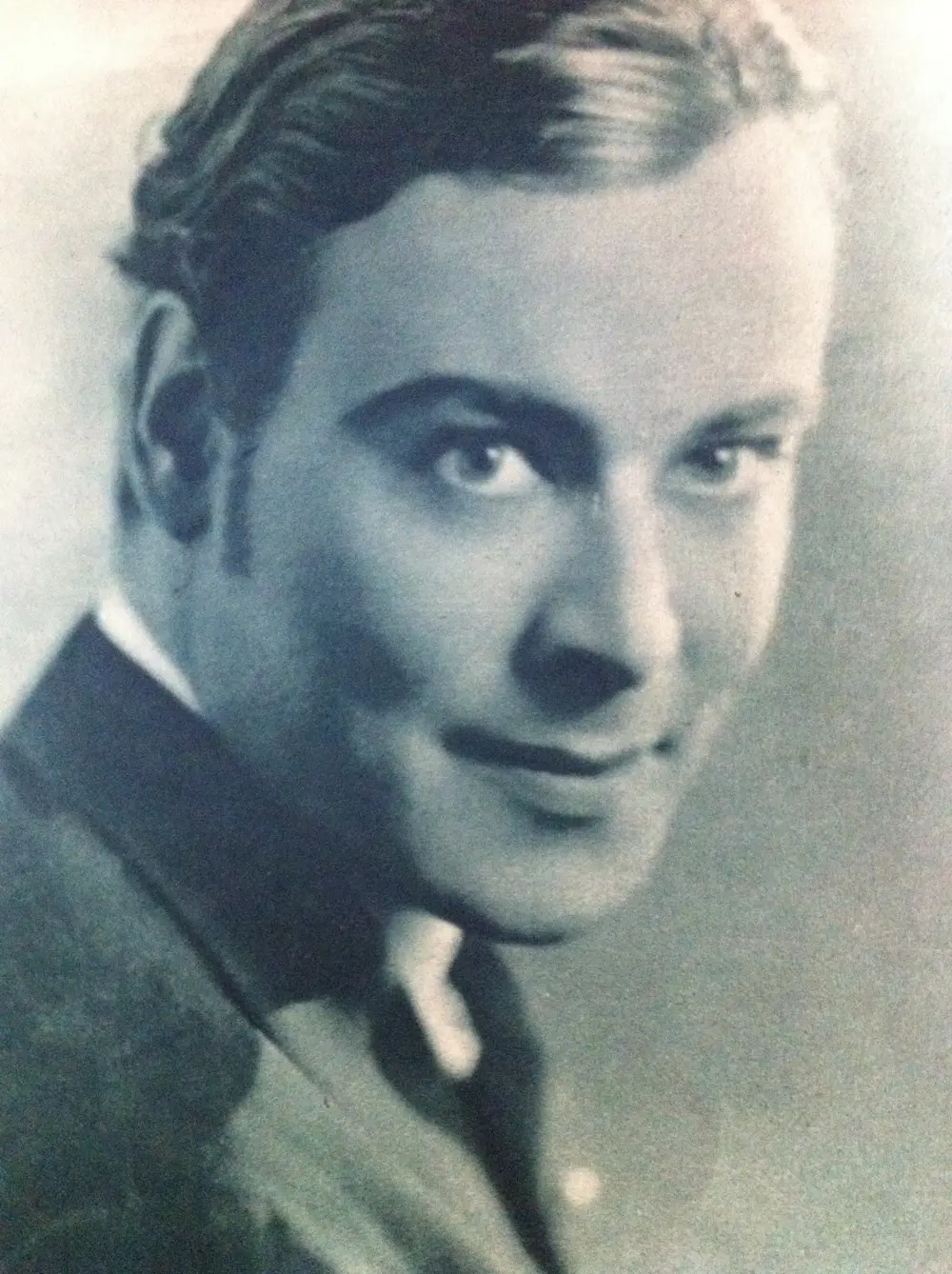
H.B. Warner does not just act the role of Stephen Sorrell; he inhabits the very concept of exhaustion. In the scenes where he is working at the hotel, his posture changes subtly over the years. We see the upright spine of a soldier slowly curve into the subservient hunch of a man who has carried too many trunks for too many ungrateful guests. It is a physical transformation that rivals the best of modern method acting.
There is a specific moment when Sorrell is forced to take a tip from a man who is clearly his social and intellectual inferior. The way Warner’s hand trembles—just slightly—before closing around the coin is a masterclass in silent storytelling. It conveys more about the death of pride than ten pages of dialogue ever could. Contrast this with the more theatrical performances in A Fool There Was, and you see how quickly the medium was evolving toward realism.
The film’s pacing is deliberate, perhaps even punishing. Director Herbert Brenon isn’t in a hurry to get to the resolution. He wants the audience to feel every year of Sorrell’s labor. This isn't a film about a single moment of bravery; it’s about the bravery of enduring three decades of monotony. It works. But it’s flawed.
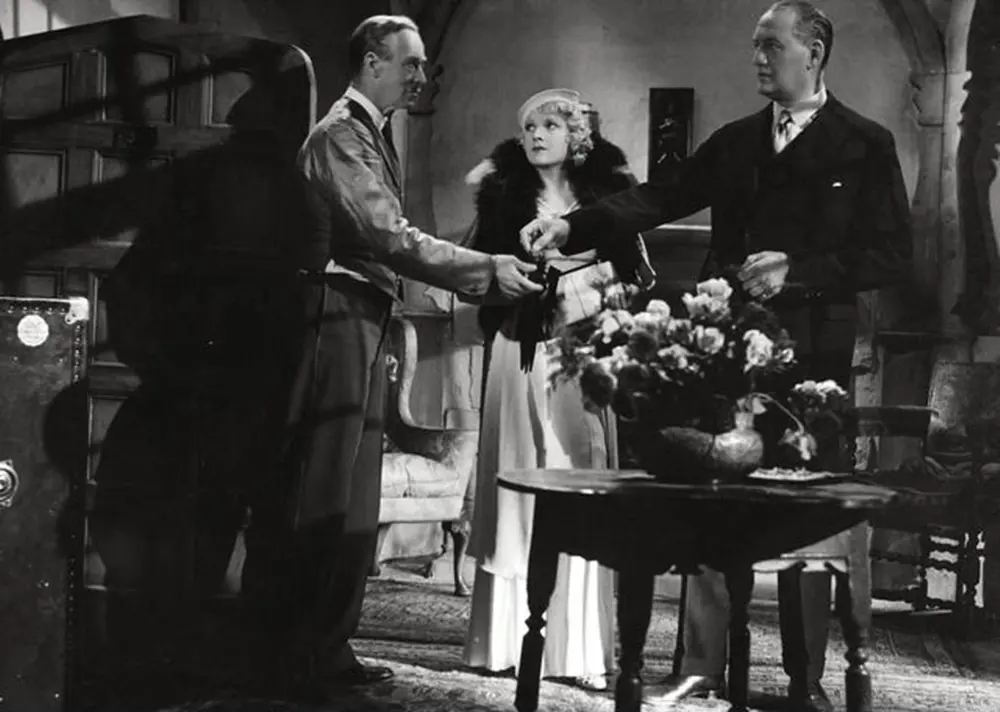
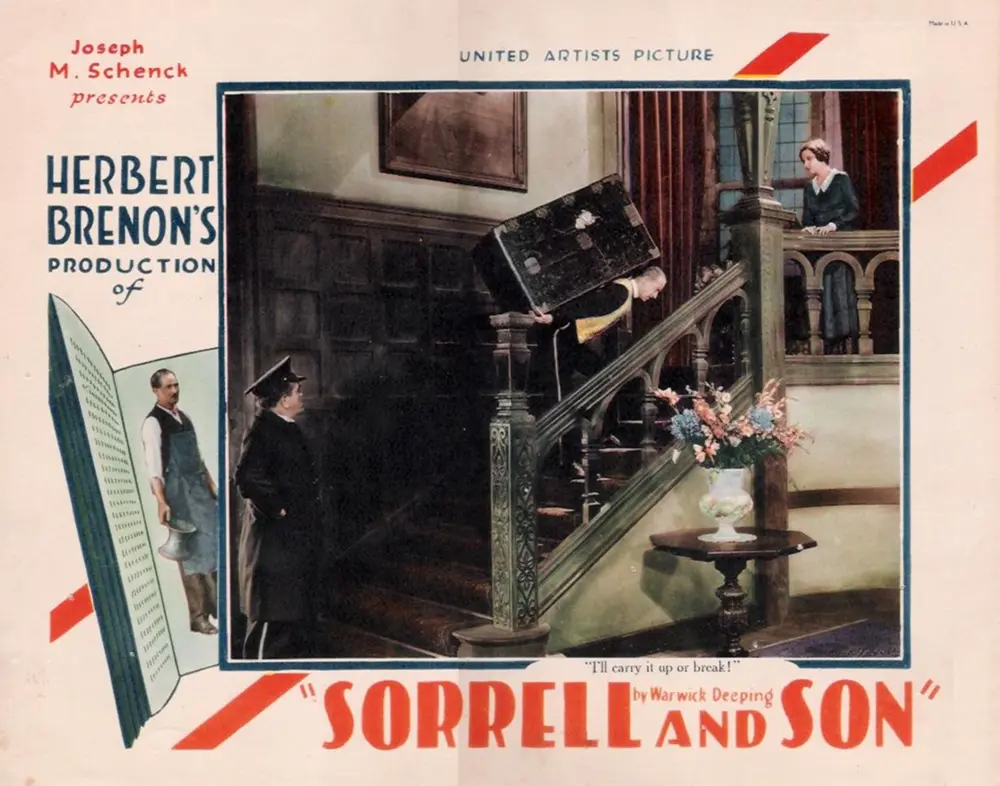
The hotel setting serves as a microcosm of a fractured England. The guests are often portrayed as vapid, cruel, or simply oblivious. Brenon uses the architecture of the hotel—the back stairs, the service elevators, the dark basement rooms—to visualize Sorrell’s social burial. He is a ghost in a tuxedo, serving the living. This theme of social invisibility is something we see later in films like The Thief, where the environment itself becomes an antagonist.
The cinematography by James Wong Howe (uncredited but influential) and others on the team creates a stark contrast between the bright, airy world Kit inhabits and the cramped, shadowy world of his father. The lighting in the father's small quarters is often harsh and unforgiving, highlighting the wrinkles and the weariness on Warner’s face. It’s a cynical visual language that suggests there is no dignity in labor, only in the results of that labor.
One of my more debatable opinions is that the film is actually more about the failure of the state than the strength of the father. Sorrell shouldn't have to destroy himself. The fact that the film presents his self-destruction as noble is, in itself, a disturbing commentary on the era’s expectations of the working class. It’s a hard pill to swallow today.
When the mother returns, the film shifts gears into a more traditional melodrama. This is where the narrative loses some of its grit. The mother is played with a coldness that feels a bit too convenient for the plot. She isn't a character so much as a plot device designed to test Sorrell's resolve one last time. It’s a stark difference from the nuanced portrayal of the father.
However, the confrontation scenes are still effective because of the tension built up in the first hour. When she attempts to buy her way back into Kit’s life, it feels like a violation of the 'blood and sweat' contract Sorrell has signed with his own body. The film takes a hard stance: parenthood is earned through presence and pain, not biology. It’s a punchy, uncompromising message that still resonates.
I found the ending to be surprisingly dark for a 1927 production. It doesn't shy away from the ultimate price of Sorrell’s choices. There is no magical restoration of his health or his status. There is only the survival of the son. It is a brutal, honest conclusion to a story that refuses to lie to its audience about the cost of social mobility.
Pros:
The film features exceptional production design that realistically captures the divide between the upper and lower classes. The emotional core is genuinely moving and avoids the 'eye-rolling' sentimentality of many of its contemporaries. It is a rare silent film that feels grounded in real-world consequences.
Cons:
The runtime can feel excessive, especially during the middle act where the repetitive nature of Sorrell's labor is emphasized. Some of the secondary characters are poorly developed, existing only to react to Sorrell’s suffering rather than having lives of their own.
Sorrell and Son is a difficult, demanding, and ultimately rewarding piece of cinema. It is a film that demands you sit with discomfort. It asks what a man is worth when he has nothing left to give but his own vitality. While it occasionally stumbles into the traps of 1920s moralizing, the central performance by H.B. Warner is so powerful that it anchors the entire experience in a recognizable human truth. It is a testament to the power of silent film to communicate complex social issues through nothing more than a look, a gesture, and a heavy trunk. This is a must-watch for any serious student of film history, but keep the tissues close. It doesn't just pull at your heartstrings; it tries to snap them.
IMDb —
1919
Community
Log in to comment.