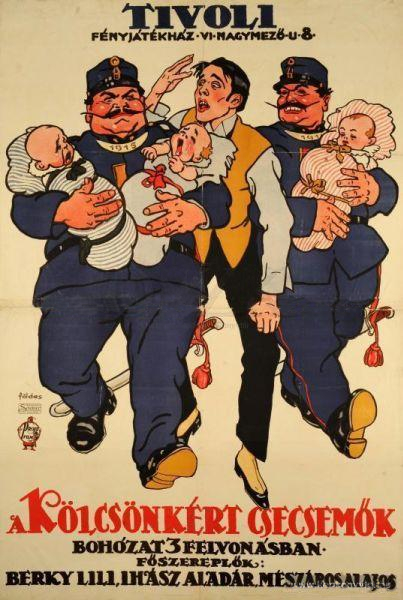
The year 1914 remains a cornerstone in the annals of global cinematography, a period where the medium shed its swaddling clothes and embraced the complexities of long-form narrative. Amidst the seismic shifts occurring in the American and European markets, the Transylvanian city of Kolozsvár emerged as an unexpected ep...
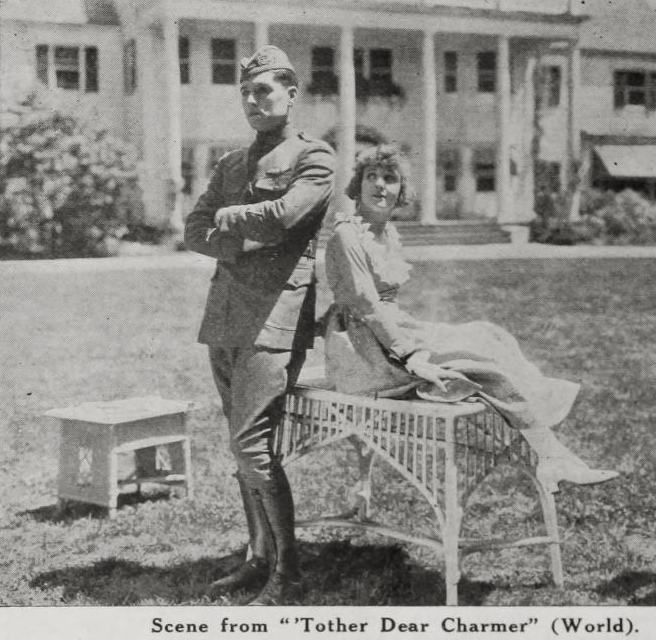
Comparing the cinematic DNA and archive impact of two defining moments in cult history.
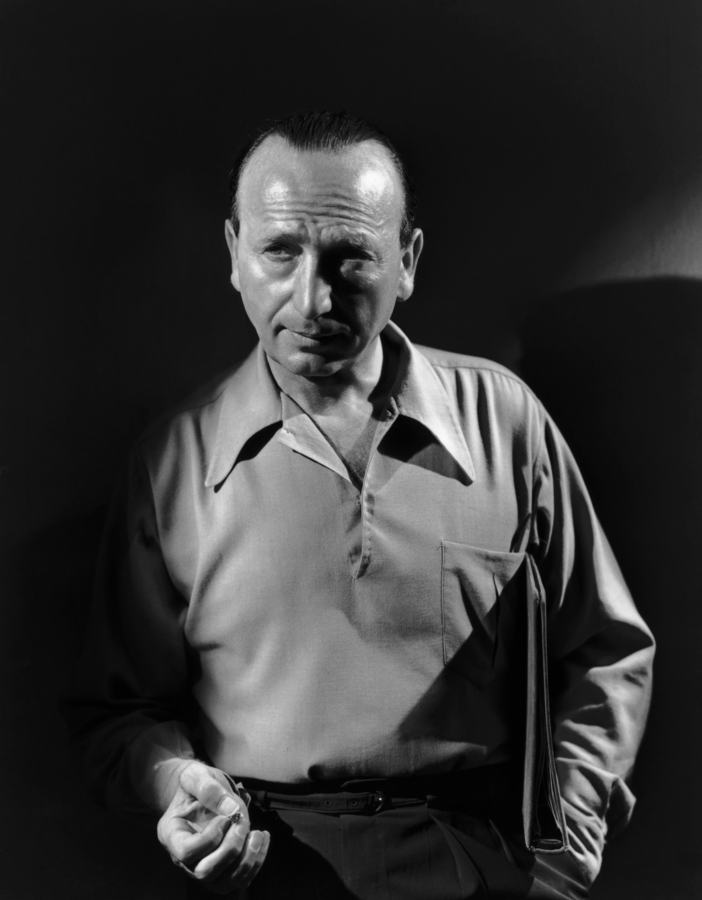
Michael Curtiz

Michael Curtiz
Community
Log in to comment.
"The year 1914 remains a cornerstone in the annals of global cinematography, a period where the medium shed its swaddling clothes and embraced the complexities of long-form narrative. Amidst the seismic shifts occurring in the American and European markets, the Transylvanian city of Kolozsvár emerged as an unexpected epicenter of creative ferment under the stewardship of Jenő Janovics. His production of A kölcsönkért csecsemők (The Borrowed Babies) stands as a testament to this localized Hollywoo..."
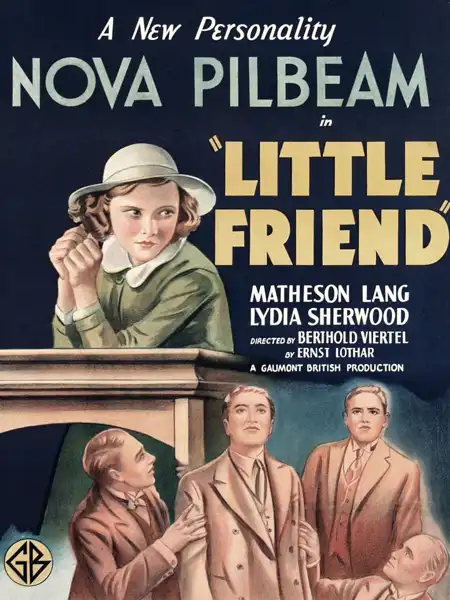
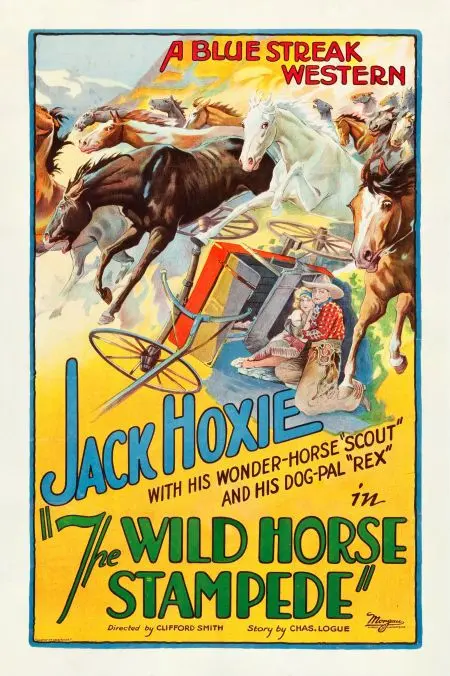
Deep dive into the cult classic
Discover similar cinematic experiences
A Directorial Spotlight on Michael Curtiz