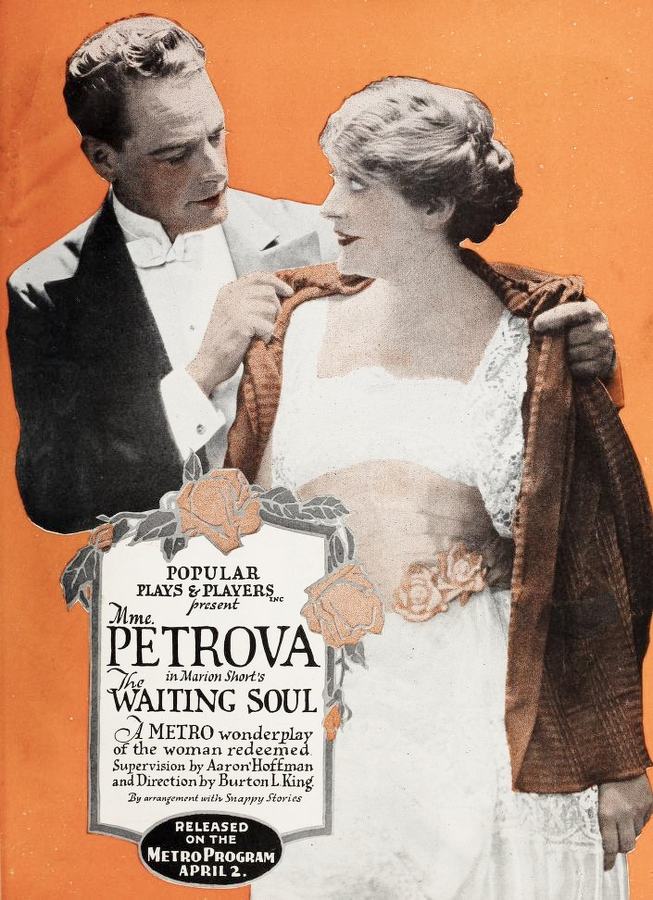
District Attorney Bruce Steele is concerned about the extent of profiteering in foodstuff. He assigns men to investigate the problem, then dashes off to propose marriage to Ethel Armstrong, who accepts him, but later breaks the engagement when the investigators report that her father, financier Henry Armstong, is one of the profiteers.
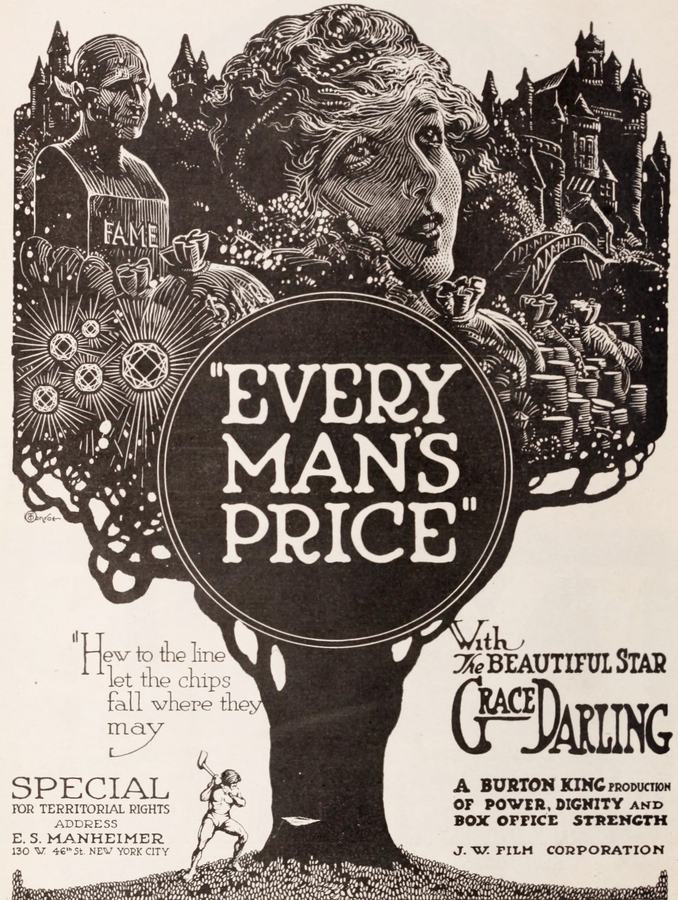
Everyman’s Price A 1920s melodrama where duty, love, and moral ambiguity collide Everyman’s Price, a 1920s-era cinematic artifact, unfolds like a chess match of conscience. Directed with meticulous restraint, the film’s narrative machinery is both its greatest strength and its most confounding quirk. At its core...
Comparing the cinematic DNA and archive impact of two defining moments in cult history.
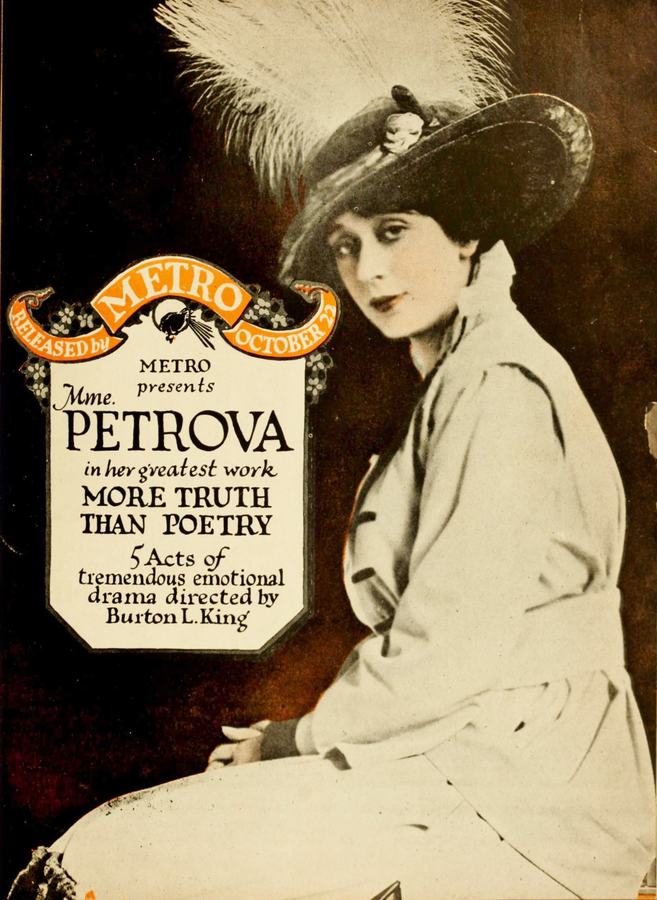
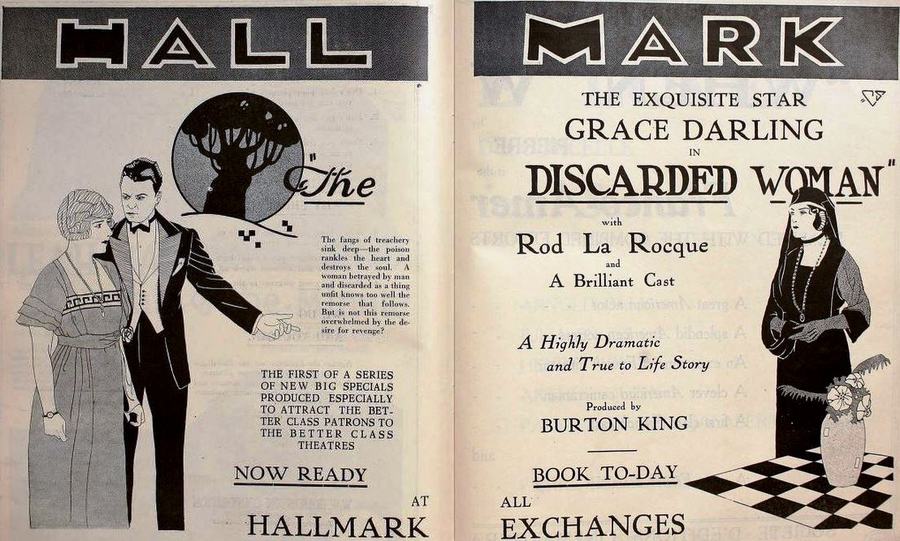
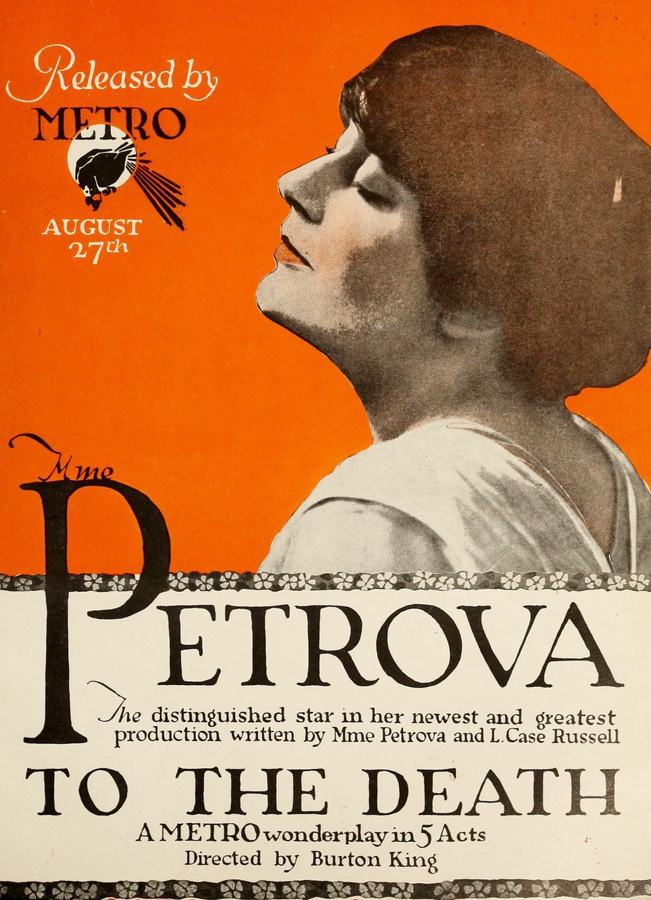
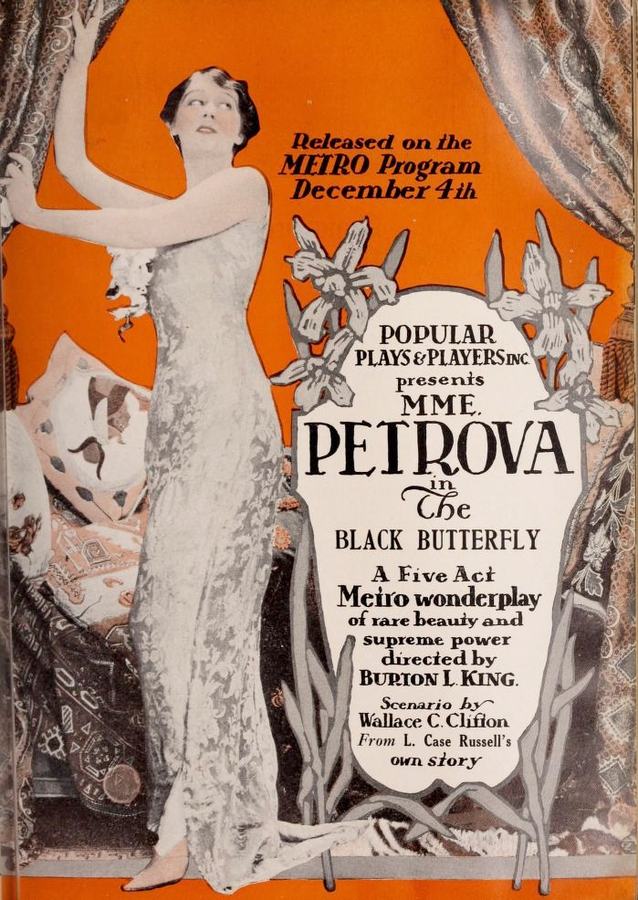
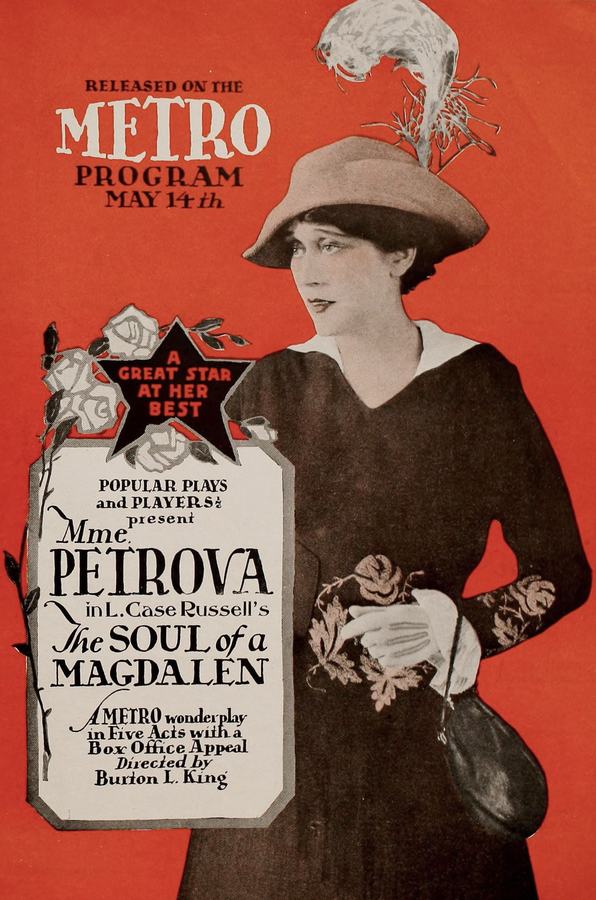
Burton L. King
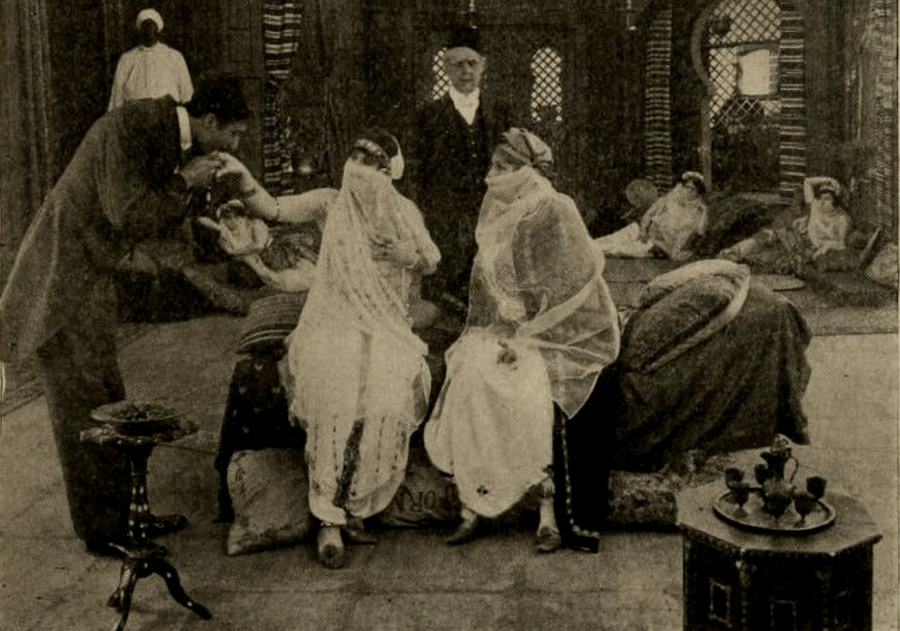
Burton L. King
Community
Log in to comment.
" Everyman’s Price A 1920s melodrama where duty, love, and moral ambiguity collide Everyman’s Price, a 1920s-era cinematic artifact, unfolds like a chess match of conscience. Directed with meticulous restraint, the film’s narrative machinery is both its greatest strength and its most confounding quirk. At its core, the story orbits Bruce Steele (E.J. Ratcliffe), a District Attorney whose crusade against food profiteering spirals into a personal odyssey of sacrifice. Steele’s initial moral c..."
Bud Geary
F. McGrew Willis
United States
Deep dive into the cult classic
Discover similar cinematic experiences
A Directorial Spotlight on Burton L. King