DbcultAccessing Vault...
6.4/10
Senior Film Conservator
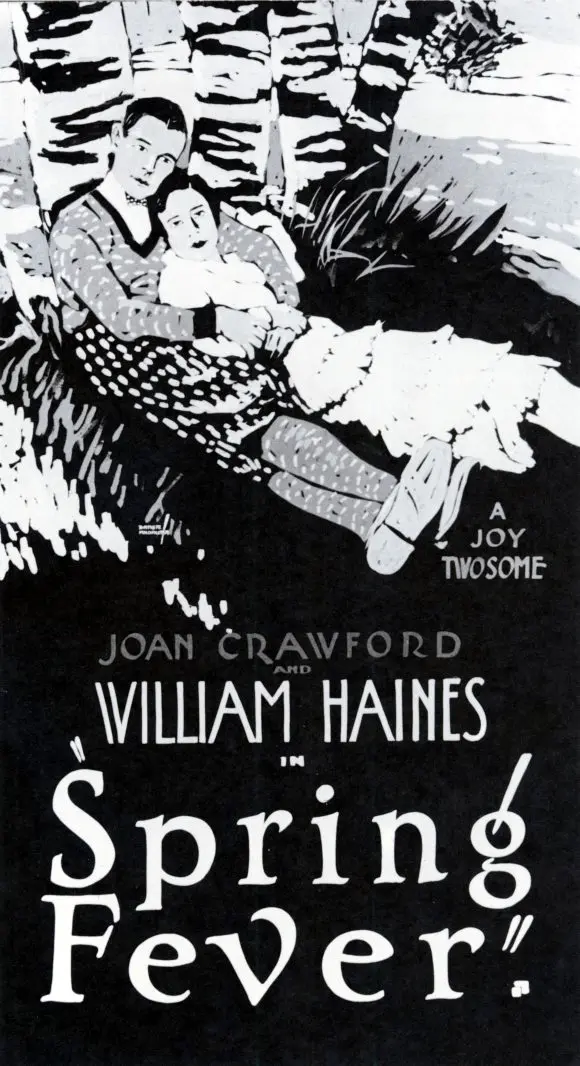
A definitive 6.4/10 rating for a film that redefined the boundaries of cult cinema. Spring Fever remains a cornerstone of transgressive art.
Is Spring Fever (1927) a film that holds up for a modern audience? Short answer: yes, but with caveats. This silent-era comedy, starring the effervescent William Haines, offers a fascinating glimpse into the social dynamics and comedic stylings of the Roaring Twenties, making it a valuable watch for cinephiles and those curious about the roots of romantic comedy.
However, it is decidedly not for everyone. If your patience for silent film conventions is thin, or if you demand rapid-fire contemporary humor, you might find its pacing a challenge. But for viewers who appreciate historical context, the artistry of silent acting, and a well-crafted, charmingly simple narrative, this film is a delightful, if occasionally quaint, experience. It's a testament to the enduring appeal of a good old-fashioned con story wrapped in a comedic bow.
Directed by Harry Beaumont, Spring Fever is one of those delightful cinematic artifacts that reminds us how much, and how little, storytelling has changed. Its premise is deceptively simple: a working-class man, Jerry Martin (William Haines), falls for a wealthy woman, Patricia Fane (Joan Crawford in an early, uncredited role), and believes the only way to win her over is to pretend to be someone he’s not – a professional golfer. This is the kind of high-concept farce that still gets greenlit today, a testament to the timeless appeal of aspirational romance and mistaken identity.
The film doesn't waste time in setting up this central conceit. We meet Jerry, a shipping clerk, whose dissatisfaction with his lot in life is palpable, even without dialogue. His longing glances at the high society he wishes to infiltrate are classic silent film shorthand for ambition. The moment he decides to shed his clerk persona for that of a golf pro isn't just a plot device; it's a commentary on the era's obsession with social mobility and the perceived ease with which one could reinvent themselves.
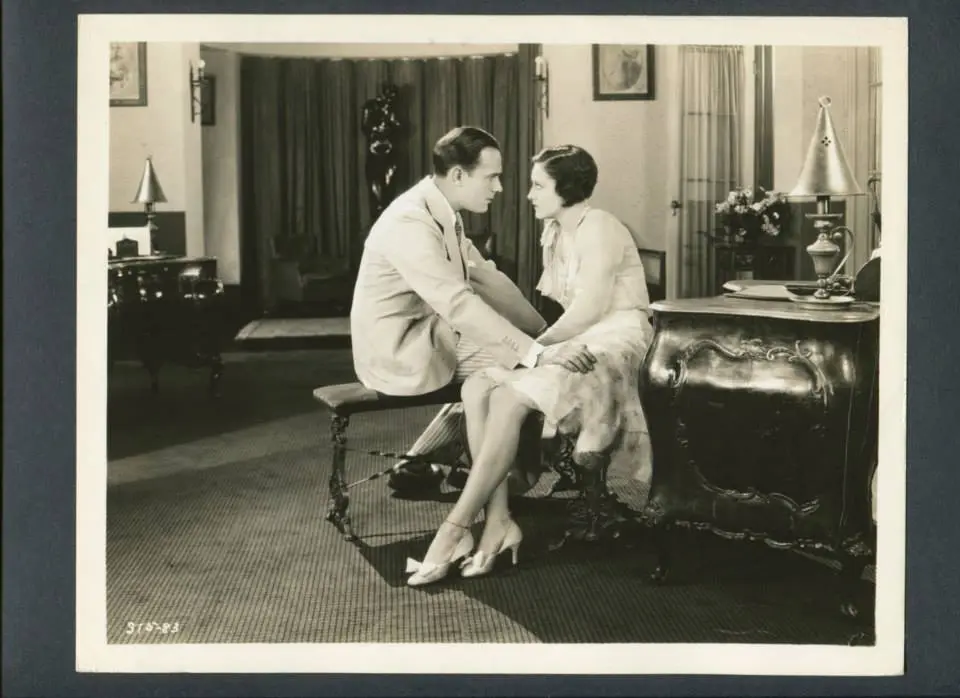
This film works because it fully commits to its comedic premise, leveraging William Haines' natural charisma and physical comedy to sell the ridiculousness of the situation. It’s a masterclass in silent-era charm, with strong performances that transcend the lack of spoken dialogue.
Conversely, the film fails because its narrative, while endearing, is largely predictable, offering few genuine surprises beyond the initial setup. Modern viewers accustomed to intricate plot twists might find its straightforward progression a little too gentle, a little too comfortable in its own skin. The stakes, while present, never feel truly insurmountable, which can detract from the comedic tension.
You should watch it if you appreciate the historical significance of silent film, are a fan of William Haines or Joan Crawford's early work, or simply enjoy a lighthearted, well-executed romantic comedy that doesn't demand too much of its audience beyond a willingness to be entertained by a simpler form of cinematic storytelling.
Harry Beaumont, a director with a prolific career in both the silent and early sound eras, brings a crisp, efficient directorial style to Spring Fever. His direction is characterized by clear visual storytelling, relying heavily on reaction shots and well-staged physical gags to convey humor and character emotion. This is particularly evident in the golf sequences, where Jerry's ineptitude is milked for every possible laugh.
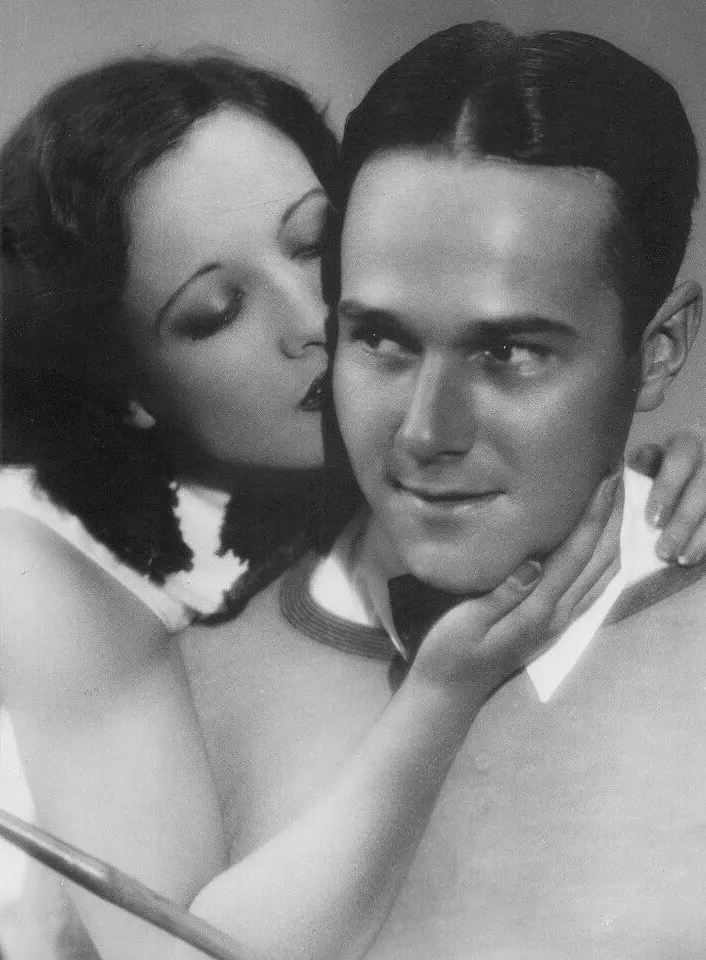
Beaumont understands the rhythm of silent comedy, allowing moments to breathe for the audience to fully grasp the visual punchline. There’s a particular sequence where Jerry attempts to mimic a professional golf swing, his movements exaggerated and clumsy. Beaumont holds the shot long enough for Haines to build the physical comedy, contrasting it with the effortless grace of actual golfers around him. This kind of nuanced timing is crucial for a film without dialogue.
His work here, while not as groundbreaking as some of his contemporaries, is solid and effective. It's reminiscent of the straightforward, character-driven comedies of the era, much like the charming antics seen in a film such as Dancing Daddy, where the focus is firmly on the lead's performance.
The undeniable star of Spring Fever is William Haines. Haines, often dubbed 'The Most Popular Man in America' during his heyday, possesses an infectious, roguish charm that practically leaps off the screen. His performance as Jerry Martin is a masterclass in silent-era acting, blending broad physical comedy with genuine emotional vulnerability. He's a natural comedian, capable of conveying a spectrum of feelings with just a glance or a subtle shift in posture.
Watch his eyes when he first spots Patricia Fane across the room – they convey a mixture of awe, desire, and a touch of the absurd ambition that will drive his entire scheme. His golf swings, a chaotic ballet of flailing limbs and frustrated grimaces, are genuinely hilarious. Haines doesn't just play a character; he embodies a type, the ambitious young man trying to make his way in a world not quite ready for him, a common theme in films like Poor Innocent.
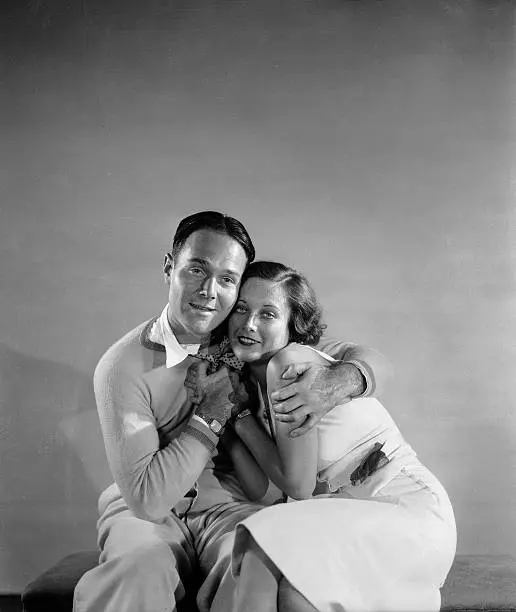
While uncredited, Joan Crawford's appearance as Patricia Fane offers a tantalizing glimpse of the star she would become. Even in this early role, her screen presence is undeniable. She carries herself with an aristocratic air, yet there's a spark in her eyes that suggests she's not entirely immune to Jerry's unconventional charm. Her subtle reactions to Jerry's clumsy attempts at golf, a mix of amusement and slight bewilderment, hint at the nuanced performances she would deliver later in her career. It's a small role, but she makes it count, proving that star power isn't always about screen time.
The supporting cast, including Edward Earle as the rival golfer and Florence Wix as the socialite Mrs. Fane, provide excellent foils for Haines. Earle's portrayal of the established pro is suitably smug, making Jerry's underdog status even more appealing. The entire ensemble works together to create a believable, albeit heightened, comedic world.
The cinematography in Spring Fever, while typical of the era, effectively captures the opulence and aspirations of the 1920s. Shots of grand country club interiors, lush golf courses, and fashionable attire immerse the viewer in the world Jerry so desperately wants to join. The lighting is generally bright and clear, emphasizing the clean lines of the sets and the expressive faces of the actors.
There's a particular scene at the country club where the art direction shines. The detailed decor, the period costumes, and the general bustle of extras create a vibrant atmosphere that feels authentic to the time. It’s not just a backdrop; it’s an active participant in establishing the class divide that drives the plot. The golf course itself, with its manicured greens and imposing clubhouse, becomes a symbol of the exclusive world Jerry is trying to penetrate.
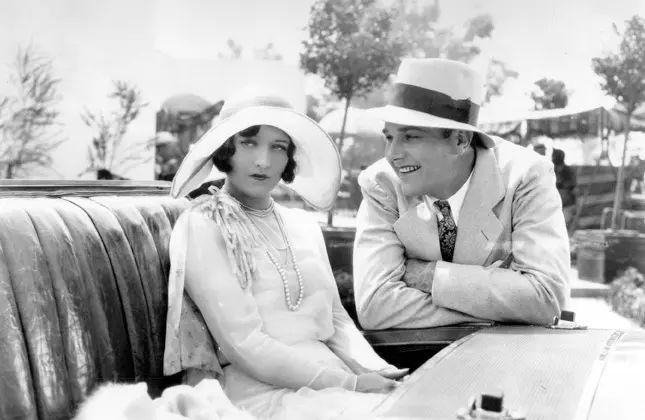
The camera work is straightforward, focusing on clarity and composition, which was standard for the period. It allows the performances to take center stage, rather than drawing attention to itself with flashy techniques. This pragmatic approach ensures that the visual gags land effectively and the emotional beats are clearly communicated, even without the benefit of sound.
The pacing of Spring Fever is characteristic of silent comedies: it’s deliberate, allowing scenes to unfold and gags to build, but never truly drags. The narrative moves at a steady clip, propelled by Jerry’s escalating deceptions and the increasingly precarious situations he finds himself in. Modern audiences might need a moment to adjust to this rhythm, which relies more on visual cues and intertitles than rapid-fire dialogue.
The tone is consistently lighthearted and comedic, even when Jerry’s predicament seems dire. There’s an inherent sweetness to the film, a belief in the power of charm and ingenuity to overcome social barriers. It avoids cynicism, opting instead for a feel-good narrative that champions the underdog. This unwavering optimism is one of the film's greatest strengths, offering a pleasant escape into a bygone era of innocent humor.
It's a tone that contrasts sharply with the darker, more cynical comedies that would emerge in later decades, but one that perfectly suited the optimistic, post-war zeitgeist of the 1920s. It’s a film that leaves you with a smile, much like the charming simplicity of Remodeling Her Husband, focusing on the lighter side of life's complications.
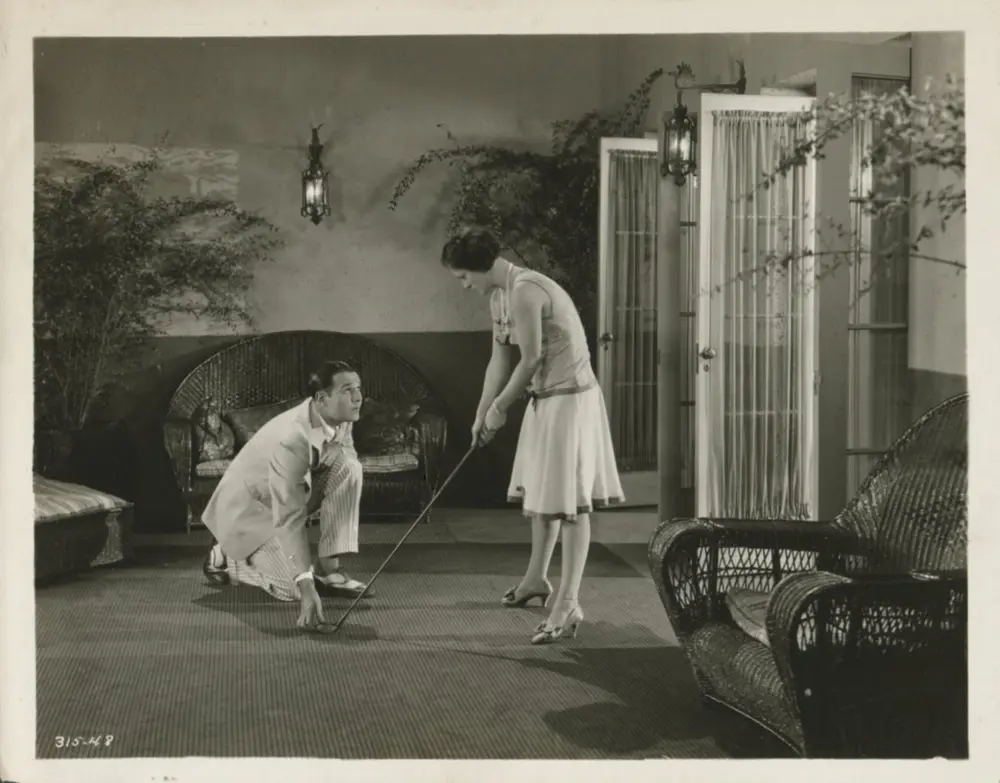
At its core, Spring Fever is a story about social aspiration. Jerry Martin isn't just trying to impress a girl; he's trying to impress an entire social class. His pretense as a golf pro is a desperate attempt to bridge the economic and social divide that defined much of the 1920s. This theme resonates strongly, tapping into the universal desire for upward mobility and acceptance.
The film also explores the morality of deception. While Jerry's intentions are pure (he genuinely falls for Patricia), his methods are questionable. The comedy arises from the tension between his genuine feelings and his fraudulent identity. It subtly asks whether love can truly blossom from a lie, a question that romantic comedies have grappled with for decades. My unconventional observation here is how little the film actually condemns Jerry's lie; it treats it more as an amusing inconvenience than a moral failing, reflecting a certain cultural permissiveness towards 'white lies' in pursuit of happiness during that era.
It works. But it’s flawed. The film’s greatest strength is its unwavering belief in the power of personality, suggesting that sometimes, sheer charm and a bit of audacity can open doors that wealth and status alone cannot. This is a debatable opinion, of course, as real-world consequences for such deceptions are far less forgiving than the silver screen allows. However, within the confines of this lighthearted narrative, it's a comforting thought.
Absolutely, for the right audience. Spring Fever (1927) is a charming, well-executed silent comedy that offers more than just historical value. It delivers genuine laughs through physical comedy, a compelling lead performance from William Haines, and a timeless story of love and ambition. While its silent film conventions and predictable plot might not appeal to everyone, it’s a delightful experience for those willing to embrace its unique charms.
It's a wonderful entry point into the world of silent cinema for newcomers, and a nostalgic trip for seasoned enthusiasts. You get to see a burgeoning star in Joan Crawford, and a fully realized one in William Haines, at the peak of his comedic powers. The film is a breezy watch, a perfect antidote to more complex or heavy modern fare. If you're looking for a dose of pure, unadulterated 1920s charm, this film is a solid recommendation.
Pros:
- Exceptional lead performance by William Haines, full of charisma and comedic timing.
- Charming, lighthearted tone that remains consistently entertaining.
- Effective visual storytelling and physical gags characteristic of silent comedy.
- Offers a fascinating historical snapshot of 1920s aspirations and social dynamics.
- Early, albeit uncredited, appearance by a young Joan Crawford.
- Well-paced for a silent film, avoiding undue sluggishness.
Cons:
- The plot is highly predictable and adheres strictly to romantic comedy formulas.
- Silent film conventions (intertitles, slower pacing) may not appeal to all modern viewers.
- Stakes never feel genuinely high, reducing overall dramatic tension.
- Some gags, while well-executed, are repetitive.
- Limited character depth beyond the primary comedic driver.
Spring Fever (1927) is a delightful, if not groundbreaking, silent comedy that serves as a testament to the enduring appeal of its star, William Haines, and the timeless nature of its central premise. It’s a film that succeeds on the strength of its charm and the effervescence of its lead. While it won't redefine your understanding of cinema, it offers a thoroughly enjoyable and historically significant viewing experience. For those with a fondness for the silent era, or simply seeking a lighthearted escape, it’s a solid par-for-the-course recommendation. It’s a cinematic mulligan that somehow lands perfectly on the green, proving that sometimes, even a little deception can lead to a sweet victory.
IMDb —
1921
Community
Log in to comment.