Summary
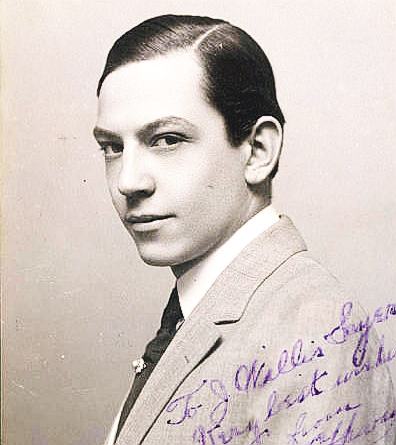
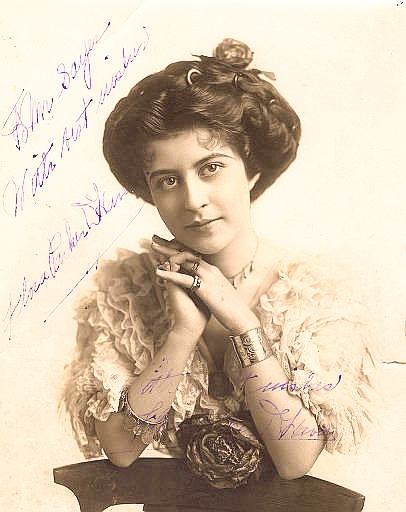
An incandescent blossom of celluloid chlorophyll, this 1914 one-reeler unspools like a haiku etched on the inside of a tulip petal: a girl with Flora Parker DeHaven’s moon-pale eyes, her ribbon the color of first forsythia, skips across a meadow where every blade of grass seems to inhale the coming equinox. She meets Carter DeHaven’s boy-in-overalls, a scarecrow prince whose pockets jangle with marbles instead of coins; together they chase a runaway kite that looks suspiciously like a migrating soul. Between them blooms not adult courtship but the prelapsarian tremor of possibility—two heartbeats learning the rhythm of thawing earth. A brook, filmed in crystalline side-angle, becomes a liquid mirror; when the girl’s reflection fractures, the boy rebuilds it with a stone skimmed so delicately the ripple feels like a promise. A storm rolls in—hand-cranked clouds smeared with charcoal—and the children shelter beneath a crab-apple tree whose blossoms detonate in stroboscopic flicker, each frame a white firework against the nickelodeon dark. In the aftermath they plant the kite’s broken spars like beanstalk seeds; a superimposed dissolve shows the moon swinging low to kiss the sprouting green, suggesting that wonder, like sap, only needs a wound to flow. No iris-out, no moral, just the curtain of nightfall stitched with cricket song and the lingering perfume of lilac that the projector beam seems to exhale into the auditorium.
Review Excerpt
"
A 17-minute negative-space love letter to chlorophyll and childhood, shot when the world itself was still learning how to be photographed.
There are films you watch and films that watch you—Spring belongs to the latter caste. Released in the same annus mirabilis that gave us The Last Egyptian’s archaeological swagger and Tillie’s Tomato Surprise’s slapstick anarchy, this Mutual pocket-poem opted for the radical modesty of a single seasonal breath. Consider the arithmetic: three daylight exte..."