Summary
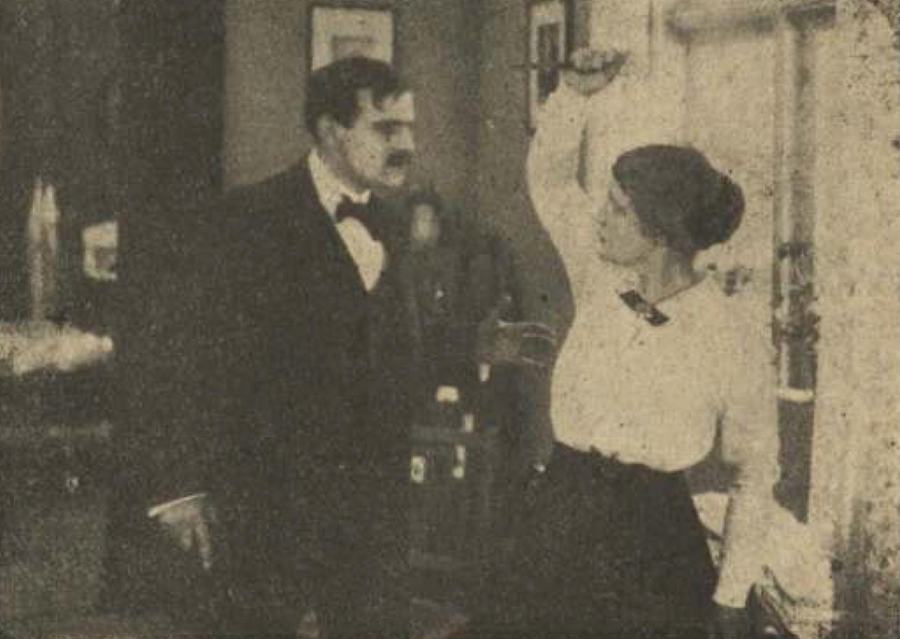
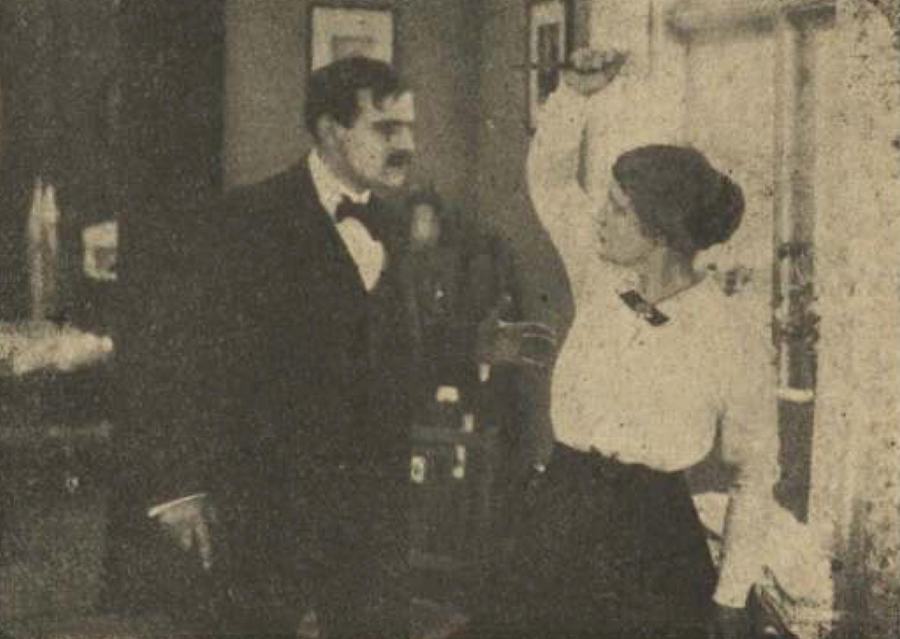
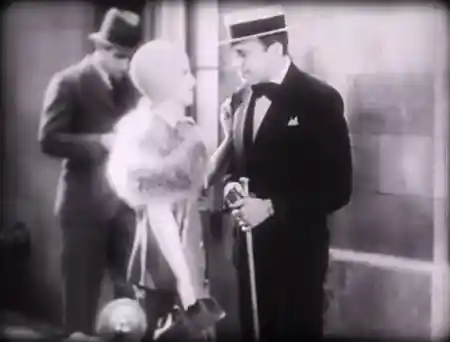
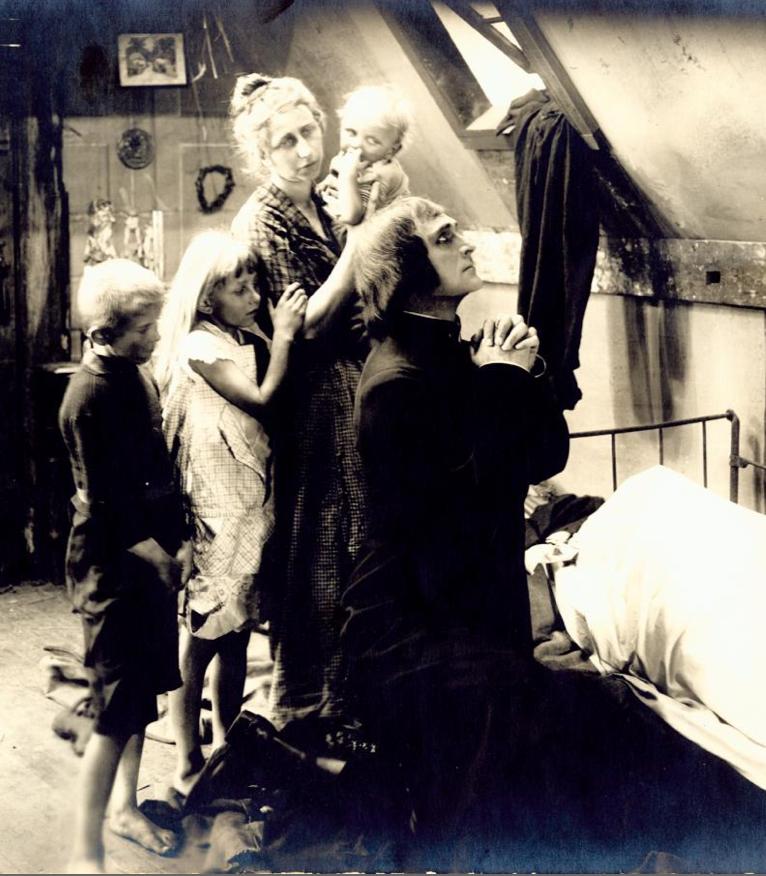
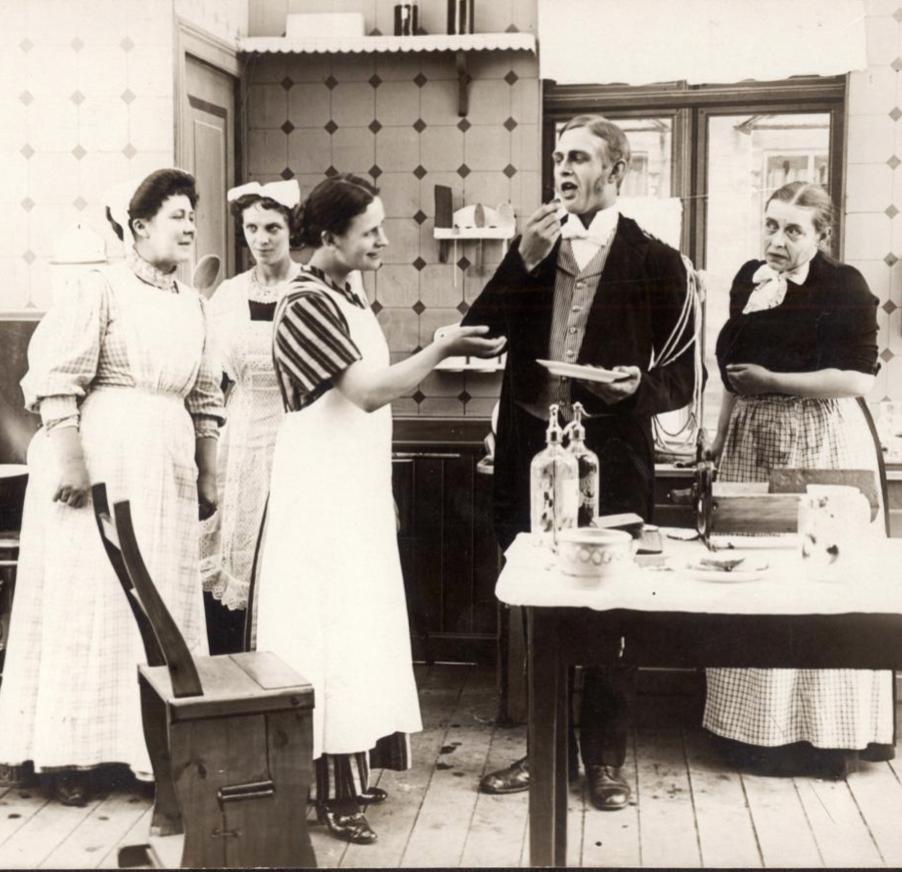
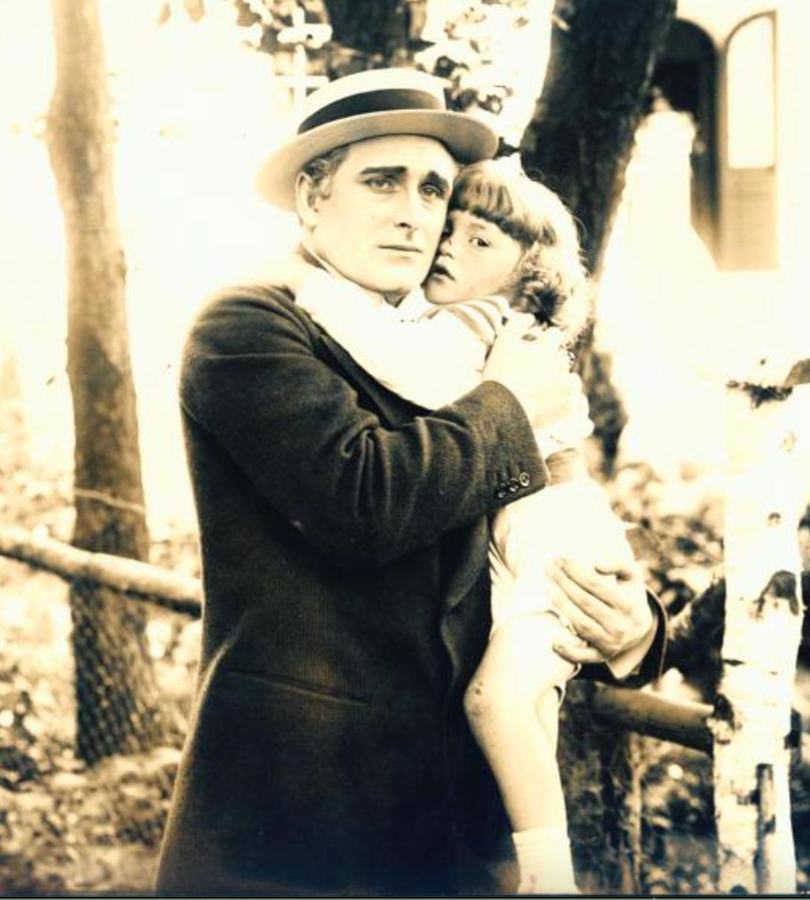
Copenhagen’s gas-lamps flicker like spent coins across the docks where Carl Lind, a once-prosperous importer, now stakes the last of his solvency on the turn of a dog-eared card. Fortune, long his fickle mistress, finally folds; creditors circle like gulls over a bleeding catch. Into this haze of cigar smoke and desperation glides Emil Werner—school-chum turned silent predator—his smile a scalpel, his eyes two chips of winter Baltic ice. Carl, grateful for a lifeline, invites the old friend to supper, unaware that the loan offered carries invisible barbs. Across the candle-flame sits Else, Carl’s young wife, her cheekbones still flushed with the honeymoon she never truly had; Emil registers the tremor of her wrist as she pours coffee, the way candlewax pools like shackles around her fingers. What begins as urbane small talk becomes a slow siege: bouquets delivered when Carl is at the track, anonymous boxes of marzipan wrapped in ribbons the color of arterial blood, sheet-music slipped under the door—Schumann, the very piece that played at their wedding. Else, starved for affection, mistakes obsession for rescue; Emil, calculating every breath, choreographs coincidences until the city itself seems to conspire. One fog-thick night Carl staggers home to find his wife’s wedding ring centered on the green-baize card table, a single overturned chair, and a note written in Emil’s clinical hand: “Debts paid in full.” The final reel is a cathedral of mirrors: Carl stalks through a masked ball where every domino mask bears Emil’s nose, every silk gown Else’s silhouette. Shots ring out; a mirror blooms red; the camera lingers not on the body but on the reflection—love and betrayal twinned forever, an ouroboros of appetites.
Carl Lind is a passionate gambler who is about to lose everything he owns. His friend Emil Werner is, however, cold and calculating. When he meets Carl's young and pretty wife Else, he becomes completely obsessed with her.
Review Excerpt
"
The first time I saw Carl Lind’s face—half in lamplight, half in the abyssal umbra of a gambling den—I thought of Munch’s lithographs: the same inward scream disguised as a polite smile. Director A. W. Sandberg shoots him in chiaroscuro so vicious that every pore becomes a moral fissure. When Carl loses his ancestral pocket-watch to a pot-bellied butcher, the close-up doesn’t linger on the timepiece; it studies the vein twitching at Carl’s temple, a metronome counting down to ruin.
What follow..."