DbcultAccessing Vault...
Cult Review
Senior Film Conservator
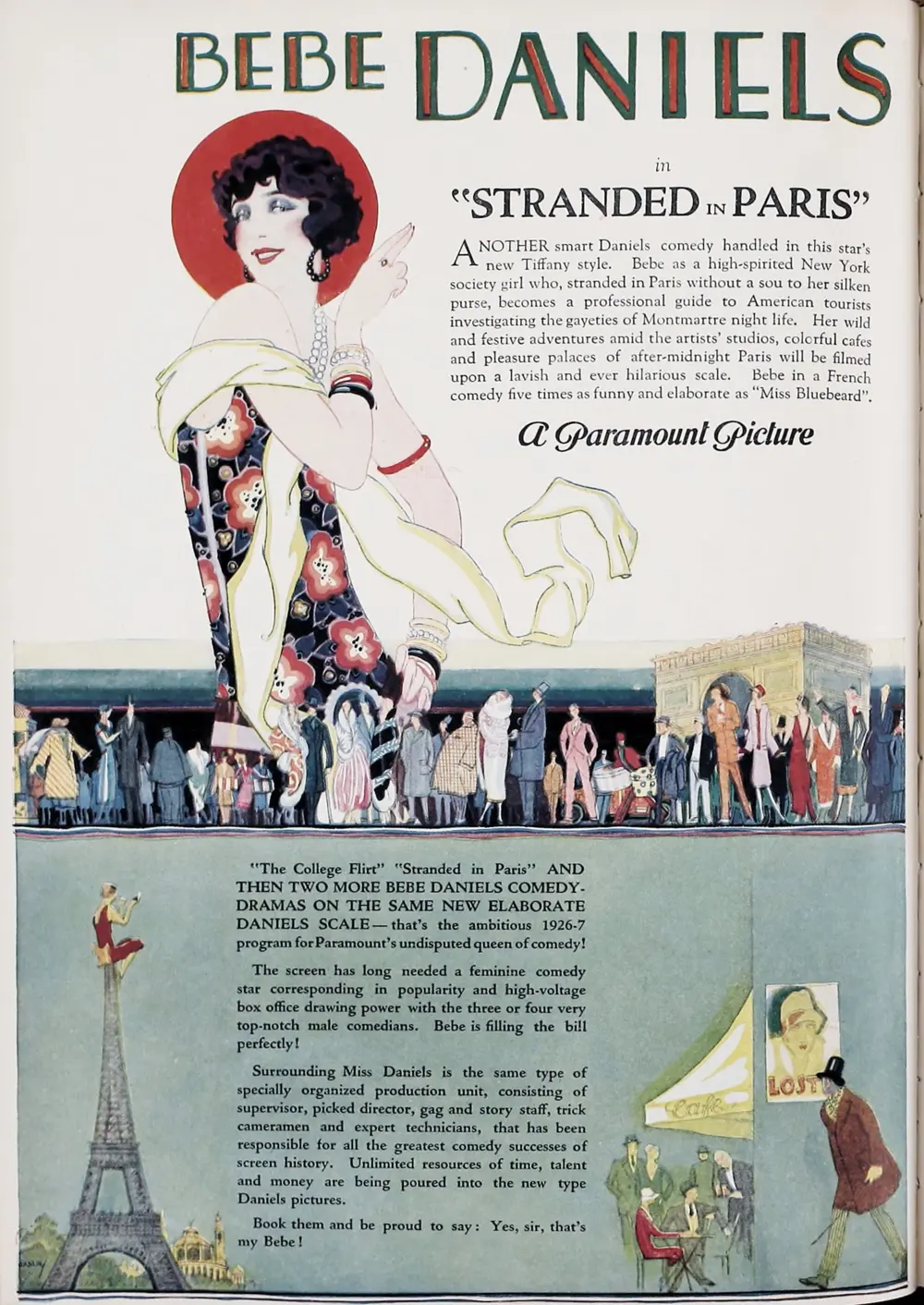
Is this breezy 1926 silent comedy still worth a look for modern audiences? Short answer: yes, but only if you appreciate the frantic, unpolished energy of the Jazz Age over structured narrative logic.
This film is for silent cinema completionists, fans of physical comedy, and those interested in the early career of Bebe Daniels; it is not for viewers who require a plot that survives basic scrutiny or those who find the 'damsel in distress' trope inherently grating.
Stranded in Paris is a fascinating artifact of mid-1920s filmmaking that bridges the gap between the raw slapstick of the early silents and the sophisticated screwball comedies that would dominate the 1930s. It is worth watching for its historical value and the sheer charisma of its lead actress. The film moves with a relentless pace that prevents the viewer from dwelling too long on its many coincidences. It is a light, airy confection that captures a specific moment in American culture when Paris was the ultimate symbol of liberation and danger.
1) This film works because Bebe Daniels possesses a magnetic screen presence that turns a series of improbable coincidences into a masterclass in silent reaction shots.
2) This film fails because the middle act relies too heavily on a stolen purse trope that feels tired even by 1920s standards.
3) You should watch it if you want to see the early fingerprints of Herman J. Mankiewicz on a screwball prototype.
Bebe Daniels was an absolute powerhouse of the silent era, and in Stranded in Paris, she carries the weight of the entire production on her shoulders. Unlike some of her contemporaries who relied on doll-like fragility, Daniels had a sharp, kinetic energy. She plays Julie McFadden not as a victim of her circumstances, but as a whirlwind of activity. In the opening scenes where she wins the passage to Paris, her joy isn't just expressed through a smile; it’s a full-body experience. She bounces. She vibrates. She is the engine of the film.
The sack race scene on the ship is a perfect example of her comedic timing. It’s a simple setup, but Daniels elevates it with her facial expressions. When she loses the race and faces the 'penalty' of a kiss from James Hall’s character, the transition from mock indignation to genuine interest is handled with a subtlety that was rare in 1926. It’s a moment that feels surprisingly modern. It works. But it’s flawed. The chemistry is there, but the film doesn't give them enough quiet moments to breathe.
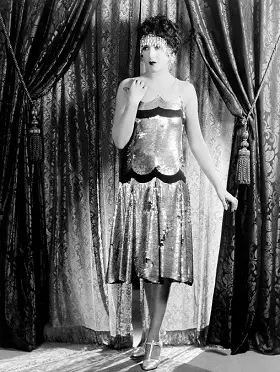
Compare her performance here to other films of the era like Sheltered Daughters. While many actresses were playing the 'innocent abroad,' Daniels brings a street-smart edge to Julie. Even when she is lost and purse-less in Paris, she doesn't sit down and cry. She runs. She fights. She accidentally gets a job. This proactive nature makes her infinitely more likable than the standard silent heroine.
One of the most striking things about Stranded in Paris is the writing credits. Seeing the name Herman J. Mankiewicz—the man who would go on to co-write Citizen Kane—on a light romantic comedy is a shock to the system. You can see the seeds of his later wit in the intertitles. There is a cynicism lurking beneath the fluff. The way the Parisian dressmakers are depicted as desperate, opportunistic vultures is a sharp contrast to the romanticized view of the city found in films like Manon Lescaut.
The plot itself is a series of escalating absurdities. The writers understood that the audience wasn't there for a deep character study; they were there to see a pretty girl get into trouble and get out of it. The sequence where Julie is mistaken for a delivery girl and ends up in the Count’s apartment is pure farce. It’s the kind of 'wrong door' comedy that would later be perfected by Ernst Lubitsch. The specific detail of the Count being in his pajamas while Julie is in her bath is a daring bit of 'pre-code' suggestive humor that adds a layer of spice to the proceedings.
However, the script does suffer from a lack of focus in the second act. The chase scene following the purse snatching goes on far too long. It feels like filler, a way to pad the runtime before getting to the meat of the bedroom comedy. It’s a common issue in films from this period, where the influence of the two-reeler slapstick shorts was still being felt in feature-length productions. Unlike The Wonderful Chance, which maintains a tighter narrative grip, Stranded in Paris occasionally wanders off into the weeds.
Director Arthur Rosson, who would later become a legendary second-unit director for Cecil B. DeMille, handles the chaotic energy well. The cinematography is functional, capturing the scale of the ship and the cramped, frantic nature of the Parisian streets. There is a specific shot where Julie is running through a crowd that feels genuinely documentary-like, capturing a sense of place that is often lost in studio-bound silents. It lacks the visual poetry of Algeria, but it makes up for it with sheer momentum.
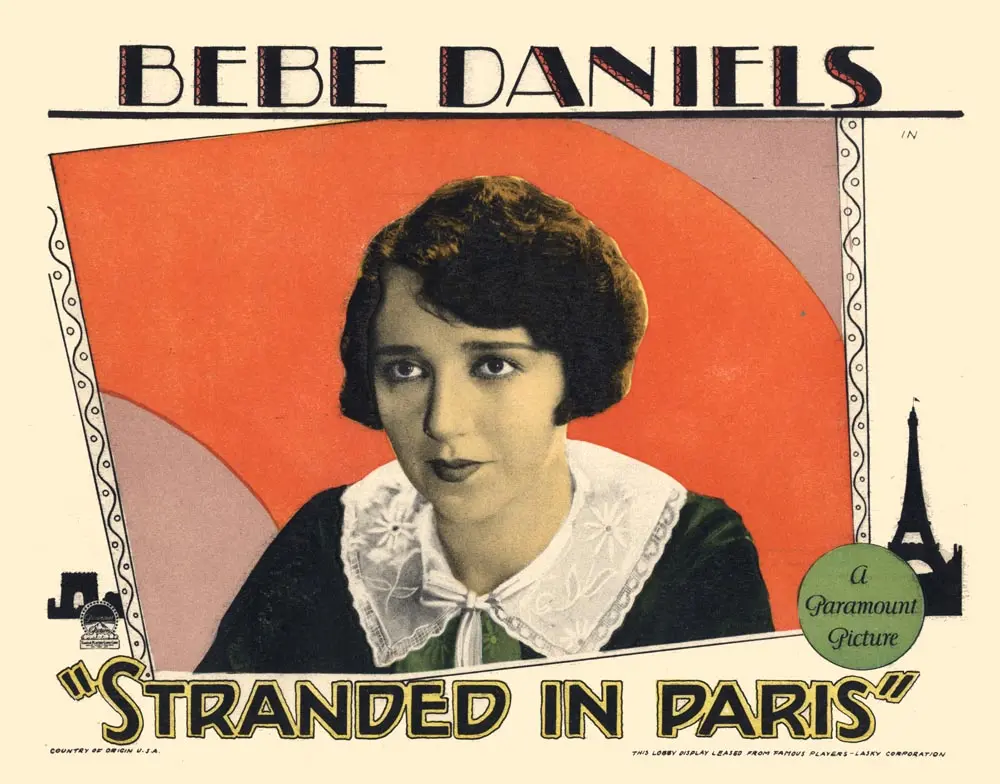
The pacing is the film's greatest strength and its greatest weakness. It moves so fast that you don't have time to realize how little sense the story makes. Why does she lock the Count in the bathroom? Because it’s funny. Why does she hide in a perambulator? Because it leads to a visual gag. The film operates on 'cartoon logic.' If you can't accept that, you will hate this movie. But if you can go with the flow, it’s a delightful ride. The use of Ford Sterling in a supporting role adds a layer of veteran comedic reliability, though he is somewhat underutilized compared to his work in The Prince of Pilsen.
In 1926, Paris was the center of the world for the American middle class. This film plays directly into the anxieties and fantasies of that demographic. Julie is the 'American shop-girl'—a relatable archetype who gets to live out the dream of a European vacation, only for it to turn into a series of comical disasters. It’s a cautionary tale wrapped in a romance. The film suggests that while Paris is beautiful, it is also a place where your house might be gone, your money will be stolen, and you’ll end up hiding in a baby carriage.
This 'stranger in a strange land' theme is handled much more lightly here than in a film like The Trap. Here, the obstacles are never truly threatening. We know Julie will be fine because she is Bebe Daniels. This lack of stakes is why the film remains a 'light' comedy rather than a 'dramedy.' It’s a pure escape. The ending, where she is united with Bob, feels earned not through emotional growth, but through shared trauma. They survived Paris together.
Pros:
- Bebe Daniels is at the top of her game.
- Fast-paced direction keeps the energy high.
- Early Mankiewicz wit in the intertitles.
- Genuine 1920s charm and aesthetic.
Cons:
- The plot is paper-thin.
- James Hall is a bit of a wooden leading man.
- Some of the slapstick feels repetitive.
- The 'perambulator' scene is a bit too ridiculous even for this genre.
Stranded in Paris is a frantic, funny, and ultimately forgettable piece of silent cinema that is saved by the sheer force of its lead actress. It doesn't have the depth of Miss Meri or the technical innovation of some of its contemporaries, but it has a heart and a sense of humor that still resonates. It’s a reminder that even 100 years ago, the 'disastrous vacation' was a comedy goldmine. It’s a riot. It’s a mess. It’s a classic example of why Bebe Daniels was a star. If you have 70 minutes to spare and want to see a shop-girl take on the French aristocracy with nothing but her wits and a bathtub, this is the film for you.
IMDb —
1915
Community
Log in to comment.