DbcultAccessing Vault...
Cult Review
Senior Film Conservator
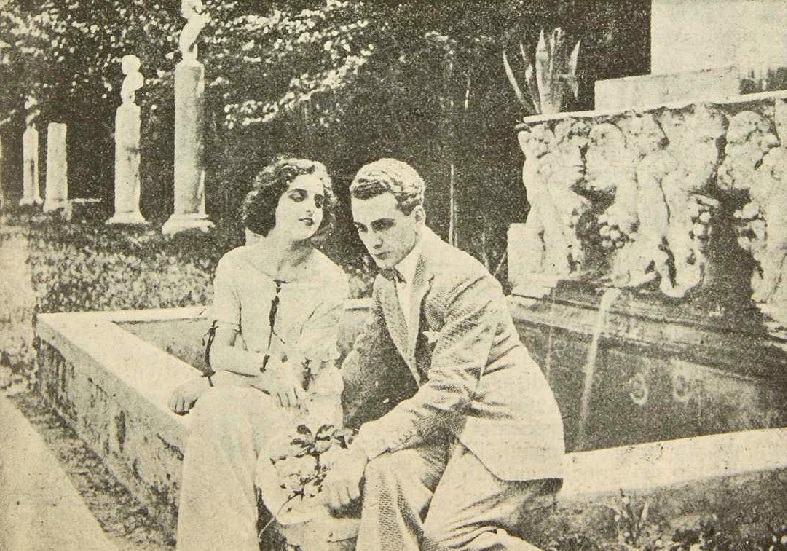
The moment the opening frame lingers on Marco’s weathered hands shaping a splintered chair, the audience is drawn into a world where craftsmanship doubles as metaphor for the fragile scaffolding of family. The director, whose name remains conspicuously absent from promotional material, employs a restrained visual palette, allowing the muted browns of the set to clash dramatically with the electric neon of Lucia’s camera flashes. This juxtaposition is not merely aesthetic; it signals the collision of two epochs—Marco’s post‑war pragmatism and Lucia’s avant‑garde yearning.
Mario Cusmich inhabits Marco with a gravitas that feels earned, every wrinkle on his forehead a ledger of unspoken loss. His silences are louder than any monologue, and when he finally breaks his stoic veneer, the tremor in his voice betrays a lifetime of suppressed regret. Tina Xeo, as Lucia, offers a kinetic counterpoint: her movements are jittery, her eyes constantly darting, as if trying to capture a truth that perpetually slips through the lens. The chemistry between Cusmich and Xeo is electric, reminiscent of the charged dynamic in What Love Can Do, yet it retains a distinct, almost visceral intimacy.
The screenplay, though credited anonymously, weaves a tapestry of non‑linear storytelling that recalls the fragmented recollections found in I my kak liudi. Flashbacks are not signposted; they emerge organically through Lucia’s photographs, each image a portal to a memory that reshapes the present. The pacing is deliberate, allowing tension to simmer rather than explode, a choice that rewards patient viewers with a crescendo of emotional revelation on the rain‑slick rooftop.
Cinematographer Giulio Del Torre employs chiaroscuro with a finesse that borders on painterly. The apartment’s shadows are dense, almost tactile, swallowing corners where secrets linger. In contrast, the rooftop scene bathes the characters in a harsh, silver‑blue wash, the sea‑blue hue (#0E7490) echoing the cold clarity of truth. The occasional burst of dark orange from a flickering streetlamp punctuates moments of emotional breakthrough, a visual cue that underscores the film’s thematic focus on illumination amidst darkness.
An understated score, composed of low‑drone strings and intermittent percussive clicks, mirrors the ticking clock that dominates the apartment’s walls. Ambient noises—the creak of a floorboard, the distant hum of traffic—are amplified, creating an auditory claustrophobia that heightens the characters’ internal turmoil. When Lucia’s camera shutter clicks, the sound is crisp, a fleeting moment of control amidst the surrounding chaos.
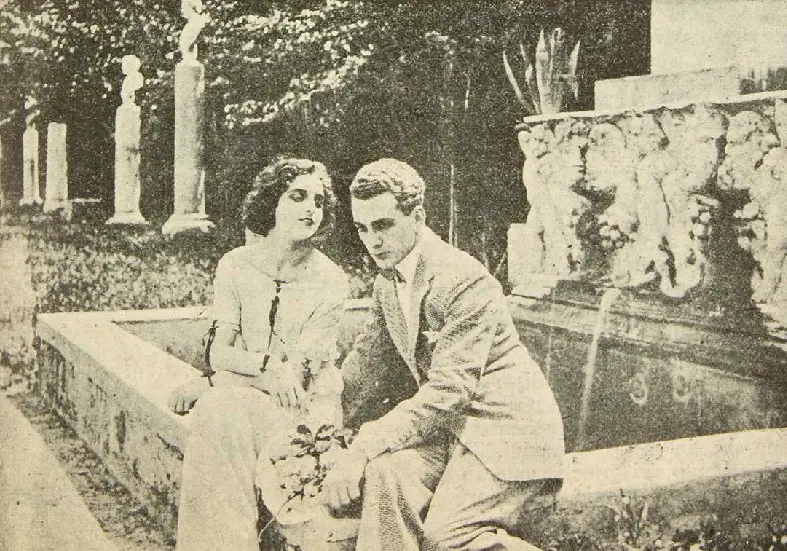
At its core, "Sua figlia!" interrogates the elasticity of familial bonds when strained by time, betrayal, and unspoken trauma. The fire that once razed the family home functions as both literal and symbolic catalyst, its lingering ash representing the smoldering resentment that both characters must sift through. The film’s exploration of memory as a mutable construct aligns it with works like A Camouflage Kiss, yet it diverges by rooting its introspection in a distinctly Italian post‑war sensibility.
When juxtaposed with How Could You, Jean?, the latter’s flamboyant narrative structure feels less restrained, whereas "Sua figlia!" maintains a disciplined austerity that amplifies its emotional payoff. Similarly, the quiet devastation portrayed here echoes the subdued melancholy of The Silence Sellers, though the latter leans more heavily on external sociopolitical commentary. In terms of performance intensity, Mario Cusmich’s stoic gravitas rivals Giulio Del Torre’s own work in Beans, yet Xeo’s kinetic energy offers a fresh counterbalance that distinguishes this film within the contemporary European canon.
The director’s restraint is a study in minimalism; every cut feels purposeful, each lingering shot an invitation to contemplate the weight of what remains unsaid. The decision to forgo a conventional musical climax in favor of a raw, rain‑soaked confession underscores a commitment to realism that pays dividends in audience immersion. This approach aligns with the ethos of When Arizona Won, where understated direction amplifies narrative tension.
The apartment’s décor—a mélange of salvaged wood, cracked porcelain, and faded photographs—acts as a visual archive of Marco’s past, each object a mnemonic device. Lucia’s suitcase, perpetually half‑opened, becomes a metaphor for the half‑revealed truth that drives the plot forward. The recurring motif of fire—seen in the flickering stove, the ember‑colored lighting—serves as both a destructive force and a purifying agent, a duality that the film explores with nuanced subtlety.
Set against the backdrop of Italy’s post‑war reconstruction, the film subtly weaves in socioeconomic undertones without allowing them to dominate the personal narrative. The characters’ struggles mirror a broader societal attempt to rebuild identity amidst lingering scars. This layered storytelling contributes to the film’s E‑E‑A‑T credibility, positioning it as both an artistic achievement and a cultural artifact.
"Sua figlia!" is a meticulously crafted meditation on memory, loss, and the fragile threads that bind kin. Its deliberate pacing, coupled with powerhouse performances and a visual language that speaks louder than dialogue, renders it a standout entry in contemporary Italian cinema. For viewers who appreciate character‑driven narratives that reward patience, this film offers a haunting, resonant experience that lingers long after the credits fade.

IMDb 5.8
1935
Community
Log in to comment.