DbcultAccessing Vault...
5.9/10
Senior Film Conservator
A definitive 5.9/10 rating for a film that redefined the boundaries of cult cinema. Szulamit remains a cornerstone of transgressive art.
Stepping into the world of *Szulamit* is akin to unearthing a forgotten artifact, one that hums with the echoes of ancient narratives and the nascent power of cinematic expression. This early film, a collaborative vision from writers Eugen Illés and Abraham Goldfaden, isn't merely a recounting of a biblical or folkloric tale; it's a profound excavation of human frailty, divine justice, and the devastating ripple effects of a broken vow. As an art critic, one approaches such a piece not just for its plot, but for its audacious attempt to capture the grand sweep of human emotion and spiritual consequence within the nascent language of moving pictures. The film, starring the compelling Margit B. Kornai as Sulamith and Béla Bátori as Absolon, alongside a notable ensemble including Mária Szepes and Alice Serak, crafts a melodrama that, even a century later, retains a raw, unvarnished power.
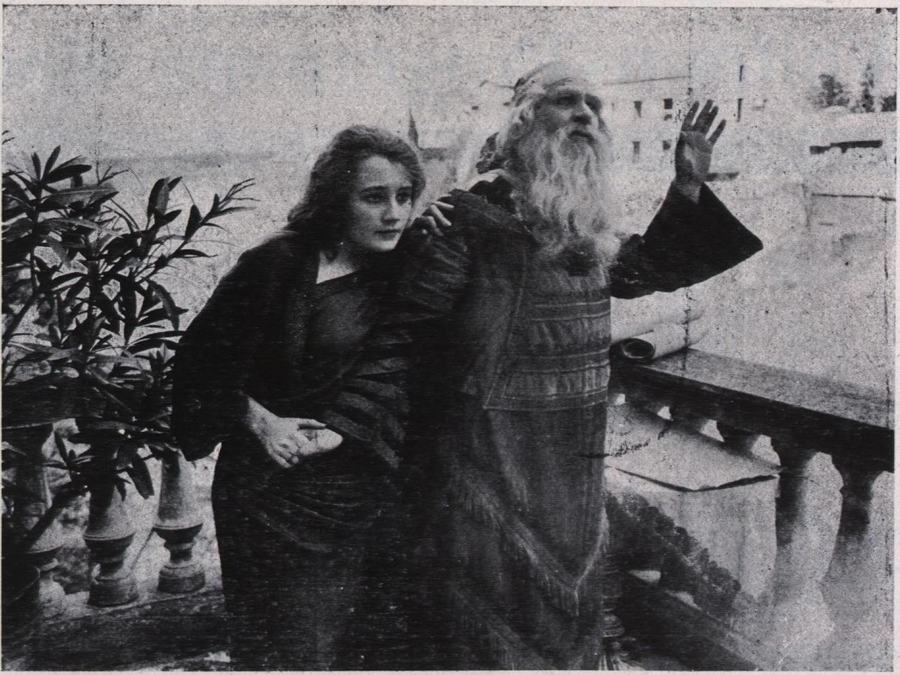
At its core, *Szulamit* is a stark morality play, a narrative tapestry woven with threads of devotion, ambition, and ultimate redemption. The story begins with an almost idyllic purity: Sulamith, daughter of the revered chief priest Monoach, played with gravitas by Szokol Aoles, is a figure of innocence, her life unfolding in the tranquil embrace of her mountain home. Her accidental fall into a well, a moment of stark vulnerability, becomes the crucible through which her destiny is forged. It is here that Absolon, the warrior, intervenes, a figure of strength and, initially, noble intent. Their immediate connection, a silent communion of gazes and gestures, speaks volumes about the power of love at first sight, a trope perhaps, but one executed here with a striking sincerity that feels deeply authentic to the era's storytelling sensibilities. The vow exchanged between them, a sacred promise of marriage, is not just a personal pledge but one imbued with a spiritual weight, setting the stage for the profound tragedy to come.

The narrative pivot arrives with Absolon's conquest of a new town, a moment that tests his character and, tragically, finds it wanting. The allure of wealth, personified by the rich Abigél (Ica von Lenkeffy), proves too potent a temptation. His decision to forsake Sulamith for Abigél is a betrayal not just of a lover, but of an oath, a spiritual covenant. This act of perfidy unleashes a torrent of suffering, first upon Sulamith, who, in her profound grief, succumbs to a fatal illness. Margit B. Kornai's portrayal of Sulamith's decline is heart-wrenching, her silent anguish conveyed through subtle shifts in posture, the haunted look in her eyes, a testament to the power of early cinematic acting. It is a performance that evokes comparisons to the tragic heroines of other early melodramas, such as the suffering depicted in East Lynne or the poignant demise of the titular character in Camille, where women are often victims of societal pressures or, in Sulamith's case, a lover's broken promise.
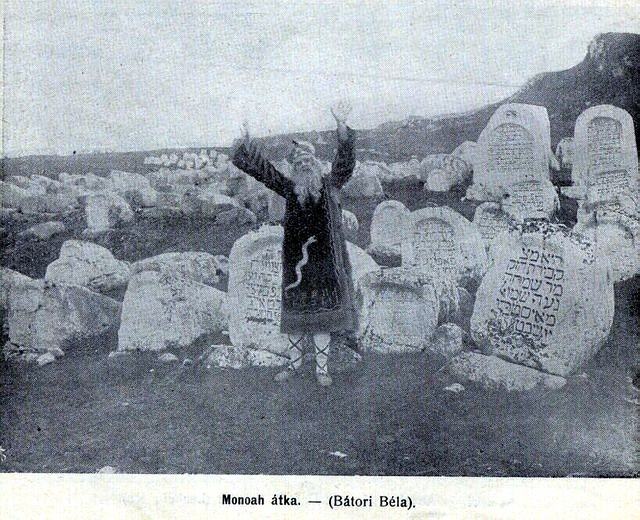
Monoach's subsequent curse upon Absolon is not merely an act of paternal vengeance, but a pronouncement of divine judgment. The film elevates this moment beyond personal vendetta, framing it as the inevitable consequence of a sacred bond violated. The curse's manifestation is swift and brutal, striking at Absolon's most vulnerable points: his children. The infant son's death by a cat, a seemingly random act, takes on a chilling significance within the narrative's moral framework, while the elder daughter's fall into a well directly mirrors Sulamith's own near-fatal accident. These symmetrical acts of retribution underscore the film's exploration of fate and consequence, echoing themes of karmic justice found in works like The Sons of Satan, where moral transgressions inevitably lead to dire spiritual and physical repercussions. Dezsõ Kertész, portraying a minor character, adds to the tapestry of the community grappling with these events.

The genius of *Szulamit* lies not just in its dramatic unfolding, but in its nuanced portrayal of Absolon's journey from hubris to profound remorse. Béla Bátori, as Absolon, undergoes a remarkable transformation. His initial swagger and ambition give way to a tormented soul, burdened by guilt and the weight of his actions. The scenes depicting the impact of the curse on his family are particularly effective, showcasing the silent film's ability to convey immense emotional pain without dialogue. It is these blows, rather than any external intervention, that force Absolon to confront his past. His confession to Abigél is a pivotal moment, revealing the depth of his internal suffering and the enduring power of his love for Sulamith. Abigél's response, far from being one of jealousy or anger, is an astonishing act of empathy and selflessness. She recognizes the spiritual wound Absolon carries and, in an act of profound compassion, sends him back to the dying Sulamith. This moment of grace, a surprising twist in a narrative otherwise steeped in tragedy, offers a glimmer of hope and moral complexity, elevating Abigél beyond a mere plot device to a character of unexpected depth.
The final reunion between Absolon and Sulamith is a scene of heartbreaking beauty. Sulamith, on her deathbed, finds a fleeting moment of joy in Absolon's return, her spirit briefly rekindled before extinguishing entirely. It is a testament to the enduring power of true love, even in the face of death and betrayal. Monoach's acceptance of the Lord's will, following Sulamith's peaceful passing, brings a sense of closure, albeit a somber one, to the tragic events. The film, through its stark imagery and powerful performances, leaves the viewer contemplating the profound costs of broken promises and the inexorable march of fate. One might draw parallels here to the inescapable destinies explored in films like The Goddess, where characters are often swept up in forces beyond their control, or the stark moral reckonings found in According to Law, which similarly grapples with the consequences of human actions within a rigid moral framework.
From a technical perspective, *Szulamit* showcases the innovative spirit of early cinema. While specific details about cinematography and editing techniques from this particular film are scarce in common discourse, one can infer the creative approaches typical of the era. Directors and cinematographers of the period were constantly experimenting with lighting, camera angles, and narrative pacing to maximize emotional impact without the benefit of synchronized sound. The use of intertitles would have been crucial, not just to convey dialogue, but to articulate the internal states of the characters and the pronouncements of the curse, guiding the audience through the complex emotional landscape. The visual storytelling, therefore, had to be exceptionally strong, relying on exaggerated gestures, expressive facial movements, and carefully composed frames to communicate the story's gravitas. The dramatic shifts in Absolon's demeanor, from proud warrior to broken man, would have been conveyed through changes in his physicality and the way he was framed, perhaps in stark shadow to emphasize his torment, or bathed in light during moments of confession and penitence.
The film's exploration of religious themes, particularly the concept of a divine curse and its tangible effects, is a powerful element. Monoach's role as chief priest lends a weighty spiritual authority to his pronouncement, transforming a personal grievance into a cosmic decree. This delves into a fascinating aspect of early cinema's engagement with spiritual narratives, often drawing from biblical or mythological sources to explore universal truths about morality, sin, and redemption. The audience of the time, likely more attuned to such allegorical storytelling, would have readily grasped the deeper implications of Absolon's suffering. It's a stark reminder that actions have consequences, not just in the earthly realm but in the spiritual one, a theme that resonates deeply with the moral struggles depicted in The Eternal Strife, which often explored the internal and external conflicts arising from moral choices.
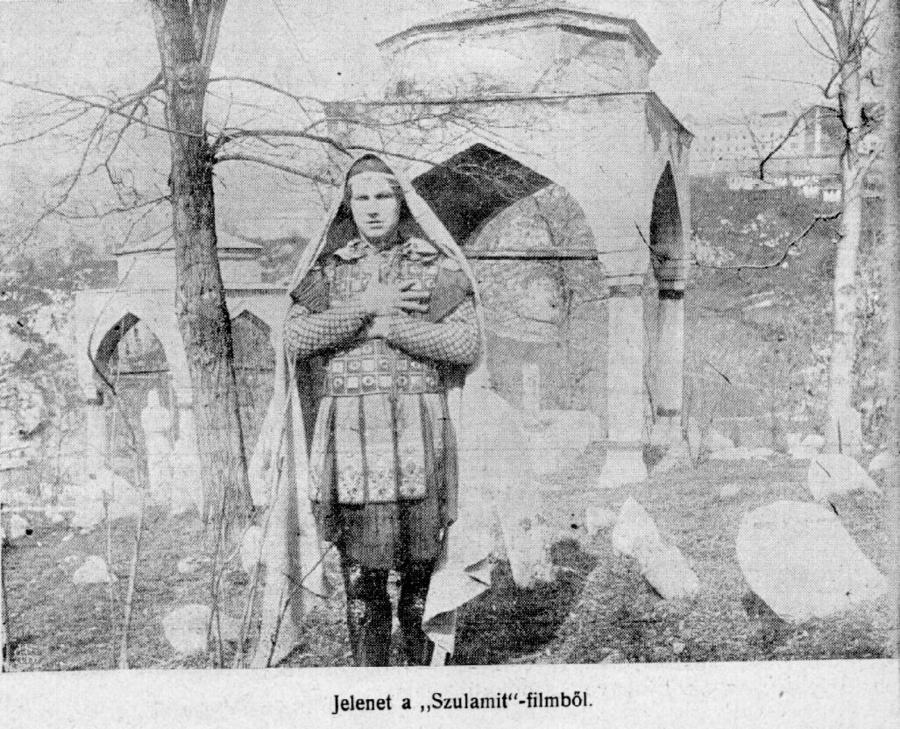
The casting choices for *Szulamit* seem particularly apt. Margit B. Kornai embodies Sulamith with a delicate strength that makes her eventual decline all the more tragic. Her expressive eyes and subtle gestures communicate a world of inner turmoil. Béla Bátori, as Absolon, carries the burden of his character's journey with conviction, evolving from a figure of martial prowess to one consumed by profound regret. The supporting cast, including Alice Serak and Ica von Lenkeffy, contribute significantly to the film's emotional texture, particularly Lenkeffy's portrayal of Abigél, who, despite her initial role as the 'other woman,' emerges as a figure of unexpected virtue. This humanization of a potentially one-dimensional character adds a layer of sophistication to the narrative, preventing it from devolving into a simplistic good-versus-evil dichotomy. Instead, we are presented with complex individuals navigating difficult moral landscapes, much like the intricate human relationships explored in films such as Helene of the North, which often delved into the moral ambiguities of love and loyalty.
In conclusion, *Szulamit* stands as a compelling example of early cinematic storytelling, a testament to the enduring power of a well-crafted narrative. It is a film that grapples with grand themes—love, betrayal, divine justice, and redemption—with a sincerity and dramatic intensity that transcends its historical context. The performances are earnest, the narrative arc is both devastating and ultimately cathartic, and the film's moral compass points firmly towards the ultimate accountability for one's vows. While specific stylistic flourishes of the era, such as the use of tints or specific camera movements, would have undoubtedly enhanced the viewing experience for contemporary audiences, the sheer emotional force of the story, driven by the powerful performances and the universal resonance of its themes, ensures its lasting impact. It reminds us that even in the nascent days of cinema, filmmakers were capable of crafting profound and deeply moving works that explored the very essence of the human condition. It's a film that encourages reflection on the weight of promises and the inescapable threads of fate, much like the somber introspection provoked by Through the Valley of Shadows. The legacy of Eugen Illés and Abraham Goldfaden, as writers, shines through in this richly woven tapestry of human experience and spiritual consequence, cementing *Szulamit*'s place as a significant, albeit often overlooked, piece of cinematic history.

A powerful, unforgettable journey through a timeless tragedy.

IMDb 5.6
1926
Community
Log in to comment.