DbcultAccessing Vault...
Cult Review
Senior Film Conservator
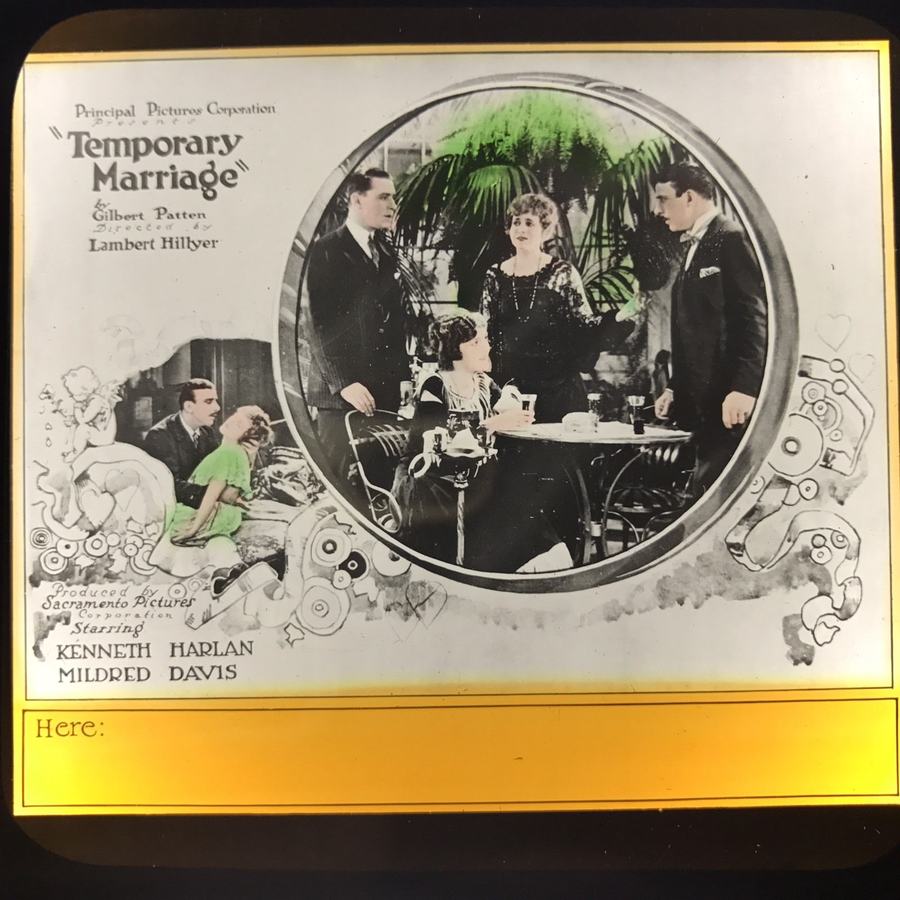
The cinematic landscape of the 1920s was replete with films that delved into the intricacies of the human experience, and Temporary Marriage is a quintessential example of this trend. Directed by Lambert Hillyer and penned by Hillyer and Gilbert Patten, this silent film is a masterclass in storytelling, weaving a complex narrative that explores the very fabric of relationships, love, and deception. As we delve into the world of Temporary Marriage, it becomes evident that the film's themes and motifs are still remarkably relevant today, offering a profound commentary on the societal norms and expectations that govern our lives.
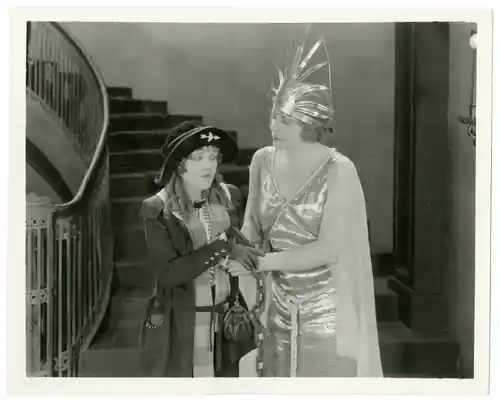
At the heart of the film is the inimitable Mrs. Hugh Manners, a woman of exceptional beauty and cunning, played with remarkable aplomb by Myrtle Stedman. Her marriage to the stodgy lawyer, Hugh Manners, is a stifling one, devoid of passion and excitement, and it is this sense of listlessness that drives her to seek a divorce. The party that she hosts to celebrate her newfound freedom is a pivotal moment in the film, as it is here that she becomes embroiled with the enigmatic Preston Ducayne, a gambler of questionable repute, and the mysterious Olga Kazanoff, an adventuress with a penchant for intrigue. The chemistry between the leads is palpable, and their performances are a testament to the exceptional caliber of acting that defined the silent era.
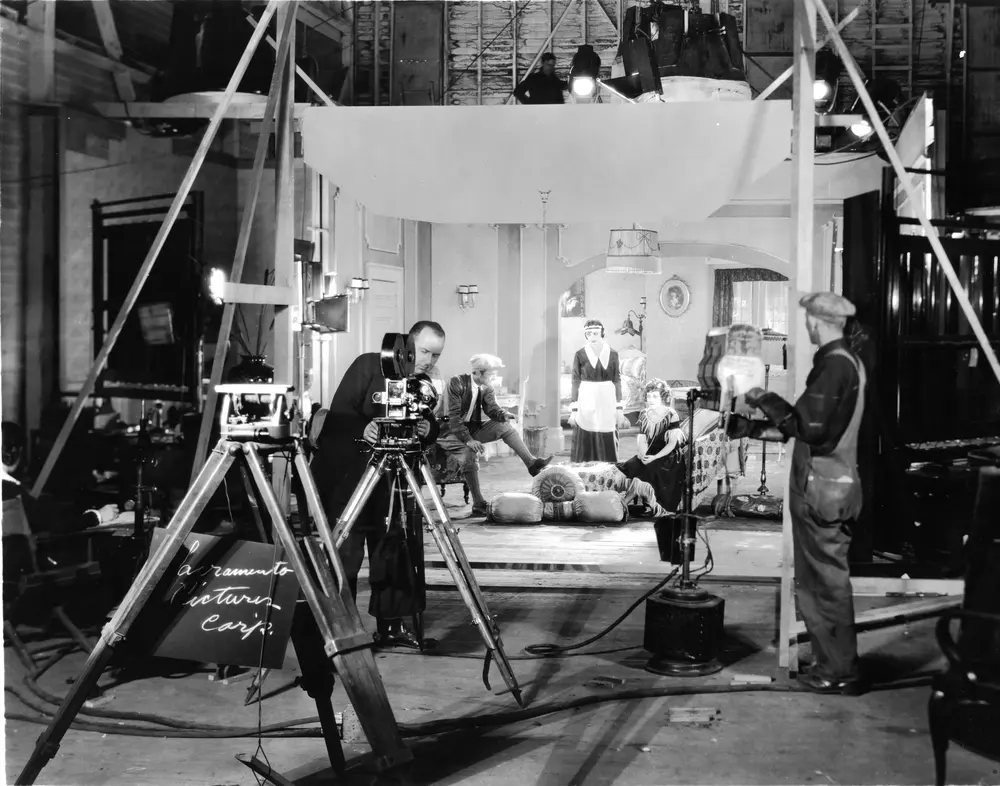
As the narrative unfolds, the film takes a dramatic turn, with Ducayne's lifeless body being discovered, and suspicion inexorably shifting towards Mrs. Manners. It is here that the film showcases its remarkable ability to craft a sense of tension and suspense, as the investigation into Ducayne's murder becomes a tangled web of deceit and betrayal. The cinematography is equally impressive, with a muted color palette that adds to the overall sense of melancholy and foreboding. The use of yellow and sea blue hues is particularly noteworthy, as it serves to underscore the sense of unease and uncertainty that pervades the film.
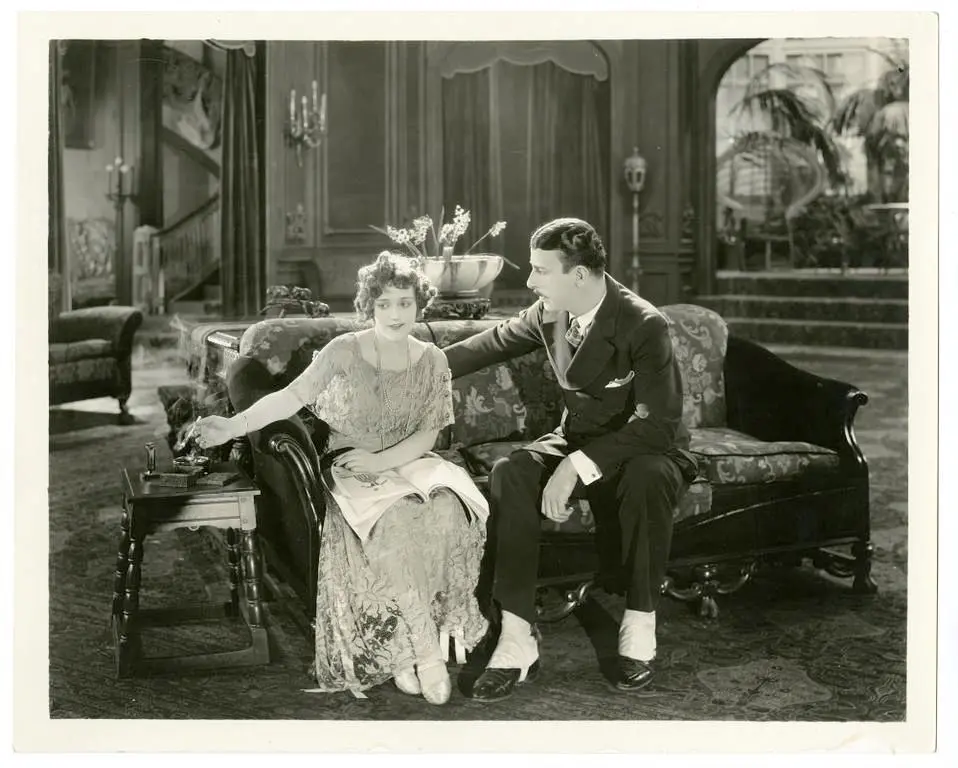
One of the most striking aspects of Temporary Marriage is its thought-provoking commentary on the societal norms and expectations that govern our lives. The film is a scathing critique of the patriarchal society in which it was made, with the character of Mrs. Manners serving as a powerful symbol of female empowerment and independence. Her journey is a testament to the human spirit's capacity for resilience and determination, and it is this that makes her such a compelling and relatable character. In many ways, her story is reminiscent of the eponymous heroine in A Girl of Yesterday, who also finds herself navigating a complex web of societal expectations and personal desires.
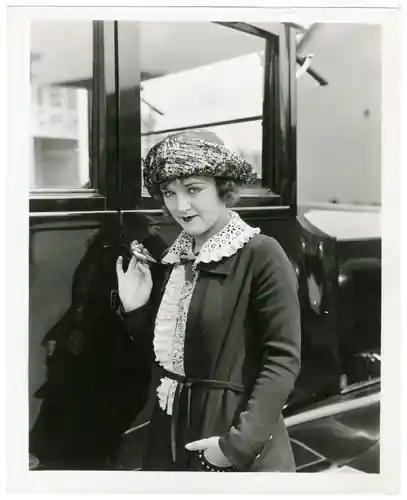
The supporting cast is equally impressive, with standout performances from Edward Coxen, Tully Marshall, and Maude George. The chemistry between the leads is undeniable, and their performances are a testament to the exceptional caliber of acting that defined the silent era. The film's pacing is equally noteworthy, with a narrative that is both engaging and suspenseful. The use of title cards is particularly effective, as it serves to underscore the sense of drama and tension that pervades the film. In many ways, the film's use of title cards is reminiscent of the innovative storytelling techniques employed in The Heart of Maryland, which also used title cards to great effect in conveying the complexities of the human experience.
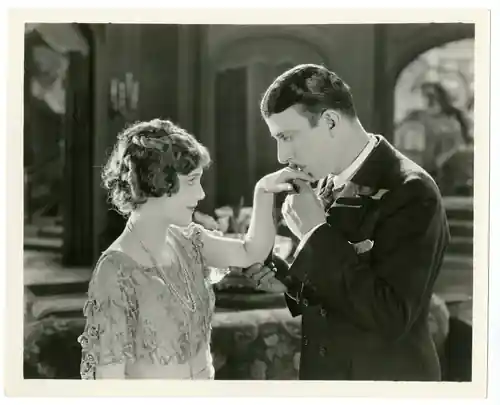
In terms of its place within the broader cinematic landscape, Temporary Marriage is a film that is deeply rooted in the traditions of the silent era. The film's use of melodrama and suspense is particularly noteworthy, as it serves to underscore the sense of tension and uncertainty that pervades the narrative. In many ways, the film is reminiscent of the works of other notable directors of the era, such as the Pardon My French and Melissa of the Hills, which also explored the complexities of the human experience through the use of melodrama and suspense.
As we reflect on the film's enduring legacy, it becomes evident that Temporary Marriage is a film that continues to resonate with audiences today. The film's thought-provoking commentary on the societal norms and expectations that govern our lives is a powerful reminder of the importance of empathy and understanding in our personal and professional relationships. The film's use of dark orange hues is particularly noteworthy, as it serves to underscore the sense of passion and excitement that defines the narrative. In many ways, the film is a testament to the power of cinema to challenge our assumptions and broaden our perspectives, and it is this that makes it such a compelling and unforgettable viewing experience.
In conclusion, Temporary Marriage is a film that is not to be missed. With its complex narrative, memorable characters, and thought-provoking commentary on the human experience, it is a testament to the enduring power of cinema to captivate and inspire us. As we continue to navigate the complexities of our own lives, the film serves as a powerful reminder of the importance of empathy, understanding, and compassion, and it is this that makes it such a vital and essential work of cinematic art. Whether you are a fan of the silent era or simply looking for a film that will challenge your assumptions and broaden your perspectives, Temporary Marriage is a film that is sure to leave a lasting impression.
IMDb —
1928
Community
Log in to comment.